



Strait of Hormuz Disruption Risk | Shipping Costs Rise 8-15% for Cross-Border Sellers
- Brent crude at $112/barrel threatens 21% of global petroleum trade; sellers face 10-14 day rerouting delays and fuel surcharges through April 2026

)




















Overview
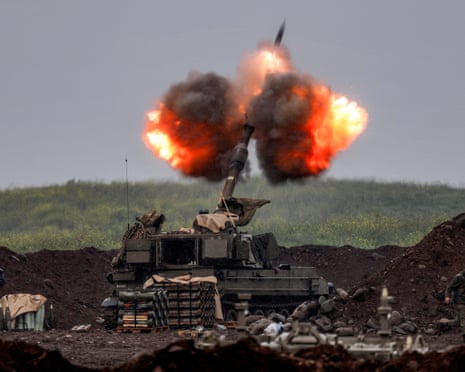
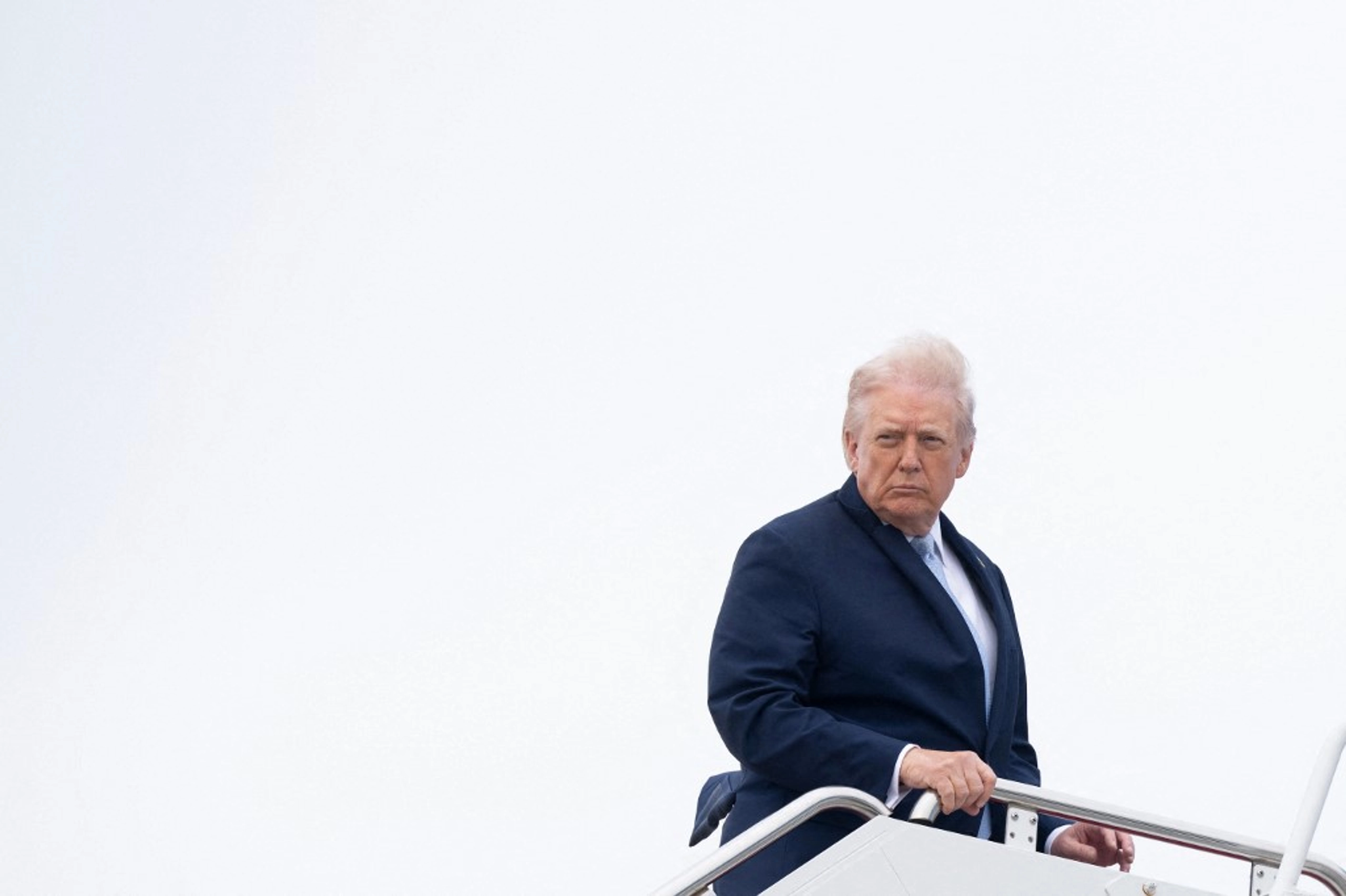
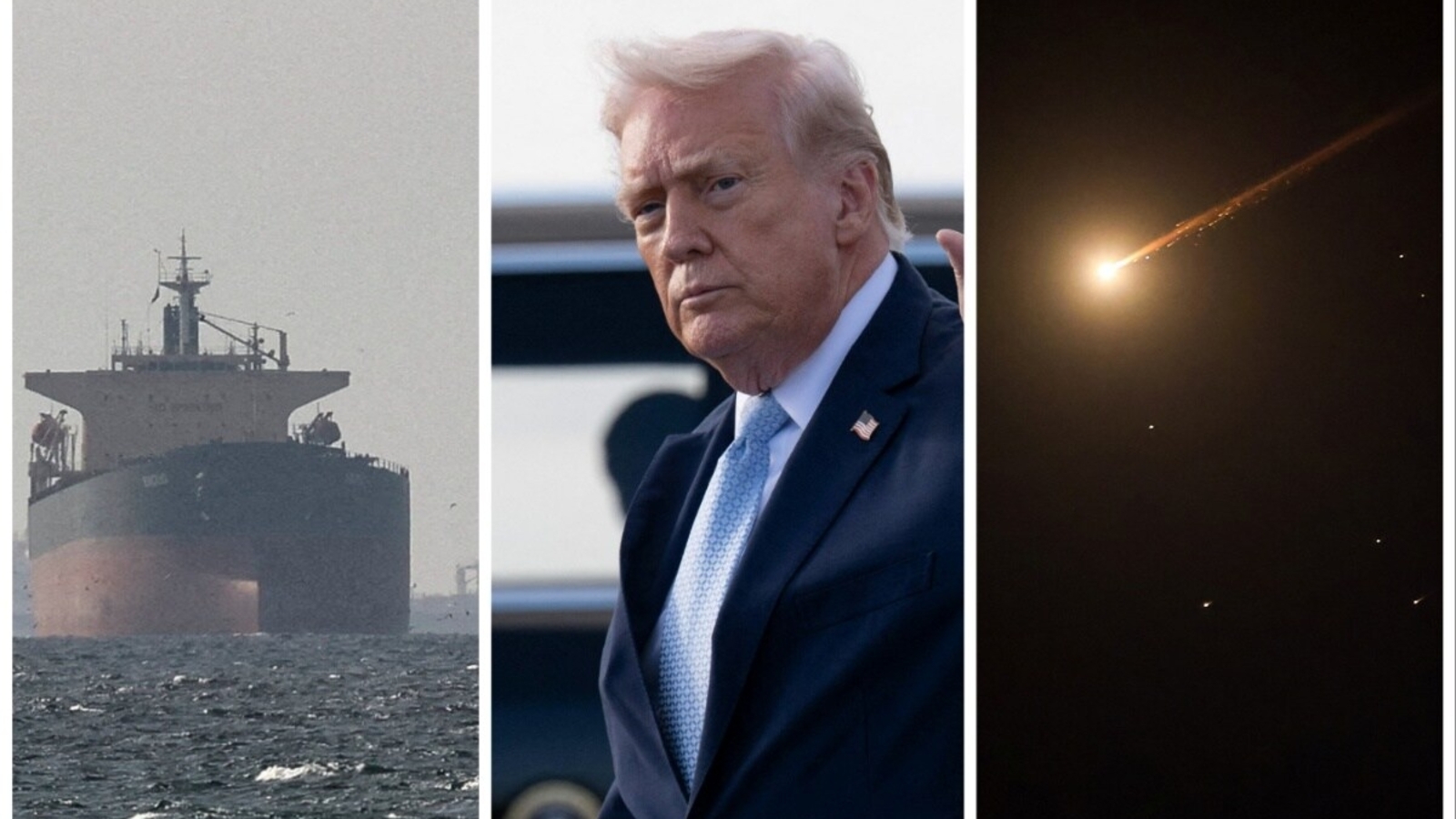
The Middle East military escalation between the US and Iran (February 28 - March 21, 2026) creates immediate supply chain cost pressures for cross-border e-commerce sellers, with Brent crude oil prices reaching $112.19/barrel—the highest close since 2022—directly impacting logistics expenses. The Strait of Hormuz, which handles approximately 21% of global petroleum trade, faces disruption risk as military tensions persist despite Trump's March 20 announcement of considering "winding down" operations. The US Treasury temporarily eased sanctions on Iranian oil shipments (authorization through April 19, 2026), providing modest price stabilization, but ongoing geopolitical uncertainty creates volatility that sellers cannot fully hedge.
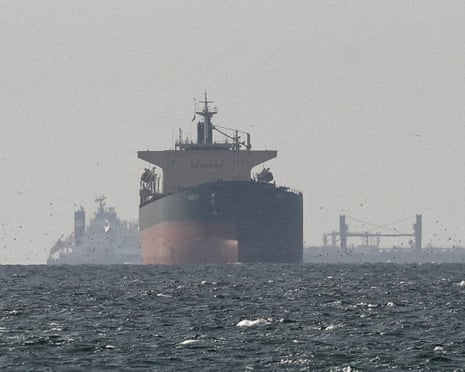
For e-commerce sellers, the operational impact manifests across three critical cost vectors: First, air freight surcharges are increasing 8-12% as fuel costs rise and carriers impose emergency fees on routes through the Middle East. Second, ocean shipping fuel surcharges (bunker adjustments) are climbing 5-8% on major trade corridors, with logistics providers warning of potential 10-14 day transit time extensions if shipments are rerouted around Africa via the Cape of Good Hope instead of the Suez Canal. Third, insurance premiums for cargo transiting the region are rising 15-25% as underwriters price in heightened geopolitical risk. Sellers shipping high-value electronics, apparel, and consumer goods via FBA or 3PL networks face margin compression of 2-4% on products with standard 20-30% gross margins.
Specific seller segments face differentiated impacts: Small sellers (under $500K annual revenue) relying on ocean freight for inventory replenishment experience the most acute pressure, as they lack negotiating power with 3PL providers and cannot absorb fuel surcharges. Medium-sized sellers ($500K-$5M) with diversified sourcing can partially mitigate by shifting 15-20% of inventory from Asian suppliers to nearshoring options (Mexico, Central America) or accelerating inventory purchases before April 19 deadline when sanctions relief expires. Large sellers ($5M+) with dedicated logistics contracts have negotiated fixed-rate agreements but face pressure to renegotiate terms if disruptions extend beyond Q2 2026. Sellers operating in Middle Eastern markets (UAE, Saudi Arabia, Kuwait) face additional uncertainty: customs clearance delays, potential port congestion, and heightened security screening could add 5-7 days to inbound delivery timelines.
The policy window creates tactical opportunities for sellers willing to act quickly: The temporary sanctions relief through April 19, 2026 signals potential price stabilization if de-escalation holds. Sellers should front-load inventory purchases from Asia-Pacific suppliers before late April to lock in current freight rates before potential price spikes. Conversely, sellers with excess inventory should accelerate clearance sales in March-April to reduce storage costs and free working capital before potential Q2 margin compression. The 4-6 week military timeline mentioned by the White House suggests peak uncertainty extends through early April, making this the critical decision window for supply chain adjustments.
Questions 7
Should I shift sourcing from Asia to nearshoring options like Mexico?
Nearshoring makes sense for sellers with 60+ day lead times and products suited to Mexican manufacturing (apparel, footwear, consumer goods). Mexico sourcing costs are typically 10-15% higher than China, but shipping costs are 40-50% lower ($800-1,200 per 40ft container vs. $2,500-3,500 from Asia), and transit times are 5-7 days vs. 25-35 days. For sellers with $2M+ annual revenue, a 20-30% sourcing shift to Mexico can offset current fuel surcharges while improving inventory velocity. However, nearshoring requires 90-180 days to establish supplier relationships and quality controls, so this strategy applies to Q3-Q4 2026 inventory planning, not immediate needs.
Which product categories are most vulnerable to shipping cost increases?
High-volume, low-margin categories face the greatest pressure: electronics (5-8% margin compression), apparel (3-5% compression), and home goods (2-4% compression). Conversely, luxury goods, collectibles, and niche products with 40%+ margins absorb shipping increases more easily. Sellers in electronics should prioritize inventory clearance sales in March-April to reduce storage costs before potential Q2 margin squeeze. Apparel sellers should evaluate nearshoring options (Mexico manufacturing) for Q3-Q4 inventory to avoid peak summer shipping rates. High-margin categories can maintain pricing power and pass 30-50% of shipping increases to consumers.