

.jpg?auto=webp&format=pjpg&width=3840&quality=60)
Liverpool's Strategic Resilience: Navigating Controversy and Performance Pressure
- Tactical Adaptation and Team Dynamics in High-Stakes European Football Competitions





















Overview
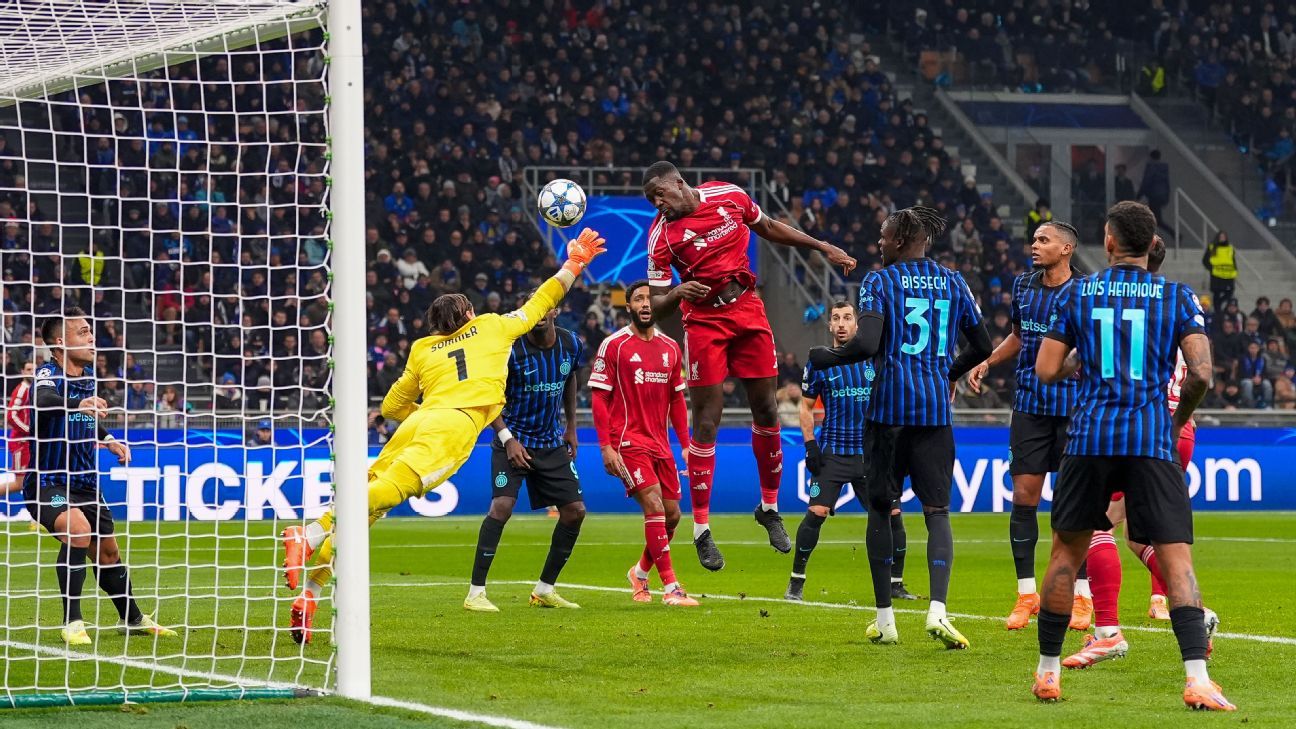
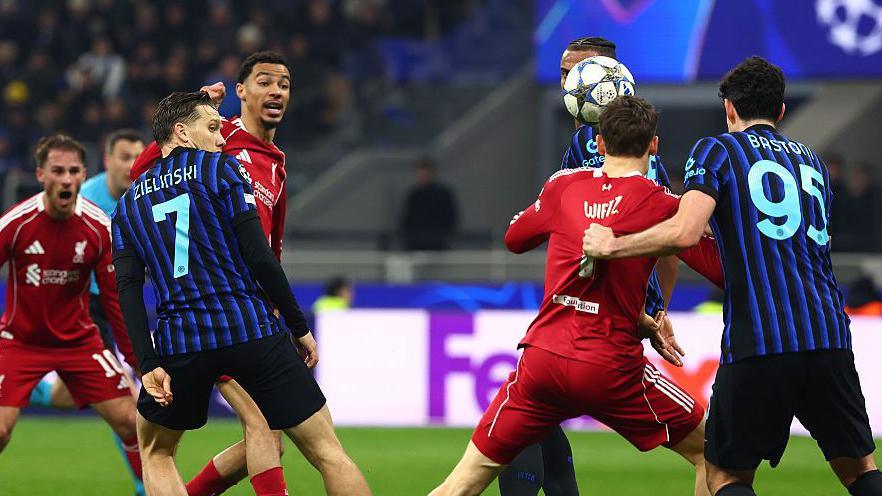
In the high-stakes arena of European football, Liverpool's recent Champions League performance reveals a nuanced narrative of strategic resilience and organizational adaptability. The match against Inter Milan, marked by Mohamed Salah's controversial absence and a narrow 1-0 victory, demonstrates how top-tier teams navigate complex performance challenges.
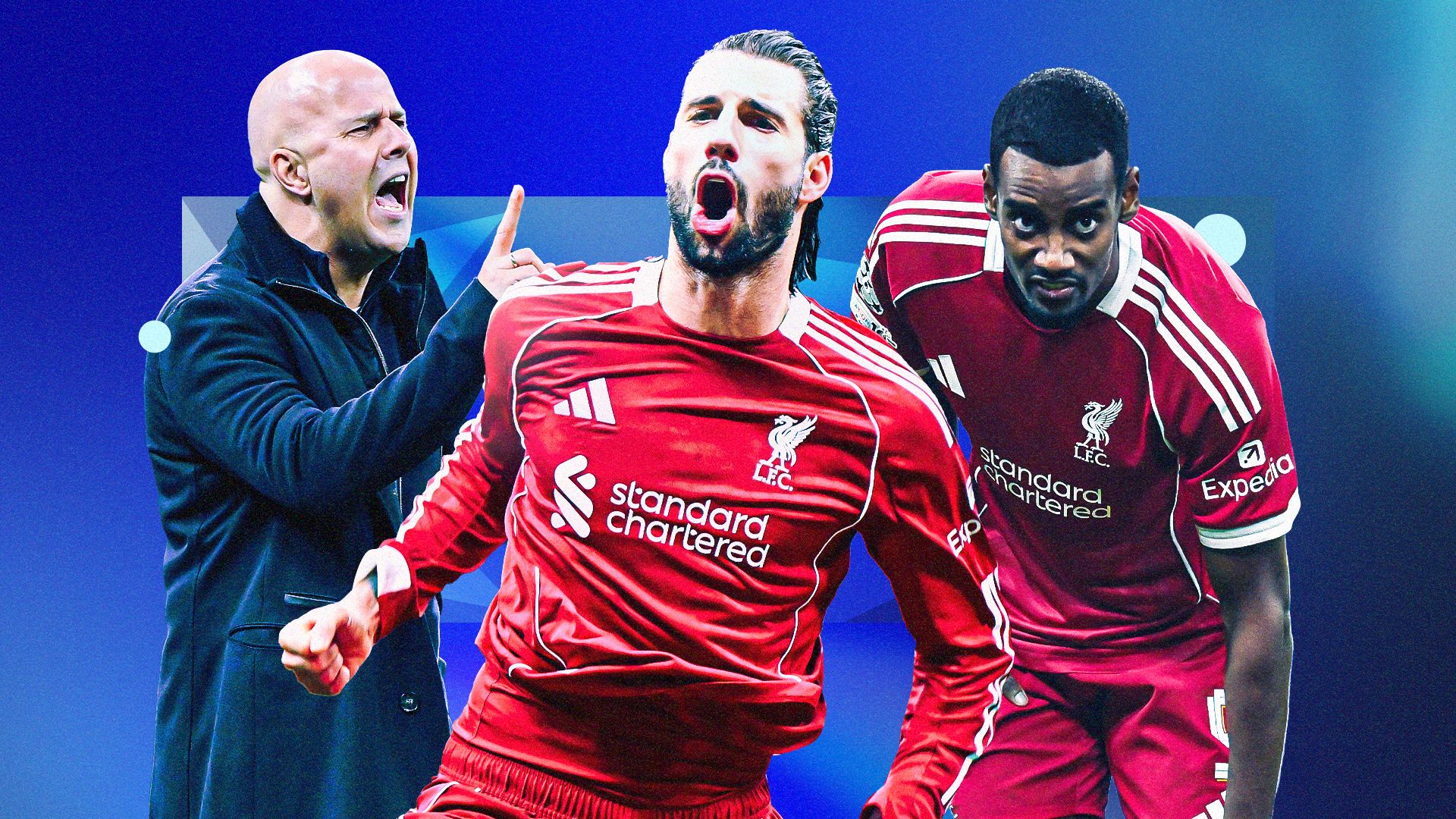
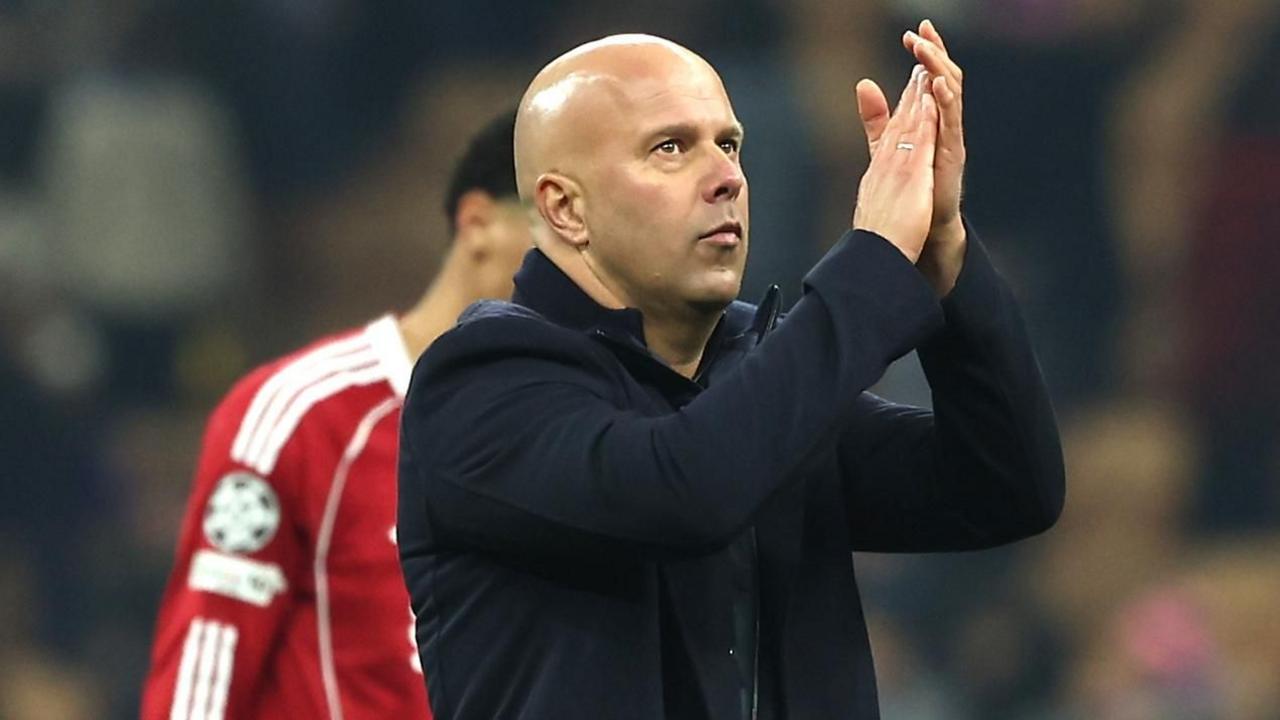
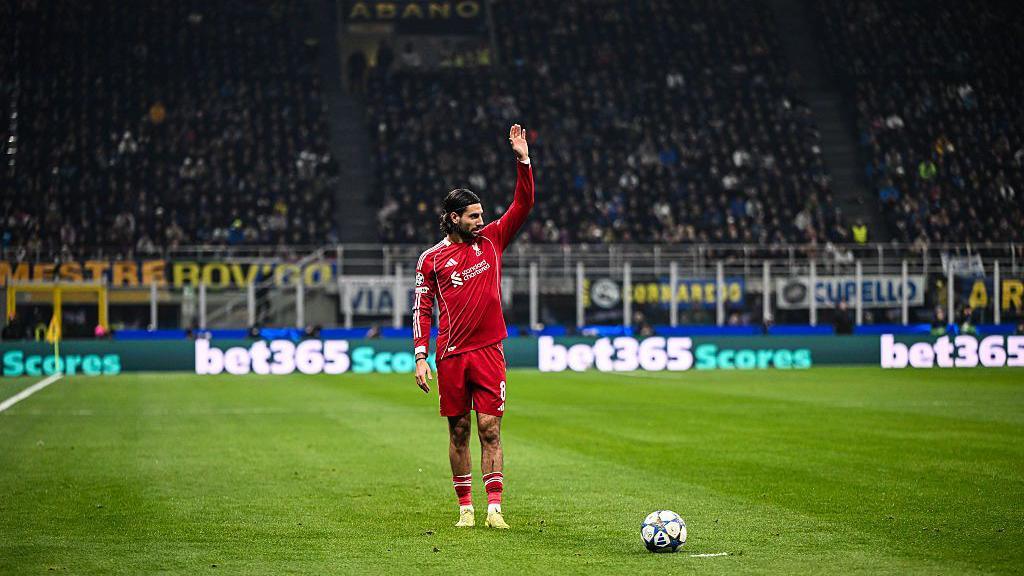
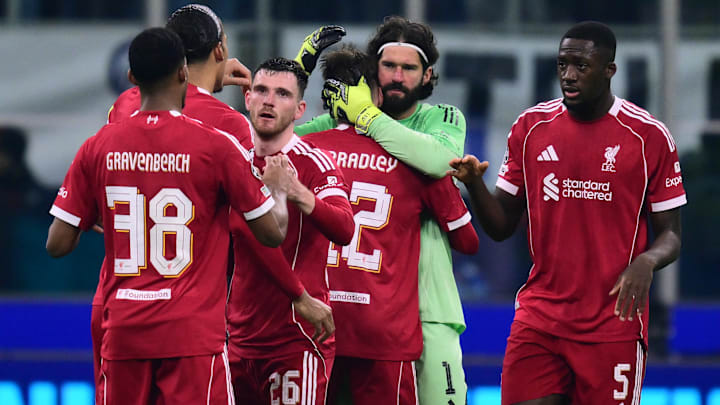
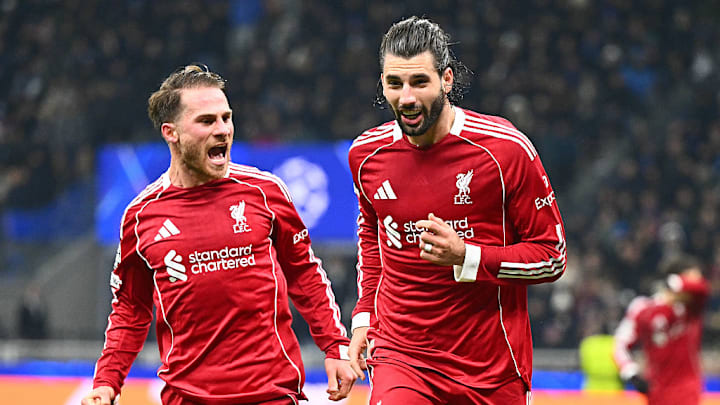
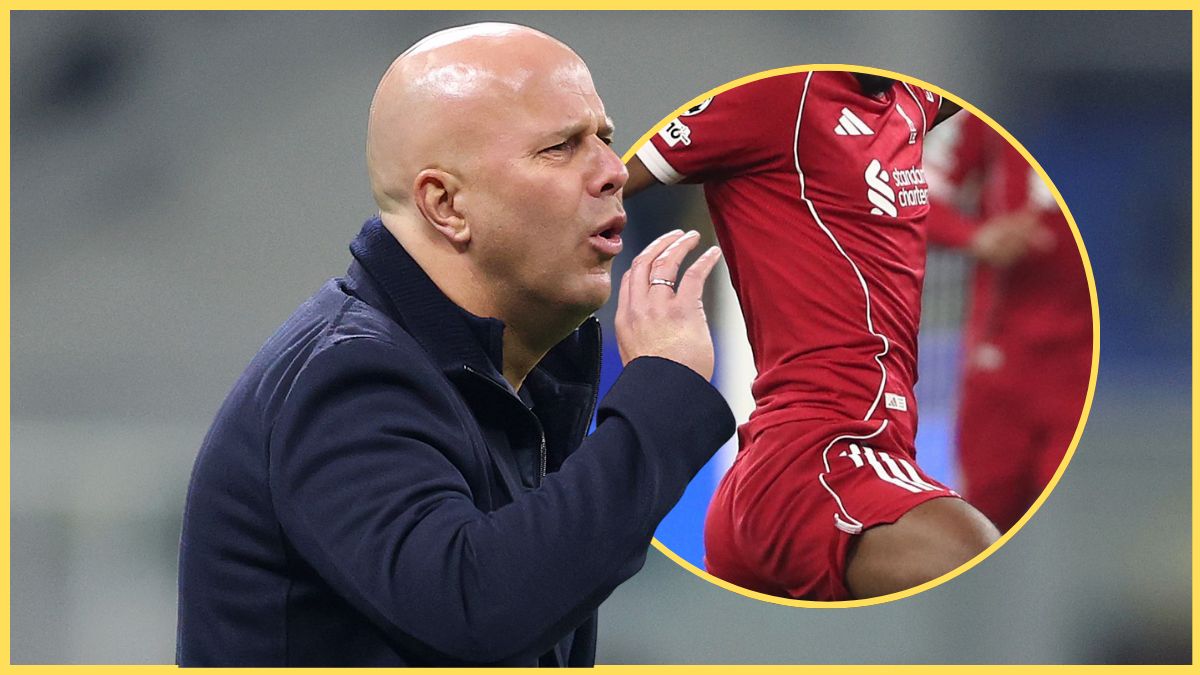
Arne Slot's tactical approach emerges as a critical factor in Liverpool's survival strategy. By deploying a compact 4-4-2 diamond formation, Slot demonstrated remarkable strategic flexibility in the face of mounting pressure. The midfield configuration featuring Ryan Gravenberch, Curtis Jones, Dominik Szoboszlai, and Alexis Mac Allister effectively neutralized a formidable Inter Milan side, showcasing the team's depth and tactical intelligence.
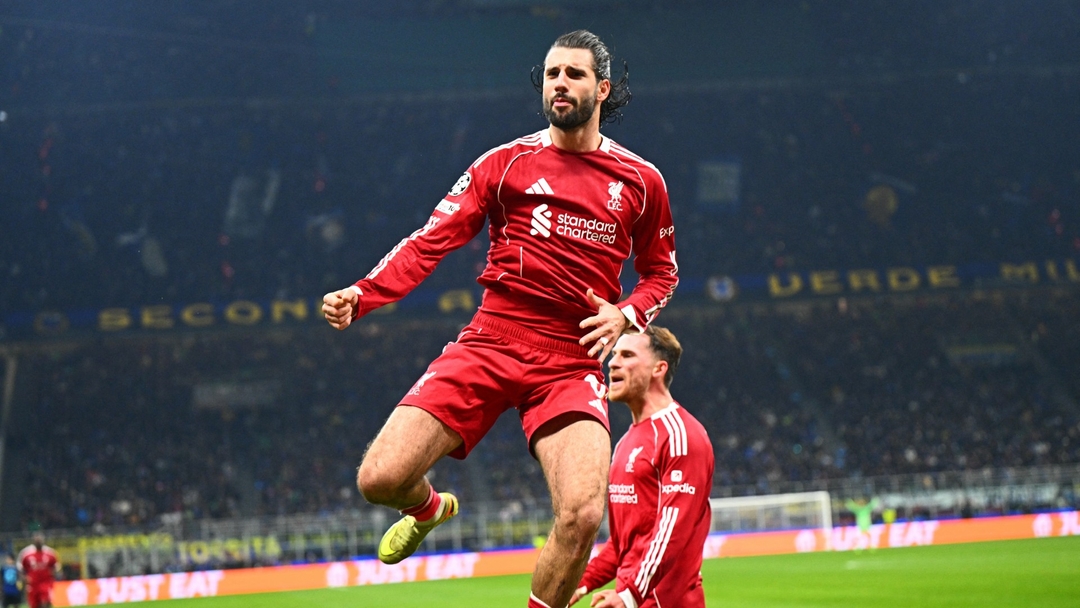
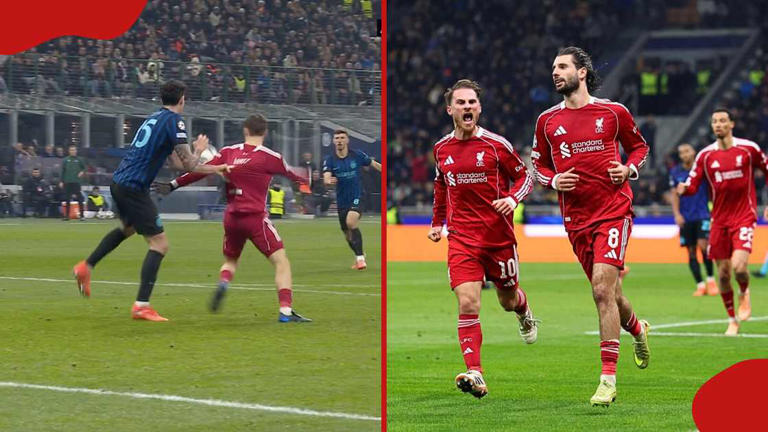
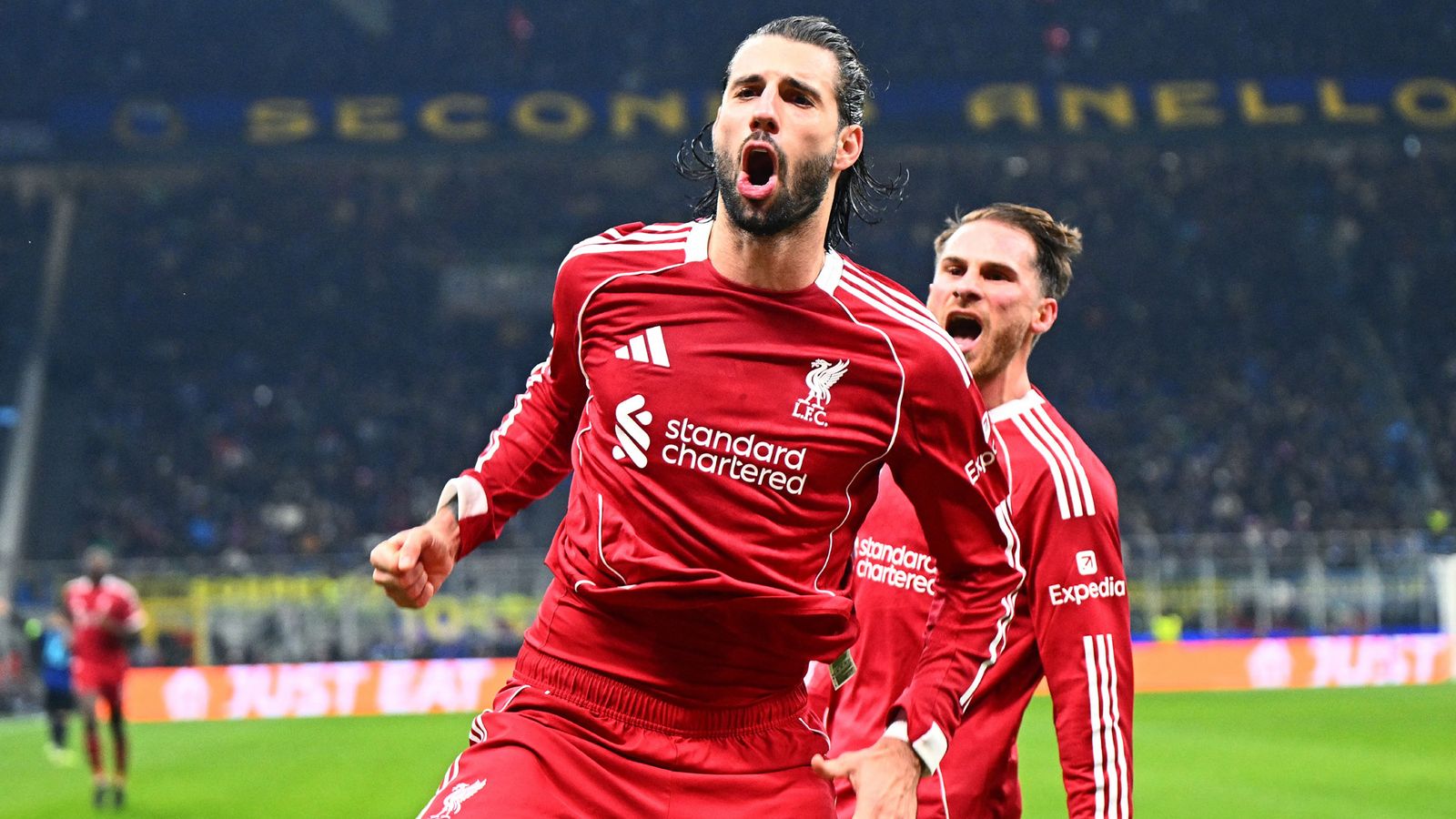
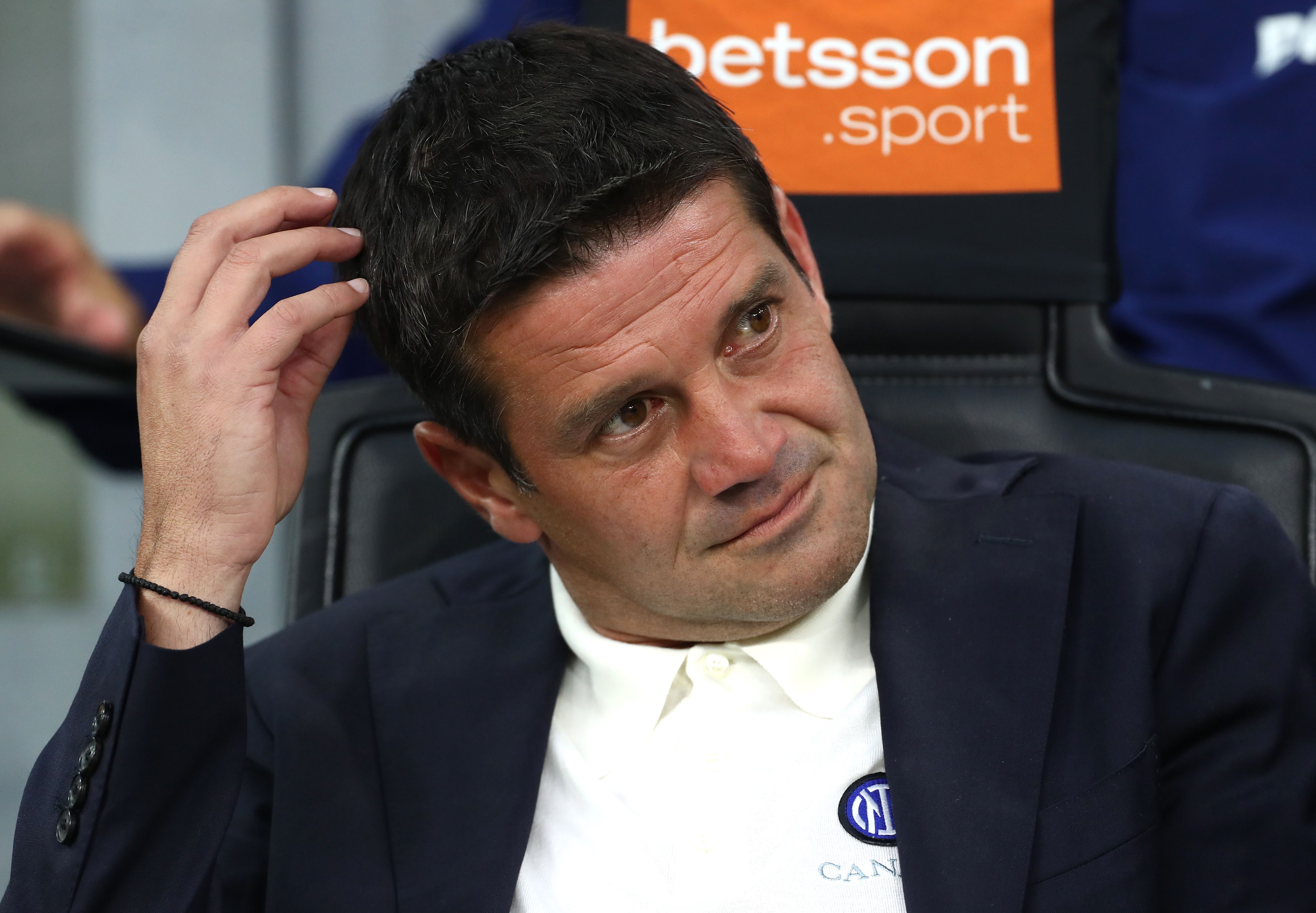
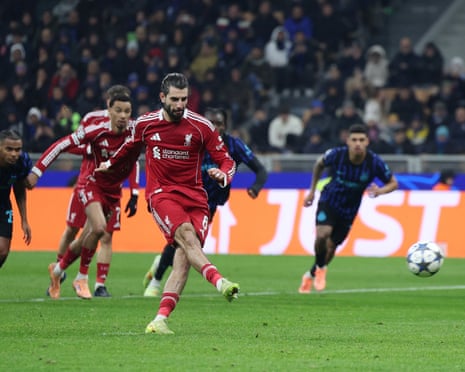
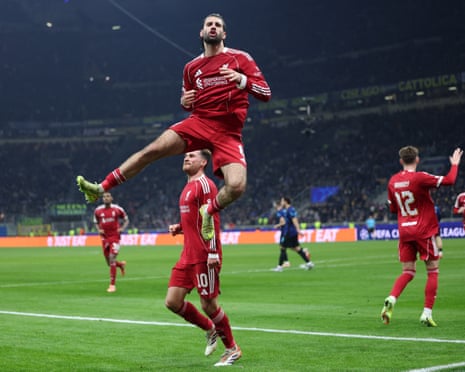
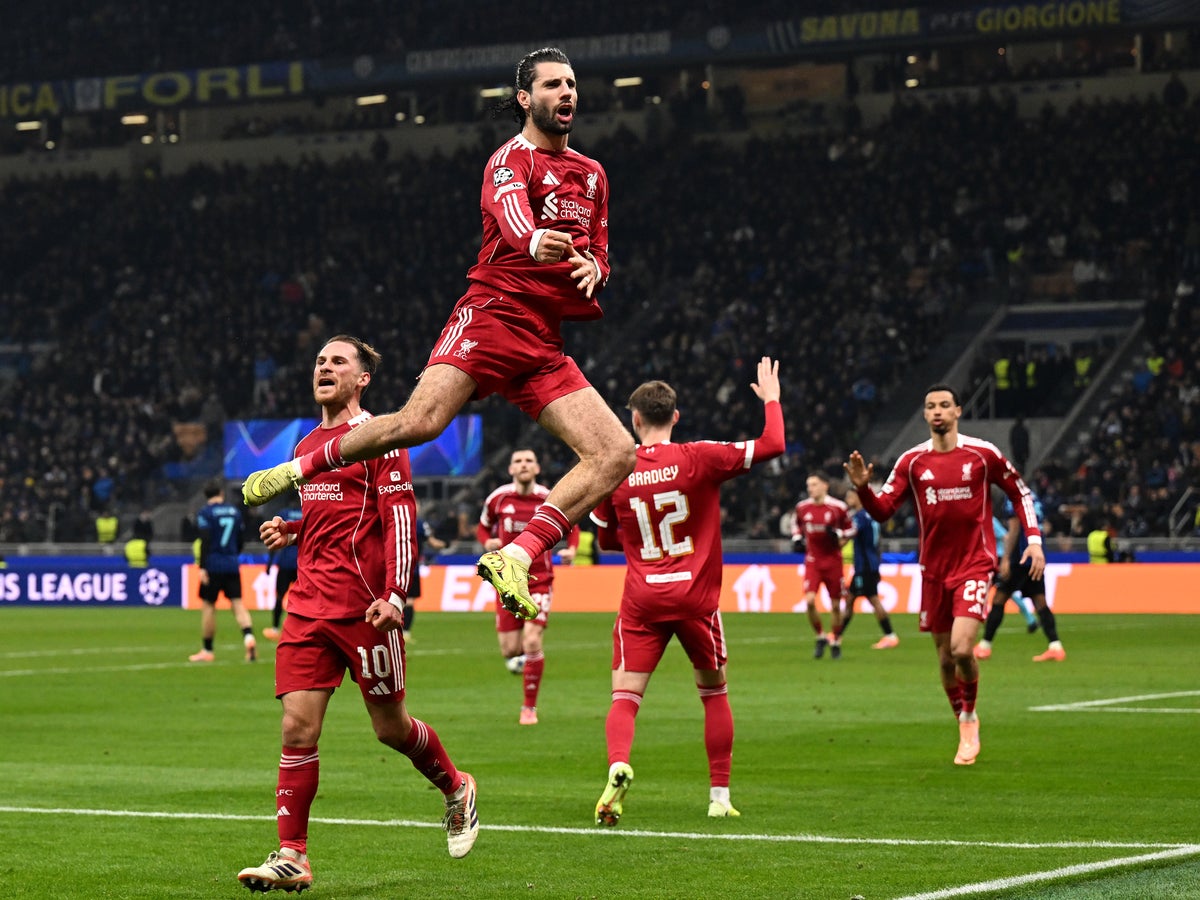
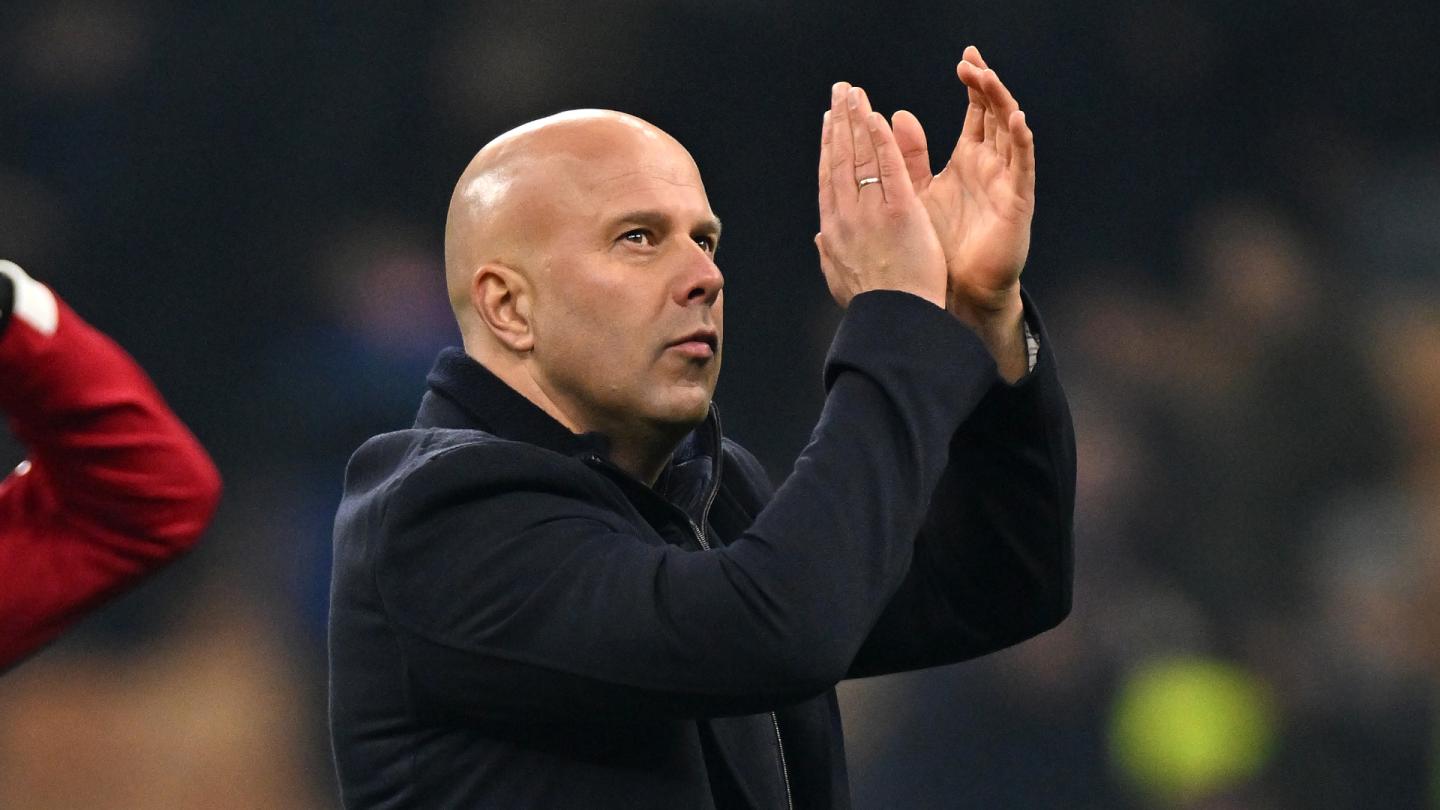
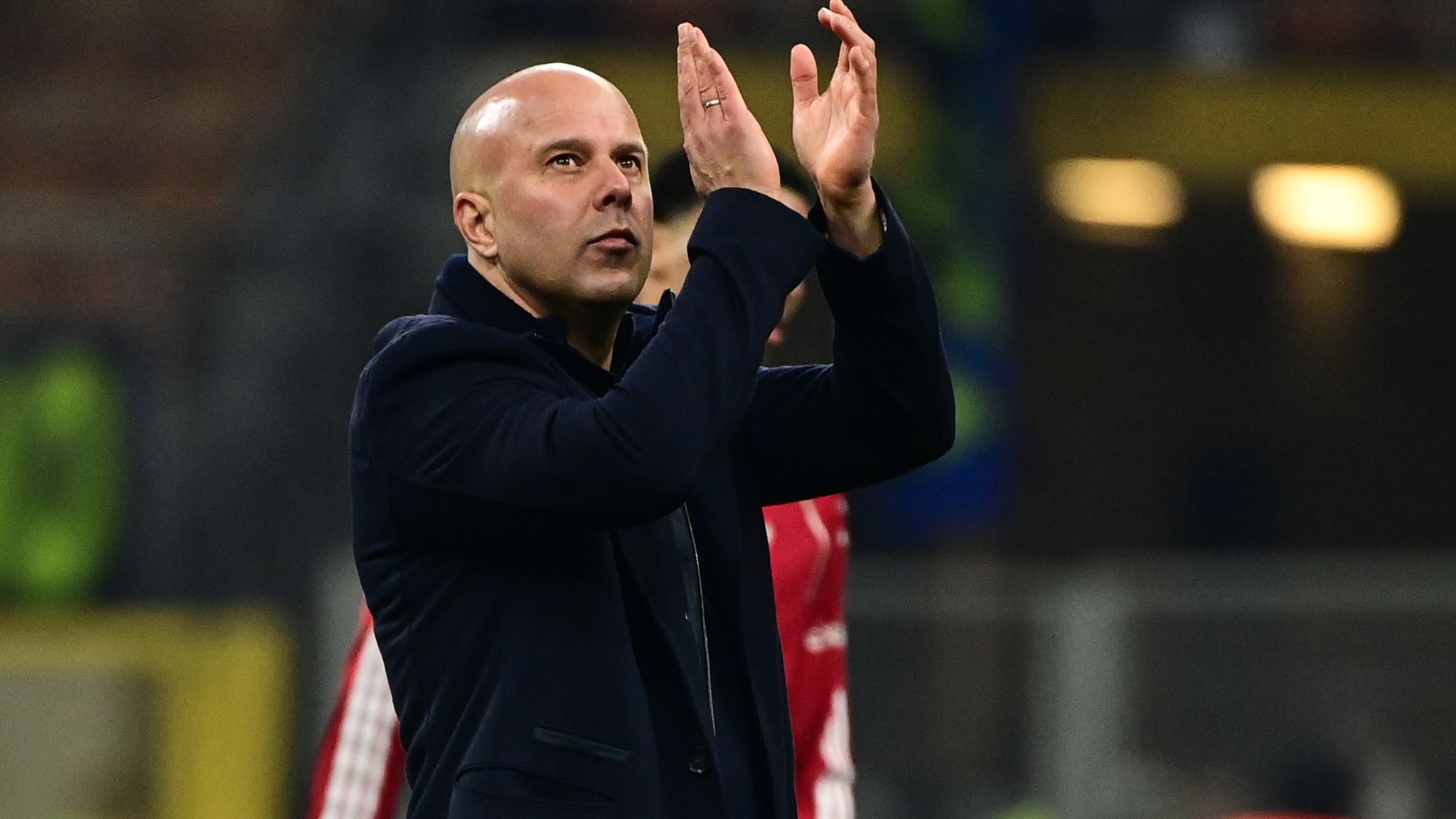
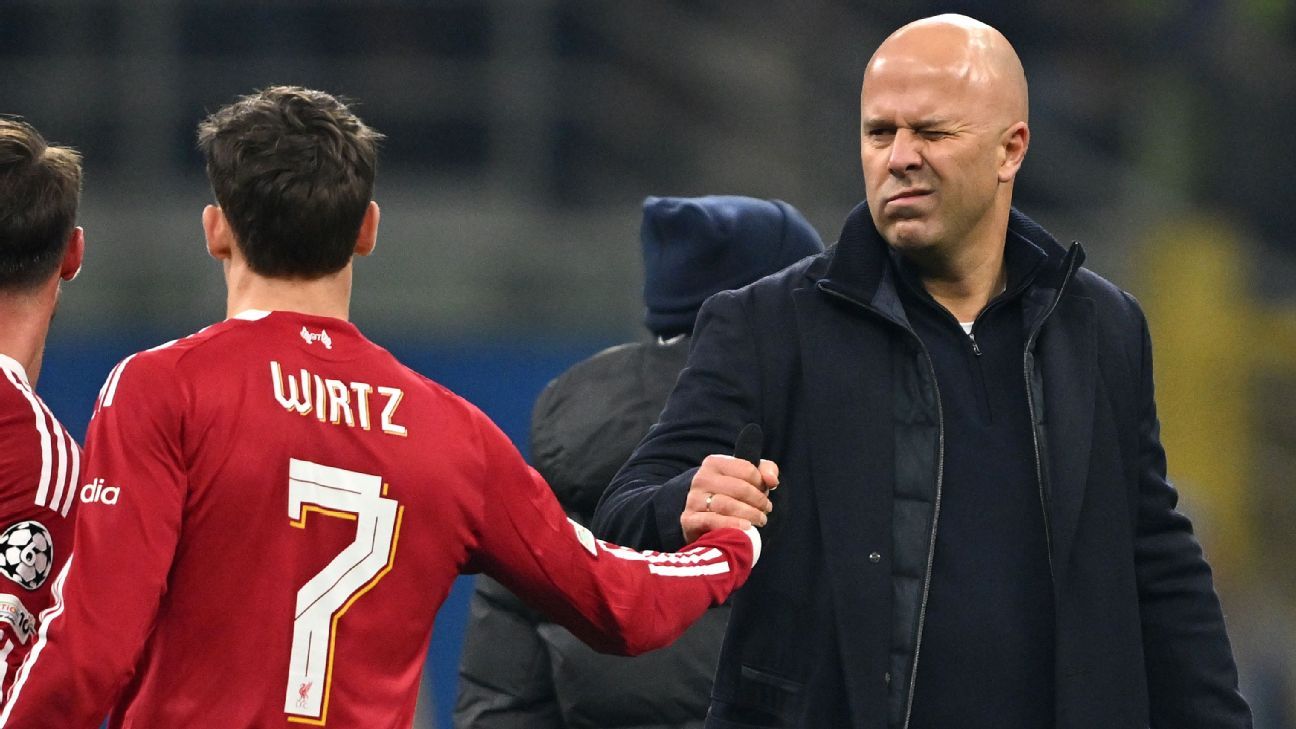
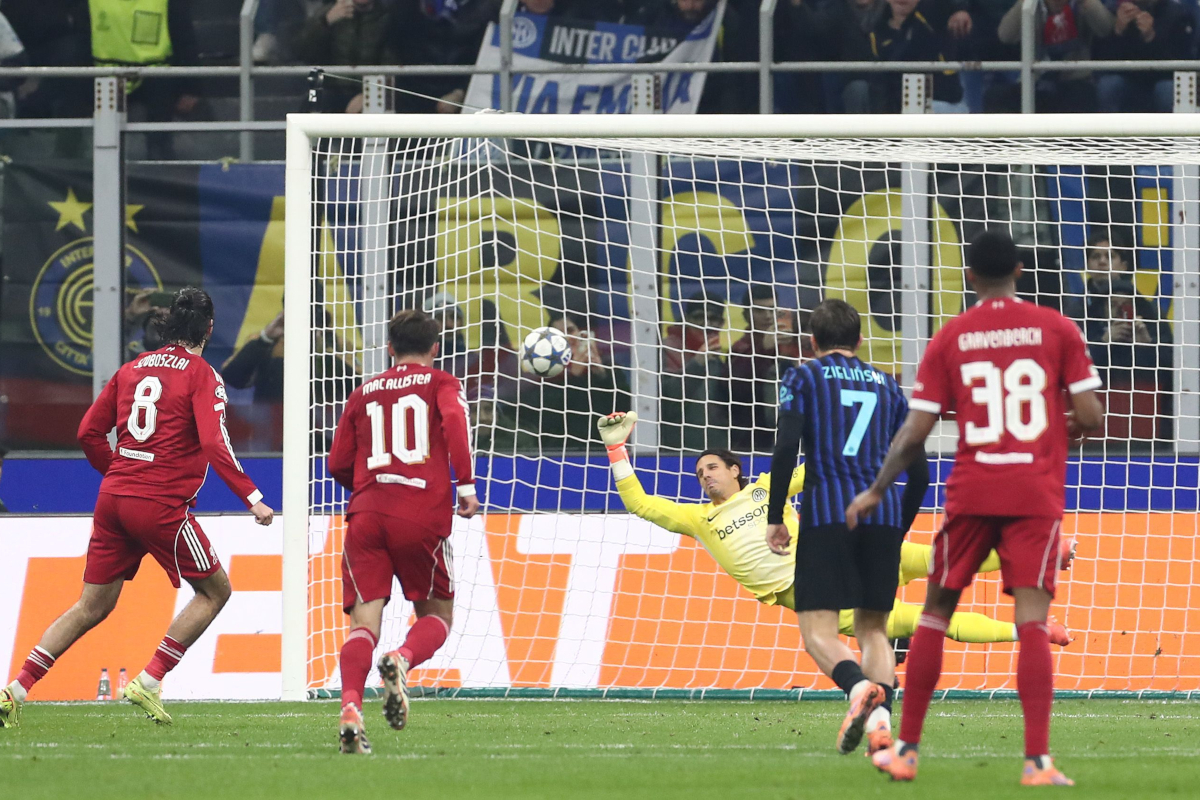
The match's defining moment—a controversial late penalty converted by Szoboszlai—highlights the razor-thin margins in elite football. Despite the soft penalty decision, Slot's composed response suggests a leadership approach focused on momentum and psychological resilience rather than external controversies. This ability to maintain composure under intense scrutiny is a hallmark of successful teams navigating high-pressure environments.
The forward partnership of Alexander Isak and Hugo Ekitike, while not perfectly synchronized, showed promising signs of potential collaboration. Ekitike's impressive first-half performance, characterized by strong hold-up play and ball-carrying abilities, indicates the team's ongoing evolution and talent development strategy.
Ultimately, this match represents more than just a sporting event—it's a microcosm of organizational adaptability. Liverpool's ability to secure a victory under challenging circumstances, without key player Salah, demonstrates the team's strategic depth and mental fortitude. The disciplined display suggests potential for improvement and renewed team cohesion, positioning them as a resilient competitor in high-stakes European competitions.
Questions 3
What does this match reveal about Liverpool's current team dynamics?
The match highlights Liverpool's organizational depth and adaptability. By performing effectively without a key player like Salah and maintaining composure under controversial circumstances, the team demonstrated psychological resilience, tactical intelligence, and potential for continued improvement in high-stakes competitions.
What challenges did Liverpool face during this Champions League match?
Liverpool confronted multiple challenges, including Mohamed Salah's absence, a controversial late penalty decision, and the pressure of maintaining performance consistency. Despite these obstacles, the team showcased resilience by securing a narrow 1-0 victory through strategic adaptation and midfield control.