




Meta Abandons Metaverse Vision | $80B Reality Labs Pivot to AI Reshapes E-Commerce Strategy
- Meta shifts $51B+ annual losses from VR to AI infrastructure; sellers lose metaverse commerce opportunities but gain AI-powered advertising tools; mobile-first strategy signals end of immersive shopping experiments
























/ciol/media/media_files/2026/03/20/meta-vr-exit-2026-03-20-19-52-05.png)






Overview
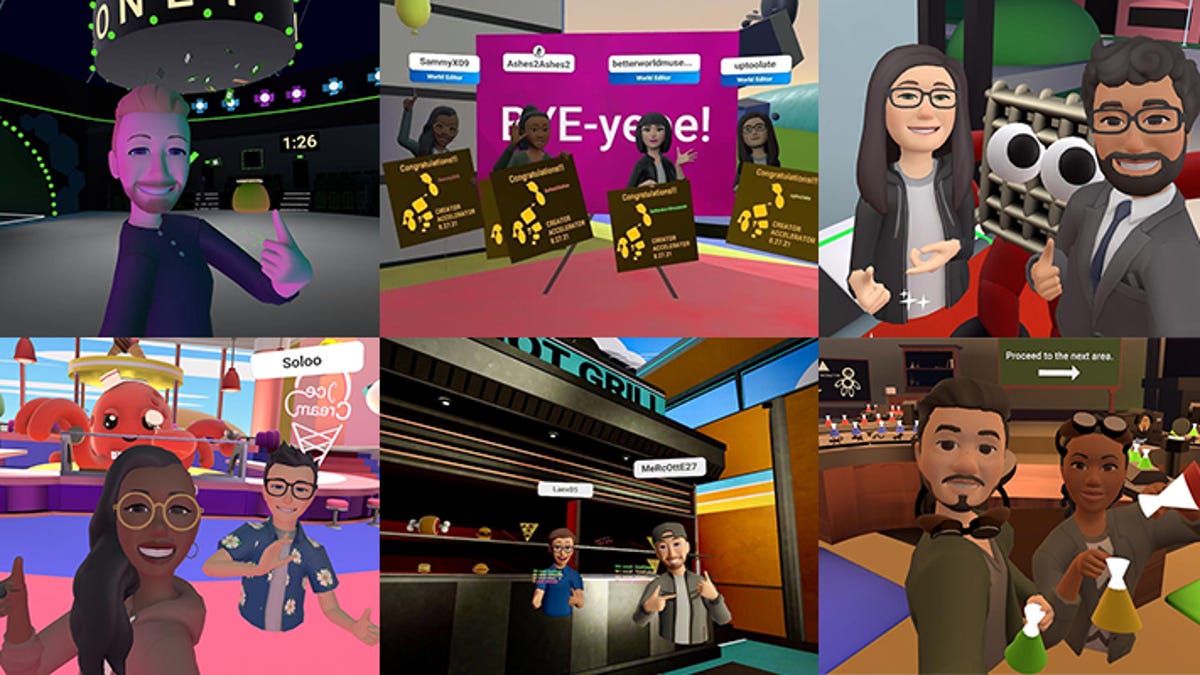
Meta's strategic collapse of its metaverse ambitions represents a fundamental recalibration of the company's e-commerce and advertising infrastructure. On March 19, 2026, Meta CTO Andrew Bosworth announced the reversal of Horizon Worlds VR platform discontinuation following user backlash, yet this reversal masks a deeper strategic pivot: Meta is reallocating billions from immersive virtual commerce toward artificial intelligence and traditional e-commerce integrations. The company's Reality Labs division accumulated $80 billion in cumulative losses, with $51 billion lost in 2025 alone—losses that extend beyond metaverse development to encompass Quest VR headsets, Ray-Ban AI glasses, and AR hardware projects. Horizon Worlds never exceeded a few hundred thousand monthly active users, vastly underperforming Roblox's 100+ million daily active users, signaling fundamental market rejection of Meta's VR-first commerce vision.
For cross-border e-commerce sellers, this pivot eliminates the promised metaverse shopping environments Meta had promoted since 2021 while simultaneously redirecting massive capital toward AI-powered advertising and commerce tools. The shift from VR-exclusive experiences to mobile-first development reflects market reality: consumer and creator energy has migrated to traditional mobile platforms where conversion rates and user engagement remain superior. Meta's mobile Horizon Engine, launched in 2023 and replacing Horizon Unity in September 2025, delivers improved performance and larger audience capacity—indicating Meta's acknowledgment that sustainable commerce operates through smartphones, not headsets. This represents a critical inflection point for sellers who invested in metaverse strategies or anticipated virtual showrooms: those opportunities are effectively closed, but Meta's renewed focus on AI infrastructure suggests enhanced advertising capabilities through machine learning-driven targeting, dynamic pricing optimization, and predictive consumer behavior modeling.
The broader strategic motivation reveals Zuckerberg's persistent pursuit of platform independence from Apple and Google. Both metaverse and AI initiatives share the same underlying goal: building proprietary ecosystems that reduce reliance on third-party operating systems. While the metaverse strategy aimed to replace smartphones with VR headsets, the AI-first pivot pursues the same objective through new interfaces and devices powered by Meta's proprietary models. This signals sellers should expect: (1) enhanced AI-driven advertising tools within Facebook/Instagram ecosystems, (2) continued investment in Ray-Ban smart glasses as alternative distribution channels, (3) potential new commerce interfaces powered by AI assistants rather than traditional storefronts, and (4) deprecation of experimental immersive commerce features. The metaverse's failure underscores critical market validation principles: consumer adoption requires compelling use cases beyond novelty, and platform shifts demand organic user migration rather than corporate mandate. Sellers who diversified away from metaverse-dependent strategies avoided significant opportunity costs; those who maintained traditional mobile-first approaches on Meta platforms positioned themselves to benefit from AI infrastructure investments.
Questions 8
When will Meta's AI-powered commerce tools become available for sellers?
Meta has not announced specific timelines for new AI-powered commerce features, but the company's massive capital reallocation from Reality Labs toward AI infrastructure suggests accelerated development cycles. Meta's CTO Andrew Bosworth stated that most consumer and creator energy has already migrated to mobile platforms, indicating Meta will prioritize mobile-first AI tools over new immersive experiences. Sellers should expect: (1) enhanced AI-driven audience targeting within Facebook/Instagram Ads Manager in 2026-2027, (2) dynamic pricing optimization tools powered by machine learning, (3) AI-assisted product listing optimization, and (4) potential new shopping interfaces powered by conversational AI. Immediate action: monitor Meta's business blog and Seller Central announcements for AI feature releases, and begin testing AI-powered ad campaigns within existing Facebook/Instagram platforms to establish baseline performance metrics before new tools launch.
What does Horizon Worlds' failure compared to Roblox reveal about VR commerce adoption?
Horizon Worlds never exceeded a few hundred thousand monthly active users while Roblox maintains over 100 million daily active users—a 200x+ engagement gap that reveals fundamental market rejection of Meta's VR-first commerce vision. This disparity indicates consumers prefer established platforms with diverse content ecosystems (Roblox's gaming focus) over corporate-controlled virtual worlds designed primarily for commerce. The failure reflects broader VR adoption challenges: high hardware costs, limited compelling use cases beyond gaming, and user preference for established mobile platforms. For sellers, this demonstrates that immersive commerce requires organic community adoption and diverse use cases, not corporate mandate. The lesson: platform shifts succeed through genuine user migration (mobile-first), not technological novelty. Sellers should prioritize channels with proven user engagement metrics rather than experimental immersive technologies.