





Iran War Triggers Energy Crisis | Shipping Costs Surge 15-50% for Cross-Border Sellers
- Oil prices spike 50% amid Strait of Hormuz disruptions; logistics costs escalate for Asia-sourcing sellers; market recovery window opens within 3-7 weeks based on historical geopolitical patterns



























Overview
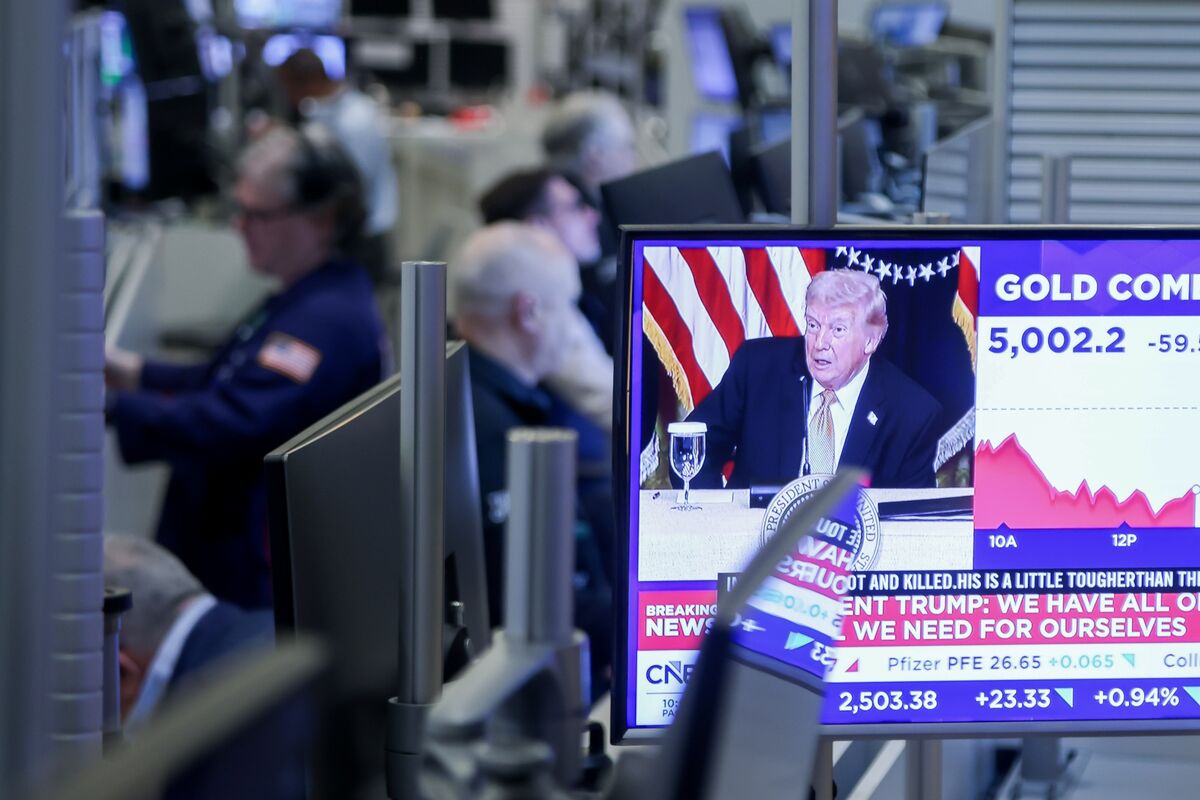
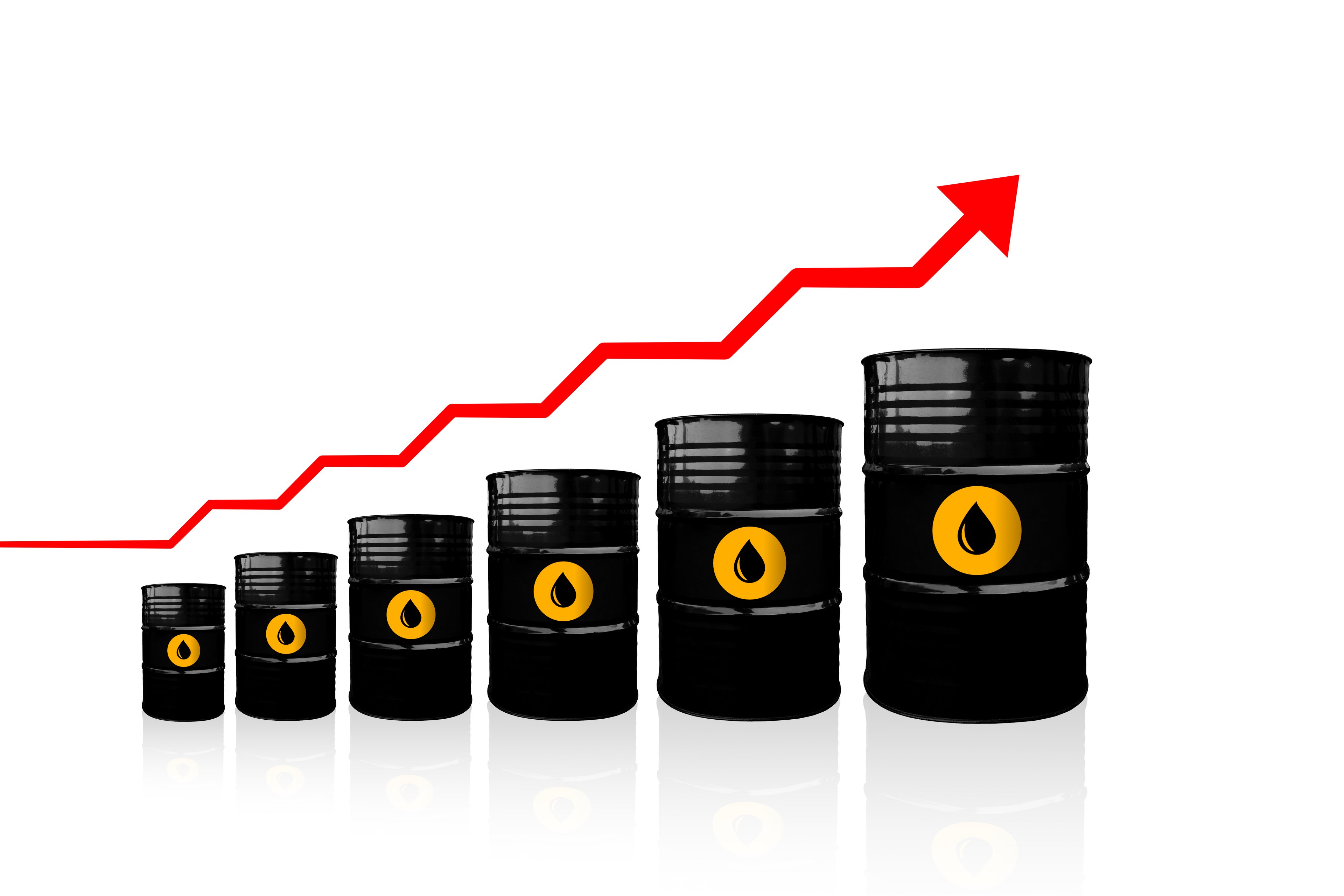
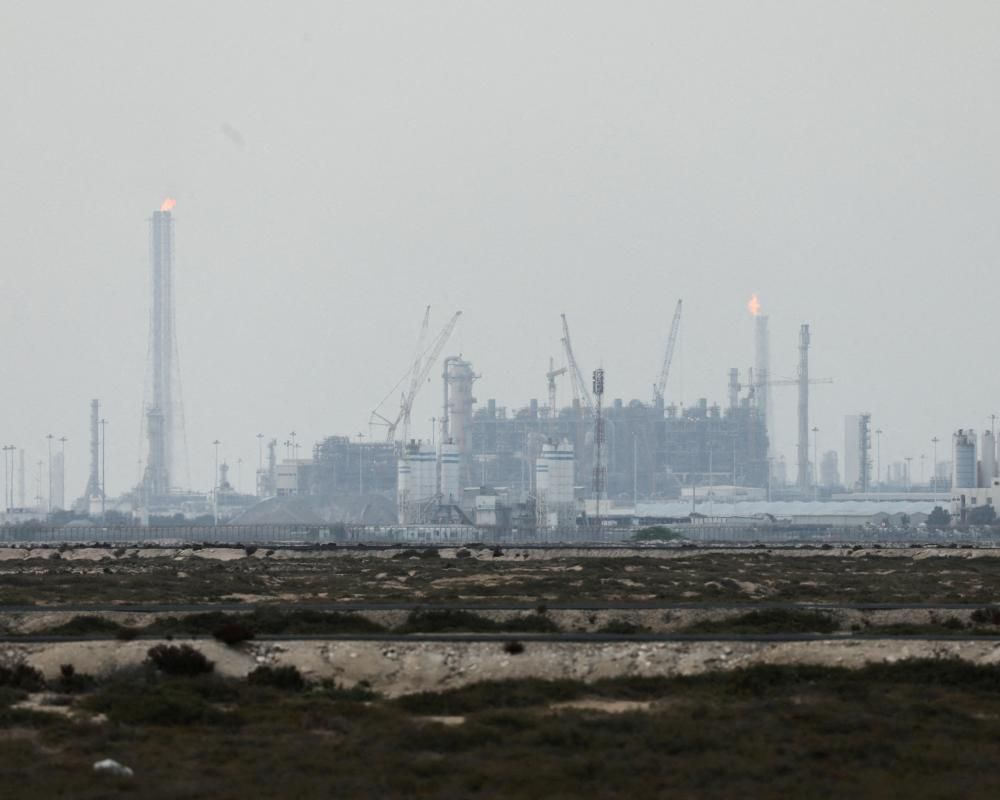
The March 2026 Iran conflict has created unprecedented disruption to global energy infrastructure, with Qatar shutting down gas production and Middle East oil facilities sustaining damage. This geopolitical crisis directly impacts cross-border e-commerce sellers through multiple operational channels. Oil prices have surged nearly 50% since conflict onset, with Brent crude experiencing extreme volatility. For sellers relying on international shipping, this translates to immediate cost pressures: freight forwarding expenses, last-mile delivery charges, and 3PL fulfillment costs are escalating 15-50% depending on shipping routes and carrier fuel surcharges.
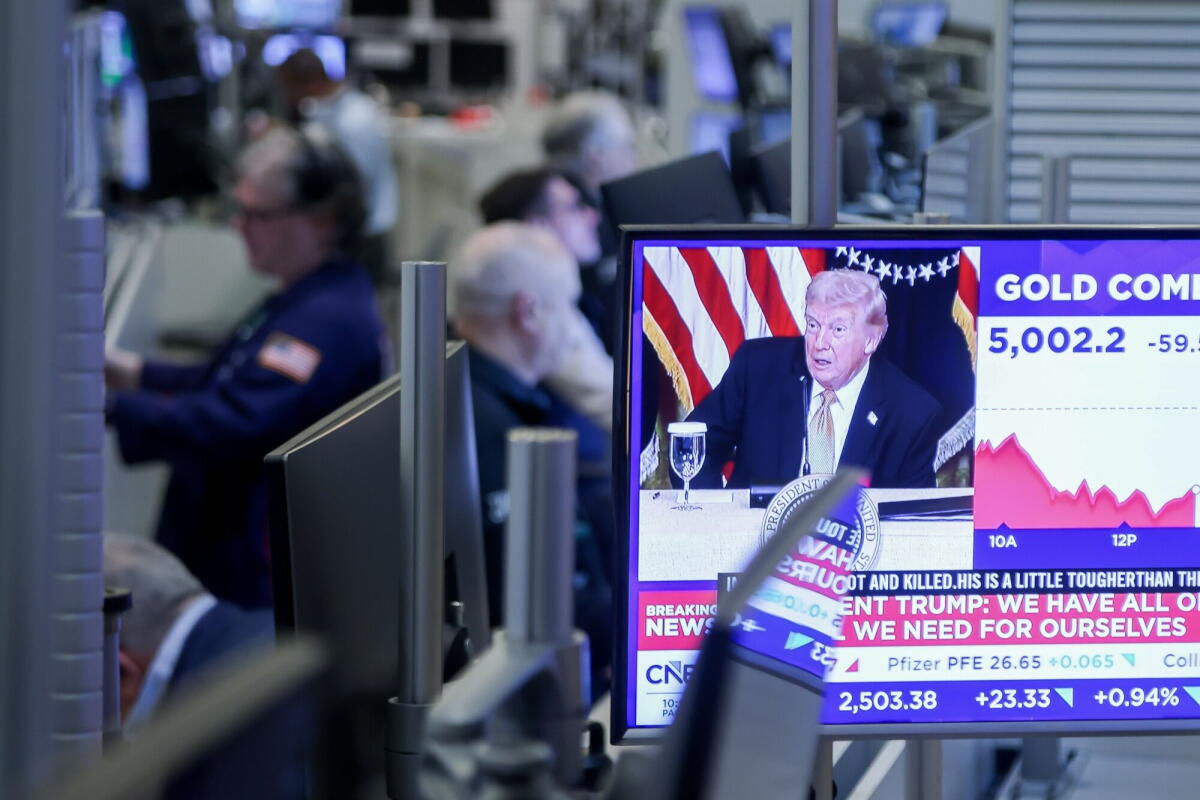
Supply chain financing constraints compound the crisis. Treasury yields have risen sharply while traditional safe-haven assets (gold, Treasurys) have declined, indicating broader financial stress. Sellers face tightened access to working capital and credit lines precisely when inventory replenishment becomes more expensive. The Strait of Hormuz—through which 20% of global oil and liquefied natural gas flows—faces unprecedented disruption risk. Sellers sourcing from Asia or Middle East suppliers face inventory replenishment delays of 2-4 weeks as shipping routes divert and logistics networks absorb capacity constraints.
Currency volatility compounds margin compression. Market turmoil has strengthened the U.S. dollar notably in March, creating headwinds for sellers with international pricing strategies. Cross-border transactions face 5-12% currency fluctuations, directly reducing profit margins on sales denominated in EUR, GBP, JPY, or CNY. Consumer spending patterns typically contract during financial stress periods, reducing demand for discretionary goods—a critical concern for sellers in apparel, electronics, home goods, and luxury categories.
However, historical precedent suggests near-term stabilization. Deutsche Bank strategist Jim Reid's analysis of 30 major geopolitical events shows the S&P 500 typically bottoms approximately three weeks post-shock, with median returns recovering to pre-shock levels by day 34 (seven weeks). Markets are currently approaching this critical three-week window (as of March 20, 2026). Variant Perception identifies peak uncertainty occurring within days, suggesting a market inflection point is imminent. A significant catalyst may emerge if China—which sources 30% of its liquefied natural gas from Qatar—coordinates with the U.S. on conflict resolution. Historical precedent exists: Trump's April 25 announcement of discussions with Chinese President Xi Jinping previously calmed markets during tariff turmoil.
Critical seller imperative: Avoid panic-driven decisions. Wall Street Journal analysis warns against reactive financial decision-making during crises. Financial service providers aggressively market expensive, fee-heavy solutions during uncertainty—specialized funds, alternative assets, proprietary trading algorithms—all positioned as crisis hedges. Sellers should resist pressure to implement untested operational changes or expensive service upgrades without thorough cost-benefit analysis. Maintain disciplined inventory planning and pricing strategies, assuming conflict resolution within weeks rather than months-long escalation.
Questions 7
What should I do to prepare for market stabilization and recovery?
Historical precedent shows markets typically recover to pre-shock levels within 7 weeks of geopolitical events. Prepare now for the recovery window by: (1) Maintaining disciplined inventory planning—avoid panic liquidation at crisis-peak discounts; (2) Locking in supplier commitments for post-recovery demand surge (typically 15-25% above pre-crisis levels as pent-up demand releases); (3) Monitoring official statements regarding Iran conflict resolution and U.S.-China cooperation—these serve as market catalysts; (4) Planning pricing adjustments for when fuel surcharges normalize (expect 20-30% shipping cost reductions); (5) Building cash reserves now to capitalize on post-recovery inventory opportunities. Avoid reactive operational changes or expensive service upgrades marketed as crisis solutions. The recovery window typically opens 3-4 weeks post-shock, so position your business to capitalize on normalized costs and renewed consumer demand by late April 2026.
How can I access working capital when credit markets are tightening?
Financial stress during geopolitical crises tightens credit availability and increases borrowing costs. Treasury yields have risen sharply while traditional safe-haven assets have declined, indicating broader financial stress constraining seller access to working capital. Avoid expensive crisis-marketed financing solutions promoted by financial service providers—these typically carry premium fees and untested terms. Instead, prioritize established credit lines: Amazon Seller Financing, Shopify Capital, and traditional bank lines of credit established before the crisis. If you need immediate liquidity, consider inventory optimization—reduce SKU count to free up cash tied in slow-moving inventory. Negotiate extended payment terms with suppliers (30-45 days instead of 15-30 days) to improve cash flow without borrowing. Expect credit costs to normalize within 3-7 weeks as geopolitical tensions ease and markets stabilize.