





Geopolitical Supply Chain Crisis Crushes Small E-Commerce Sellers | Tariffs + Oil Shock
- Iran conflict triggers 40% oil surge, 17% shipping fee increases, and dual-cost squeeze threatening small business viability within 60 days








































Overview
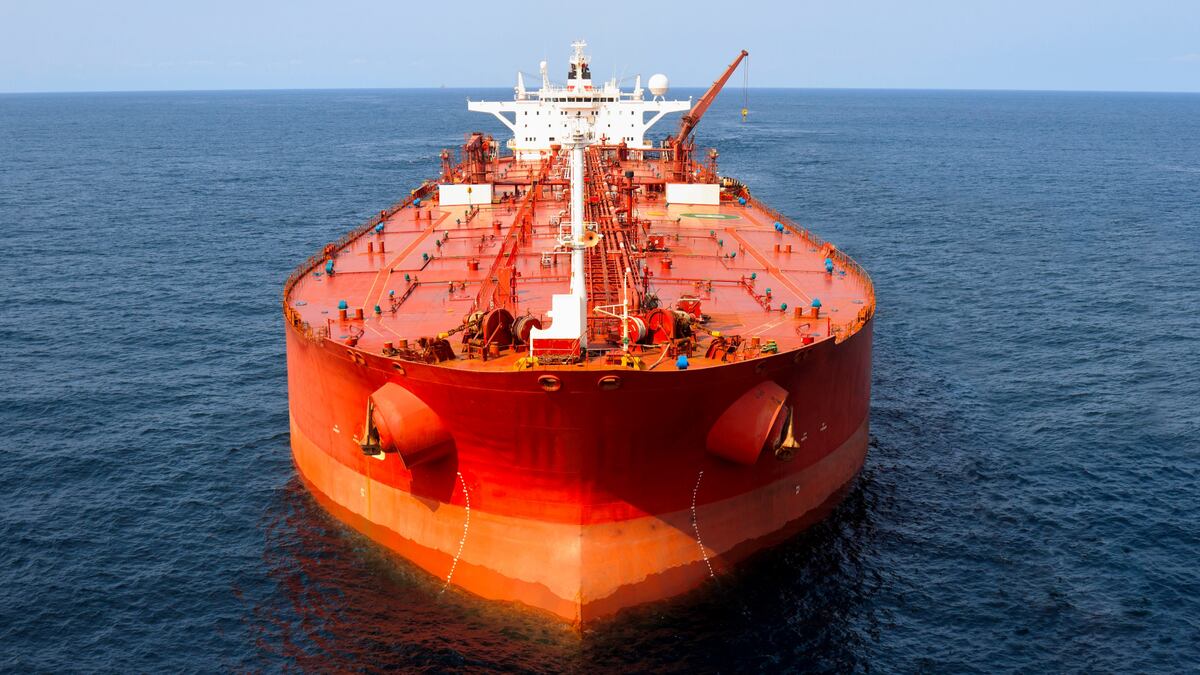
The convergence of tariff pressures and geopolitical supply chain disruption has created an unprecedented operational crisis for small e-commerce sellers. Following the Iran-Israel conflict on February 28, 2026, global oil prices surged over 40%—with Brent crude jumping from $70 to $108.84 per barrel by March 20, 2026—directly impacting cross-border e-commerce logistics and consumer pricing. The Strait of Hormuz closure, through which 20% of global oil supply flows, triggered immediate cascading costs: Maersk halted all vessel crossings, 147 container ships became stranded in the Persian Gulf, and fuel surcharges as a portion of shipping fees climbed 17% in just three weeks according to ShipMatrix data. U.S. gas prices reached $3.92 per gallon by March 20—up 29 cents weekly and nearly $1 from February 20—while red diesel for agricultural equipment hit $4.73 per gallon, the highest level in 25 years.
Small businesses lack the financial reserves to absorb these compounding cost increases. Travis Maderia, cofounder of Lobster Boys (a direct-to-consumer seafood seller), reported that fishermen in Nova Scotia face gas price increases of 60 cents per liter (over $2 per gallon), forcing his company to pay $17 per pound for lobster compared to the typical $13-14 range. These cost increases cascade through supply chains as small businesses pass higher prices to restaurants and retailers, who subsequently reduce orders due to customer demand decline. Brett Massimino, associate professor at Virginia Commonwealth University's business school and chair of supply chain management, emphasizes that small businesses face a critical dilemma: expedite delayed shipments at premium rates or manage inventory shortages. Industry experts project that if the conflict persists, small businesses could experience severe effects within two months as operational reserves deplete and contract renewals occur at elevated prices.
Low-margin retailers face the greatest pressure, with specific seller segments identified as vulnerable. Logistics expert Satish Jindel identified Dollar Tree, Family Dollar, Marshalls, and TJ Maxx as particularly vulnerable due to insufficient margins to absorb shipping cost increases. For online sellers, the impact manifests through rising shipping fees and potential free-shipping threshold increases. Jindel noted that consumers expect free delivery and will abandon carts at even $5 shipping charges, forcing retailers to raise minimum purchase requirements rather than display shipping costs transparently. The dual-cost squeeze—tariffs on goods from China, Canada, Mexico, and the European Union combined with energy price volatility—creates unprecedented operational challenges for smaller enterprises with limited financial buffers. Consumers are responding by shifting purchasing patterns toward bulk retailers like Costco seeking better pricing, directly reducing order volumes for traditional e-commerce sellers. Agricultural product sellers face additional pressure from 30% global urea fertilizer supply disruption, affecting input costs for sourced products. The situation underscores vulnerability in supply chains dependent on stable energy costs and tariff predictability, with cross-border e-commerce sellers signaling potential increases in logistics costs, supplier pricing, and overall cost of goods sold throughout 2026.
Questions 8
How are consumers responding to higher shipping costs and product prices?
Consumers expect free delivery and will abandon shopping carts at even $5 shipping charges, forcing retailers to raise minimum purchase requirements rather than display shipping costs transparently. Consumers are responding by shifting purchasing patterns toward bulk retailers like Costco seeking better pricing, directly reducing order volumes for traditional e-commerce sellers. This consumer behavior shift creates competitive pressure for smaller sellers who cannot match bulk retailer pricing or absorb shipping costs. Sellers must strategically adjust free-shipping thresholds and product bundling to maintain conversion rates while protecting margins.
What is the timeline for severe operational impacts on small e-commerce businesses?
Industry experts project that if the conflict persists, small businesses could experience severe effects within two months (by late May 2026) as operational reserves deplete and contract renewals occur at elevated prices. The immediate 60-day window represents a critical decision point for sellers to adjust pricing, inventory levels, and supplier relationships. Brett Massimino, associate professor at Virginia Commonwealth University's business school, emphasizes that small businesses face a critical dilemma: expedite delayed shipments at premium rates or manage inventory shortages. This timeline creates urgency for sellers to implement cost mitigation strategies before May 2026.