
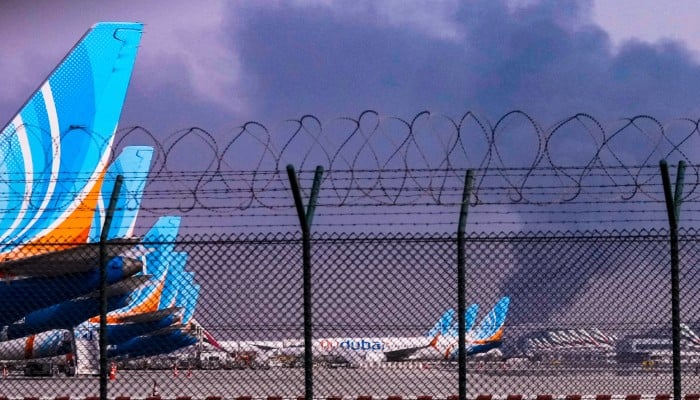


Jet Fuel Surge 82% | Air Freight Costs Spike, Reshaping Cross-Border Seller Logistics Strategy
- Middle East airspace closure since Feb 28, 2026 drives $175/barrel fuel costs, $110+ flight surcharges, and 90-minute routing delays affecting international sellers' shipping expenses and delivery timelines through Q2 2026


















Overview
The Middle East airspace disruption since February 28, 2026, has triggered an unprecedented 82% surge in jet fuel prices to $175 per barrel, directly impacting cross-border e-commerce sellers' logistics costs and delivery timelines. Major international carriers including Emirates (operating at 50% capacity), Cathay Pacific, British Airways, and Air India have implemented fuel surcharges up to $110-£110 per flight, with some carriers hedging costs through advance purchases that will extend pricing impacts into 2027. For cross-border sellers relying on air freight for time-sensitive shipments—particularly those serving Asia-Europe, US-Asia, and Europe-Australia corridors—operational costs are rising 8-15% immediately, with full surcharge absorption potentially extending through Q2 2026.
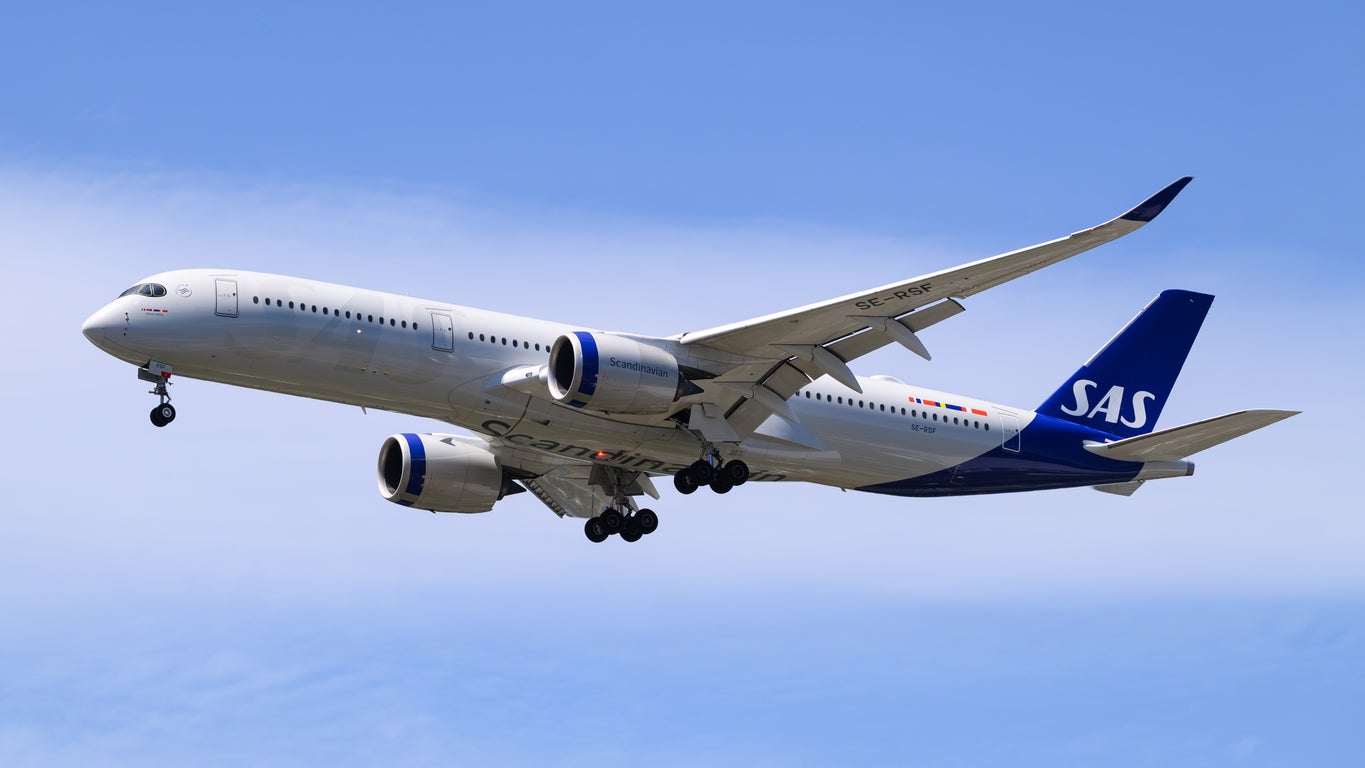
The logistics impact manifests across three critical dimensions for sellers. First, air freight expenses have surged as carriers implement fuel surcharges on all international routes. Sellers shipping electronics, fashion, and perishables via air freight face 12-18% cost increases on per-unit shipping rates. Second, delivery timelines have extended by 90+ minutes as airlines reroute flights through alternative corridors (northern Caucasus via Georgia/Armenia/Azerbaijan or southern corridor via Egypt/Saudi Arabia/Oman) to avoid Middle Eastern airspace. This creates fulfillment delays that compress seller margins on time-sensitive categories like seasonal goods, fashion, and consumer electronics. Third, capacity constraints are forcing sellers to choose between higher-cost air freight or slower ocean shipping, fundamentally altering supply chain economics. Emirates' 50% capacity reduction and Scandinavian Airlines' 1,000-flight cancellation in April signal sustained operational pressure through Q2 2026.
However, the disruption creates strategic opportunities for agile sellers. Airlines have simultaneously redirected capacity to alternative routes: British Airways added 40+ Europe-Singapore services in March, Air India deployed 10,000 additional seats on Delhi-London/Toronto/Frankfurt routes, and Air France expanded Asia capacity. This capacity reallocation creates windows for sellers to negotiate better rates on emerging routes while avoiding congested traditional hubs. Consumer travel demand patterns reveal significant shifts—Maldives searches up 32%, Mauritius up 42%, Mexico and Caribbean bookings surging, and European bookings to Italy/France/Germany up 40% year-on-year. These demand shifts signal opportunities for sellers in travel accessories, leisure apparel, destination-specific merchandise, and tourism-related products. Airlines' long-term expansion announcements (British Airways 9% network growth, new routes to Melbourne and Colombo by January 2027, Turkish Airlines' Istanbul-Stansted service) indicate confidence in eventual normalization, suggesting the current disruption is temporary rather than structural. Sellers should view this as a 4-6 month window to optimize logistics networks before capacity normalizes and pricing stabilizes.
Questions 8
Which shipping routes are most affected by the Middle East crisis?
Asia-Europe, US-Asia, and Europe-Australia routes are most severely impacted due to Middle Eastern hub disruptions. Emirates operates at 50% capacity, Scandinavian Airlines cancelled 1,000 flights in April, and British Airways/KLM/airBaltic suspended Dubai services until October. However, airlines have added 40+ Europe-Singapore services and 10,000 additional seats on Delhi-London/Toronto/Frankfurt routes, creating alternative capacity. Sellers should shift time-sensitive shipments to emerging routes (Singapore-Europe, Delhi-Europe) where capacity is expanding, while avoiding traditional Middle Eastern hubs. Ocean freight remains viable for non-urgent shipments, offering 30-40% cost savings versus air freight despite 4-6 week delays.
Will delivery times increase for my international shipments?
Yes, delivery times are increasing by 90+ minutes for long-haul routes as airlines reroute flights through alternative corridors (northern Caucasus via Georgia/Armenia/Azerbaijan or southern corridor via Egypt/Saudi Arabia/Oman) to avoid Middle Eastern airspace. For Asia-Europe routes, this adds 1.5+ hours to transit times, which compounds with ground handling delays at alternative hubs. British Airways, KLM, and airBaltic have suspended Dubai services until late October, eliminating a major connection hub. Sellers should communicate revised delivery estimates to customers immediately and consider adjusting fulfillment promises on Amazon, eBay, and Shopify to reflect extended timelines through Q2 2026.