
Gaming Hardware Compatibility Crisis | Intel Arc Exclusion & Platform Fragmentation Impact 2025
- Pearl Abyss' Crimson Desert blocks Intel Arc GPUs affecting tens of millions users; 120GB Xbox patches & Xbox App failures create fragmented launch experience across Steam, PlayStation, Xbox platforms











Overview
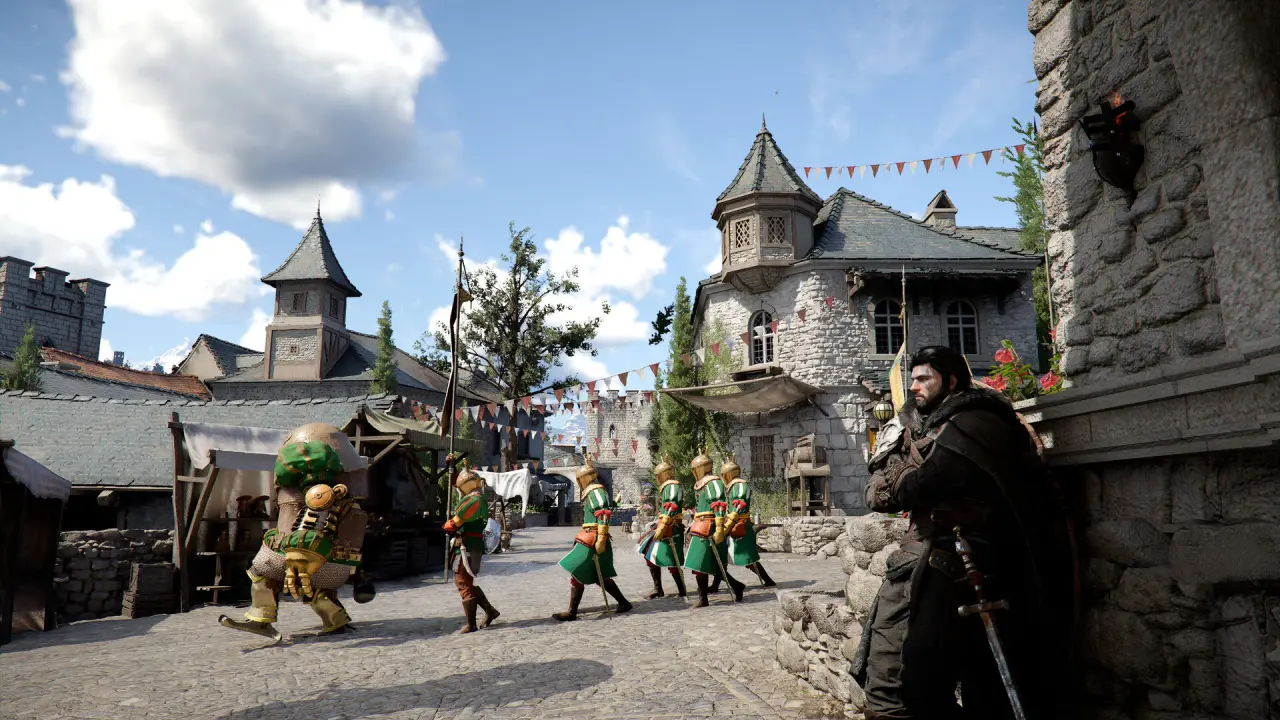
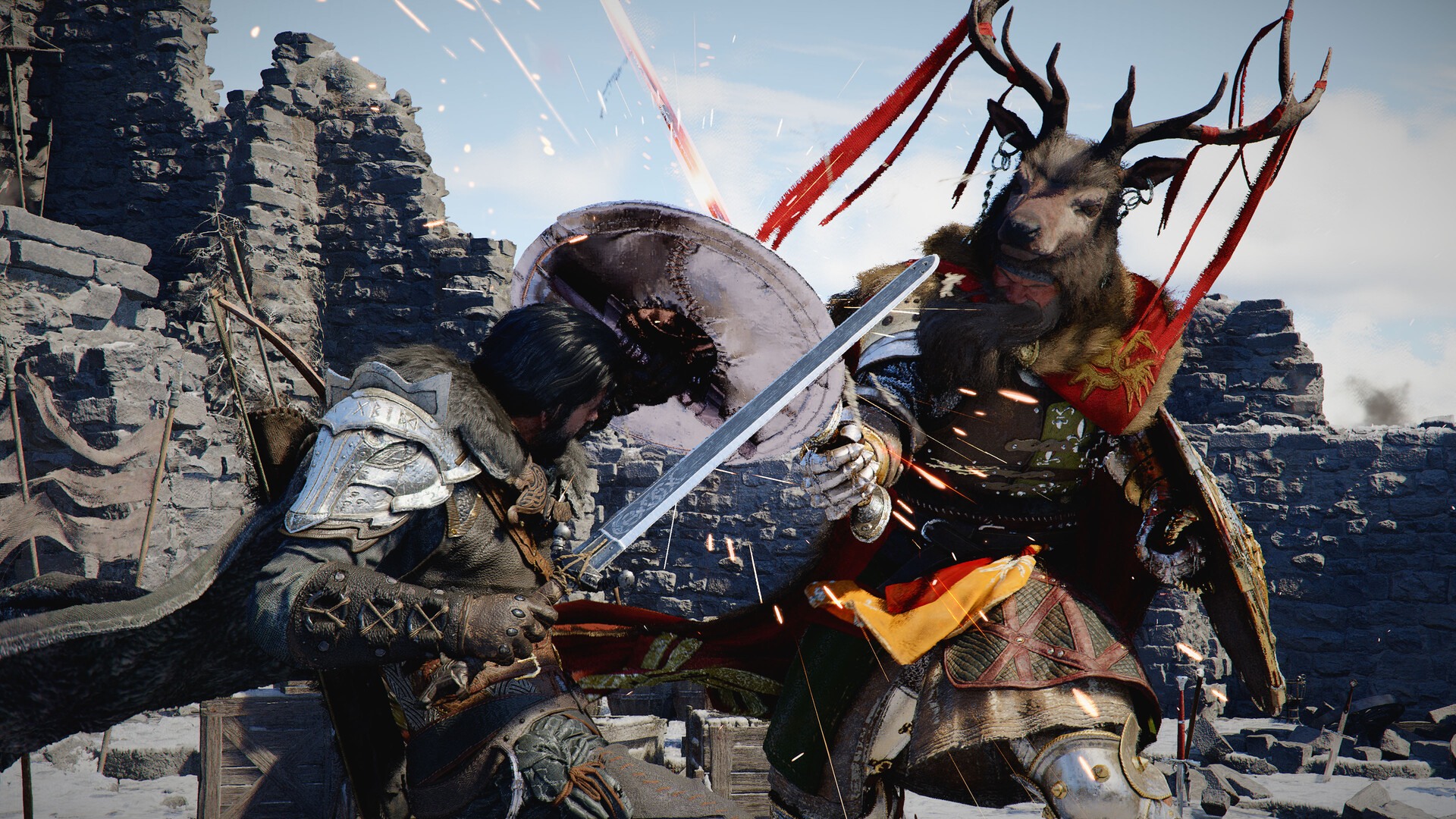
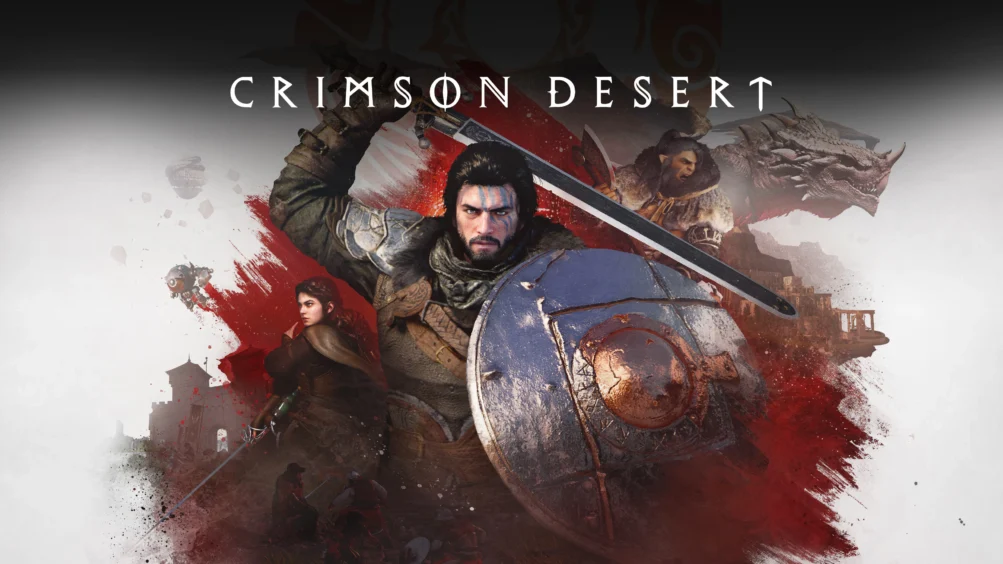
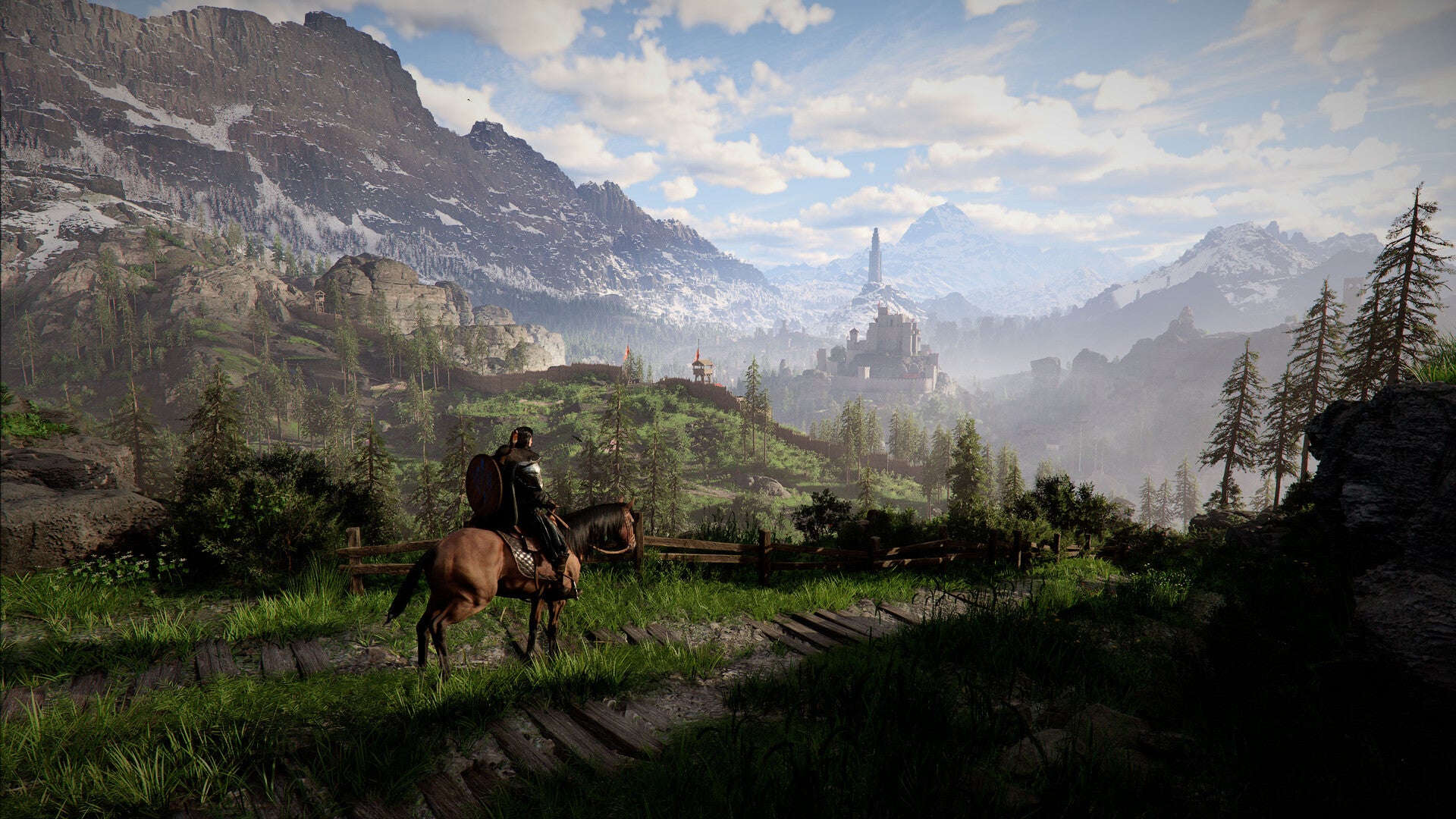
The Crimson Desert launch represents a critical case study in hardware compatibility failures and platform fragmentation that directly impacts e-commerce sellers in gaming peripherals, PC components, and gaming accessories. Pearl Abyss' highly anticipated open-world title—currently the most popular game on Steam—has created a perfect storm of technical failures: Intel Arc GPU incompatibility affecting tens of millions of users, Xbox App launch failures on PC, and 120GB day-one patches forcing complete game redownloads on Xbox Series X|S. This fragmented launch experience reveals systemic weaknesses in pre-launch testing and cross-platform quality assurance that sellers must understand.
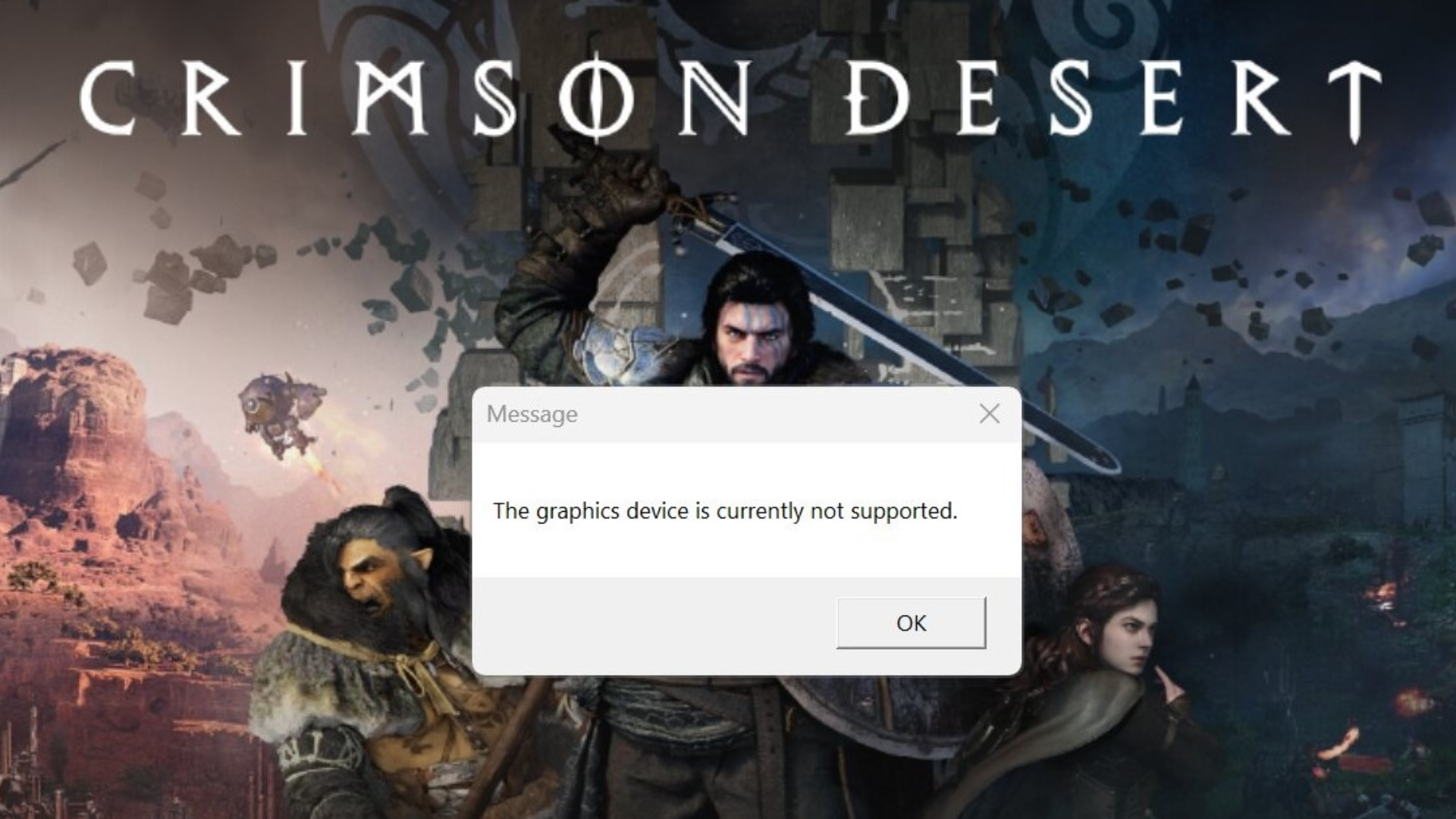
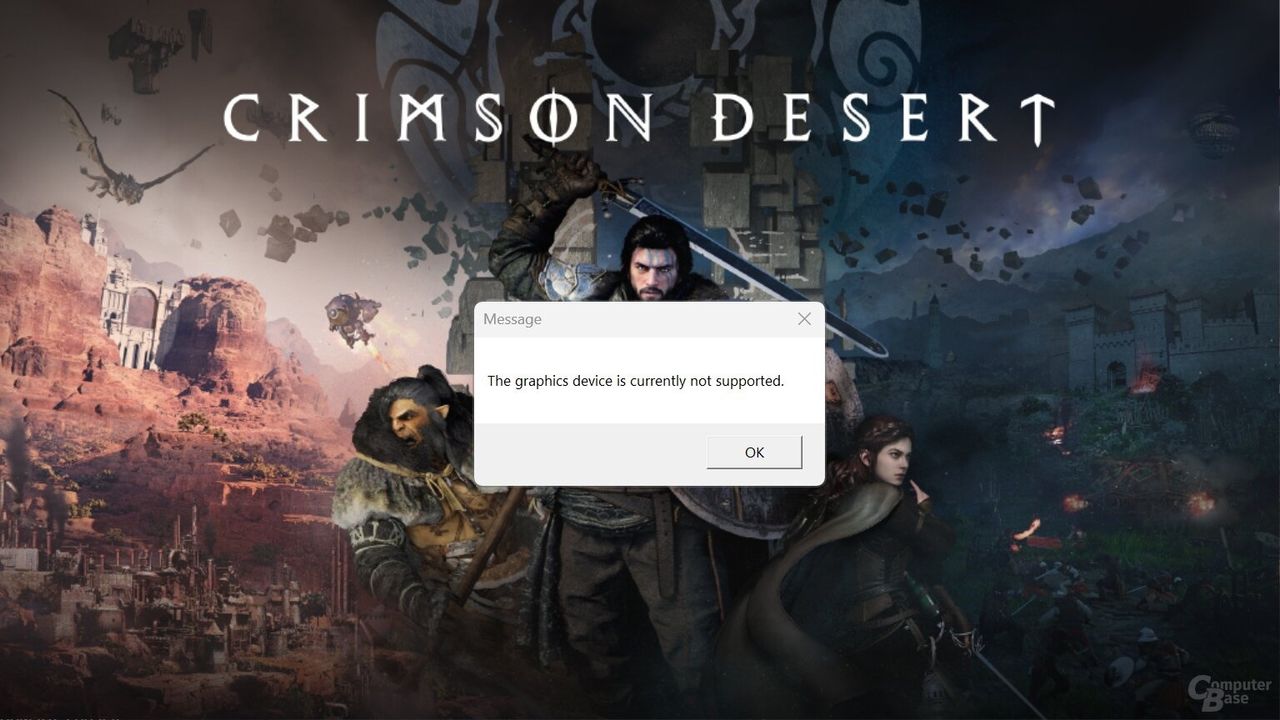
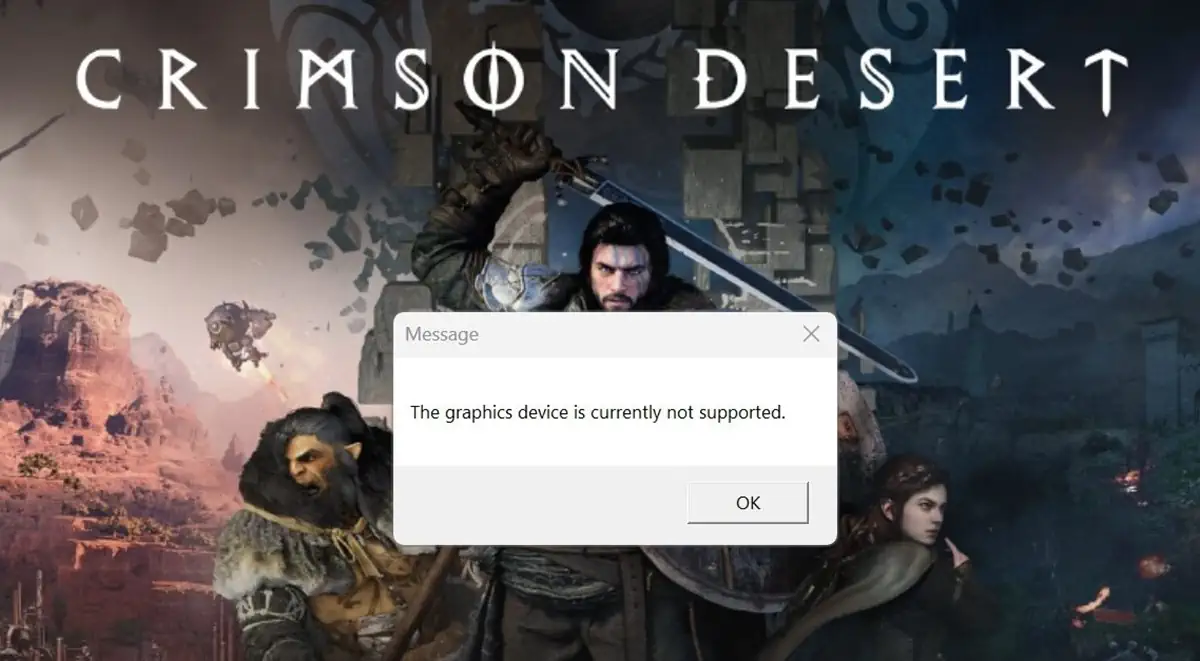
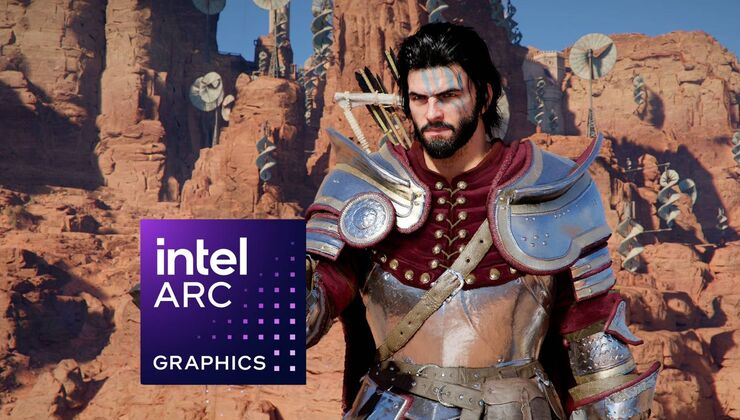
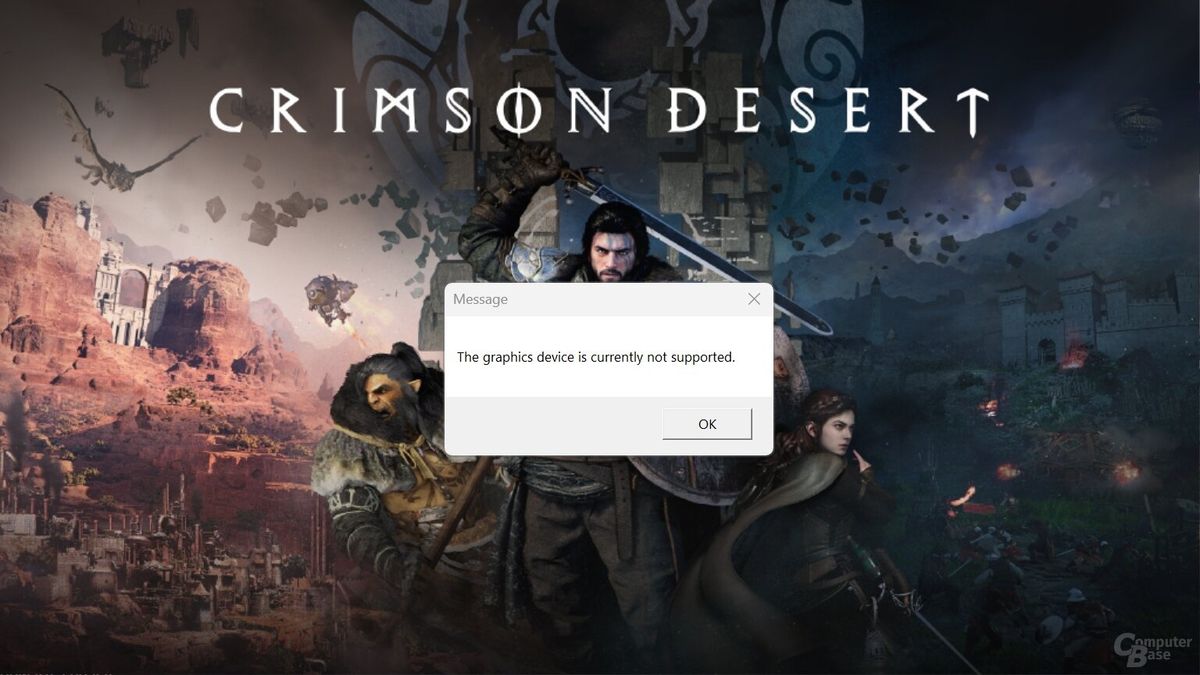
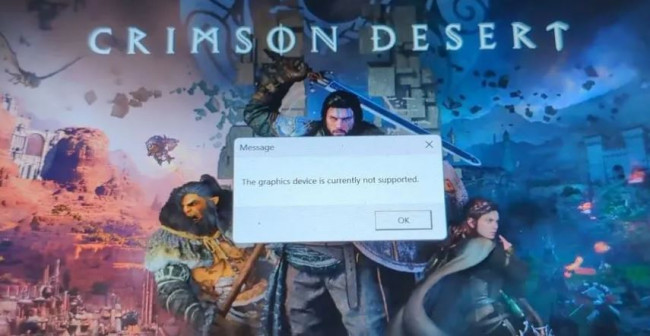
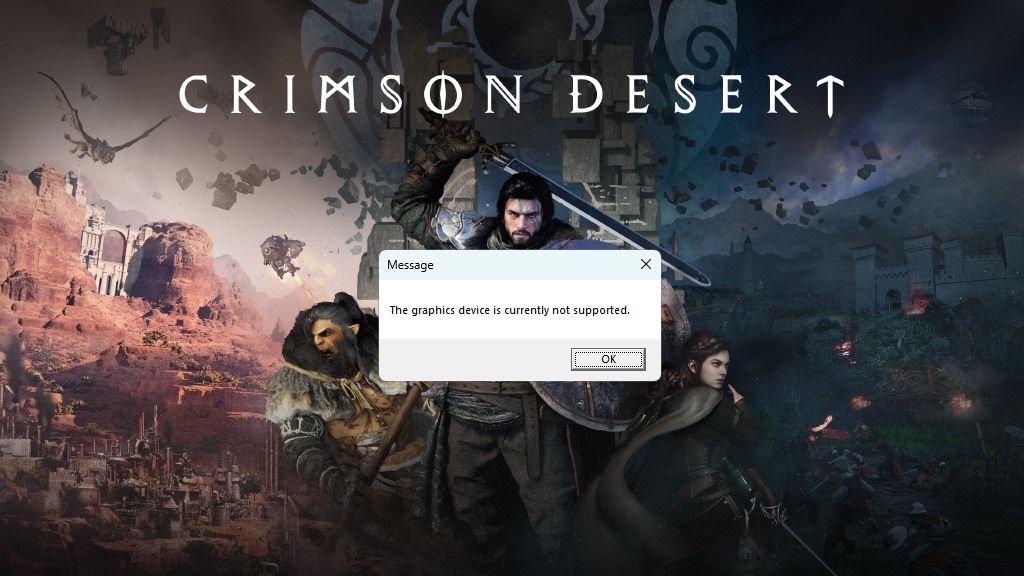
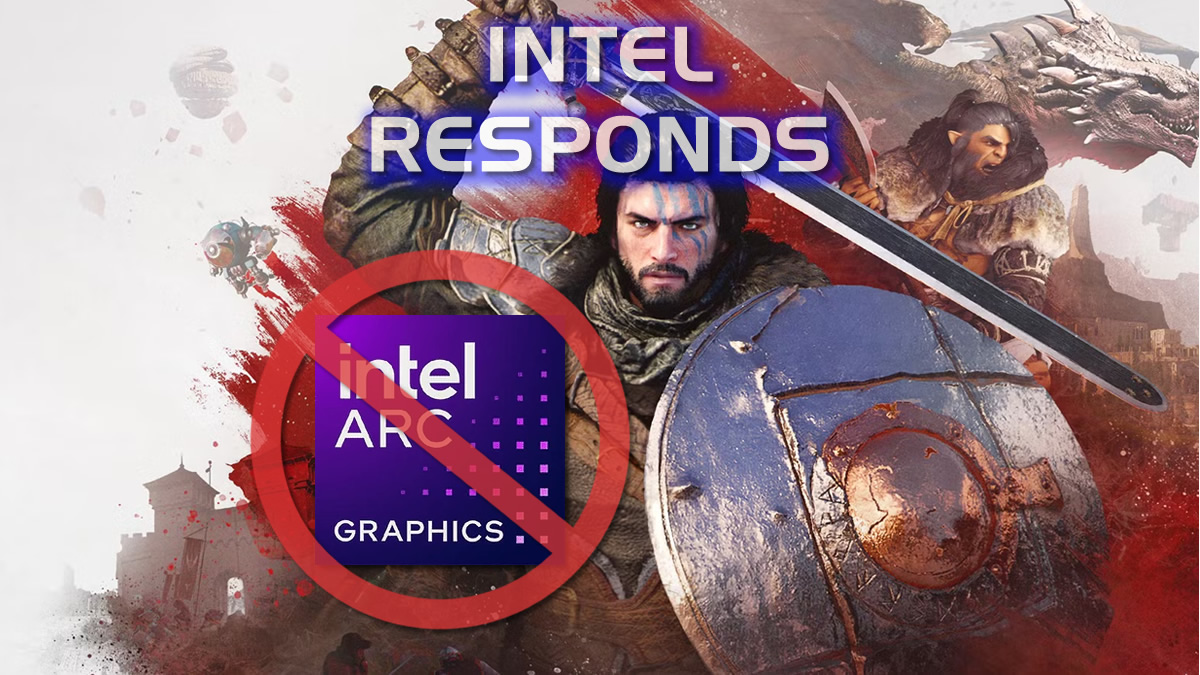
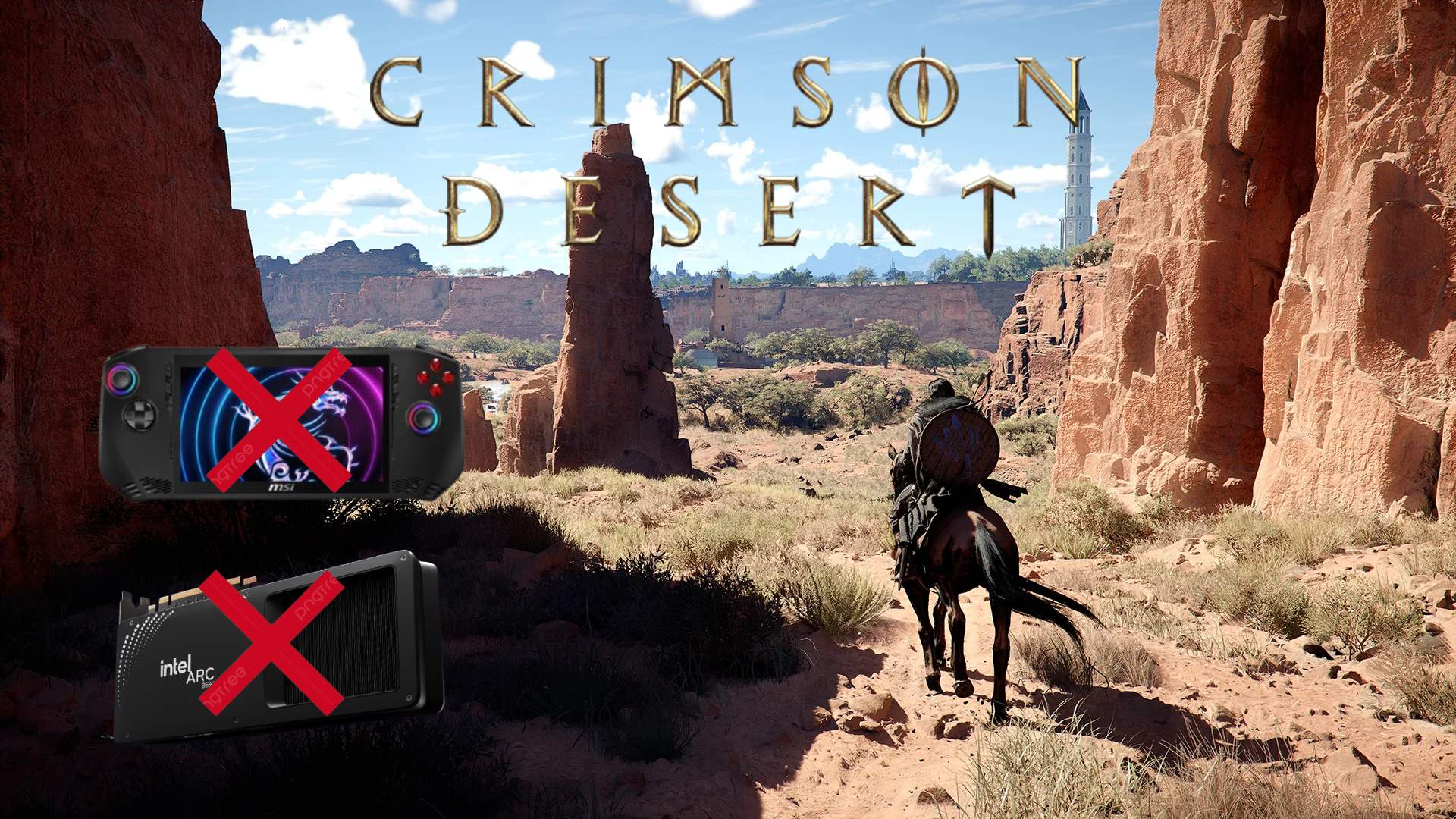
The Intel Arc exclusion represents the most significant compatibility issue. Intel publicly disclosed it reached out to Pearl Abyss "many times" over several years, offering early hardware access, driver support, and engineering resources across multiple GPU generations (Alchemist, Battlemage, Meteor Lake, Lunar Lake). Despite these resources, Pearl Abyss chose complete exclusion rather than optimization, affecting both discrete Intel Arc GPUs and integrated graphics solutions. The error message "The graphics device is currently not supported" blocks users entirely. This impacts tens of millions of Intel graphics users and upcoming 2025 handhelds featuring Intel's Panther Lake SoCs. While Intel Arc represents only 1% of discrete GPU market share, the undisclosed incompatibility—revealed only in post-launch FAQ updates—demonstrates poor pre-launch communication. The Internet Archive confirms this incompatibility was not disclosed before launch, suggesting late-stage discovery or deliberate concealment.
Platform-specific technical failures compound the compatibility crisis. Xbox App users experienced widespread launch failures with the game refusing to boot regardless of hardware specifications, while Steam purchasers avoided this issue entirely. Xbox Series X|S players faced a 120GB day-one patch requirement forcing complete redownloads despite pre-installation, compared to 20GB updates on PC and PlayStation 5. This platform fragmentation created a two-tier launch experience: Steam and PlayStation 5 users encountered minimal barriers, while Xbox App and Xbox Series X|S users faced substantial obstacles. Performance issues on base PlayStation 5 hardware and mixed Steam reviews indicate broader quality concerns beyond platform-specific problems. Pearl Abyss' communication failures regarding Intel Arc support and inadequate pre-launch testing across distribution channels and hardware configurations suggest systemic quality assurance breakdowns.
For e-commerce sellers, this incident creates immediate opportunities and strategic imperatives. Gaming peripheral sellers (monitors, keyboards, mice, headsets) targeting Intel Arc users face reduced addressable market as affected players delay or abandon purchases. PC component sellers can capitalize on negative sentiment by promoting AMD and NVIDIA alternatives with guaranteed Crimson Desert compatibility. Gaming accessory sellers should monitor refund trends—players requesting refunds for incompatible hardware may simultaneously purchase alternative gaming titles or peripherals. The 120GB patch issue signals demand for high-capacity external SSDs and faster internet connectivity solutions. Sellers should prepare inventory for post-launch demand spikes in gaming peripherals as frustrated players seek workarounds or alternative gaming experiences.
Questions 8
How should sellers position inventory given the Crimson Desert launch failures?
Sellers should implement a three-part strategy: (1) Immediate (0-30 days): Monitor refund trends and sentiment across Steam, Reddit, and gaming forums to identify which player segments are most affected; audit inventory of Intel Arc-compatible gaming peripherals and consider promotional pricing to capture displaced players; (2) Short-term (1-3 months): Increase inventory of AMD and NVIDIA-compatible peripherals with guaranteed Crimson Desert support; promote high-capacity external SSDs (2TB+) and faster internet connectivity solutions to address 120GB patch issues; (3) Strategic (3-6 months): Track Pearl Abyss' future Intel Arc support announcements and adjust positioning accordingly; monitor competitor strategies for capitalizing on this compatibility crisis; consider bundling gaming peripherals with alternative AAA titles that support broader hardware compatibility.
What platform-specific technical issues affected Crimson Desert's launch?
Three distinct technical issues created a fragmented launch experience: (1) Intel Arc GPU incompatibility with error message 'The graphics device is currently not supported' affecting both discrete and integrated graphics; (2) Xbox App users on PC experienced widespread launch failures with the game refusing to boot regardless of hardware specifications, while Steam purchasers avoided this issue entirely; (3) Xbox Series X|S players faced a 120GB day-one patch requirement forcing complete game redownloads despite pre-installation, compared to 20GB updates on PC and PlayStation 5. Steam and PlayStation 5 players encountered minimal technical barriers, while Xbox App and Xbox Series X|S users faced substantial obstacles.