


Strait of Hormuz Closure Drives 50% Oil Surge | Shipping Cost Crisis for Cross-Border Sellers
- Oil prices hit $112.19/barrel (highest since 2022); Brent crude touched $119 intraday; Shipping lane disruption affects 20% of global oil transit; Airlines cutting capacity 5% Q2-Q3 2025; Sellers face 8-15% logistics cost increases










Overview
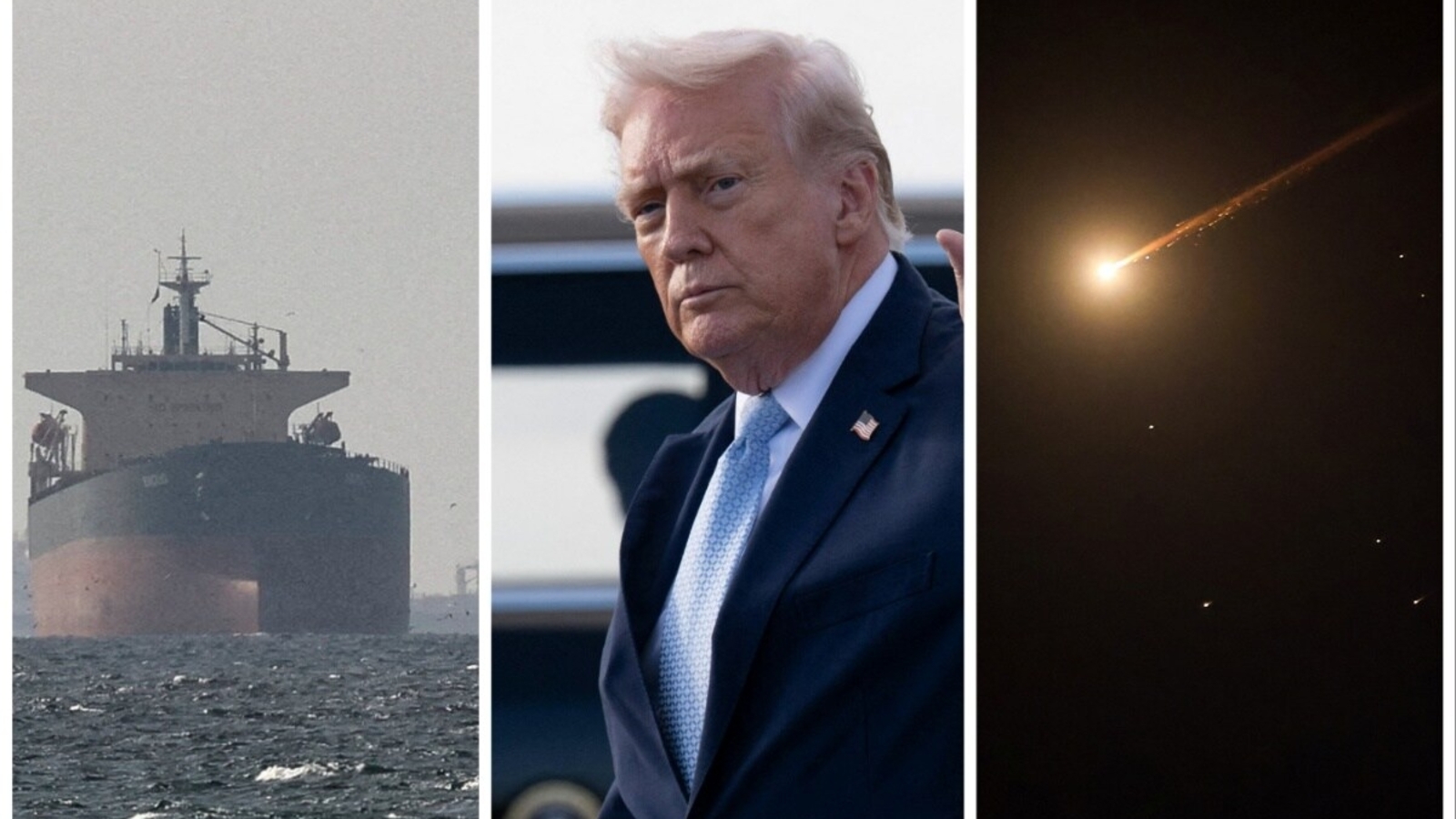
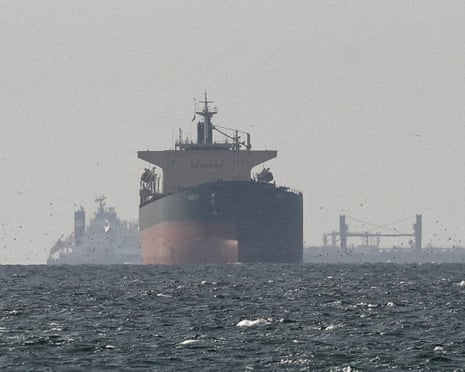
The Middle East conflict escalation has created a critical logistics cost crisis for cross-border e-commerce sellers, with the Strait of Hormuz—handling 20% of global oil and LNG supplies—effectively closed to most shipping since February 28, 2026. Oil prices have surged 50% since hostilities began, with Brent crude settling at $112.19/barrel (highest close since 2022) and touching $119 intraday on March 21. This energy market volatility directly translates to elevated fulfillment costs across all seller segments, with particular impact on air freight and expedited shipping options.
For FBA sellers and 3PL-dependent merchants, the operational impact is immediate and quantifiable. United Airlines has reduced scheduled flights by 5% in Q2-Q3 2025 due to prolonged elevated fuel costs, constraining air freight capacity precisely when sellers need expedited options for inventory replenishment and time-sensitive shipments. Sellers shipping high-value electronics, apparel, and perishables—categories relying on air freight—face 8-15% cost increases on per-unit logistics expenses. The temporary US sanctions waiver on Iranian oil (through April 19) provides only short-term relief; the Trump administration's authorization to sell 140 million barrels of stranded Iranian oil may moderate prices by 5-8% but won't restore pre-conflict levels. Japan's negotiated safe passage through the Strait (critical since Japan imports 95% of its oil from the Middle East with 70% transiting the strait) signals potential corridor reopening, but Germany and France indicate willingness to assist only after fighting ceases—timeline remains uncertain.
Strategic sourcing and inventory positioning become critical competitive advantages. Sellers with pre-positioned inventory in regional fulfillment centers (EU, Asia-Pacific, North America) can absorb cost increases better than those relying on just-in-time supply chains. The closure of the Strait of Hormuz forces rerouting through longer maritime corridors (around Africa via Cape of Good Hope, adding 10-14 days transit time and 15-20% cost premiums). Small sellers (under $500K annual revenue) with limited inventory buffers face margin compression of 3-5% on standard-margin categories; medium sellers ($500K-$5M) can absorb 2-3% margin impact through operational efficiency; large sellers ($5M+) with diversified sourcing have negotiating leverage with 3PL providers. The EU's directive to reduce gas storage to 80% capacity signals sustained energy price pressure through Q2 2026, making this a 6-12 month operational challenge rather than a temporary spike.
Immediate actions focus on cost mitigation and supply chain resilience. Sellers should audit current 3PL contracts for fuel surcharge clauses (typically 2-4% of base shipping cost) and negotiate fixed-rate agreements through Q3 2025. Shift 20-30% of inventory from air freight to ocean freight where product shelf-life permits, accepting 2-3 week delivery delays in exchange for 40-50% cost savings. Monitor the April 19 sanctions waiver expiration date closely—if not renewed, expect another 5-10% oil price spike. For sellers targeting Japanese and Southeast Asian markets, watch for Strait reopening signals; early access to normalized shipping corridors provides 2-4 week competitive advantage before broader market adjustment.
Questions 8
When will shipping costs return to normal levels?
The timeline depends on three factors: (1) Strait of Hormuz reopening—Germany and France indicate willingness to assist only after fighting ceases, timeline uncertain; (2) US sanctions waiver renewal—expires April 19, 2026; if not renewed, expect 5-10% additional oil price spike; (3) EU gas storage directives—member states must reduce capacity to 80%, signaling sustained energy pressure through Q2 2026. Realistically, expect elevated costs for 6-12 months. Japan's negotiated safe passage signals potential corridor reopening, but broader normalization requires geopolitical de-escalation.
Should I switch from air freight to ocean freight to save on shipping costs?
Yes, for non-perishable products with flexible delivery timelines. Ocean freight offers 40-50% cost savings compared to air freight but adds 2-3 weeks transit time due to Strait rerouting around Africa. This strategy works best for apparel, electronics, and home goods with 30+ day shelf-life requirements. However, maintain air freight for time-sensitive categories (perishables, seasonal items, high-velocity SKUs) where delivery speed justifies premium costs. Audit your product mix: shift 20-30% of inventory to ocean freight where feasible to absorb cost increases.