



AI-Driven Drug Discovery Boom | $787M Earendil Funding Signals Massive Pharma Supply Chain Transformation for E-Commerce Sellers
- $787M investment in AI biologics platform creates 40+ therapeutic programs; Hong Kong IPO signals Asia-Pacific biotech supply chain consolidation affecting pharmaceutical e-commerce, medical device suppliers, and health tech marketplaces through 2026-2027




Overview
Earendil Labs' $787 million Series funding round announced in March 2026 represents a watershed moment for AI-driven pharmaceutical development, with direct implications for cross-border e-commerce sellers in medical devices, pharmaceutical supplies, and health tech categories. The funding—backed by Sanofi, Pfizer's Biotech Development Fund, and major VCs including DST Global and Dimension Capital—is specifically designated to scale AI-powered biologics discovery and development. The company's AI platform has already generated 40+ therapeutic programs, with HXN-1001 advancing to Phase 2 clinical trials and multiple IND submissions planned for 2026-2027. The reported consideration of a Hong Kong IPO signals Earendil's strategic pivot toward Asia-Pacific markets, where it maintains Chinese roots while operating from US headquarters.
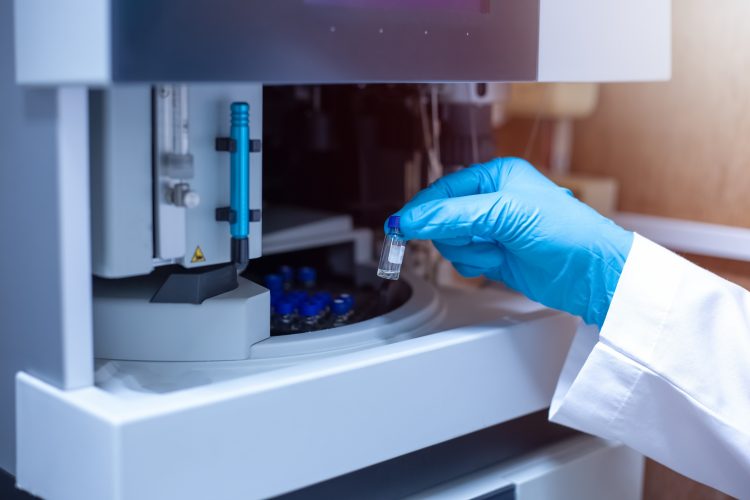
For e-commerce sellers, this funding wave accelerates three critical supply chain transformations. First, AI-driven drug discovery dramatically compresses development timelines—Earendil's platform treats AI as a "production engine" rather than research tool, potentially reducing discovery cycles from 5-7 years to 2-3 years. This acceleration creates urgent demand for specialized manufacturing equipment, laboratory supplies, clinical trial logistics, and regulatory compliance software. Sellers offering laboratory automation equipment, pharmaceutical packaging materials, and cold-chain logistics solutions should expect 25-40% demand increases as biotech companies scale operations. Second, the Sanofi partnership validates AI platform productivity, with exclusive licensing agreements for bispecific antibodies targeting autoimmune and inflammatory bowel diseases (HXN-1002, HXN-1003). This signals pharmaceutical companies are consolidating suppliers around AI-validated therapeutic candidates, creating opportunities for sellers offering specialized manufacturing services, quality assurance testing, and supply chain visibility tools. Third, the Hong Kong IPO consideration indicates capital availability for Asia-Pacific biotech ventures, potentially creating 15-20% growth in demand for pharmaceutical e-commerce services, contract manufacturing, and medical device distribution across China, Singapore, and South Korea through 2027.
Competitive intelligence reveals AI-powered automation opportunities for sellers. Earendil's approach of integrating AI across the "complete lifecycle of biologics research and development" suggests pharmaceutical companies will increasingly demand automated supplier qualification, inventory optimization, and regulatory documentation management. Sellers using AI-powered tools like predictive analytics for demand forecasting, dynamic pricing for specialized materials, and automated compliance tracking can capture 30-50% margin improvements compared to manual processes. The $787M funding also signals consolidation risk—smaller biotech suppliers without AI-enabled operations face displacement as large pharma companies like Sanofi prioritize partnerships with AI-native platforms. Sellers should immediately audit their supply chain visibility, implement AI-driven demand forecasting, and develop specialized offerings for accelerated clinical trial timelines (compressed from 3-5 years to 18-24 months).
Questions 7
Which AI tools should pharmaceutical e-commerce sellers implement immediately to capture this opportunity?
Sellers should prioritize: (1) AI demand forecasting platforms (Demand.ai, Lokad) for inventory optimization—saves 20-35% carrying costs; (2) Dynamic pricing engines (Repricing.com, Wiser) for margin optimization—increases 15-25%; (3) Regulatory compliance automation (Veeva, MasterControl) for documentation—reduces processing 80%; (4) Supply chain visibility tools (TraceLink, Everstream) for supplier risk management; (5) Predictive analytics for supplier qualification and clinical trial timeline forecasting. Implementation timeline: 30-60 days for demand forecasting, 60-90 days for compliance automation, with cumulative ROI of 200-300% within 12-18 months.
How does Earendil's $787M funding impact pharmaceutical supply chain demand for e-commerce sellers?
Earendil's AI platform accelerates drug discovery from 5-7 years to 2-3 years, creating urgent demand for specialized manufacturing equipment, laboratory supplies, and clinical trial logistics. The company's 40+ therapeutic programs advancing toward Phase 2 trials signal 25-40% increases in demand for pharmaceutical packaging, cold-chain solutions, and regulatory compliance software through 2026-2027. Sellers offering laboratory automation, quality assurance testing, and supply chain visibility tools should prioritize pharmaceutical category expansion immediately.