



)

Jet Fuel Crisis Doubles Air Shipping Costs | E-Commerce Sellers Face $11B Industry Impact
- Oil prices surge toward $175/barrel as geopolitical tensions spike; air freight costs double in 3 weeks, forcing sellers to reassess international logistics strategies and product pricing












)







Overview
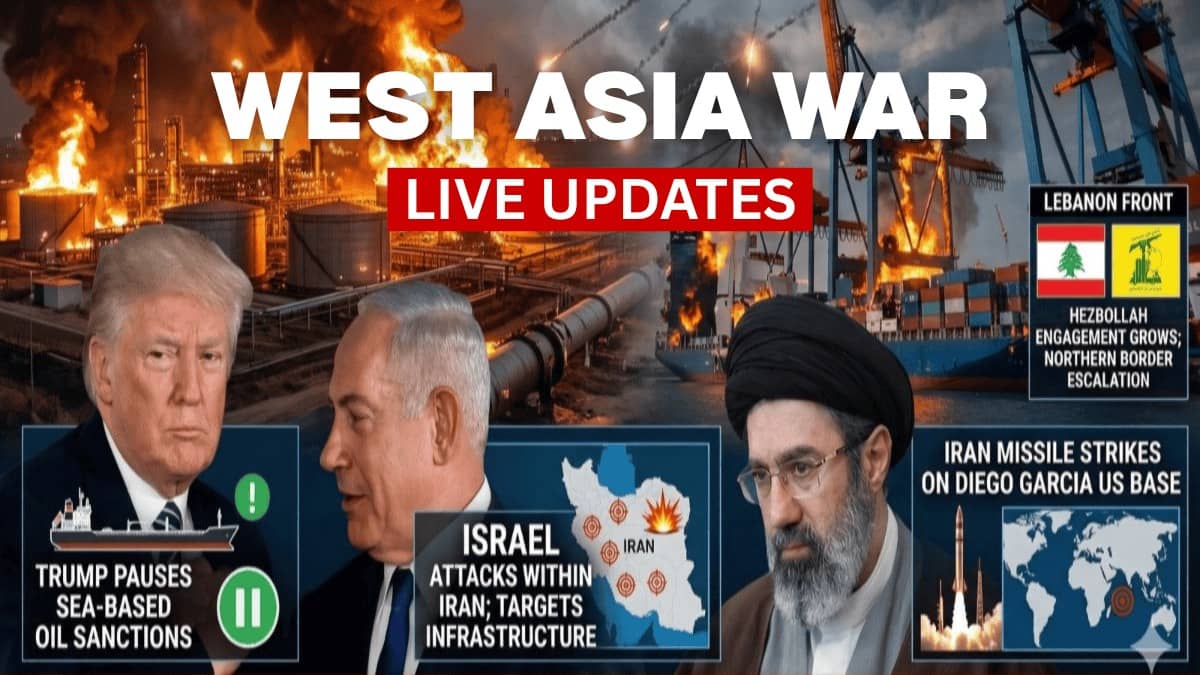
The escalating Iran-Western military tensions have triggered an immediate energy market shock with profound implications for cross-border e-commerce sellers relying on air freight. United Airlines CEO Scott Kirby's announcement that jet fuel costs have more than doubled in just three weeks—with the airline preparing for oil prices reaching $175 per barrel—signals a critical supply chain inflection point. The airline projects an $11 billion annual expense increase for jet fuel alone, forcing cancellation of less profitable routes including off-peak and red-eye services. This geopolitical crisis directly impacts e-commerce logistics costs through energy price volatility affecting air freight premiums, which typically represent 8-15% of total shipping expenses for time-sensitive international shipments.
For sellers managing cross-border operations, this energy shock creates immediate cost pressures across multiple fulfillment channels. Sellers using air freight for high-value electronics, fashion, and perishable goods face margin compression of 5-12% as carriers pass through fuel surcharges. Amazon FBA sellers shipping inventory via air to international fulfillment centers will experience increased inbound logistics costs, while 3PL providers managing air freight networks are already implementing fuel surcharges (typically 3-8% of base shipping rates). The Strait of Hormuz shipping protection mentioned in diplomatic discussions underscores supply chain vulnerability—approximately 21% of global petroleum passes through this chokepoint, making energy price volatility a persistent risk for sellers dependent on time-definite air delivery.
Strategic response options vary by seller segment and product category. Small sellers (under $500K annual revenue) should evaluate shifting 20-30% of air freight volume to ocean freight with extended lead times (15-25 days), reducing per-unit costs by 60-70% despite longer delivery windows. Mid-market sellers ($500K-$5M) can negotiate volume commitments with 3PL providers for fuel surcharge caps, while large sellers ($5M+) should consider diversifying fulfillment networks across multiple regions to reduce air freight dependency. Product categories with lower time sensitivity (apparel, home goods, non-perishables) can absorb longer transit times, while high-velocity categories (electronics, beauty, seasonal items) may require premium air freight despite cost increases. Sellers should monitor oil futures pricing and establish trigger points for logistics strategy adjustments—if WTI crude exceeds $100/barrel sustained, air freight premiums typically increase 15-25% within 4-6 weeks.
The Pentagon's reported $200 billion funding request for Iran operations suggests prolonged geopolitical tension, indicating this energy shock may persist for 6-12 months rather than resolving quickly. Sellers should immediately audit their logistics cost structure, identify air freight dependencies by product category, and model pricing adjustments needed to maintain margins if fuel surcharges remain elevated. This represents a critical moment to optimize supply chain resilience through geographic diversification, carrier negotiations, and strategic product mix adjustments.
Questions 8
Which seller segments are most vulnerable to air freight cost increases?
Small sellers (under $500K annual revenue) relying heavily on air freight for time-sensitive inventory face the highest vulnerability, as they lack negotiating power with carriers and 3PL providers. High-velocity categories like electronics, beauty products, and seasonal fashion items that depend on rapid international fulfillment are particularly exposed. Sellers using Amazon FBA with air inbound shipments to international fulfillment centers will see increased logistics costs reflected in FBA fees. Mid-market sellers ($500K-$5M) can negotiate fuel surcharge caps with 3PL providers, while large sellers ($5M+) have leverage to diversify fulfillment networks and reduce air freight dependency through geographic distribution.
How much will air freight costs increase for e-commerce sellers due to rising oil prices?
United Airlines reports jet fuel costs have more than doubled in three weeks, with the airline preparing for oil prices reaching $175 per barrel. For e-commerce sellers, this translates to air freight fuel surcharges increasing 3-8% of base shipping rates immediately, with potential 15-25% increases if WTI crude sustains above $100/barrel. Sellers shipping high-value electronics or perishables via air freight should expect margin compression of 5-12% unless they adjust product pricing. The $11 billion annual expense increase United Airlines projects indicates industry-wide cost pressures that will cascade to 3PL providers and carrier networks serving e-commerce logistics.