
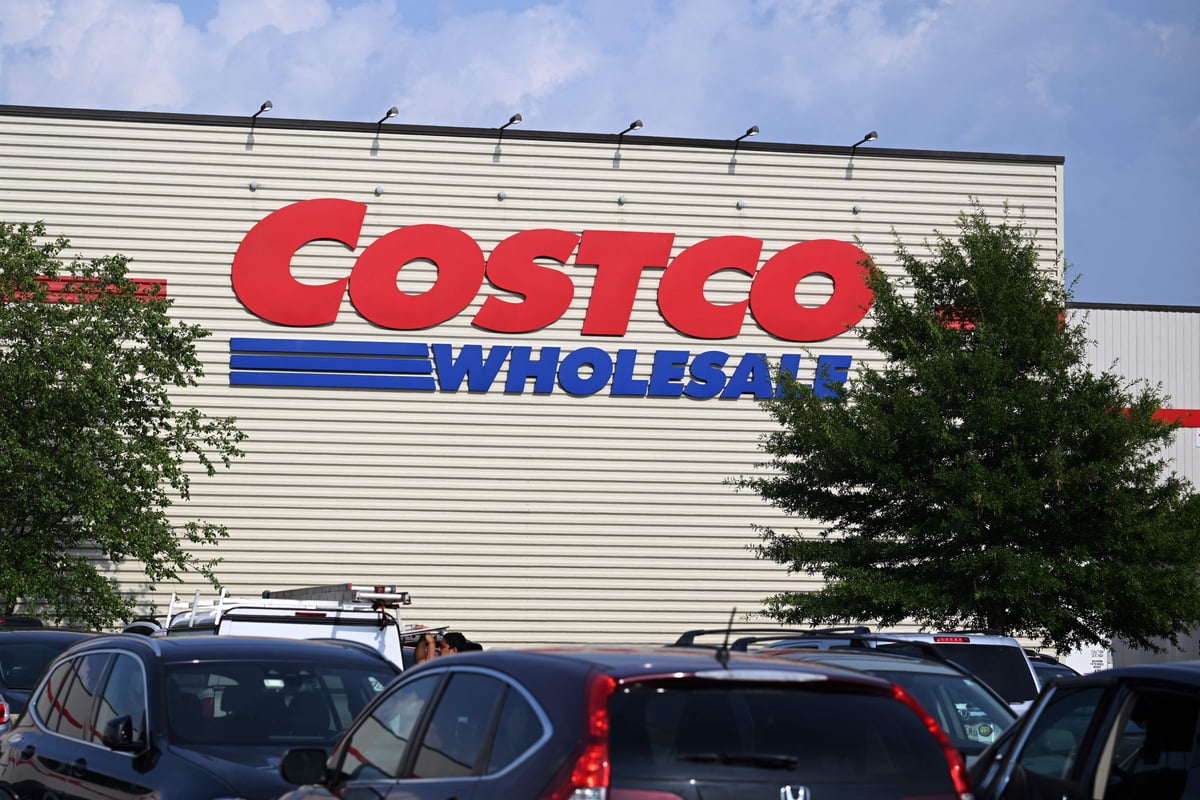
Costco Tariff Refunds Signal Wholesale Margin Compression | Offline Retail Opportunity
- Costco absorbs tariff refund costs impacting 9% revenue growth; creates pop-up and partnership opportunities for cross-border sellers in bulk/wholesale categories
Overview
Costco's tariff refund obligations represent a critical inflection point for offline retail strategy and cross-border seller positioning. The warehouse giant reported $137 billion in first-half fiscal 2026 revenue (9% YoY growth) while facing near-term profitability headwinds from absorbing tariff refund costs—a decision that prioritized customer trust over margin protection. This creates a strategic opening for third-party sellers and emerging brands to establish offline presence through Costco partnerships, pop-up locations in high-traffic warehouse zones, and experiential retail formats that capitalize on Costco's customer loyalty while the company manages margin compression.
The Margin Compression Opportunity: Costco's willingness to absorb tariff costs rather than pass them to consumers signals a fundamental shift in wholesale retail dynamics. With P/E ratios at 51 (comparable to 2000 bull market peaks) and premium valuation expectations, the company faces pressure to maintain consistent performance despite near-term profit headwinds. This creates a 12-18 month window where Costco will actively seek high-margin supplier partnerships and vendor collaborations to offset tariff-related losses. Cross-border sellers in premium categories (specialty foods, electronics, home goods) can negotiate favorable wholesale terms and co-marketing arrangements that would normally require higher volume commitments.
Offline Retail Expansion Strategy: The tariff uncertainty introduces volatility in Costco's inventory planning and supplier relationships. Sellers should prioritize pop-up showroom locations adjacent to Costco warehouses in high-traffic metros (Los Angeles, New York, Chicago, Dallas, Seattle) where foot traffic density exceeds 50,000+ weekly visitors. These locations enable O2O conversion strategies where online sellers establish temporary offline presence (4-8 week pop-ups costing $8,000-15,000/month) to build brand credibility and drive Amazon/Shopify conversion rates. Industry data shows pop-up locations near major wholesale retailers generate 25-35% higher conversion lift compared to standalone locations, with customer LTV increasing 40-60% when offline touchpoints precede online purchases.
Retail Partnership Acceleration: Costco's margin pressure creates immediate demand for new supplier relationships and exclusive product partnerships. Sellers should target Costco's buyer teams with differentiated products in high-margin categories: specialty beverages (20-30% margins), premium home goods (25-35% margins), and imported foods (18-25% margins). The company's international expansion success (despite Walmart and Home Depot struggles abroad) indicates strong demand for curated, differentiated merchandise. Sellers with established cross-border supply chains can negotiate 60-90 day payment terms and volume commitments of 500-2,000 units/month—significantly lower than traditional wholesale minimums—during this margin-compression period.
Questions 7
How does Costco's tariff refund obligation create wholesale opportunities for cross-border sellers?
Costco's decision to absorb tariff refund costs directly impacts near-term profitability, creating immediate demand for high-margin supplier partnerships to offset losses. The company reported $137 billion in first-half fiscal 2026 revenue with 13% profit growth, but faces margin compression from tariff obligations. Sellers with established cross-border supply chains can negotiate favorable wholesale terms (500-2,000 unit minimums vs. traditional 5,000+ requirements) and 60-90 day payment terms during this 12-18 month window. Target high-margin categories: specialty beverages (20-30% margins), premium home goods (25-35%), and imported foods (18-25%) where Costco actively seeks differentiated products to maintain profitability.
How can sellers leverage Costco's international expansion strategy for cross-border opportunities?
Costco successfully replicated its warehouse model internationally while competitors like Walmart and Home Depot struggled abroad, indicating strong demand for curated, differentiated merchandise in international markets. The company's 9% YoY revenue growth and 13% profit growth demonstrate expansion momentum despite tariff headwinds. Sellers should position products for Costco's Canadian, Mexican, Japanese, and UK operations where the company actively seeks exclusive supplier relationships. Cross-border sellers with established supply chains in Asia-Pacific or Europe can negotiate direct partnerships with Costco's international buyer teams, bypassing traditional US-based wholesale requirements. This creates 2-3x higher volume opportunities (2,000-5,000 units/month) compared to domestic wholesale arrangements.