





Meta's $80B Reality Labs Pivot | AI Hardware & AR Glasses Drive New Seller Opportunities
- Meta shifts from metaverse to AI-first strategy with $51B+ 2025 losses; Ray-Ban AI glasses show consumer uptake; AR/VR hardware creates emerging product categories for cross-border sellers
Overview
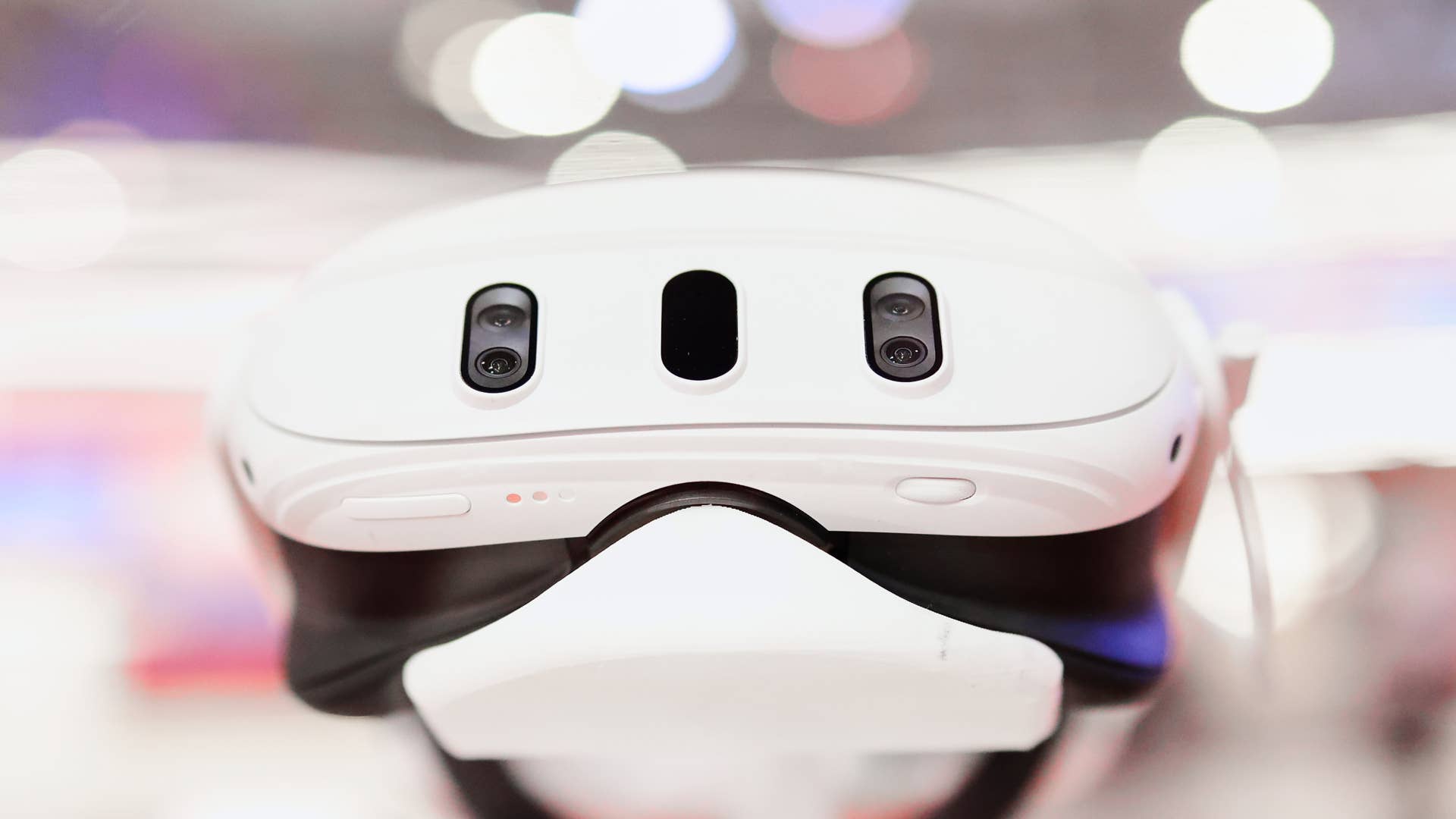
Meta's Reality Labs has accumulated over $80 billion in losses, with $51 billion lost in 2025 alone, but the narrative requires critical reframing for e-commerce sellers. Rather than a failed "metaverse bet," Meta is strategically pivoting toward AI-powered hardware and AR glasses that represent genuine consumer demand signals. The company's shift from virtual reality headsets to lightweight AR glasses (Ray-Ban AI glasses showing measurable consumer uptake) and smartphone-paired devices signals a fundamental change in how users will interact with digital platforms—directly impacting seller opportunities in emerging hardware categories.
For cross-border sellers, this pivot creates three immediate product opportunities: First, AR/VR accessory categories are expanding as Meta's Quest goggles and Ray-Ban glasses gain mainstream adoption. Sellers can capitalize on demand for protective cases, lens cleaners, prescription lens adapters, and comfort accessories—categories currently underserved on Amazon, eBay, and Shopify. Second, AI-powered smart glasses represent a nascent product category where sellers can source compatible apps, software solutions, and complementary smart home devices. Third, home entertainment streaming devices designed for AR glasses create demand for content delivery optimization tools and streaming accessories.
Meta's strategic motivation—building platform independence from Google and Apple's operating systems—reveals a critical insight for sellers: the smartphone era is transitioning. Meta's CTO Andrew Bosworth explicitly states the metaverse could function through smartphones or phone-paired glasses, representing a departure from Zuckerberg's original VR vision. This indicates Meta is investing in alternative distribution channels that bypass traditional mobile OS gatekeepers. For sellers, this means advertising platforms will evolve; Meta's continued billions in AI infrastructure investment signals that AI-powered ad targeting and product recommendations will become the primary monetization layer for these new devices.
The underperformance of VR adoption beyond gaming communities (noted in the report) actually validates a seller opportunity: lightweight AR glasses for practical applications (home streaming, navigation, productivity) will likely outperform immersive VR. Sellers should monitor Ray-Ban AI glasses adoption metrics and prepare inventory in adjacent categories—smart eyewear accessories, AR-compatible software, and home entertainment integration products. Reality Labs will continue generating substantial losses, but this reflects infrastructure investment rather than strategic failure, making it a long-term platform play for sellers willing to build early presence in emerging hardware ecosystems.
Questions 8
Will Meta's pivot away from metaverse affect Facebook and Instagram advertising for sellers?
Meta's strategic shift from metaverse to **AI-first infrastructure** actually strengthens Facebook and Instagram as advertising platforms. The company's continued billions in AI infrastructure investment signals that AI-powered ad targeting and product recommendations will become more sophisticated, not less. Sellers using Meta's Advantage+ Shopping Campaigns and AI-driven audience targeting will benefit from improved conversion rates as Meta's AI models mature. The metaverse pivot was always a long-term bet; the AI pivot is immediate and directly monetizable through advertising. Sellers should expect Meta advertising to become more effective (higher ROAS) as AI capabilities improve, though CPM costs may gradually increase as the platform becomes more competitive.
What is the timeline for AR glasses becoming mainstream for sellers to plan inventory?
Based on Meta's report, lightweight AR glasses designed for home streaming and practical applications (not immersive VR) are the near-term focus, with Ray-Ban AI glasses already showing consumer uptake. Industry adoption typically follows a 3-5 year curve from early adopter phase to mainstream. Sellers should plan inventory in **two phases**: Phase 1 (2025-2026) focuses on accessory categories for early adopters—cases, lens protection, mounting solutions targeting gaming and tech enthusiast audiences. Phase 2 (2027-2028) targets mainstream adoption with broader product categories. The report notes VR adoption beyond gaming has underperformed, suggesting AR glasses for practical use cases will drive mainstream adoption faster than pure VR. Sellers should begin sourcing Phase 1 accessories immediately to capture early-adopter demand.