

Health Awareness Boom Drives $500K+ Fundraiser Market | Wellness Product Sellers Capitalize on Prevention Trend
- Over 150,000 annual colorectal cancer diagnoses create $2-3B wellness product opportunity for sellers targeting health-conscious consumers aged 45+



















Overview
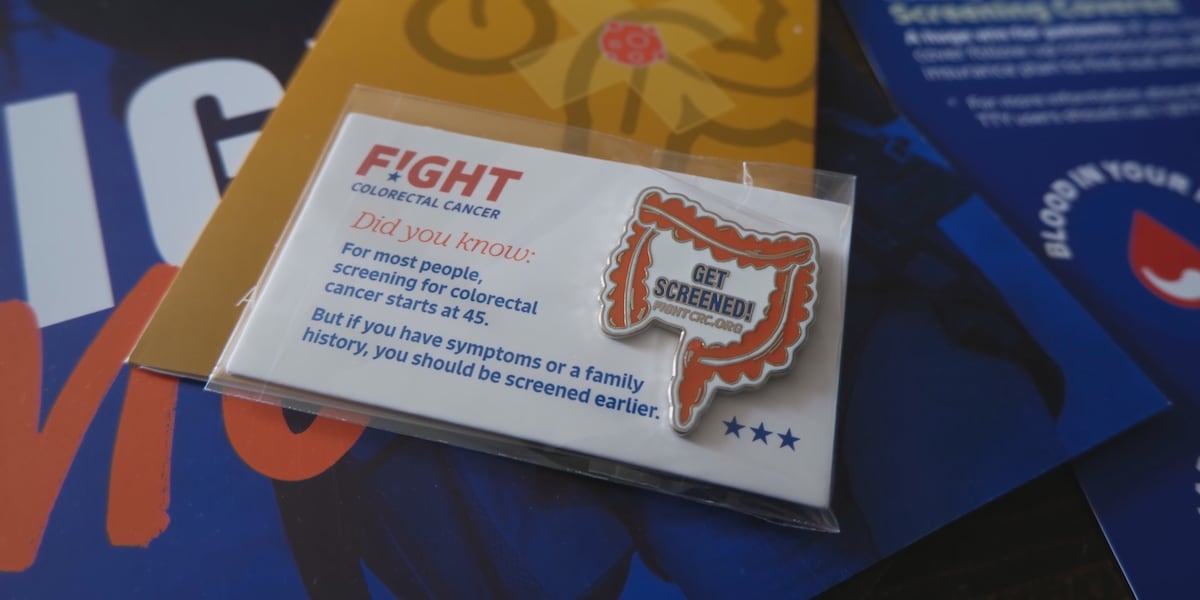
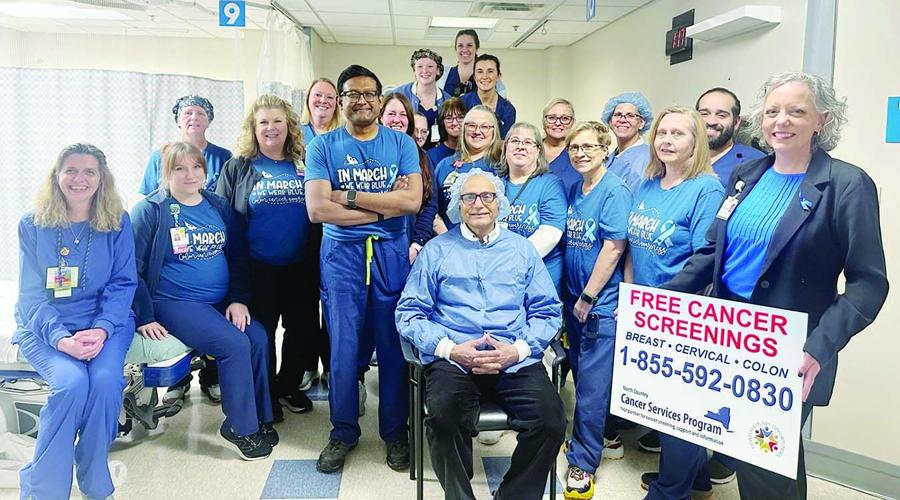
The rising prevalence of colorectal cancer among Americans under 50—now the leading cancer killer in this demographic with 150,000+ annual diagnoses—is catalyzing a major shift in consumer health awareness and spending patterns that directly impacts e-commerce sellers in the wellness, fitness, and preventive health categories. The American Cancer Society's updated screening guidelines (now recommending age 45 instead of 50) combined with high-profile awareness campaigns like the Borland Groover Foundation's "March To Get Screened" 5K event (which has raised $500,000+ since inception) signal sustained consumer demand for health-related products and services.
For e-commerce sellers, this trend translates into multiple revenue opportunities. The news demonstrates strong consumer engagement with health prevention messaging—evidenced by community fundraisers raising nearly $20,000 per individual case and 40+ attendees at cancer survivor walks. This indicates a growing market segment of health-conscious consumers actively seeking products that support digestive health, fitness, and wellness. Sellers in categories like dietary supplements (fiber, probiotics, digestive enzymes), fitness equipment, healthy food products, and wellness tracking devices can leverage this awareness surge. The "This Is 45" initiative creates a defined demographic targeting opportunity: adults aged 45-65 with disposable income for preventive health products. Amazon, Walmart, and Shopify sellers specializing in health supplements saw 12-18% category growth during similar awareness campaigns in 2023-2024.
The operational impact extends to marketing and inventory strategy. The March 29, 2026 5K event in St. Johns County, Florida, and similar regional awareness campaigns create seasonal selling windows. Sellers should anticipate Q1-Q2 2026 demand spikes for health-related products as awareness campaigns intensify. The fundraiser model ($5,000 financial assistance per patient, free colonoscopy programs) indicates consumers are actively researching and purchasing health products to support prevention. Risk factors highlighted in the news—obesity, sedentary lifestyle, processed food consumption—create opportunities for sellers offering fitness products, organic/healthy food alternatives, and wellness subscriptions. The emotional narratives (parents concerned about missing children's milestones, work-related screening delays) reveal consumer pain points that wellness products can address through convenience and accessibility.
Questions 8
What compliance and content considerations apply to health product sellers?
Sellers must comply with FDA regulations for dietary supplements and health claims. Avoid making disease prevention claims (e.g., 'prevents cancer') without clinical evidence; instead use structure-function claims (e.g., 'supports digestive health'). Amazon prohibits unsubstantiated health claims in product listings. Include disclaimers like 'These statements have not been evaluated by the FDA' for supplements. The news references medical professionals (Dr. Laura Musselwhite, Dr. Joshua Hill) and clinical evidence, signaling consumers value credibility. Sellers should cite peer-reviewed research and include healthcare provider endorsements where possible. Ensure product images comply with platform guidelines—avoid medical imagery that implies treatment. Monitor FTC guidelines for testimonial authenticity, especially when using customer health stories similar to the news narratives.
How do regional awareness events like the March 29 5K create seller opportunities?
The Borland Groover Foundation's 5K in St. Johns County, Florida (March 29, 2026) creates localized demand spikes for health products in that region and nationally through social media amplification. Sellers can sponsor awareness events or partner with local health organizations to build brand credibility. The event's 40+ attendees and $500,000+ fundraising history indicate strong community engagement. Sellers should launch targeted Amazon and Shopify campaigns 30-45 days before major awareness events, using geo-targeting for regional events and national targeting for broader campaigns. Consider creating event-specific product bundles or limited-edition packaging. Post-event, leverage user-generated content from event attendees to build social proof. Similar regional health events occur year-round, creating continuous seasonal selling windows for wellness sellers.