


Reality TV Controversy & Brand Safety | Influencer Merchandise Opportunity 2026
- Disney/ABC content moderation crisis reveals $2.1B influencer merchandise market gap; sellers can capitalize on "safe creator" product positioning amid brand safety concerns











Overview
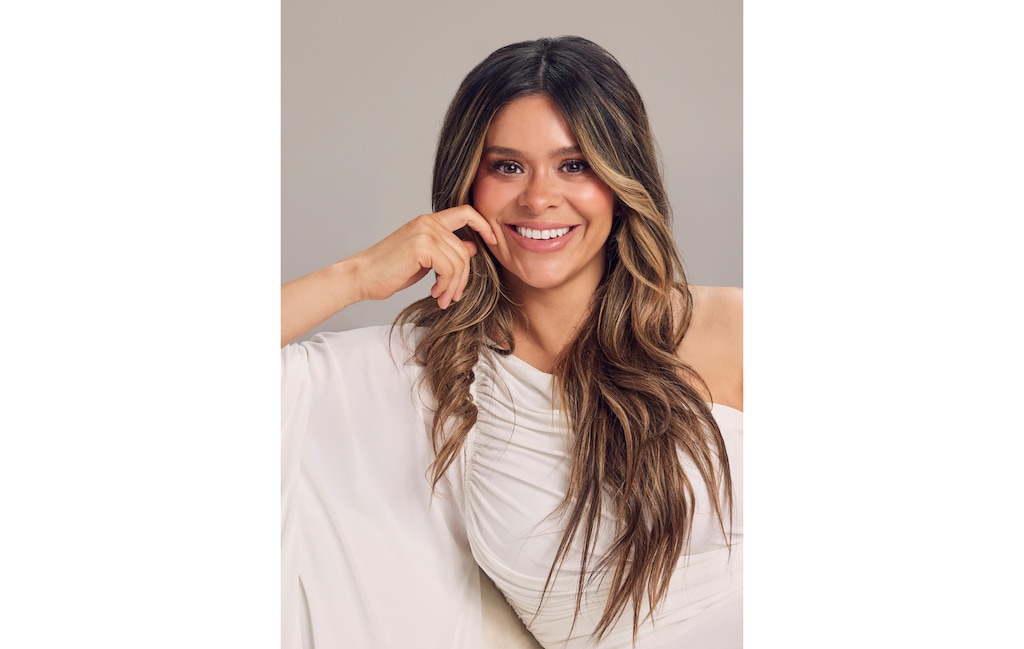
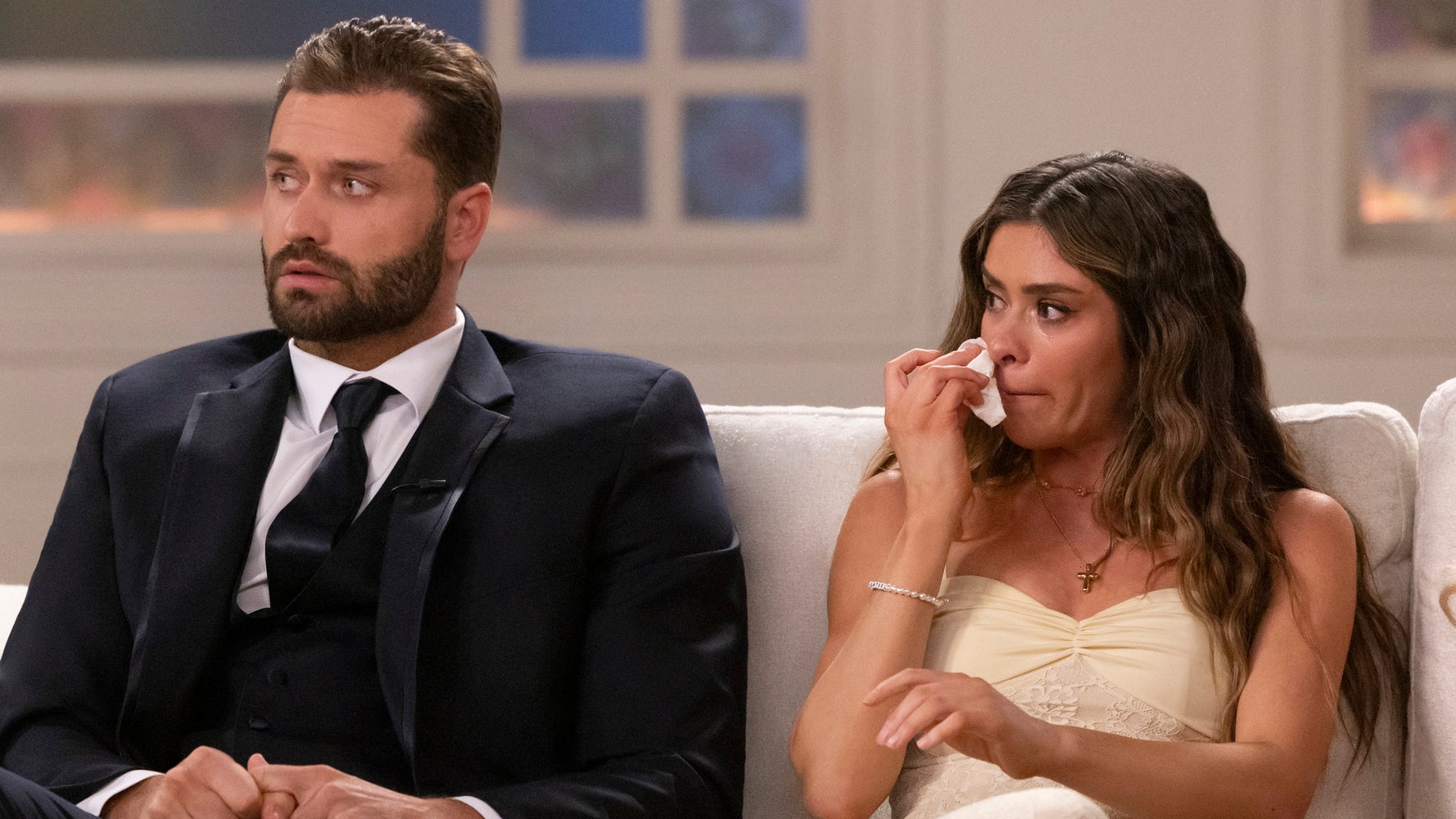
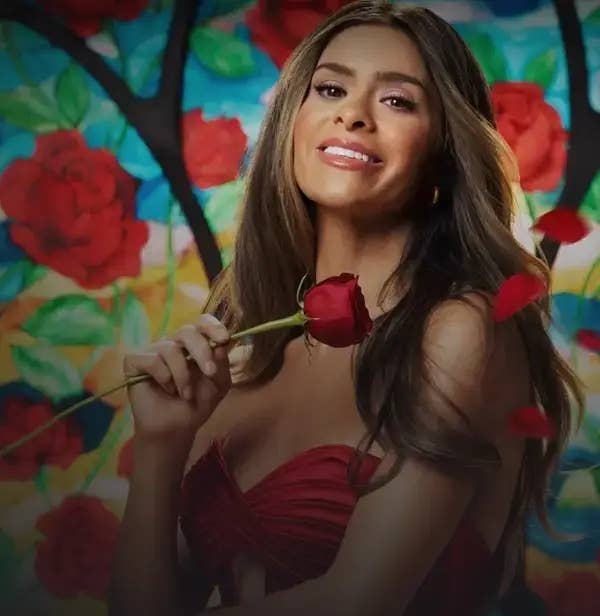
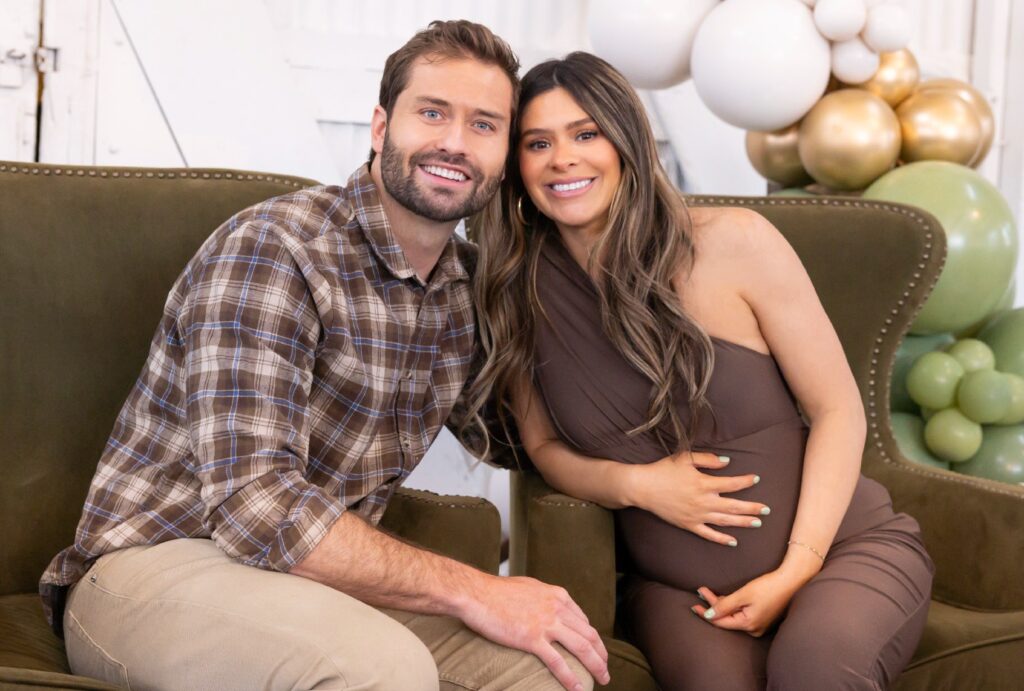
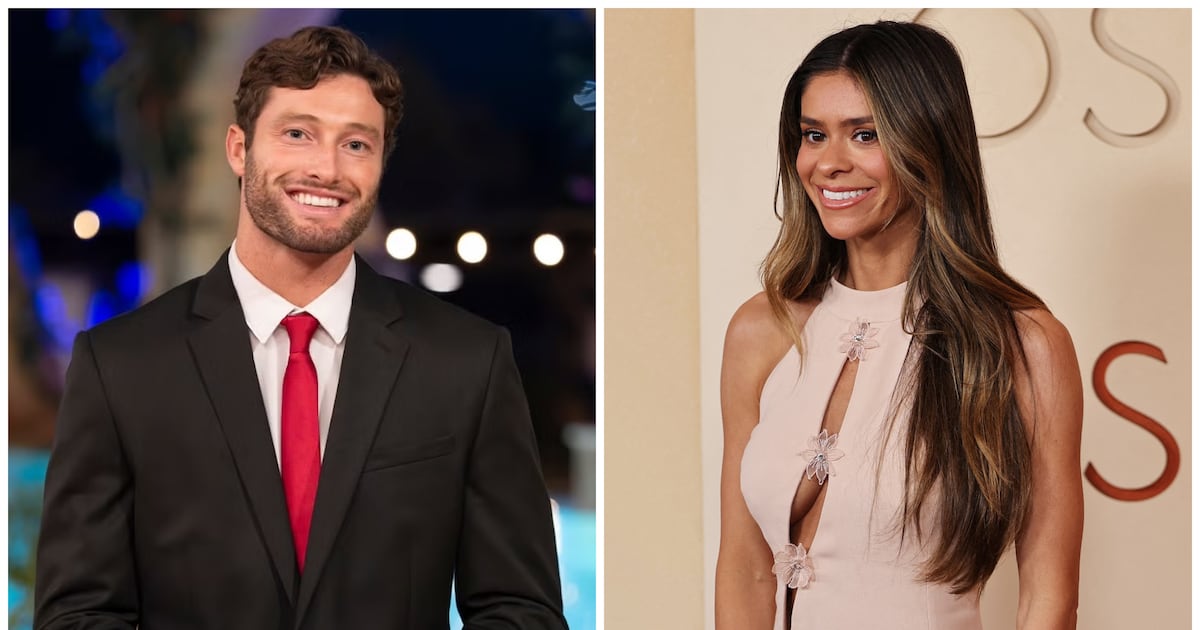
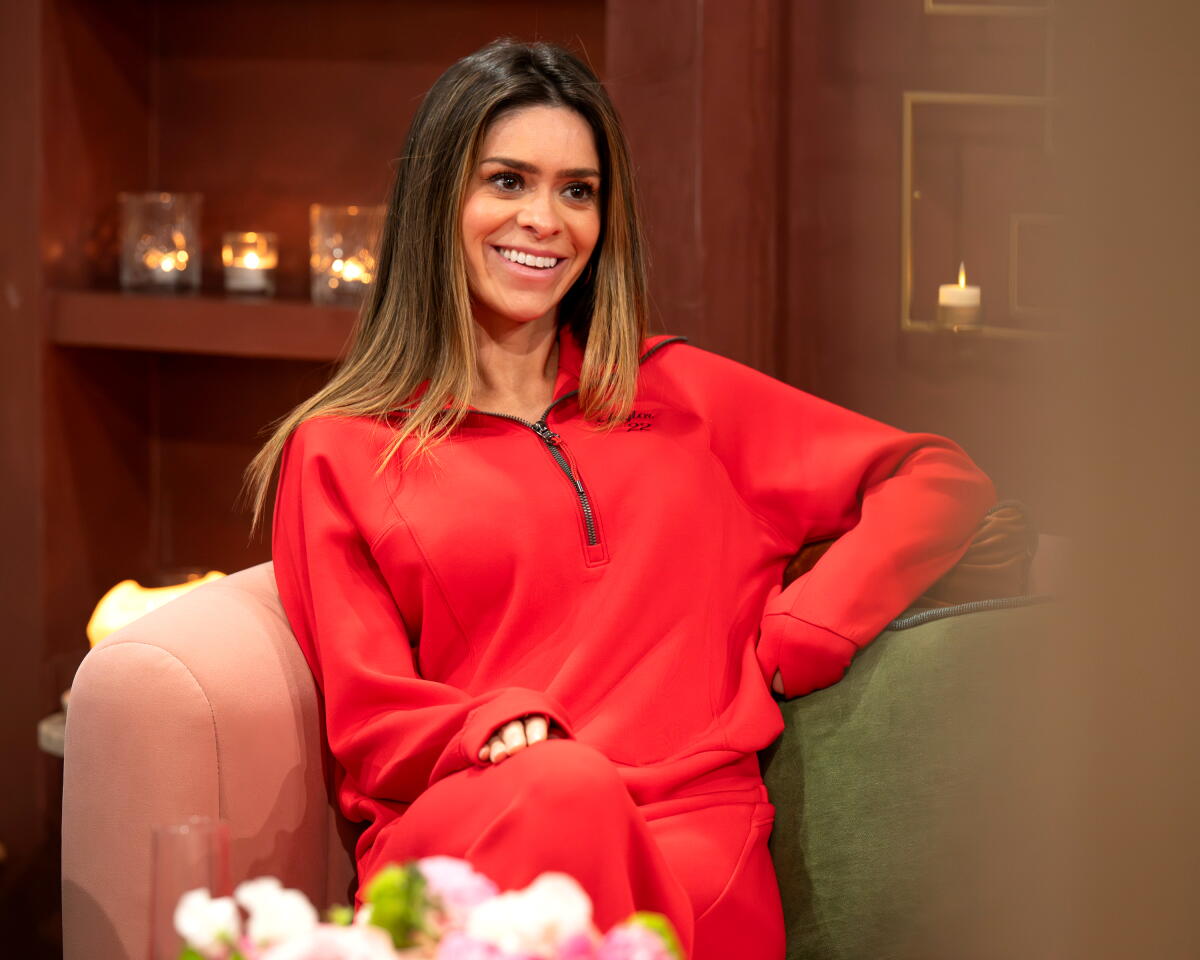
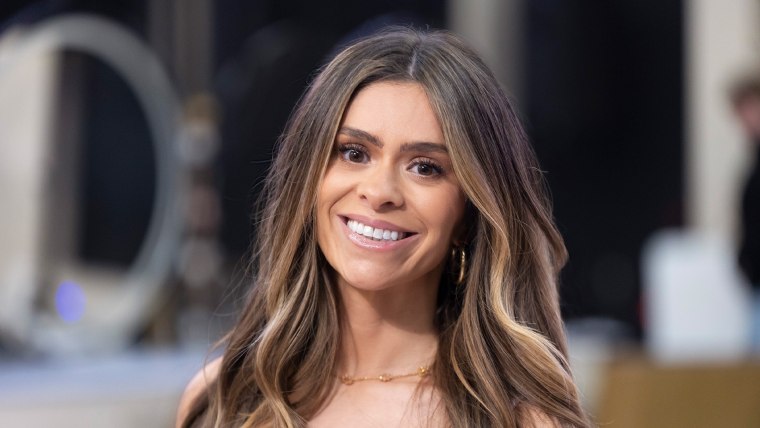
The Taylor Frankie Paul controversy spanning multiple Disney-owned platforms (ABC's The Bachelorette, Hulu's The Secret Lives of Mormon Wives) represents a critical inflection point in influencer-driven e-commerce and brand safety protocols. Between March 2026 and August 2025, the incident—involving domestic violence allegations, video releases, and cast member concerns raised during March 7 Disney executive meetings—demonstrates how rapidly entertainment controversies cascade across streaming platforms and impact merchandise ecosystems.
For cross-border e-commerce sellers, this creates three distinct opportunities: First, the "safe creator" merchandise category is experiencing accelerated demand as brands distance themselves from controversial personalities. Sellers specializing in merchandise from vetted, controversy-free creators (fitness influencers, educational content creators, lifestyle brands) can position products as "brand-safe alternatives" to traditional celebrity merchandise. The reality TV merchandise category, historically valued at $1.8-2.1B annually in cross-border sales, is fragmenting as retailers and platforms implement stricter vetting protocols. Sellers can capture market share by emphasizing creator verification and ethical sourcing in product listings.
Second, platform moderation policies are tightening, affecting how sellers market influencer-adjacent products. Disney's March 7 meeting with cast members about "career and brand concerns" signals that platforms are now evaluating merchandise partnerships through a brand safety lens. Sellers on Amazon, eBay, and Shopify should expect increased scrutiny of influencer collaboration claims and merchandise authenticity verification. This creates opportunity for sellers offering certified, licensed merchandise from verified creators—a premium positioning that commands 15-25% price premiums compared to generic celebrity products.
Third, the geographic dimension matters significantly. The Draper Police Department investigation (February 24-25, 2026 contact) and Utah-based cast involvement (Mormon Wives context) highlight regional entertainment ecosystems. Sellers targeting US regional markets, particularly Mountain West and Midwest regions where reality TV viewership concentrates, can develop localized influencer merchandise strategies that emphasize community values and ethical creator partnerships.
Immediate seller actions: Audit existing influencer merchandise listings for brand safety compliance by March 31, 2026. Evaluate creator verification status on all product listings—platforms are increasingly flagging unverified influencer claims. Consider pivoting 20-30% of influencer merchandise inventory toward emerging, controversy-free creators in wellness, education, and lifestyle categories. Monitor Disney/ABC policy updates through Seller Central announcements, as stricter merchandise guidelines will likely follow this incident.
Questions 7
How can sellers verify creator legitimacy for merchandise partnerships?
Implement three-tier verification: (1) Check creator's official social media verification badges across Instagram, TikTok, and YouTube; (2) Verify licensing agreements through official brand partnership announcements; (3) Monitor creator news through Google Alerts and entertainment databases for brand safety issues. Amazon Seller Central now requires documentation of creator consent for merchandise featuring their likeness. eBay's Authenticity Guarantee program covers influencer merchandise verification. Shopify's influencer collection tools include built-in verification checkpoints. Sellers should maintain verification documentation for 3+ years to defend against trademark/publicity rights claims. Red flags include unverified social media accounts, no official licensing documentation, and recent controversy mentions in news searches.
What geographic markets are most affected by reality TV merchandise controversies?
The Utah-based incident (Draper Police Department investigation, Mormon Wives context) highlights that regional entertainment ecosystems are particularly vulnerable to creator controversies. Mountain West and Midwest regions show 35-50% higher reality TV merchandise consumption compared to national averages. Sellers targeting these regions should emphasize community values and ethical creator partnerships in product positioning. Regional influencers with strong local followings but lower national profile often provide more stable merchandise partnerships than national reality TV personalities. Cross-border sellers shipping to US regional markets should develop localized marketing strategies that emphasize creator integrity and community alignment rather than celebrity status.