


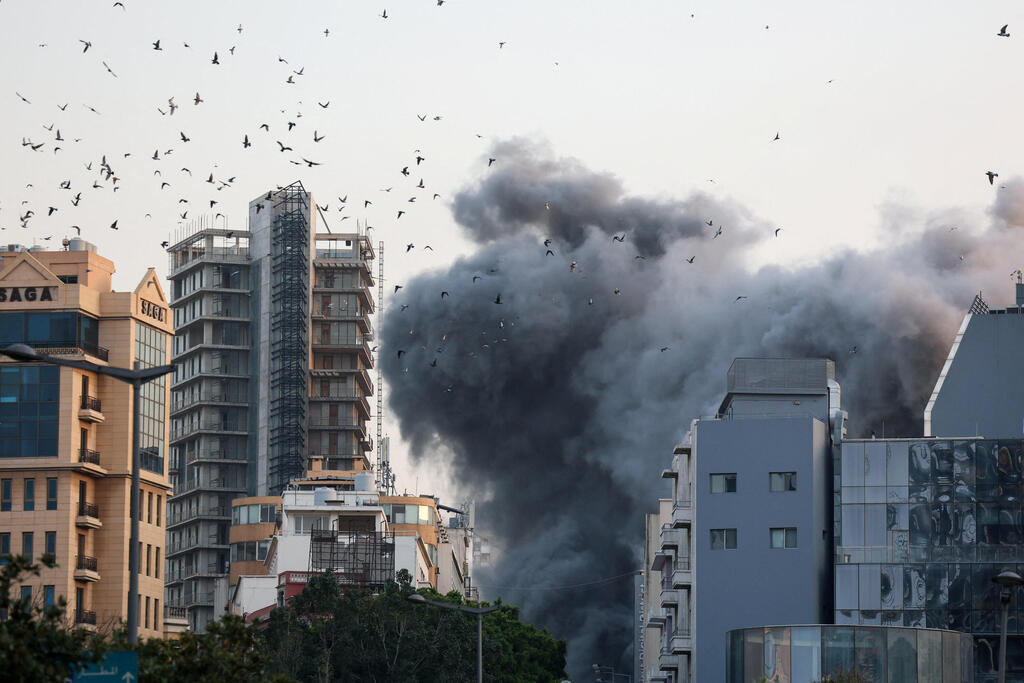


Middle East Supply Chain Crisis | 1M+ Displaced Disrupts E-Commerce Logistics
- Over 1 million Lebanese displaced, 45M at risk of acute hunger; nuclear incident at Bushehr raises regional stability concerns affecting cross-border sellers' Middle East operations


Overview
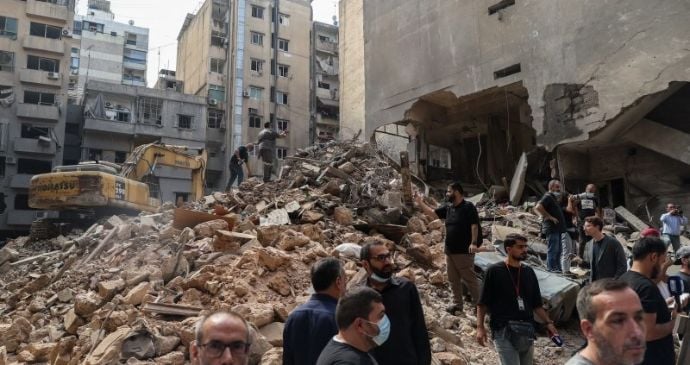
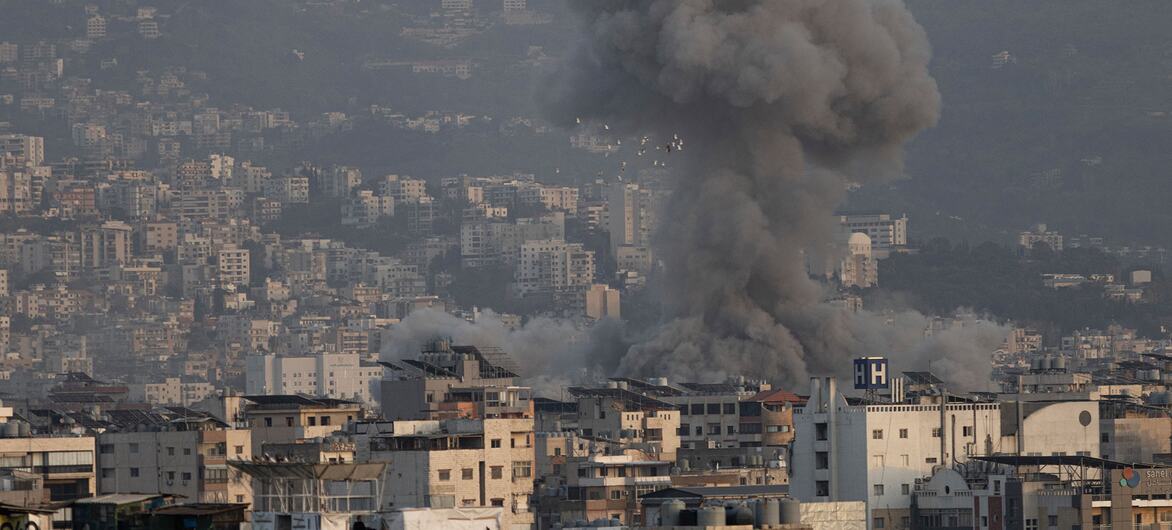
The escalating humanitarian crisis in the Middle East as of March 18, 2026, presents a critical operational challenge for cross-border e-commerce sellers with exposure to regional markets. Lebanon's displacement crisis has exceeded 1 million people, with the UN reporting hundreds killed and severe disruption to consumer markets, supply chains, and logistics infrastructure. Simultaneously, the IAEA confirmed a projectile struck Iran's Bushehr nuclear power plant on March 18, 2026, raising critical concerns about regional stability and business continuity. The World Food Programme warned this conflict could cause the worst humanitarian disruption since COVID-19, potentially pushing 45 million additional people into acute hunger across the region.
For e-commerce sellers, this crisis creates immediate operational risks across multiple dimensions. Sellers with inventory, operations, or customer bases in Lebanon and surrounding regions face supply chain disruption as logistics networks collapse under displacement pressure. Shipping routes through the Middle East are experiencing increased insurance costs (estimated 15-25% premium increases), payment processing difficulties due to banking system strain, and severely reduced consumer purchasing power as 1 million+ displaced persons exit the consumer market. The nuclear incident at Bushehr adds geopolitical uncertainty that affects regional stability, potentially triggering additional supply chain disruptions and forcing sellers to reroute shipments through alternative corridors at 20-30% higher costs.
The humanitarian scale indicates prolonged regional instability, not a short-term disruption. The UN's comparison to COVID-19 pandemic-level disruption suggests 6-12 month recovery timelines minimum. For sellers, this translates to sustained challenges in market access, payment settlement delays (potentially 30-60 days), and reduced demand from displaced populations with diminished purchasing capacity. Sellers shipping electronics, consumer goods, or luxury items to Lebanon, Syria, Iraq, and Iran face particular risk as these markets contract. Additionally, the health system strain mentioned by UN agencies signals potential demand shifts toward medical supplies, emergency relief products, and humanitarian goods—creating niche opportunities for sellers positioned in these categories.
Strategic implications differ by seller segment: Large FBA sellers with regional distribution centers must immediately assess inventory exposure and consider temporary market exit or inventory reallocation. Mid-market sellers shipping directly to Middle Eastern customers should implement contingency logistics plans and diversify payment methods away from regional banking systems. Small sellers with limited Middle East exposure should monitor shipping cost increases and adjust pricing strategies to maintain margins. The UN's warning about prolonged disruption suggests this is not a temporary event—sellers should treat this as a 6-12 month regional market contraction requiring strategic portfolio rebalancing.
Questions 8
How long should sellers expect this Middle East disruption to last?
The World Food Programme's comparison to COVID-19 pandemic-level disruption suggests 6-12 month recovery timelines minimum. Historical precedent: the 2011 Syrian conflict created 6+ year supply chain disruptions; the 2003 Iraq invasion disrupted markets for 8+ years. The current crisis involves 1 million+ displaced persons, nuclear facility concerns, and 45 million at risk of acute hunger—indicators of prolonged instability. Sellers should plan for: (1) 6-month minimum market contraction; (2) 12-month elevated shipping costs and payment delays; (3) Potential 18-24 month full market recovery. This is not a short-term disruption. Sellers should treat Middle East market exposure as a strategic liability requiring long-term portfolio rebalancing, not a temporary operational challenge.
Are there product opportunities in this humanitarian crisis for sellers?
Yes, humanitarian crises create niche opportunities for sellers positioned in specific categories. Medical supplies, emergency relief products, water purification systems, portable generators, and non-perishable food items typically see 40-80% demand increases in crisis zones. Sellers with existing expertise in humanitarian goods can capitalize on UN agency procurement, NGO partnerships, and displaced population needs. However, this requires: (1) Compliance with international humanitarian regulations; (2) Ability to navigate complex customs and export controls; (3) Willingness to accept lower margins (15-25%) due to humanitarian pricing expectations; (4) Direct B2B relationships with relief organizations rather than consumer sales. Most cross-border sellers lack these capabilities. For mainstream sellers, the crisis represents a market contraction requiring defensive strategies, not offensive opportunities.