






Digital Content's Global Regulatory Minefield: When Creator Ambitions Collide with Local Laws
- Emerging risks for cross-border content creators navigating complex international legal landscapes





.jpg)
















Overview
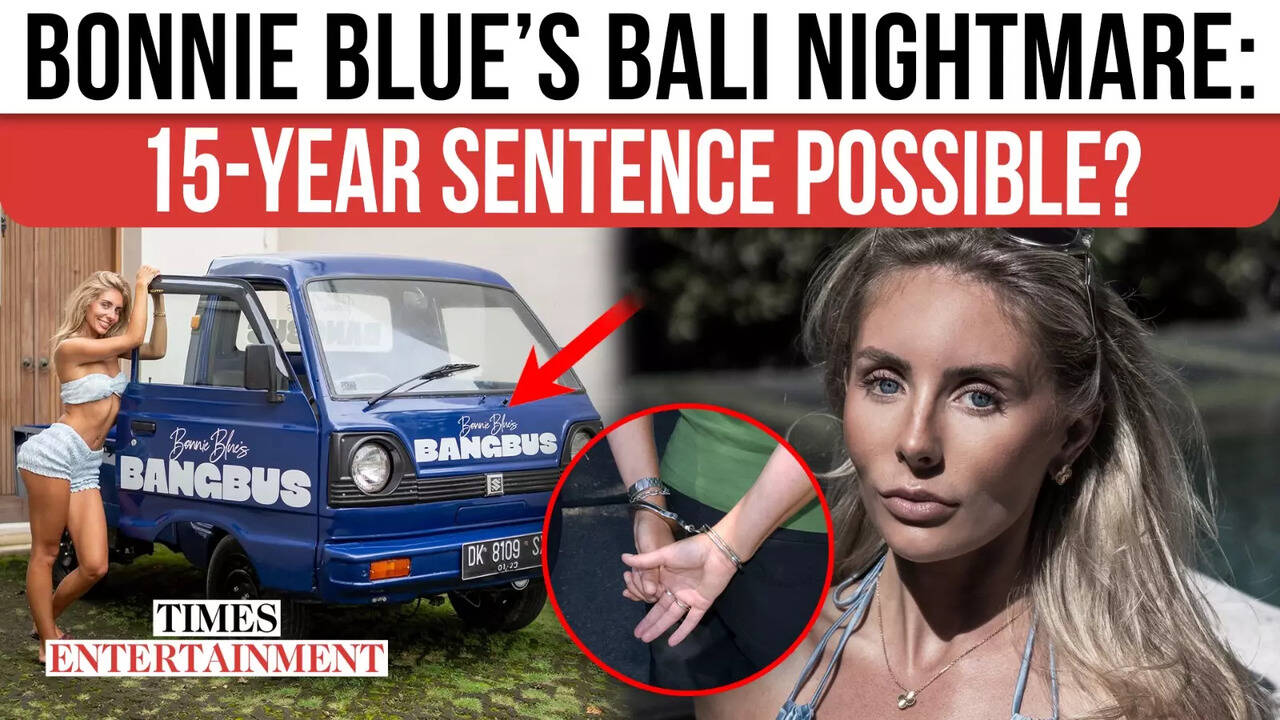
The Bonnie Blue incident reveals a critical inflection point in digital content creation, where individual creator ambitions dramatically clash with stringent local regulatory frameworks. Cross-border content production has entered a high-stakes era where cultural misunderstandings can trigger severe legal consequences.
In this pivotal case, a British OnlyFans creator's attempt to produce explicit content in Bali triggered a comprehensive legal response that goes far beyond a simple arrest. Indonesian authorities demonstrated an uncompromising stance, not just penalizing the individual but sending a broader message about protecting local cultural and legal standards. The potential consequences are staggering: Blue faces up to 15 years imprisonment and fines reaching 6 billion rupiah, underscoring the extreme risks of miscalculating local regulatory environments.
The incident illuminates three critical trends for digital content creators: First, the growing sophistication of local law enforcement in tracking and prosecuting international content violations. Second, the increasing importance of understanding nuanced cultural and legal contexts beyond mere technical compliance. Third, the emergence of geo-legal risk as a fundamental consideration for creators operating across international markets.
Particularly noteworthy is how local communities actively participate in enforcement. An anonymous expat's report triggered the investigation, revealing a sophisticated ecosystem of cultural gatekeeping. This suggests that content creators can no longer rely on anonymity or assume permissiveness—local stakeholders are increasingly vigilant and willing to report perceived transgressions.
The broader implications extend well beyond this specific case. Digital content creators must now view international operations as complex geopolitical negotiations, requiring deep cultural intelligence, legal consultation, and strategic restraint. The era of cavalier, boundary-pushing content production is rapidly giving way to a more nuanced, compliance-driven approach.
Questions 3
What specific legal risks do content creators face when producing content internationally?
Content creators can face severe consequences including potential imprisonment (up to 15 years in this case), massive financial penalties, deportation, and long-term entry bans. The risks extend beyond content creation to include visa violations and cultural transgression.
What should digital content creators do to mitigate international legal risks?
Creators must conduct thorough research on local legal frameworks, consult with legal experts familiar with international regulations, respect cultural sensitivities, and carefully verify visa and content production permissions before operating in foreign markets.