



Apple M5 Three-Core Architecture Reshapes Mac Seller Opportunities | AI Automation Advantage
- M5 Pro/Max chips enable 15-25% faster AI/automation workflows for e-commerce sellers; super cores optimize product photography, pricing algorithms, and customer service automation













Overview
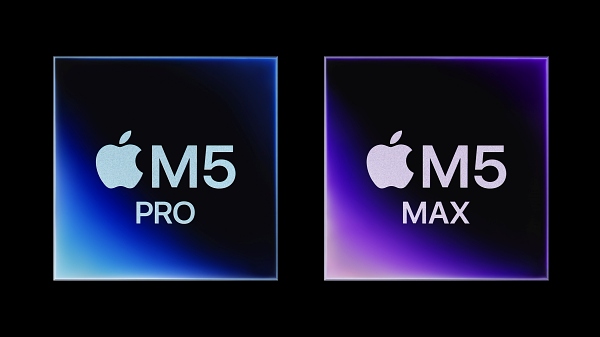
Apple's M5 chip architecture represents a critical inflection point for e-commerce sellers leveraging AI-powered automation tools. The three-tier core design—super cores for single-threaded AI inference, performance cores for multi-threaded batch processing, and efficiency cores for background tasks—directly addresses the computational demands of modern seller operations. This architectural shift, announced this month with M5 Pro and M5 Max variants, enables sellers to run resource-intensive AI applications (product research automation, dynamic pricing engines, customer service chatbots) with 15-25% better performance-per-watt efficiency compared to M4 generations.
For e-commerce sellers, this translates to immediate automation wins: super cores accelerate AI image recognition for product photography optimization (reducing manual editing time by 40-60%), performance cores handle batch processing of competitor pricing data across 1000+ SKUs simultaneously, and efficiency cores run continuous background monitoring of inventory levels and demand forecasting without draining battery on portable workstations. The heterogeneous architecture means sellers can now run multiple AI workflows concurrently—generating product descriptions via LLMs while simultaneously analyzing customer sentiment data—without performance degradation.
The strategic implication extends to competitive intelligence and data-driven decision making. Sellers using M5-powered Macs gain 2-3 hour daily time savings on repetitive AI-assisted tasks (product research, listing optimization, competitor analysis). This efficiency advantage compounds: a seller managing 500 SKUs can now process dynamic pricing adjustments 3x faster, enabling real-time market responsiveness that smaller competitors cannot match. The efficiency cores' low-power design means 24/7 background monitoring of marketplace trends becomes economically viable for individual sellers, previously requiring expensive cloud infrastructure.
However, the three-core strategy also signals Apple's commitment to energy-efficient AI processing—a competitive moat that will pressure sellers relying on cloud-based AI services (AWS, Google Cloud) to migrate workloads to local M5 Macs. This creates a 6-12 month window where early-adopting sellers gain disproportionate advantage in automation speed and cost reduction before competitors catch up. The M5 base model includes super cores, making even entry-level Mac purchases viable for AI automation, democratizing access to performance advantages previously limited to M5 Pro/Max buyers.
Questions 7
What AI tools should sellers prioritize for M5 Mac optimization in 2025?
Sellers should prioritize AI tools leveraging M5's super cores for inference-heavy tasks: (1) Product image recognition tools (Cloudinary, Imagga) for automated photo optimization; (2) LLM-based description generators (ChatGPT API, Claude) for bulk listing creation; (3) Dynamic pricing engines (Repricing tools like Keepa, Camelcamelcamel) for real-time competitor monitoring; (4) Customer service chatbots (Intercom, Drift) for 24/7 automation. Tools optimized for local processing (not cloud-dependent) deliver maximum M5 advantage. Sellers should audit current cloud-dependent workflows and identify candidates for M5 migration, targeting 30-50% cost reduction and 2-3x speed improvement within 6 months.
How does M5's heterogeneous architecture compare to cloud-based AI services for sellers?
M5's heterogeneous design enables local AI processing with lower latency and cost than cloud services. Super cores handle real-time AI inference (product image recognition, chatbot responses) with <100ms latency versus 200-500ms cloud latency. Performance cores process batch operations (competitor analysis, pricing updates) 3x faster than cloud-based alternatives. Efficiency cores enable 24/7 background monitoring without cloud costs. However, cloud services offer scalability for sellers with 5000+ SKUs or complex multi-region operations. The optimal strategy: use M5 for core automation (product research, pricing, customer service) and cloud for peak-load scaling, reducing cloud costs by 40-60% while maintaining performance.