




Brazil's Political Powder Keg: Bolsonaro's Sentence Reduction Reveals Deep Democratic Fault Lines
- Controversial legislative maneuver exposes ongoing political polarization and institutional fragility in Brazilian democracy















Overview
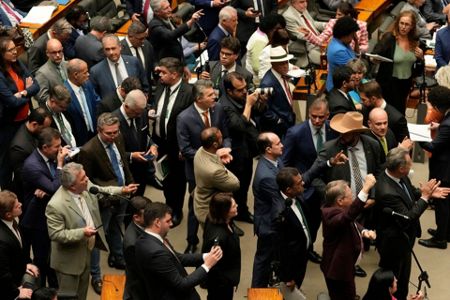
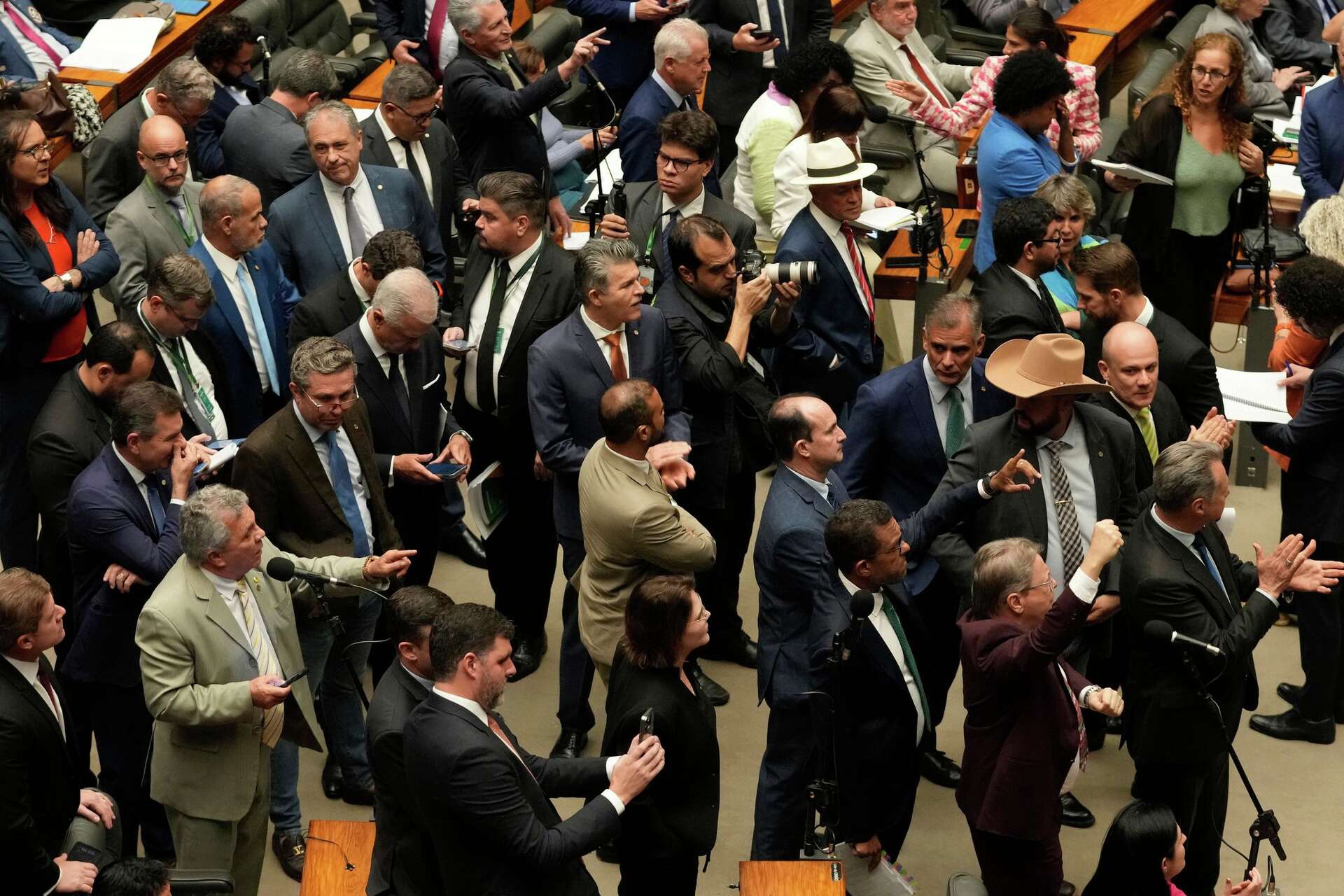
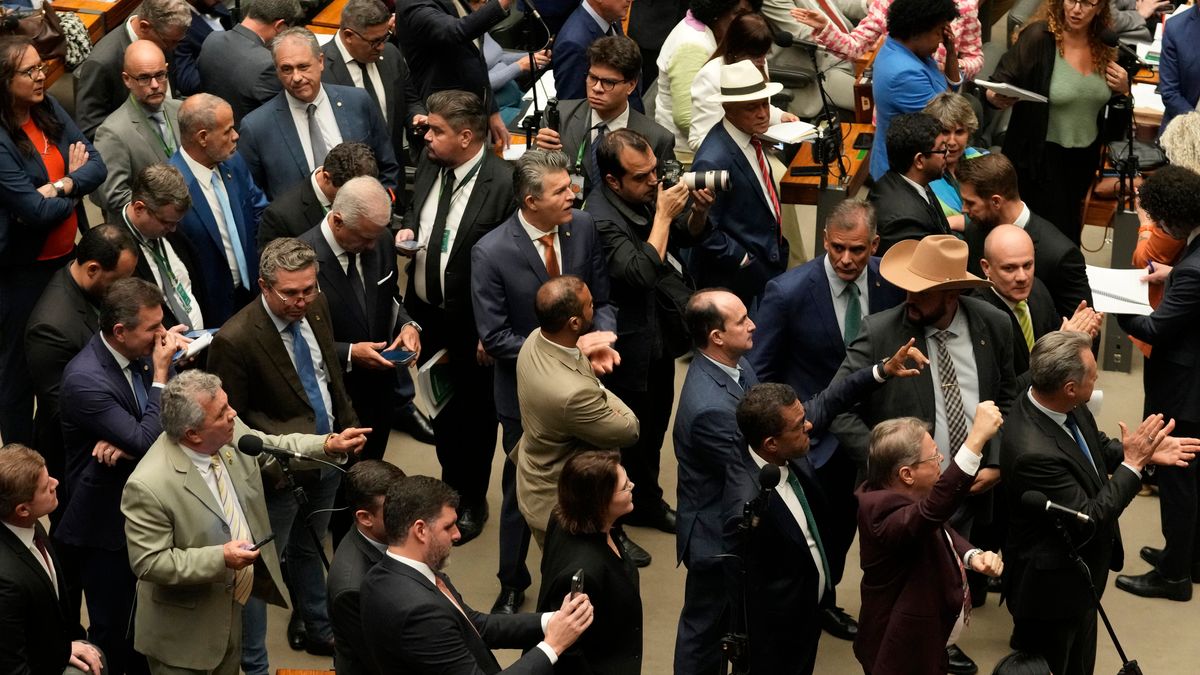
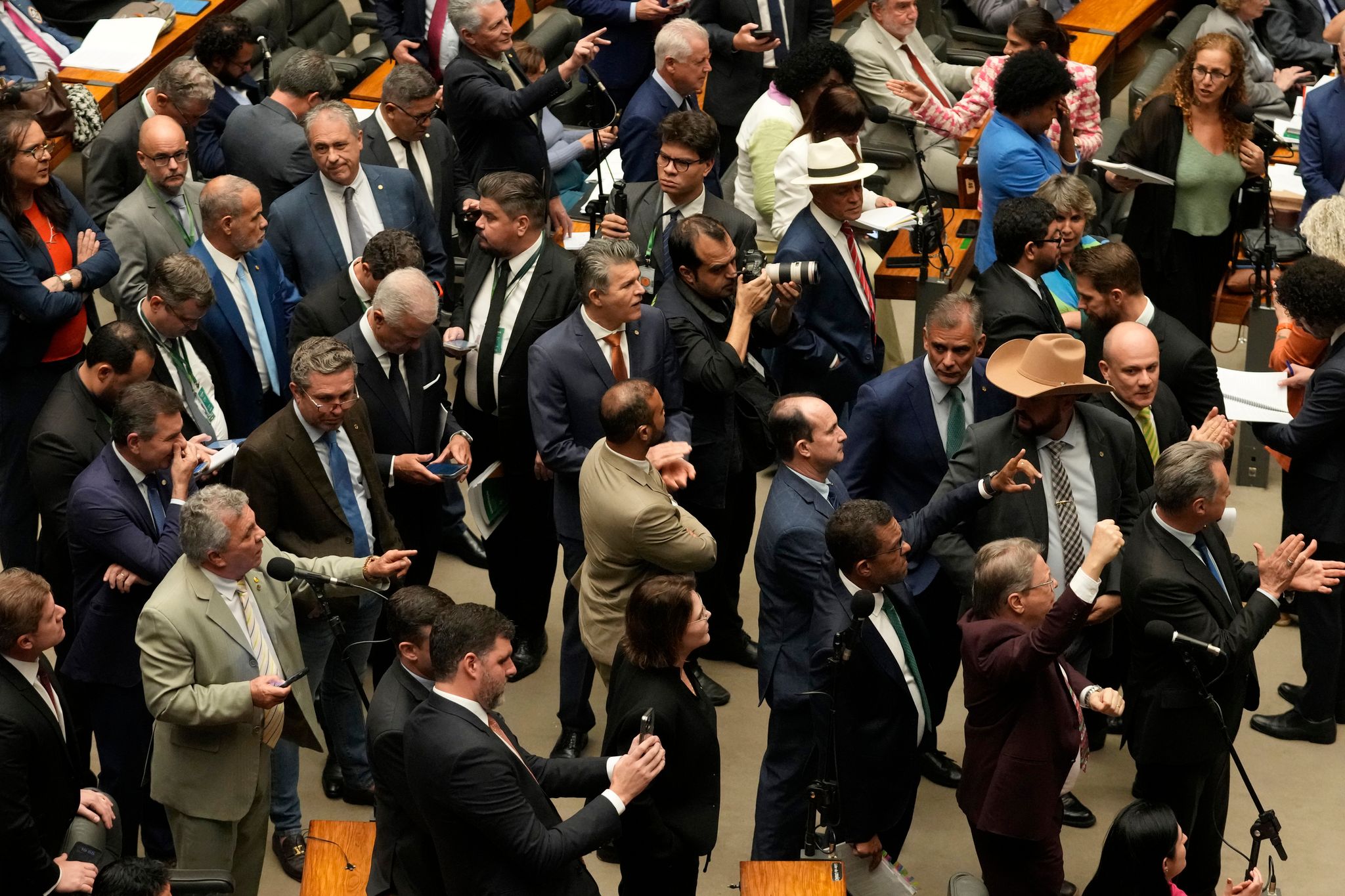
In a dramatic display of political brinkmanship, Brazilian Congress is navigating a treacherous legislative landscape that could dramatically reshape the legal consequences of the January 2023 democratic uprising. The proposed bill to reduce former President Jair Bolsonaro's 27-year prison sentence represents more than a mere legal adjustment—it's a strategic battlefield that exposes the deep fractures in Brazil's political ecosystem.
The legislative proposal, approved by the lower house with a 291-148 vote, would potentially reduce Bolsonaro's sentence to just over two years and create a potential pathway for releasing approximately 100 supporters who participated in the government building invasion. This move is not just about one man's legal fate, but a calculated political chess game with profound implications for Brazil's democratic stability.
The bill's progression reveals multiple layers of strategic complexity. Conservative lawmakers are attempting to reframe the narrative around the January 2023 coup attempt, seeking to minimize its severity by modifying sentencing guidelines. By combining charges and suggesting faster sentence progression, they're essentially trying to rewrite the legal interpretation of a direct challenge to democratic institutions.
President Luiz Inácio Lula da Silva faces a critical decision. While he has previously indicated a potential veto, the political calculus is intricate. The bill's sponsor, Paulinho da Força, frames it as a move to "pacify Brazil," but it's transparently a maneuver to create political breathing room for the right-wing opposition.
The broader context is even more complex. Flávio Bolsonaro's 2026 presidential ambitions and the internal tensions within right-wing political circles add another layer of strategic maneuvering. The potential release of Bolsonaro and his supporters could reignite the political tensions that have been simmering since the 2022 election.
This legislative drama is a microcosm of Brazil's ongoing democratic challenge: how to balance accountability with political reconciliation, and how to prevent the erosion of institutional norms while managing deep political polarization.
Questions 3
What are the potential risks of this legislative maneuver?
The bill risks further polarizing Brazilian society, potentially undermining democratic institutions by minimizing the severity of the January 2023 uprising and creating a precedent that could encourage future anti-democratic actions.
How might this legislative move impact Brazil's political landscape?
The bill represents a significant attempt by conservative lawmakers to reframe the narrative around the 2023 coup attempt, potentially reducing accountability and creating political space for right-wing opposition strategies ahead of future elections.