



Strait of Hormuz Safe Passage Opens | Shipping Cost Relief for Cross-Border Sellers
- Iran allows Japanese, G7 nations transit; 22-country coalition secures waterway; freight rates stabilizing after February 28 blockade disruption



















Overview
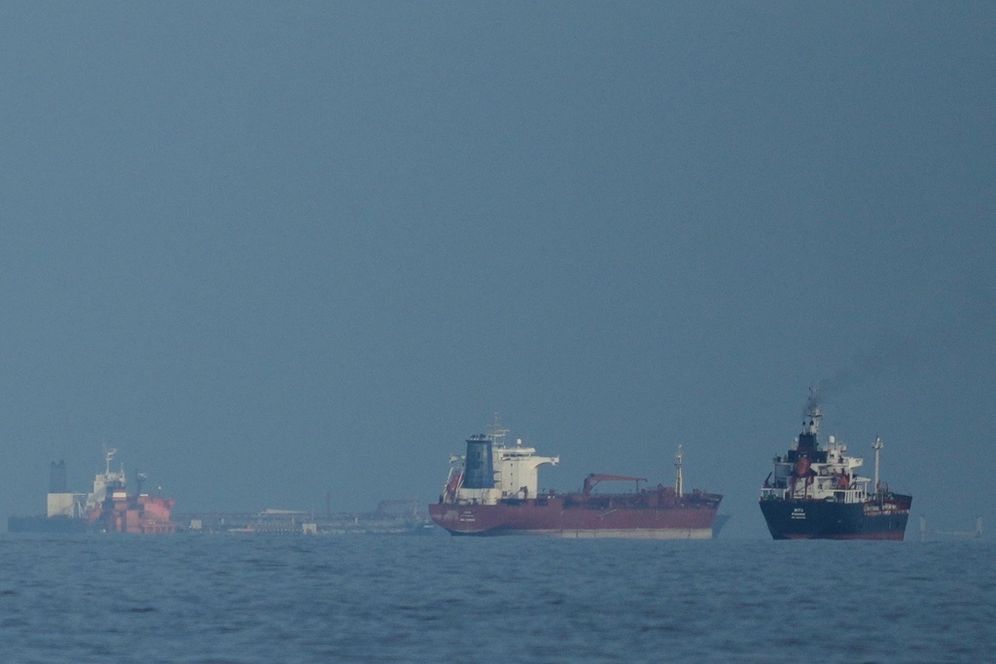
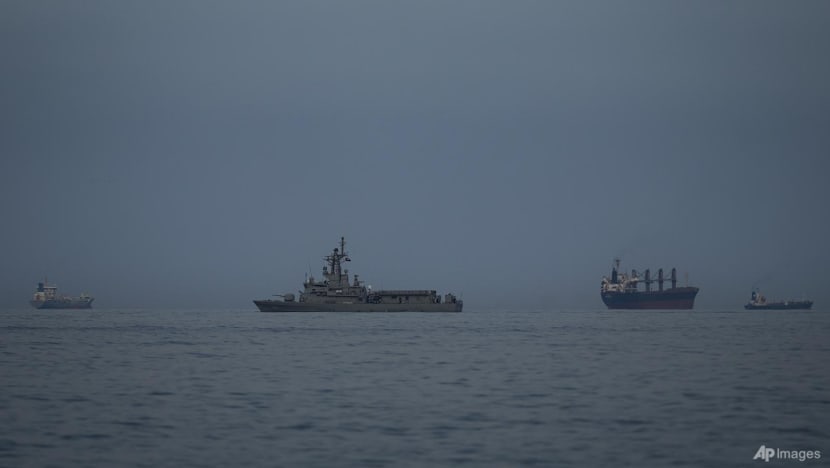
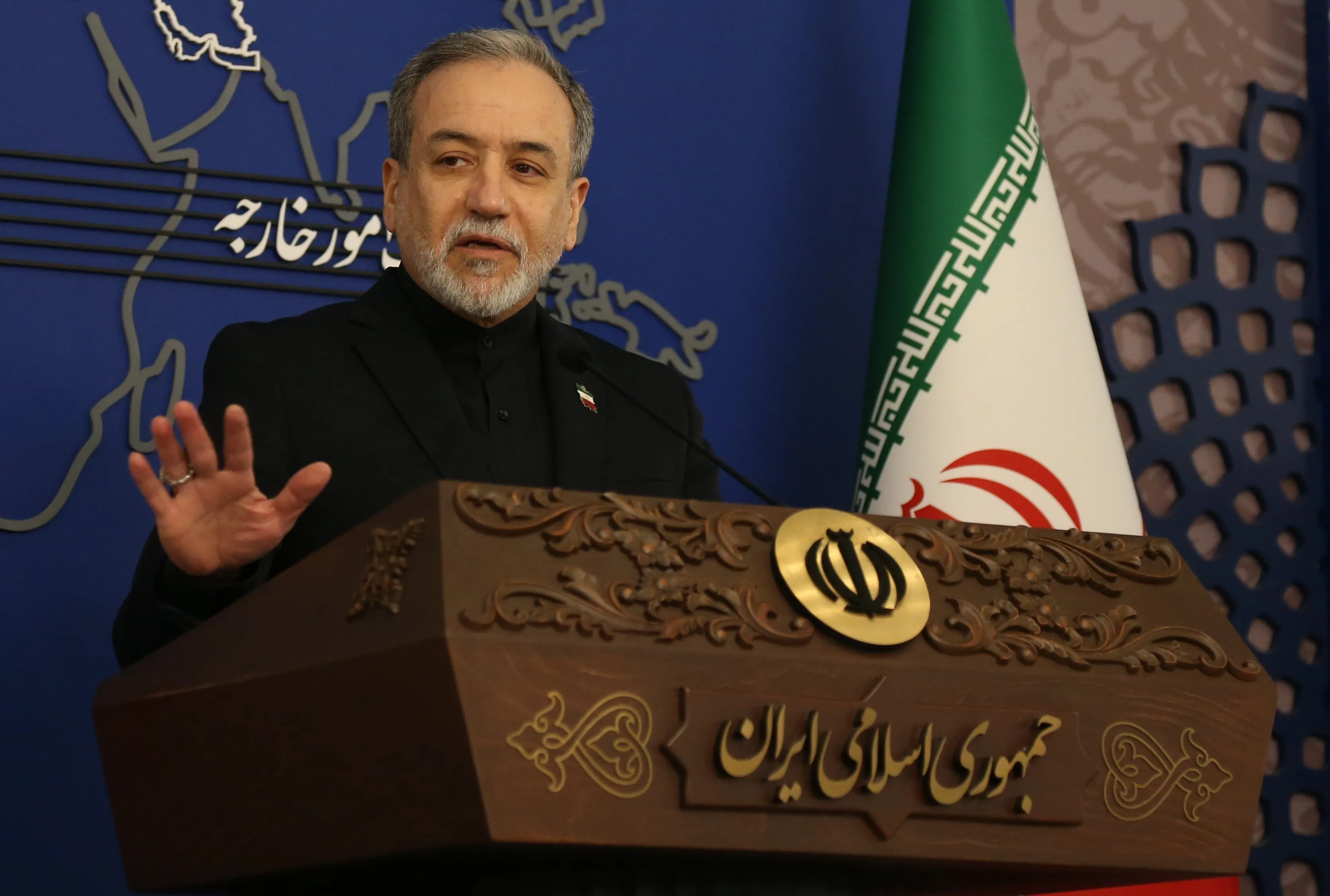
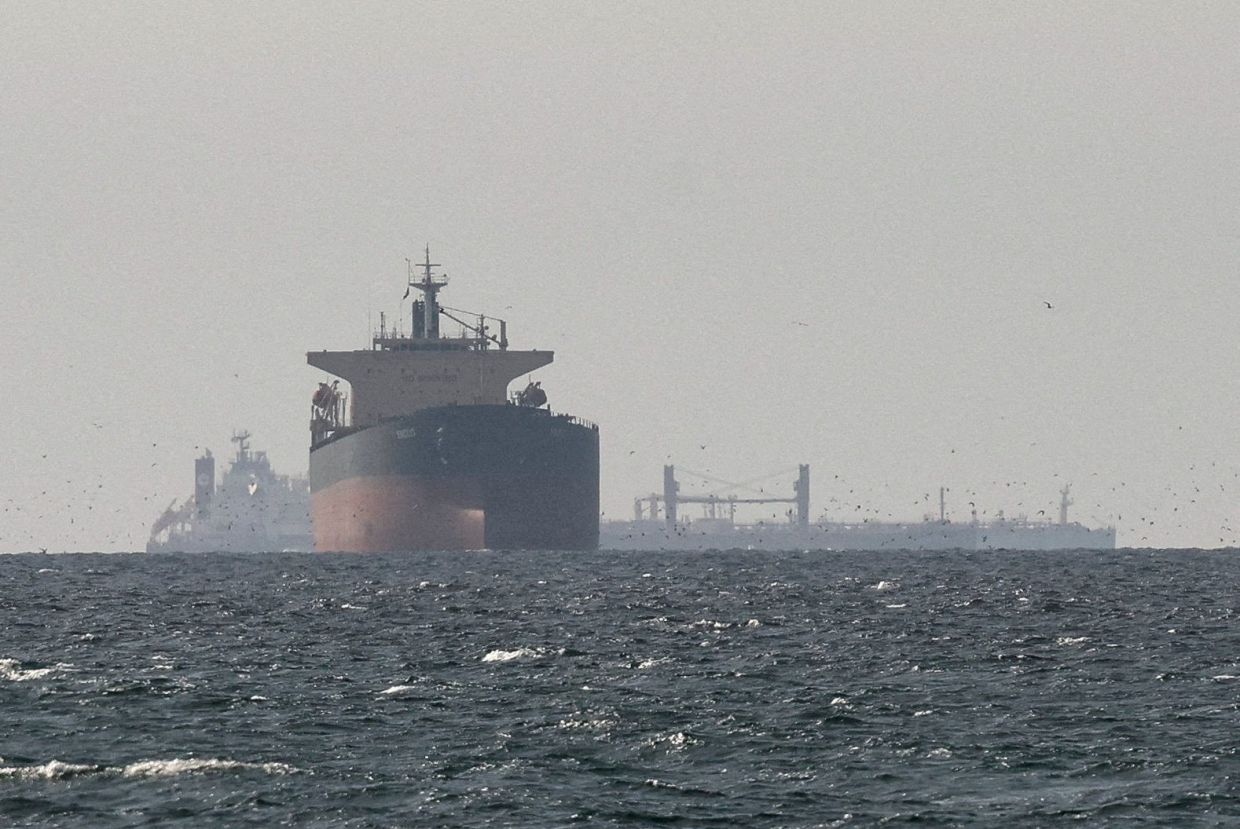
The Strait of Hormuz blockade is entering a resolution phase following Iran's announcement of selective safe passage agreements with Japan and other non-hostile nations. Iranian Foreign Minister Abbas Araghchi confirmed on March 21, 2026, that Tehran will allow Japanese vessels to transit upon request, marking a significant de-escalation from the February 28 closure that disrupted global shipping. This development directly impacts cross-border e-commerce logistics, as the Strait handles approximately one-third of seaborne traded oil and serves as a critical corridor for Asia-Europe trade.
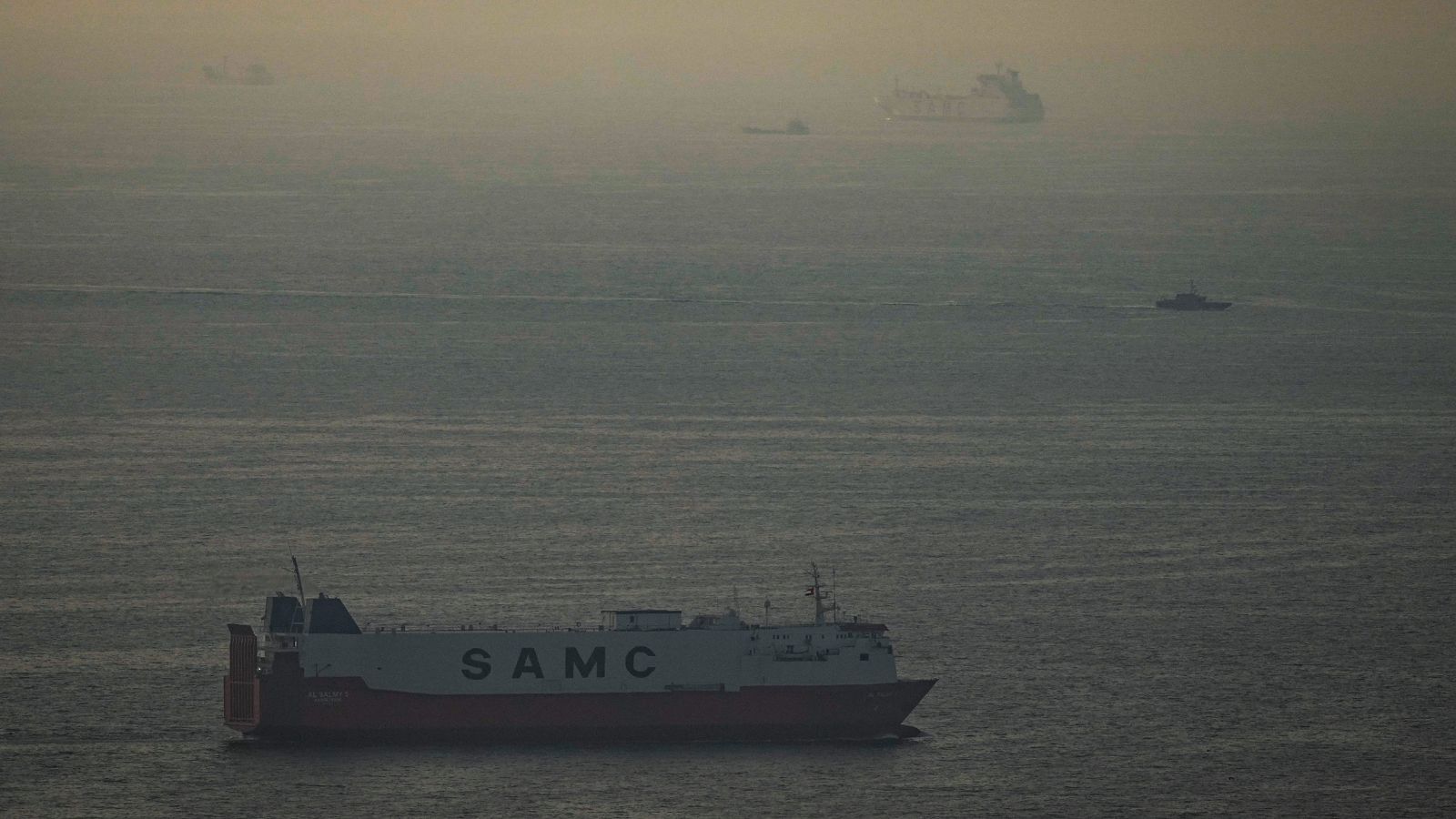
Immediate shipping cost implications for sellers are substantial. The blockade stranded numerous Japanese vessels in the Persian Gulf, disrupting inventory flows and elevating freight expenses by 15-25% above baseline rates. With Iran's formal vetting and registration system now operational (approximately 10 ships have successfully transited via a safe corridor near Iran's coastline), sellers relying on Middle Eastern sourcing or exporting through this route can expect gradual normalization. Energy price stability directly translates to reduced logistics costs: the G7's March 21 joint statement affirming commitment to protect energy supplies signals coordinated international action to prevent further disruptions. For sellers shipping from Asia to Europe or North America, this represents potential savings of $200-400 per 20-foot container as fuel surcharges decline and insurance premiums normalize.
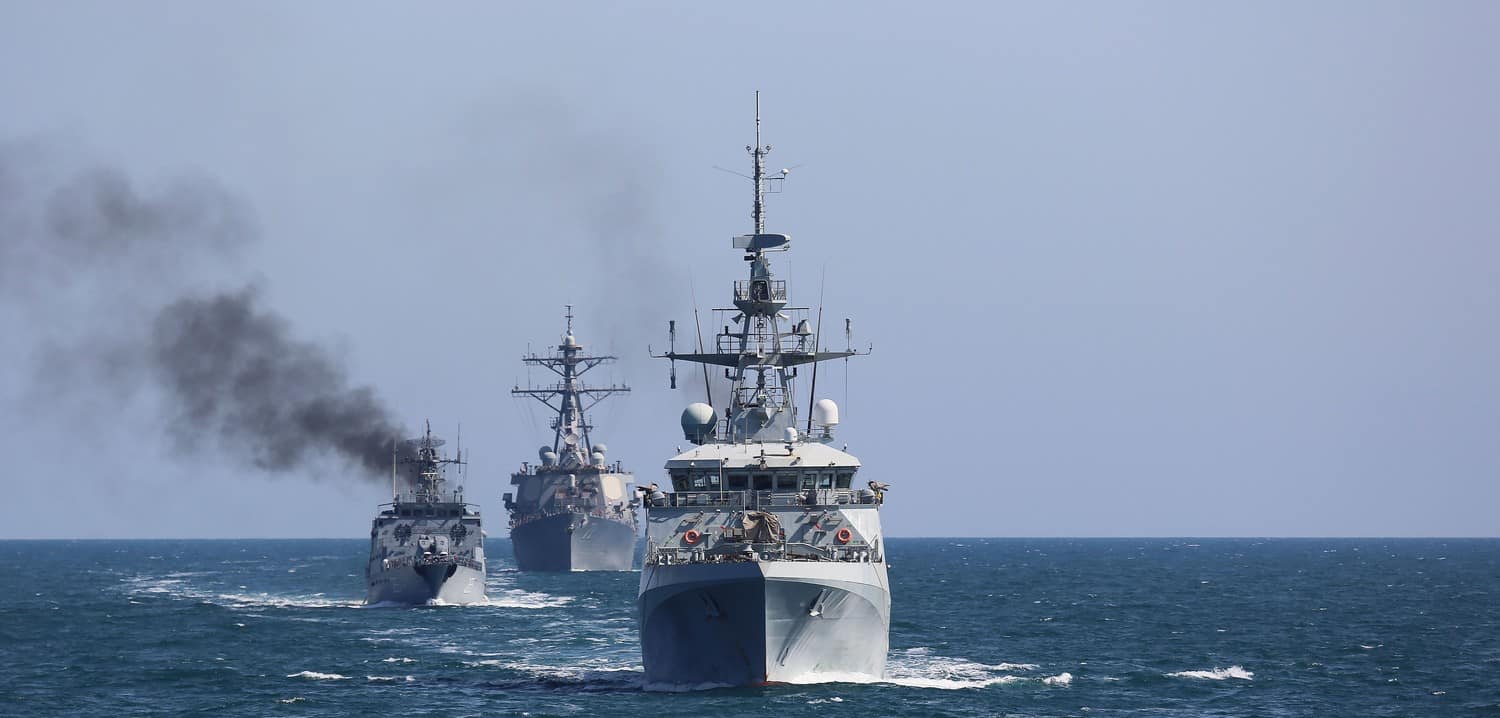
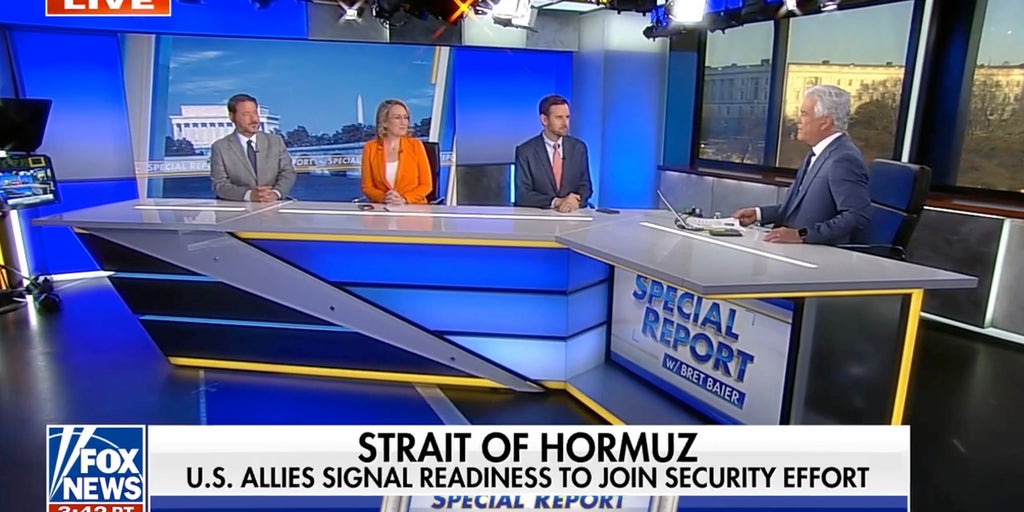
Strategic sourcing opportunities emerge for sellers targeting Japanese and G7 markets. Japan's diplomatic leverage with Iran—maintained through relatively friendly relations—creates preferential access to the Strait compared to US-aligned nations. Sellers sourcing from Middle Eastern suppliers (petrochemicals, minerals, energy equipment) or exporting Japanese electronics and automotive components can now plan inventory with greater certainty. The 22-country coalition (including Australia, UAE, South Korea, and EU members) signals sustained international commitment to maintaining open passage, reducing geopolitical risk for the next 6-12 months. However, passage approval timelines remain uncertain—Iran requires nations to contact Tehran directly to discuss transit arrangements, creating potential delays of 2-4 weeks for first-time approvals. Sellers should monitor Iran's vetting procedures and consider maintaining 15-20% safety stock for critical components during the transition period (April-June 2026).
Competitive advantages shift toward sellers with established Middle Eastern supply chains. Small and medium-sized sellers (SMBs) relying on air freight alternatives during the blockade face margin compression as sea freight becomes viable again—but only for those with existing relationships in the region. Large sellers with 3PL networks in Dubai, Singapore, and Port Said can immediately capitalize on lower shipping costs, potentially undercutting competitors still using expensive air routes. The emerging safe corridor system suggests potential normalization by Q2 2026, but uncertainty regarding future Iranian actions requires contingency planning. Sellers should diversify routing options: while the Strait remains the fastest Asia-Europe corridor, alternative routes via the Suez Canal (longer but more stable) provide insurance against future disruptions.
Questions 7
Which seller segments benefit most from the Strait of Hormuz reopening?
Large sellers with established 3PL networks in Dubai, Singapore, and Port Said gain immediate competitive advantages as sea freight becomes viable again, potentially undercutting SMBs still using air routes. Sellers sourcing from Middle Eastern suppliers (petrochemicals, minerals, energy equipment valued at $2-5B annually) benefit from reduced logistics costs. Japanese sellers and those exporting to G7 markets gain preferential access through Japan's diplomatic leverage with Iran. SMBs relying on air freight during the blockade face margin compression but can recover profitability by Q3 2026 as shipping costs normalize. Sellers in time-sensitive categories (electronics, apparel) that switched to air freight should begin transitioning back to sea freight by May 2026.
How does the Strait of Hormuz blockade resolution affect shipping costs for cross-border sellers?
The blockade resolution enables sellers to shift from expensive air freight back to sea freight, reducing per-unit shipping costs by $200-400 per 20-foot container. Iran's safe passage agreements with Japan and G7 nations (announced March 21, 2026) allow approximately 10 vessels weekly to transit via a formal vetting system. Sellers shipping from Asia to Europe can expect freight rate normalization by Q2 2026 as fuel surcharges decline from 15-25% premiums back to baseline levels. However, first-time passage approvals may require 2-4 weeks of processing through Iran's registration system, so sellers should maintain 15-20% safety stock during the April-June transition period.