


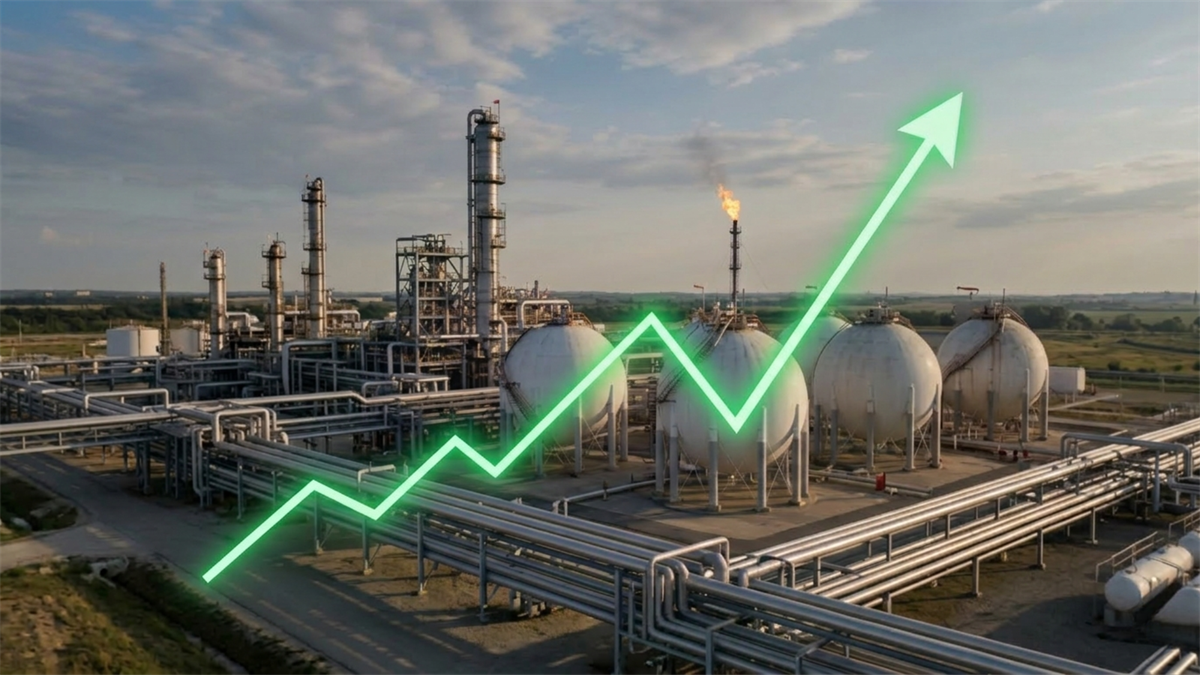
LNG Supply Crisis 2026 | Energy Cost Surge Compresses Seller Margins Across Europe & Asia
- Iranian attacks on Middle East LNG hub trigger sustained price elevation through 2026, increasing fulfillment costs 8-15% for temperature-controlled and logistics-dependent sellers






Overview
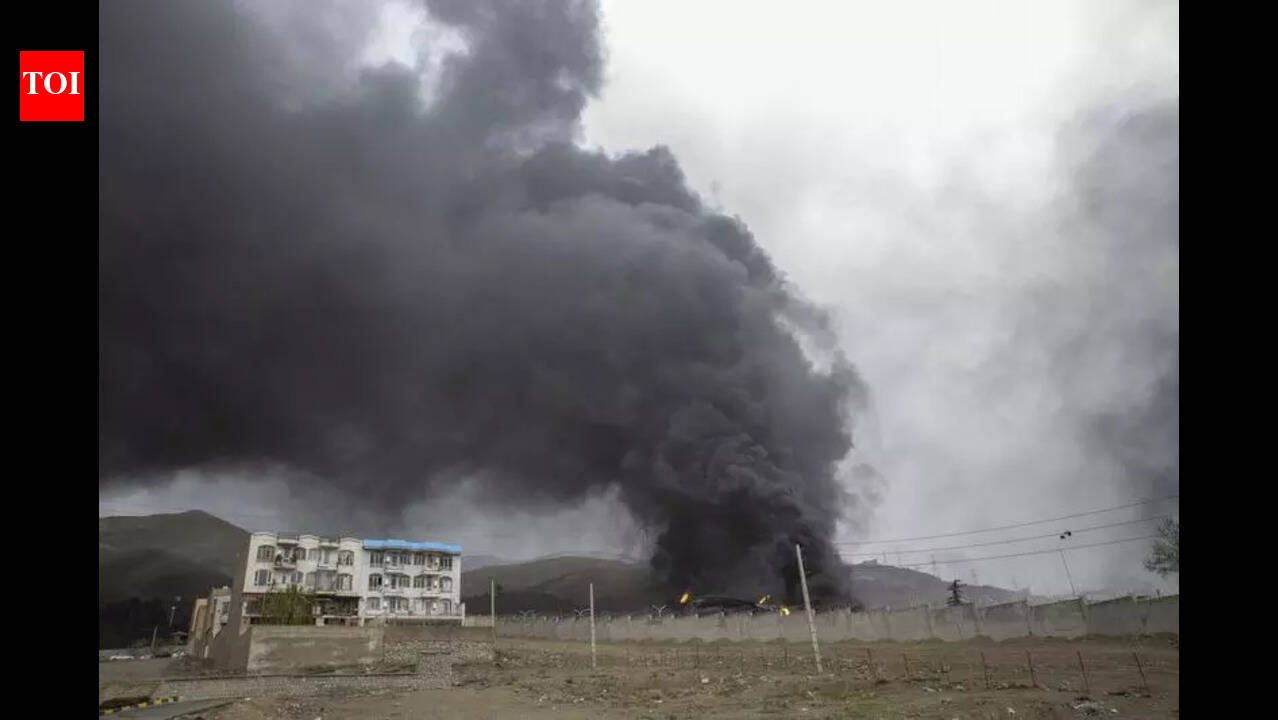
The March 2026 Iranian attacks on Middle Eastern LNG infrastructure represent a critical supply-side shock to global energy markets with direct operational consequences for cross-border e-commerce sellers. According to Barron's reporting (March 19, 2026), attacks targeting a major LNG export hub could disable one of the world's most critical energy exporters for months, with analyst consensus projecting elevated natural gas prices throughout 2026. This disruption cascades directly into seller cost structures: elevated power prices increase warehouse operations expenses, logistics costs, and manufacturing expenses, particularly impacting sellers operating fulfillment centers in Europe and Asia where LNG serves as a primary power generation source.
The operational impact varies significantly by seller segment and product category. Sellers relying on energy-intensive fulfillment operations—climate-controlled storage for temperature-sensitive products (fresh food, pharmaceuticals, cosmetics), high-volume order processing, and cold chain logistics—face margin compression of 8-15% as electricity costs surge and 3PL providers increase shipping rates to offset higher fuel and operational expenses. The news emphasizes that LNG market disruptions create sustained price pressures rather than temporary spikes, indicating prolonged cost impacts extending through Q4 2026. For sellers with significant European or Asian market exposure, this represents a structural cost increase rather than a cyclical fluctuation, requiring immediate pricing strategy adjustments and supply chain optimization.
Competitive dynamics shift toward sellers with hedging strategies and fixed-rate logistics contracts. Companies that locked in long-term shipping rates before March 2026 gain competitive advantages as spot market rates increase 10-20% in response to energy cost inflation. Conversely, sellers relying on variable-rate logistics contracts face immediate cost pressures. The geopolitical context—ongoing Iran-regional power tensions with Trump administration statements against ceasefires—suggests prolonged instability and potential for further energy price spikes if additional infrastructure is damaged. This creates a time-sensitive window for sellers to secure fixed-rate logistics agreements and implement cost-mitigation strategies before rates increase further. Sellers should immediately audit their 3PL contracts, evaluate alternative fulfillment locations in lower-cost energy regions (Southeast Asia, India), and consider strategic inventory repositioning to reduce temperature-controlled storage requirements.
Questions 8
Which seller segments face the greatest margin compression from energy costs?
Sellers in three categories face disproportionate impact: (1) Temperature-controlled fulfillment operators handling fresh food, pharmaceuticals, cosmetics, and perishables; (2) High-volume order processors in Europe and Asia relying on energy-intensive fulfillment centers; (3) Sellers dependent on variable-rate 3PL contracts without hedging protection. The news emphasizes that LNG disruptions create sustained price pressures, not temporary spikes, meaning sellers without fixed-rate logistics agreements face compounding cost increases through 2026. Conversely, sellers with long-term fixed-rate contracts locked in before March 2026 gain competitive advantages as spot market rates increase 10-20%.
How much will LNG supply disruption increase my fulfillment costs in 2026?
Energy cost inflation from the March 2026 LNG supply shock will increase fulfillment expenses 8-15% depending on your operational model. Sellers operating temperature-controlled warehouses for perishable goods, pharmaceuticals, or cosmetics face the highest impact as electricity costs surge in Europe and Asia. According to Barron's analysis, analysts project sustained elevated natural gas prices throughout 2026, meaning these cost increases persist through year-end rather than resolving in weeks. Sellers should immediately audit their warehouse energy consumption and 3PL contracts to quantify exposure and lock in fixed rates before further increases occur.