


Strait of Hormuz Blockade Disrupts Global Supply Chains | Cross-Border Sellers Face 8-12% Shipping Cost Surge
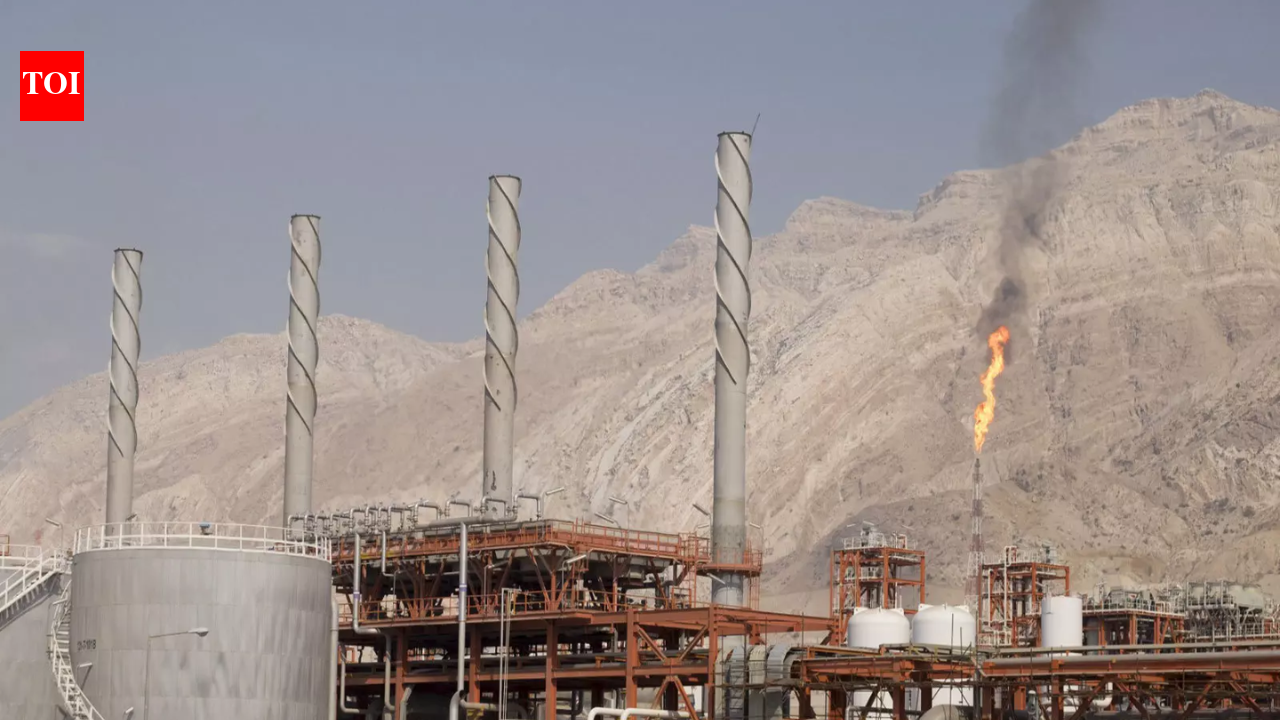
- Oil prices spike to $125/barrel, Hormuz passage blocked, energy costs surge 15-20% for Asia-Pacific logistics corridors affecting 50K+ cross-border sellers



















Overview
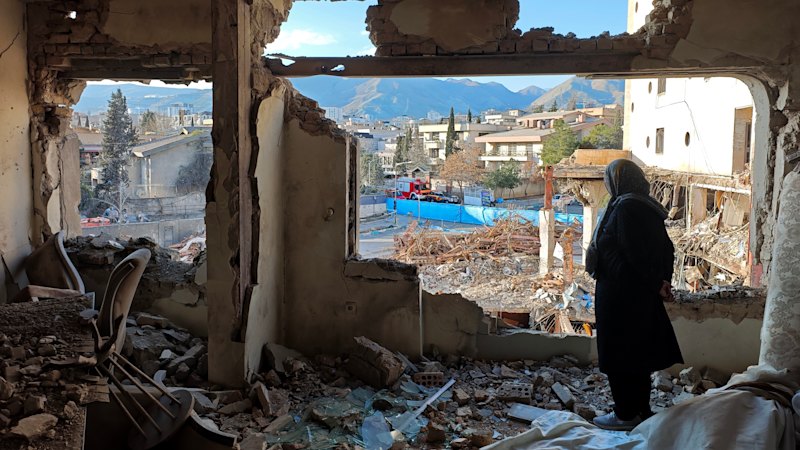
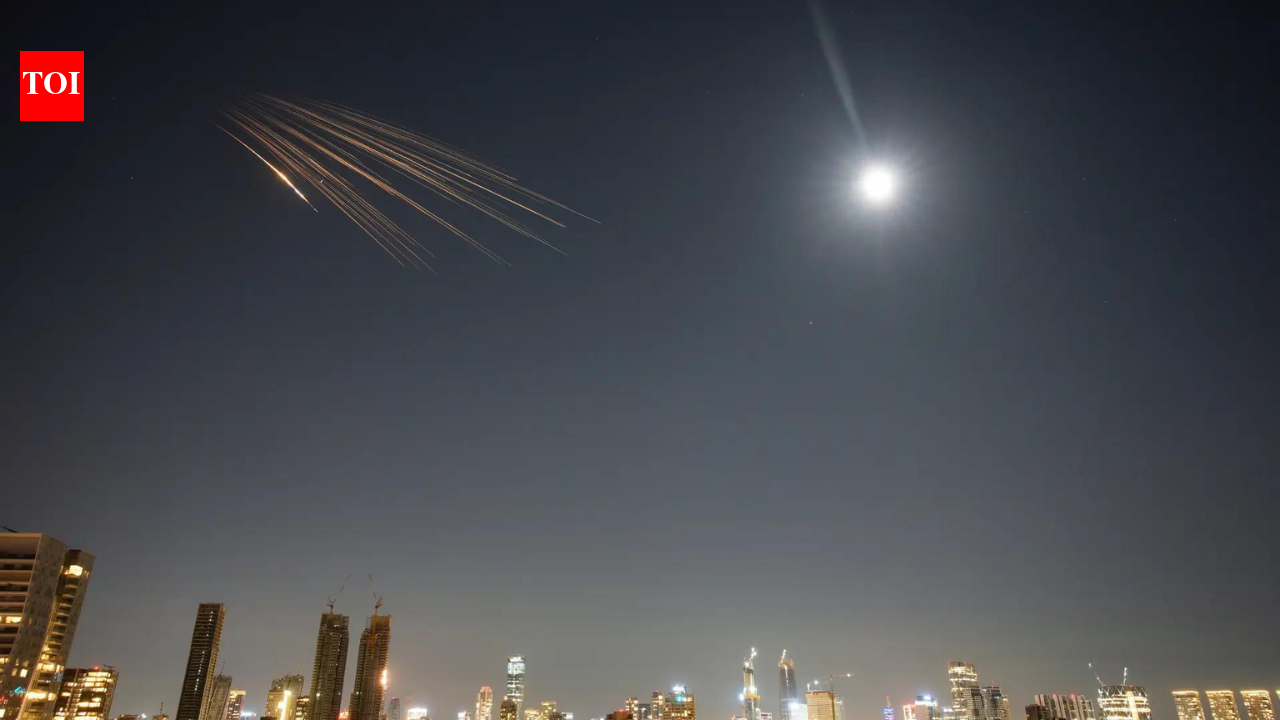
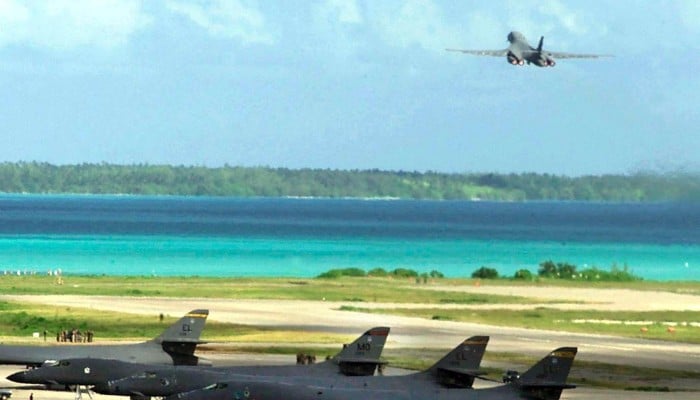
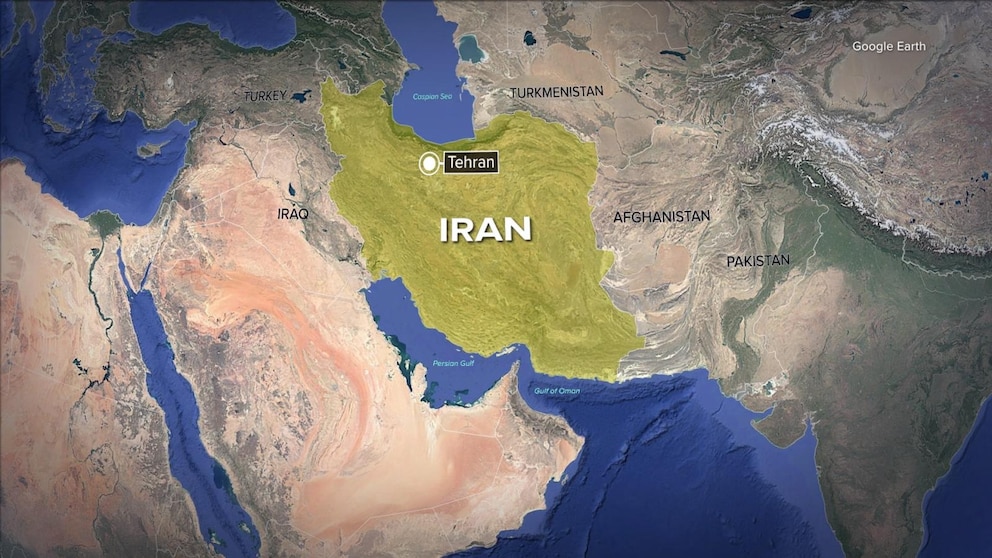
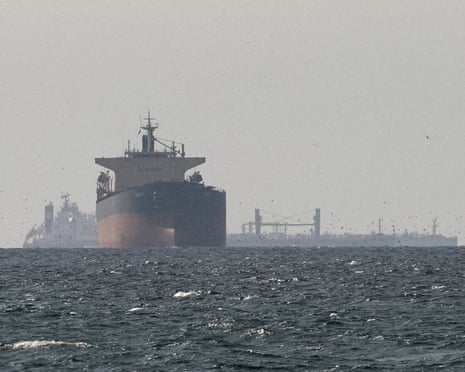
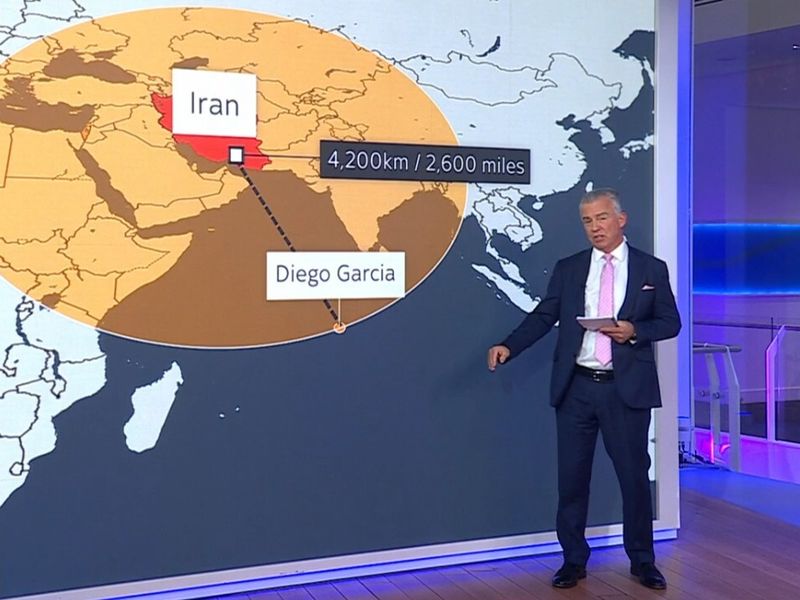
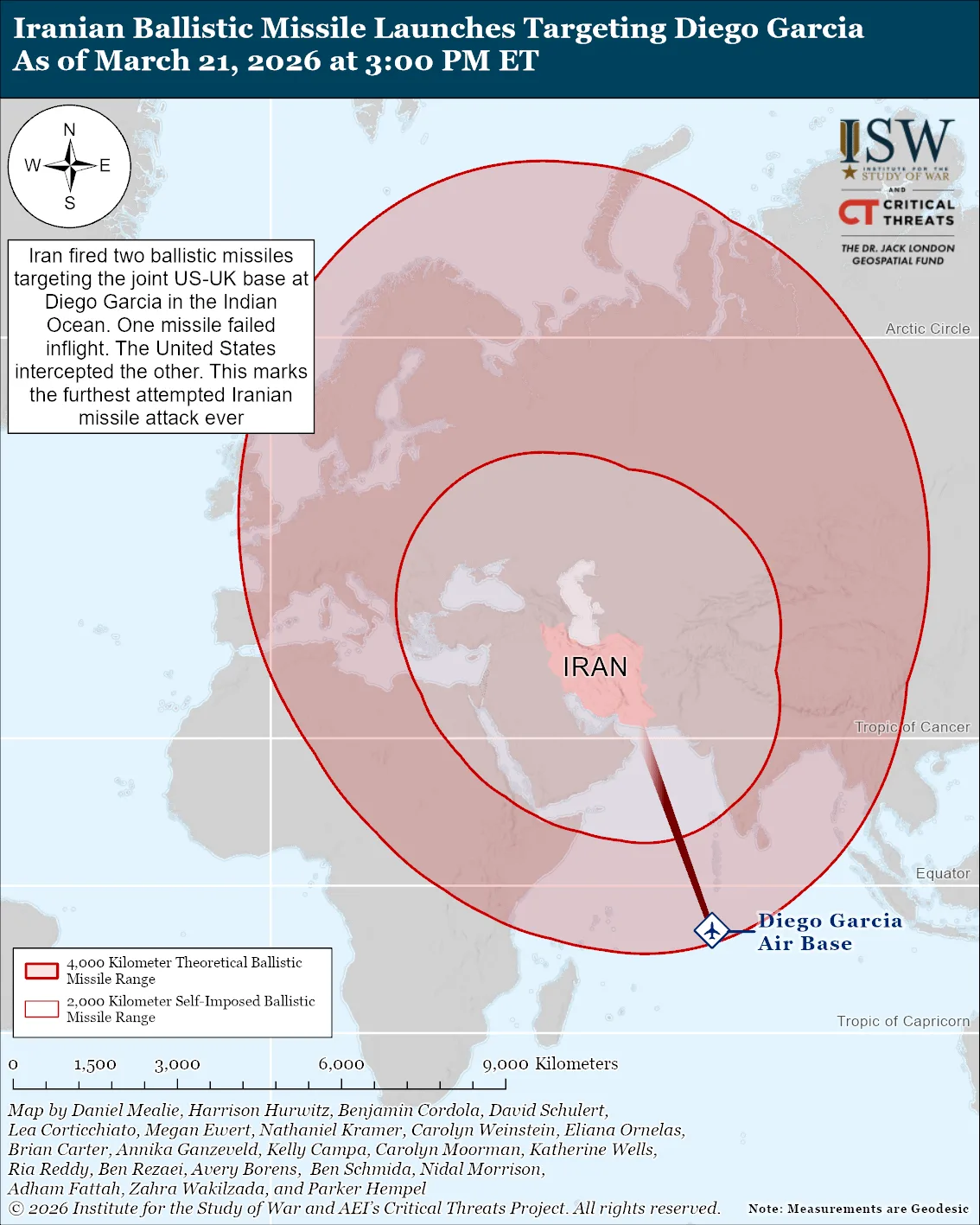
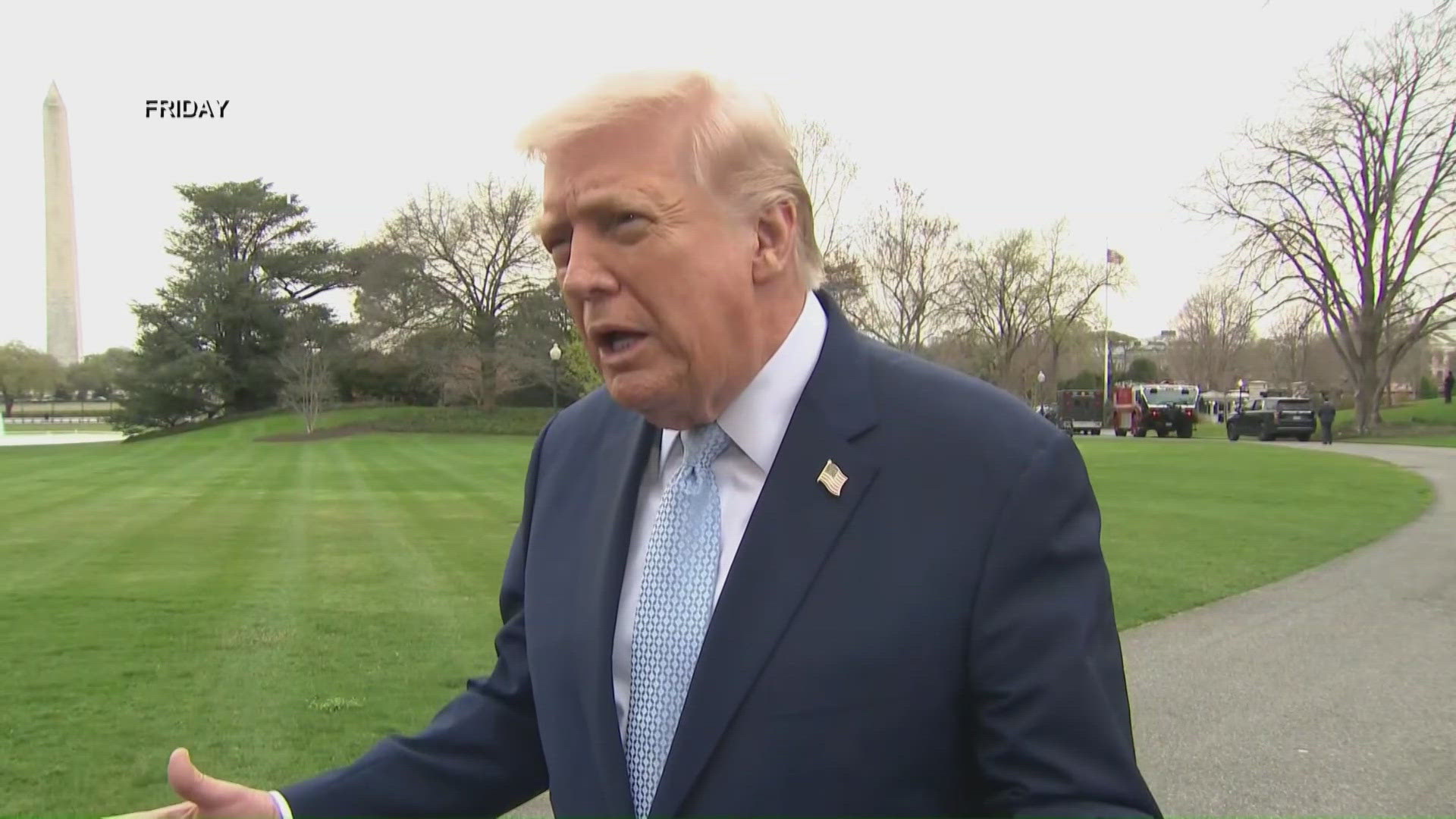
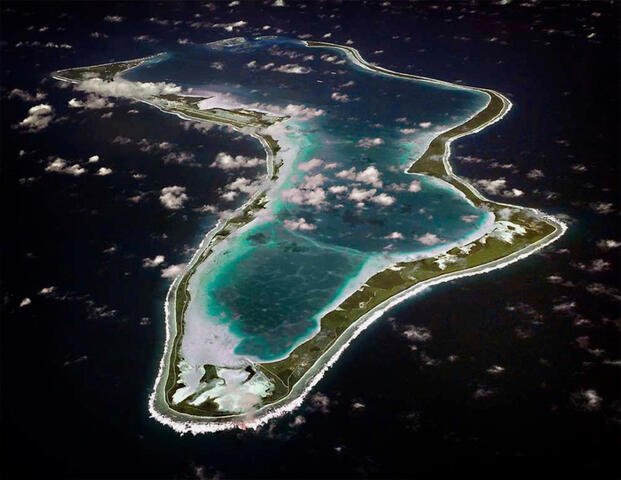
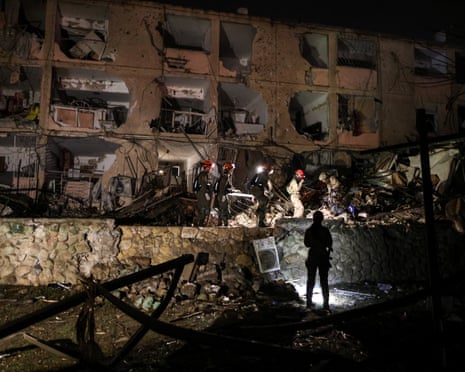
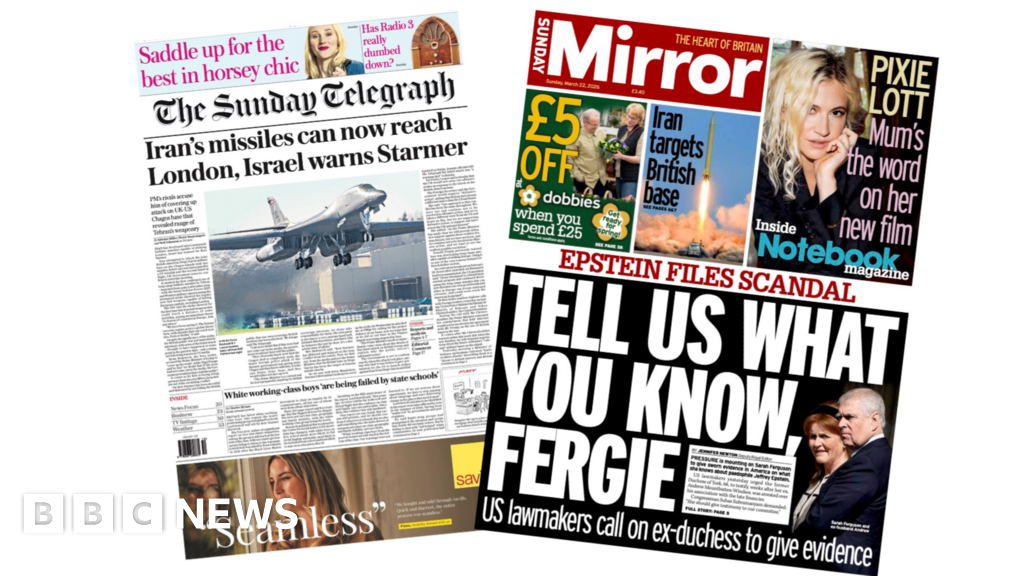
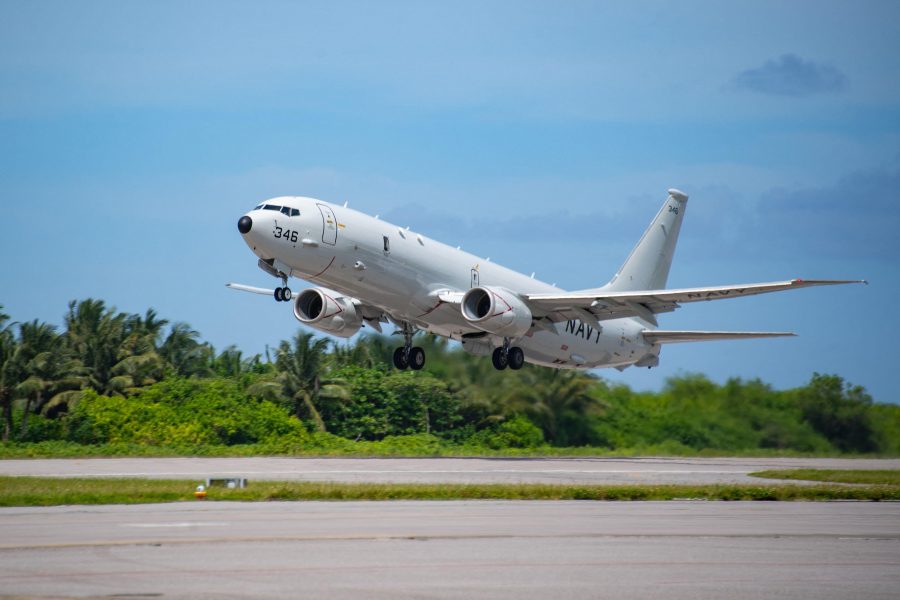
The March 21, 2026 Iranian missile attack on Diego Garcia military base has triggered a critical supply chain crisis for cross-border e-commerce sellers globally. While the attack itself failed—with one missile intercepted and another malfunctioning—the broader geopolitical escalation has effectively blocked the Strait of Hormuz, disrupting approximately one-fifth of global oil passage and creating immediate operational challenges for sellers reliant on Asia-Pacific sourcing and Middle East logistics corridors.
Immediate Supply Chain Impact: Oil prices have surged to $125 per barrel, with fuel surcharges now adding 8-12% to shipping costs for sellers using standard ocean freight from China, Vietnam, and India to US and European markets. The first six days of conflict cost the US $12.7 billion in military expenses, signaling sustained geopolitical tension. For sellers shipping 1,000+ units monthly via Asia-Pacific routes dependent on Hormuz passage, monthly logistics costs have increased $200-400 per shipment. The European Commission's directive to lower natural gas storage to 80% capacity indicates prolonged energy supply constraints, directly impacting warehouse operations and last-mile delivery expenses across EU fulfillment centers.
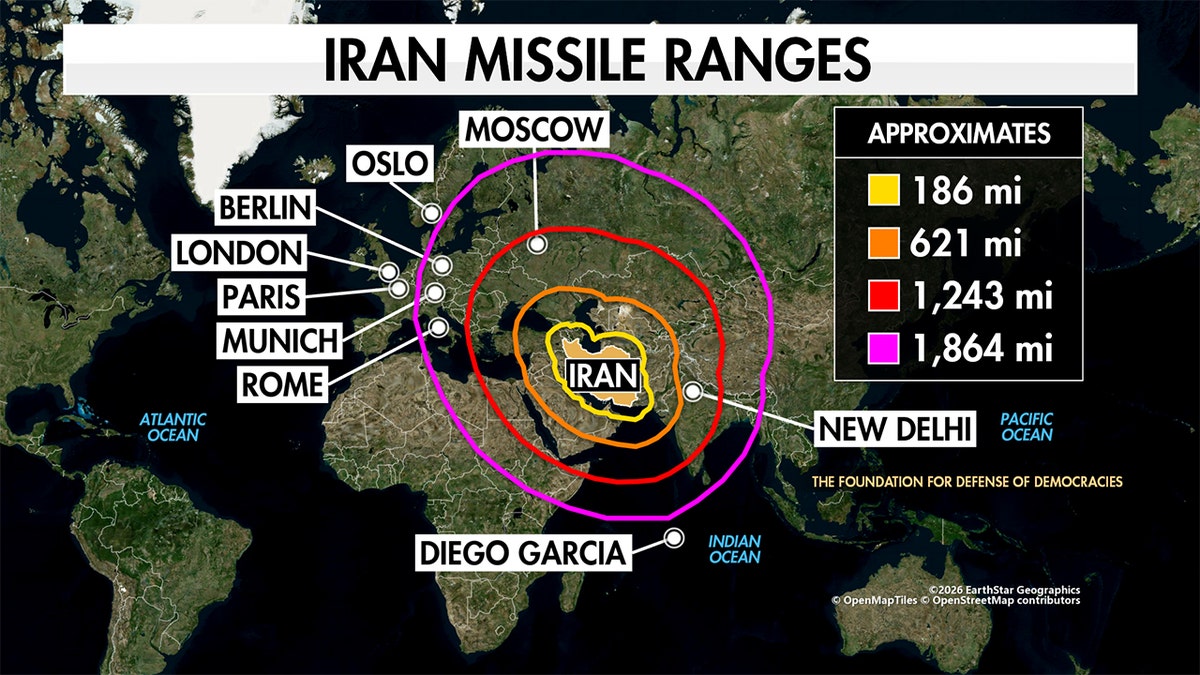
Strategic Sourcing Implications: Sellers currently sourcing from Iran-adjacent regions (UAE, Saudi Arabia, India) face extended lead times of 3-4 weeks as shipping routes divert around Africa, adding 10-14 days to standard transit times. This creates immediate inventory replenishment delays for sellers with just-in-time supply models. The geopolitical uncertainty introduces additional risk premiums from logistics providers—3PL operators are charging 5-8% premium rates for Hormuz-dependent routes. Sellers with inventory in UK and Romanian fulfillment centers face potential supply disruptions, as these European bases now fall within Iran's demonstrated missile range (4,000km+), potentially prompting policy reconsideration and temporary logistics restrictions.
Category-Specific Opportunities: High-margin, low-weight product categories (electronics accessories, apparel, beauty products) become more attractive as shipping cost increases disproportionately impact heavy goods. Sellers in these categories can absorb fuel surcharges while maintaining margins. Conversely, sellers in furniture, home goods, and bulk commodities face 15-20% margin compression. Energy-intensive product categories (appliances, power tools) will see manufacturing cost increases as energy prices spike, creating pricing power for sellers with existing inventory. The crisis creates arbitrage opportunities for sellers who can source from alternative corridors (Mexico, Central America, Southeast Asia non-Hormuz routes) and capture market share from competitors facing supply constraints.
Questions 8
How should I adjust my pricing strategy during this supply chain crisis?
Implement dynamic pricing based on product category and sourcing corridor: (1) Lightweight, high-margin items (electronics accessories, beauty)—increase prices 5-8% to capture fuel surcharge costs while maintaining competitiveness; (2) Heavy goods (furniture, appliances)—consider temporary delisting or 10-15% price increases to maintain margins; (3) Energy-intensive products—increase prices 8-12% as upstream manufacturing costs rise; (4) Inventory with long lead times—maintain current pricing to clear stock before cost increases flow through. Use Amazon's dynamic pricing tools and eBay's bulk pricing features to adjust prices weekly based on shipping cost indices. Communicate transparently with customers about temporary price increases due to supply chain disruptions to maintain trust.
What is the timeline for supply chain normalization?
The Defense Intelligence Agency's 2025 assessment indicates Iran could develop advanced missile capabilities by 2035, suggesting sustained geopolitical tension for 6-12 months minimum. Oil prices typically normalize 3-6 months after geopolitical events, but Hormuz blockade duration is unpredictable. Plan for elevated shipping costs through Q2-Q3 2026 (6-9 months), with potential normalization by Q4 2026. The Pentagon's request for additional $200 billion in funding signals sustained military engagement. Sellers should budget for 8-12% shipping cost increases through mid-2026 and reassess in Q3 based on geopolitical developments.