
West Asia Crisis Disrupts Indian Rice Exports | Freight Costs Surge 30%, Seller Sourcing Strategies Shift
- Freight costs jump from $2,500 to $3,200 per container; 25% business decline for exporters; critical sourcing opportunity for alternative suppliers in Southeast Asia and Africa
Overview
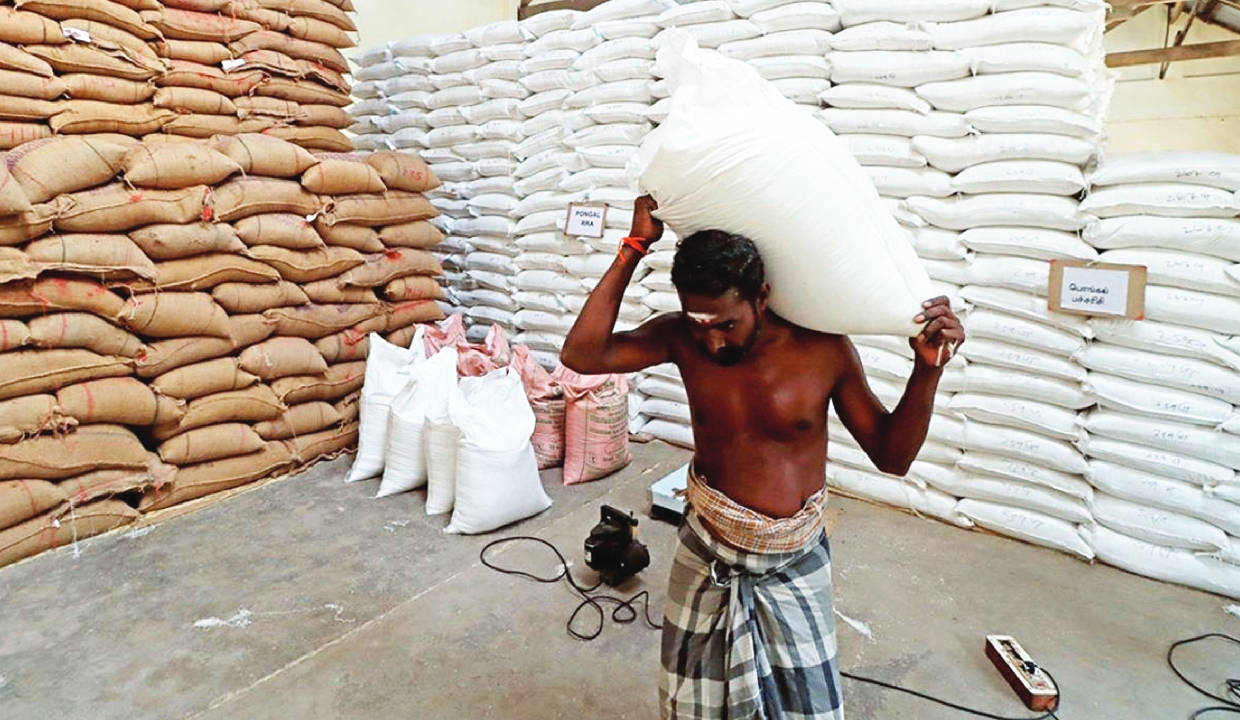
The West Asia geopolitical crisis has created a critical supply chain disruption for Indian rice exporters, with direct implications for cross-border e-commerce sellers sourcing specialty food products. Freight costs from India have surged 30 percent—rising from $2,500 to $3,200 USD per container—while container availability has collapsed, creating severe working capital pressure for agricultural exporters. Madhya Pradesh, which produces over 6 lakh tonnes of rice annually with 24+ processing factories in Mandideep and Satlapur, now faces blocked export channels to Gulf markets (Iran, Iraq, Saudi Arabia, Jordan) and East Africa, where approximately 500 tonnes of boiled rice were exported daily before the crisis.
The immediate logistics impact is severe for specialty food sellers. Basmati rice from Raisen district and boiled non-basmati rice from Balaghat—both carrying geographical indication (GI) status—remain stuck in ports, factories, and warehouses, preventing timely order fulfillment. Pusa Basmati prices have fallen Rs 300-500 per quintal, while current market prices of Rs 1,800 per quintal are projected to drop to Rs 1,600—significantly below the government minimum support price of Rs 2,382. This 25 percent business decline for large industrialists and complete standstill for smaller operations signals a critical sourcing window for sellers to diversify supplier bases.
Strategic sourcing shifts are now essential. Sellers currently dependent on Indian basmati and specialty rice should immediately evaluate alternative suppliers in Thailand (jasmine rice), Vietnam (long-grain varieties), and Pakistan (basmati alternatives) where freight costs remain stable at $2,000-2,300 per container. East African suppliers (Tanzania, Kenya) now offer premium positioning for boiled rice categories previously sourced from Balaghat, with lower freight costs ($1,800-2,100) and faster port clearance. Container availability constraints mean sellers should negotiate 60-90 day forward contracts with 3PL providers immediately to lock in current rates before further escalation.
Inventory positioning requires immediate action. Sellers with existing Indian rice inventory should liquidate 40-50 percent of stock within 30 days before prices deteriorate further, then reallocate working capital to Southeast Asian suppliers offering 15-20 percent cost advantages. For FBA sellers, repositioning specialty rice inventory from US East Coast warehouses to West Coast fulfillment centers (Los Angeles, Oakland) reduces freight costs by $0.12-0.18 per kg when sourcing from Pacific ports. Smaller sellers should consider dropshipping models from Vietnam and Thailand suppliers to eliminate inventory holding costs during this disruption period, accepting 5-7 day longer lead times in exchange for 25-30 percent margin protection.
Questions 8
How much have freight costs increased for Indian rice exports due to the West Asia crisis?
Freight costs have surged 30 percent, rising from $2,500 to $3,200 USD per container for shipments from India. This represents a $700 per container increase, directly compressing margins for sellers sourcing specialty rice products. According to the All India Rice Exporters Association, container availability has simultaneously collapsed, forcing sellers to pay premium rates or face extended lead times. For sellers shipping 20-30 containers monthly, this translates to $14,000-21,000 in additional monthly freight costs, making immediate supplier diversification critical.
How should FBA sellers reposition warehouses to optimize costs during this crisis?
FBA sellers should shift specialty rice inventory from US East Coast warehouses (New Jersey, Virginia) to West Coast fulfillment centers (Los Angeles, Oakland, Sacramento) to reduce freight costs by $0.12-0.18 per kg when sourcing from Pacific ports. This repositioning saves $240-360 per 2,000 kg shipment while reducing port-to-warehouse transit time by 5-7 days. Sellers should also evaluate Amazon's regional fulfillment network to place inventory closer to high-demand markets (Texas, California) where specialty rice categories show 25-30 percent higher velocity. Coordinate with Amazon Seller Central to adjust FBA shipment routing before Q4 peak season.