


Microsoft Copilot Rollback Signals AI Fatigue | Enterprise Sellers Must Adapt
- 50% of U.S. adults now skeptical of AI; Microsoft pauses forced deployments affecting enterprise sellers' operational tools




















Overview
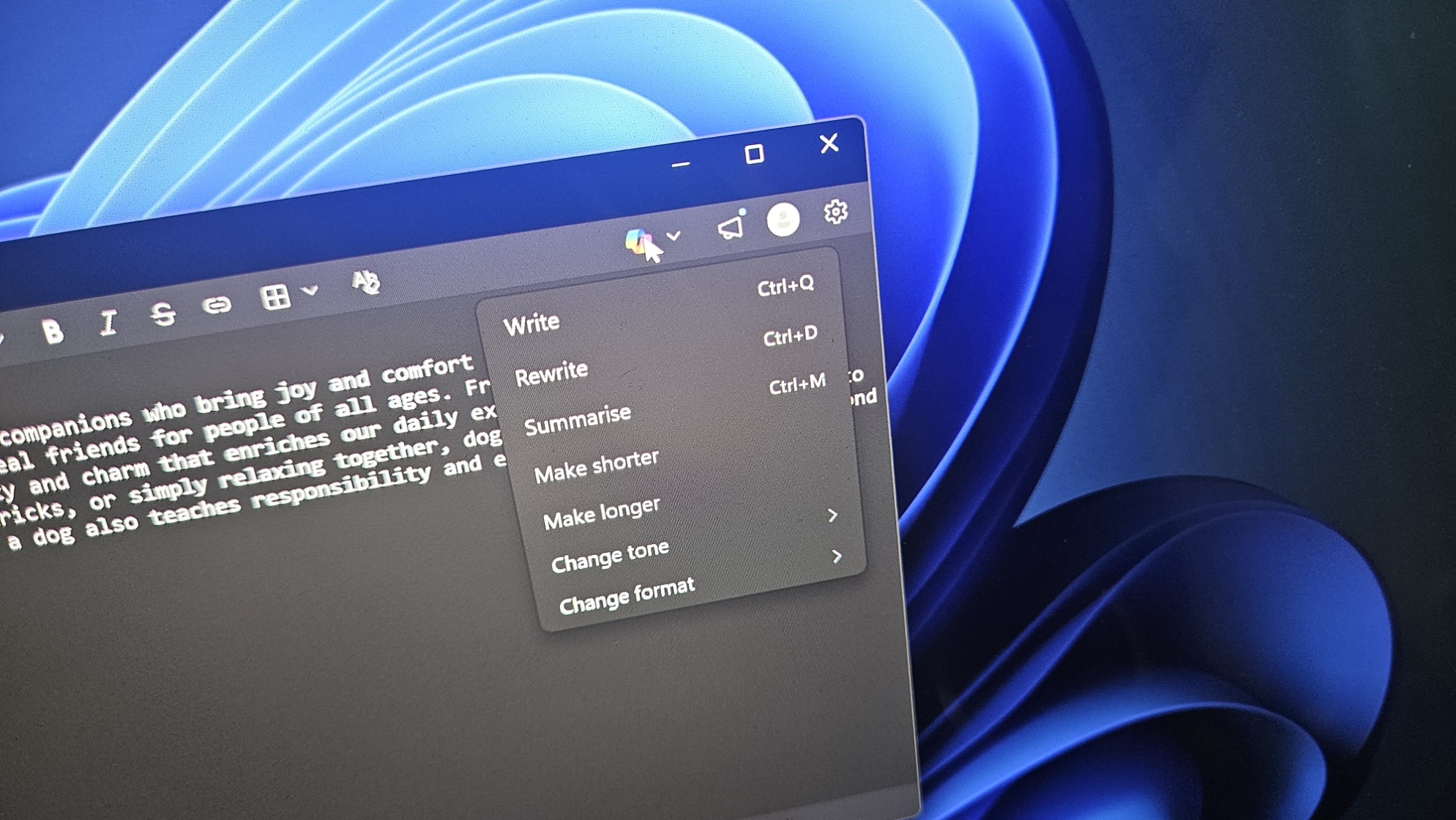
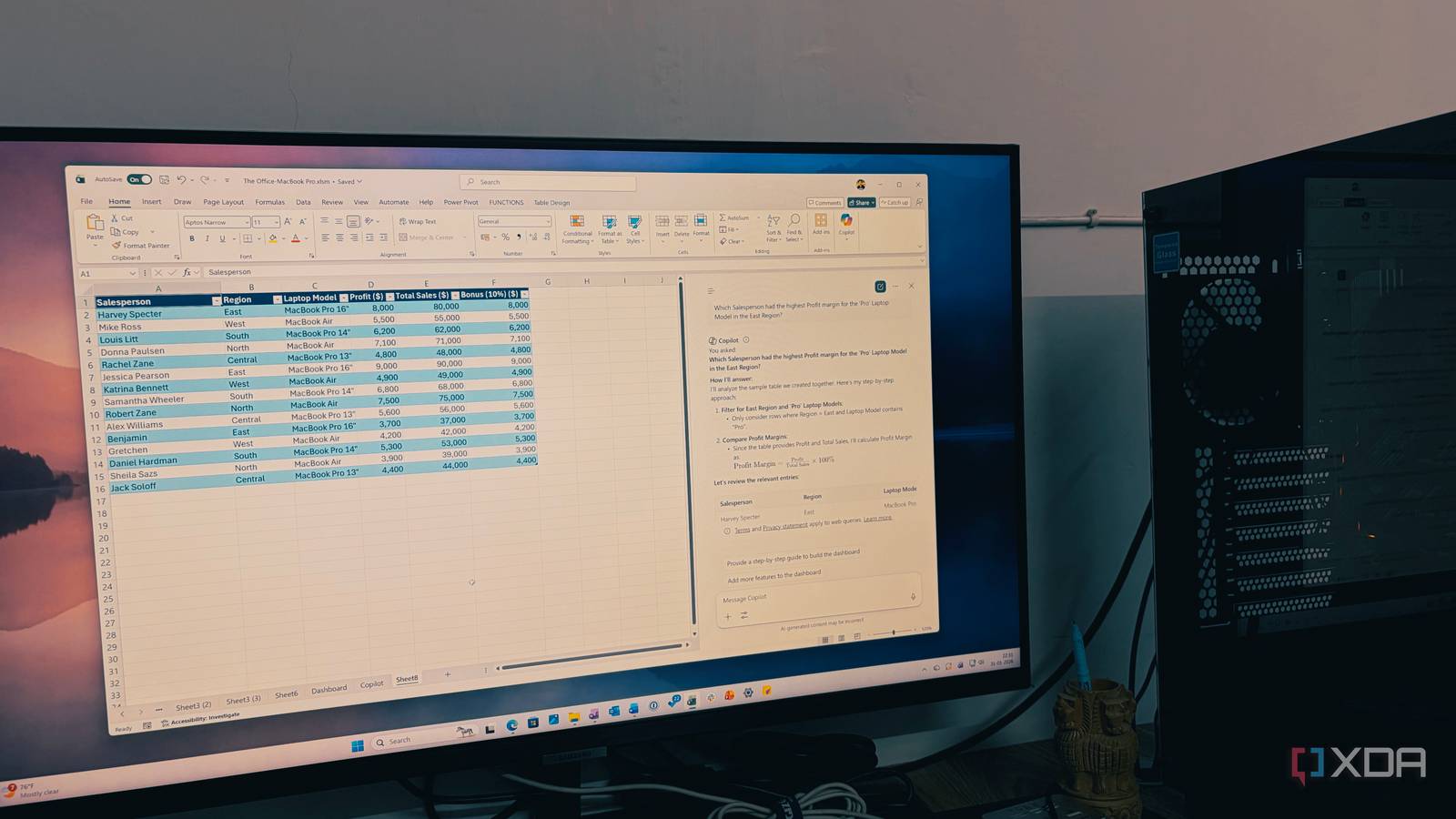
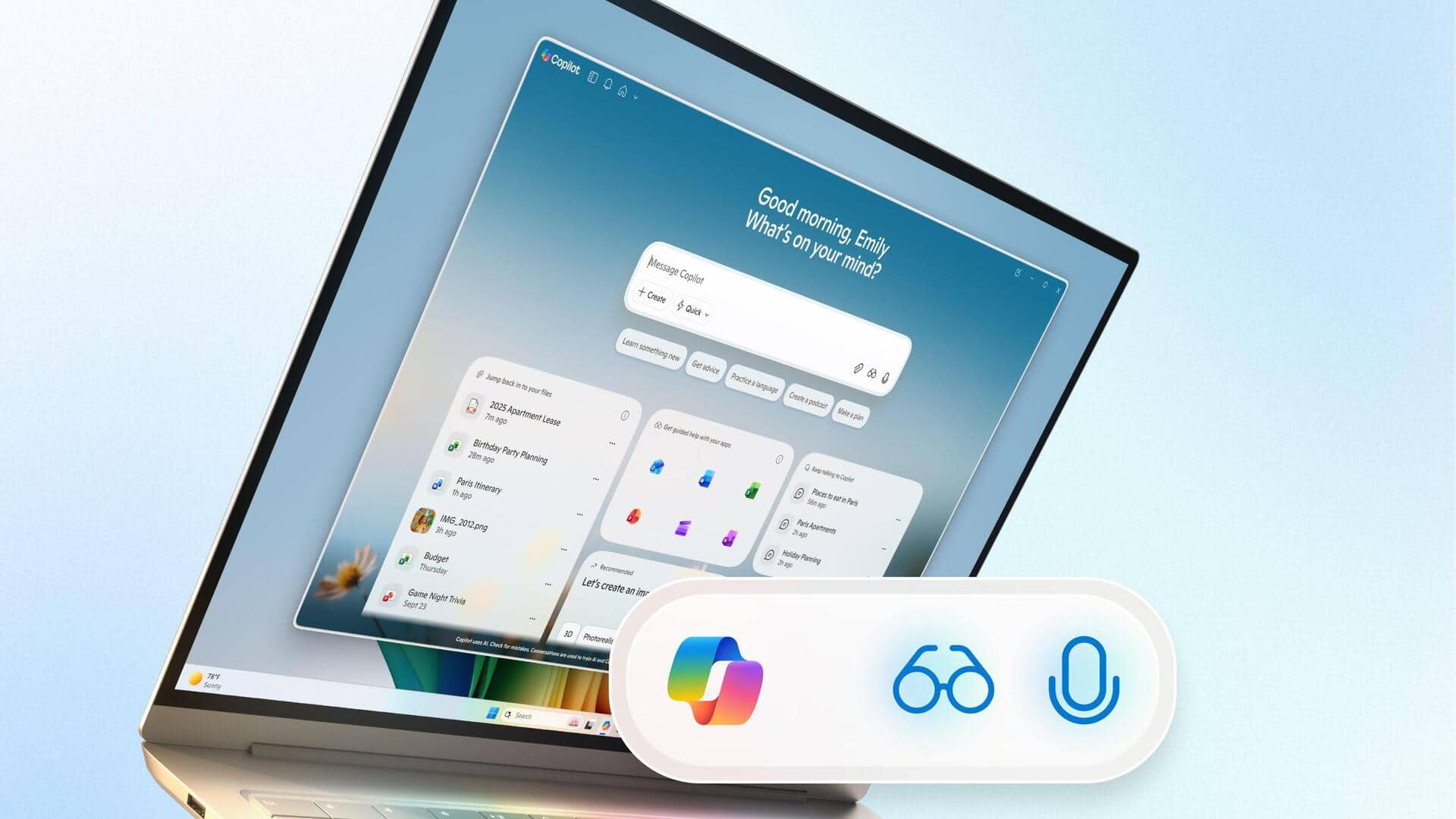
Microsoft's strategic reversal on aggressive Copilot integration represents a critical inflection point for enterprise sellers relying on Microsoft 365 and Windows infrastructure. The company is removing "unnecessary" AI features from Notepad, Snipping Tool, Photos, and Widgets while indefinitely pausing automatic deployment of the Microsoft 365 Copilot app to enterprise users—originally scheduled for October 2025, then December 2025. This rollback directly impacts the 50+ million small-to-medium business sellers using Microsoft 365 for operations, inventory management, and customer communications.
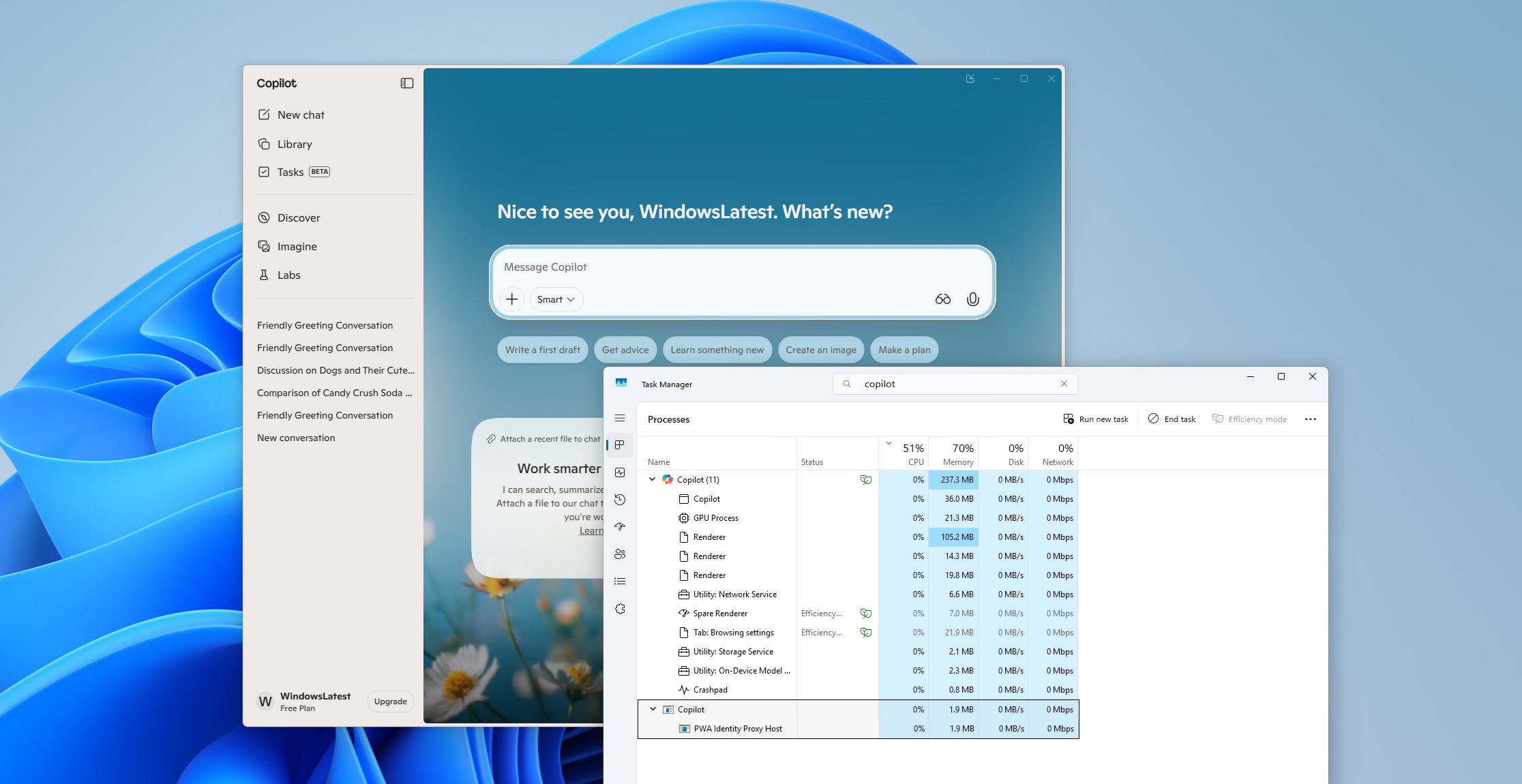
The underlying driver is measurable consumer skepticism: a Pew Research study (June 2025) shows 50% of U.S. adults are now more concerned than excited about AI, up from 37% in 2021. For sellers, this signals that forced AI integration without clear ROI creates friction with both enterprise IT administrators and end-users. Microsoft's own admission that previous Copilot implementations were "excessive and lacked practical value" validates seller concerns about bloated software consuming system resources (5-15% CPU overhead on older machines) and increasing administrative workload. IT administrators explicitly cited forced opt-out deployments as increasing their workload and requiring policy decisions on Microsoft's timeline rather than organizational needs.
The competitive intelligence opportunity is substantial: sellers can now differentiate by adopting "intentional AI" strategies that Microsoft itself is endorsing. Rather than deploying AI features broadly, high-performing sellers should focus on AI applications with measurable ROI: dynamic pricing optimization (3-8% margin improvement), inventory forecasting (12-18% reduction in stockouts), and customer service automation (40-60% reduction in response time). The shift from "Copilot everywhere" to "Copilot where it matters" creates a 6-12 month window where sellers using focused AI tools will outcompete those still managing bloated enterprise software. Microsoft's delayed Windows Recall feature (postponed over one year due to privacy concerns) and ongoing security vulnerabilities further indicate that enterprise customers now demand proof-of-concept before adopting new AI capabilities.
For cross-border sellers specifically, this creates operational advantages: reduced system overhead means faster product listing uploads, quicker inventory syncs across multiple marketplaces, and improved performance on resource-constrained devices in emerging markets. Sellers managing operations across Amazon, eBay, Shopify, and Alibaba simultaneously can reclaim 2-4 hours weekly by eliminating unnecessary background AI processes. The pause in Microsoft 365 Copilot deployment also provides breathing room for sellers to evaluate alternative AI tools (ChatGPT API, Claude, specialized e-commerce AI platforms) before being forced into Microsoft's ecosystem. This represents a rare moment where enterprise software is becoming less intrusive, not more—a reversal that sellers should capitalize on immediately.
Questions 8
What does the Pew Research finding (50% of U.S. adults skeptical of AI) mean for seller strategy?
The June 2025 Pew Research study showing 50% of U.S. adults more concerned than excited about AI (up from 37% in 2021) signals that sellers must shift from broad AI deployment to intentional, ROI-focused implementations. This consumer skepticism directly impacts enterprise adoption: IT administrators are now rejecting forced AI integrations, as evidenced by Microsoft's pause. Sellers should focus AI investments on high-impact use cases: dynamic pricing (3-8% margin improvement), inventory forecasting (12-18% stockout reduction), and customer service automation (40-60% response time reduction). Generic AI features without clear value proposition now face adoption resistance.
Which specific Microsoft applications are losing Copilot integration and why does this matter for sellers?
Microsoft is removing Copilot from Notepad, Snipping Tool, Photos, and Widgets—applications where AI assistance adds minimal value. The company also shelved plans for system-level Copilot integration in Settings and File Explorer. For sellers, this matters because it signals Microsoft's acknowledgment that indiscriminate AI integration (termed 'Microslop' by users) creates friction without ROI. Sellers can now adopt the same 'intentional AI' philosophy: deploy AI only where it measurably improves operations. This creates a 6-12 month competitive window where sellers using focused AI tools will outperform those managing bloated enterprise software with unnecessary features.