


Strait of Hormuz Shipping Crisis | 22-Nation Coalition & Japan Safe Passage Deal Impact Cross-Border Sellers
- 21% of global oil transits daily through contested waterway; Japan secures separate safe passage agreement (March 22, 2026); 22-nation military coalition signals intervention; shipping costs and fuel surcharges expected to spike 8-15% for Asia-Europe-Middle East routes







Overview
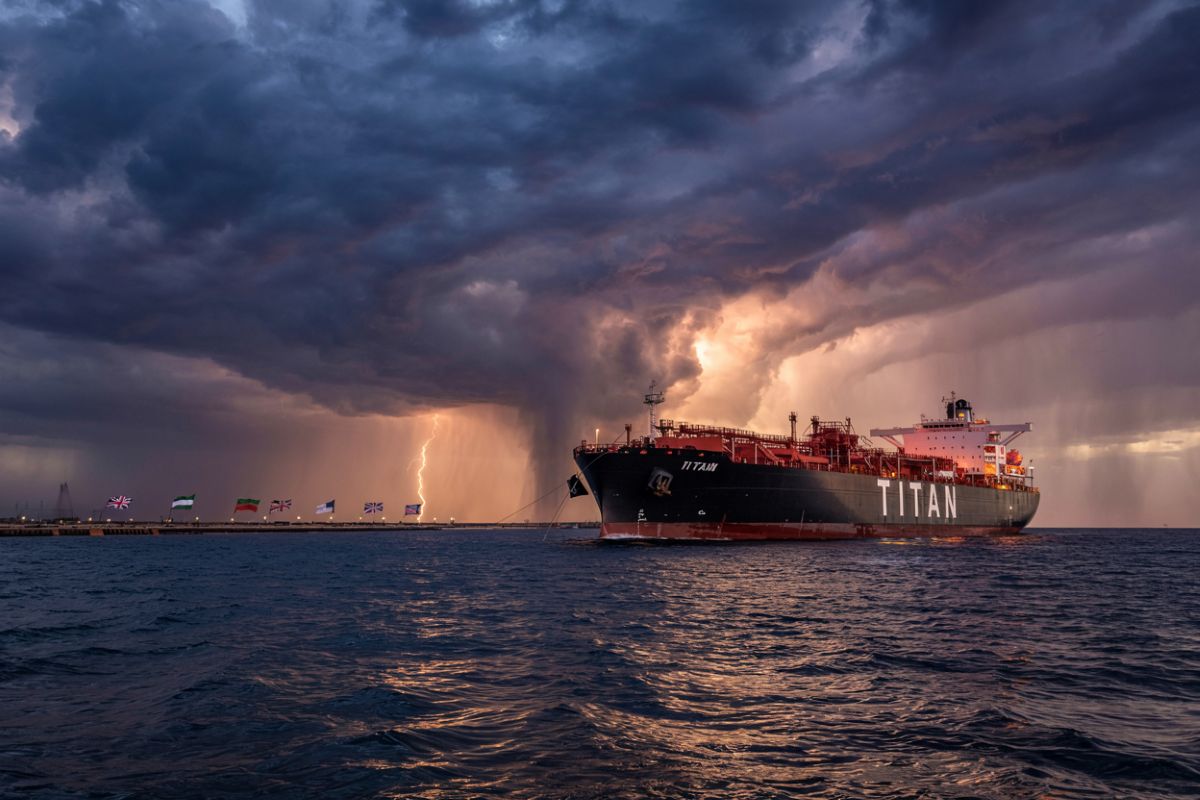
The Strait of Hormuz maritime security crisis represents a critical inflection point for cross-border e-commerce sellers dependent on Asian supply chains and Middle Eastern trade corridors. On March 22, 2026, Iran's Foreign Minister Abbas Araghchi announced Tehran's willingness to allow Japanese-related ships safe transit through the Strait of Hormuz—a waterway through which approximately 93% of Japan's imported crude oil flows. Simultaneously, a 22-nation coalition (UK, France, Germany, Italy, Netherlands, Japan, South Korea, Australia, UAE, and 13 others) signed a joint statement condemning Iran's blockade attempts and signaling readiness for coordinated military intervention to restore freedom of navigation. The Strait of Hormuz represents approximately 21% of global petroleum transit daily, making it critical infrastructure for global energy markets.
For cross-border sellers, this dual-track diplomatic and military response creates immediate operational and financial pressures. The Japan-Iran bilateral agreement suggests potential stabilization for Japanese shipping companies and their trading partners, potentially reducing insurance risk premiums and freight costs on Japan-Asia-Europe corridors. However, the broader 22-nation coalition's military posturing introduces short-term uncertainty that typically manifests as fuel surcharges (8-15% increases historically observed during similar disruptions), extended transit times (3-5 week delays for rerouted vessels), and elevated shipping insurance premiums. Sellers relying on just-in-time inventory from Chinese, Vietnamese, and Indian suppliers face immediate pressure: container shipping rates from Shanghai to Rotterdam typically increase $400-800 per TEU during Hormuz disruptions, directly compressing margins on electronics, apparel, and consumer goods categories.
The strategic opportunity window exists for sellers to execute three immediate actions. First, sellers should lock in shipping contracts before April 15, 2026, to avoid fuel surcharge escalation as military tensions potentially intensify. Second, diversify sourcing away from single-corridor dependency: consider shifting 20-30% of inventory to air freight (premium cost but 5-7 day transit) or exploring alternative suppliers in Mexico, Turkey, or Eastern Europe for time-sensitive categories. Third, monitor the Japan-Iran agreement's formalization timeline—if expanded beyond Japanese vessels to include South Korean and European shipping (likely given coalition pressure), broader corridor stabilization could emerge by Q2 2026, creating a 4-6 week window to rebalance inventory before fuel surcharges normalize. Energy price volatility also signals secondary opportunity: rising gasoline prices historically accelerate EV and electric scooter sales (15-25% category growth during fuel spikes), creating demand surge for battery products, charging accessories, and lightweight transportation devices on Amazon, eBay, and Shopify platforms.
Questions 7
How does the Strait of Hormuz blockade directly impact my shipping costs as a cross-border seller?
The Strait of Hormuz handles approximately 21% of global petroleum daily, and disruptions typically increase container shipping rates by $400-800 per TEU on Asia-Europe routes. For sellers importing 500+ containers monthly from China or Vietnam, this translates to $200,000-400,000 in additional monthly logistics costs. Fuel surcharges typically increase 8-15% during blockade periods, affecting all shipping modes (ocean, air, ground). The 22-nation coalition's military posturing suggests short-term uncertainty (30-60 days) before stabilization, making April 2026 a critical window to lock in shipping contracts before rates escalate further.
How long will the Strait of Hormuz shipping crisis impact my business operations?
The timeline breaks into three phases: (1) Immediate uncertainty (March-April 2026): 30-60 days of elevated costs and delays as the 22-nation coalition and Iran negotiate; (2) Potential stabilization (May-June 2026): If Japan's agreement expands or military intervention succeeds, fuel surcharges normalize and transit times return to 35-40 days; (3) Long-term normalization (July 2026+): Shipping rates stabilize at pre-crisis levels. Historical precedent from 2019 Hormuz tensions suggests 90-120 day disruption cycles. Sellers should plan inventory for 60-day extended lead times through June 2026, then rebalance to normal 35-40 day cycles by July. Monitor weekly shipping rate indices (Freightos, Drewry) and coalition military updates to adjust timeline expectations.