


Strait of Hormuz Energy Crisis Reshapes E-Commerce Supply Chains | Seller Cost Impact 2025
- 3.5% global LNG production offline for 3-5 years; shipping costs surge 40-60%; semiconductor/fertilizer shortages threaten product availability and consumer demand through 2025



/tpg/sources/d8f16fc6-bec0-46d9-aac3-4d74643cb7a1.jpeg)






Overview
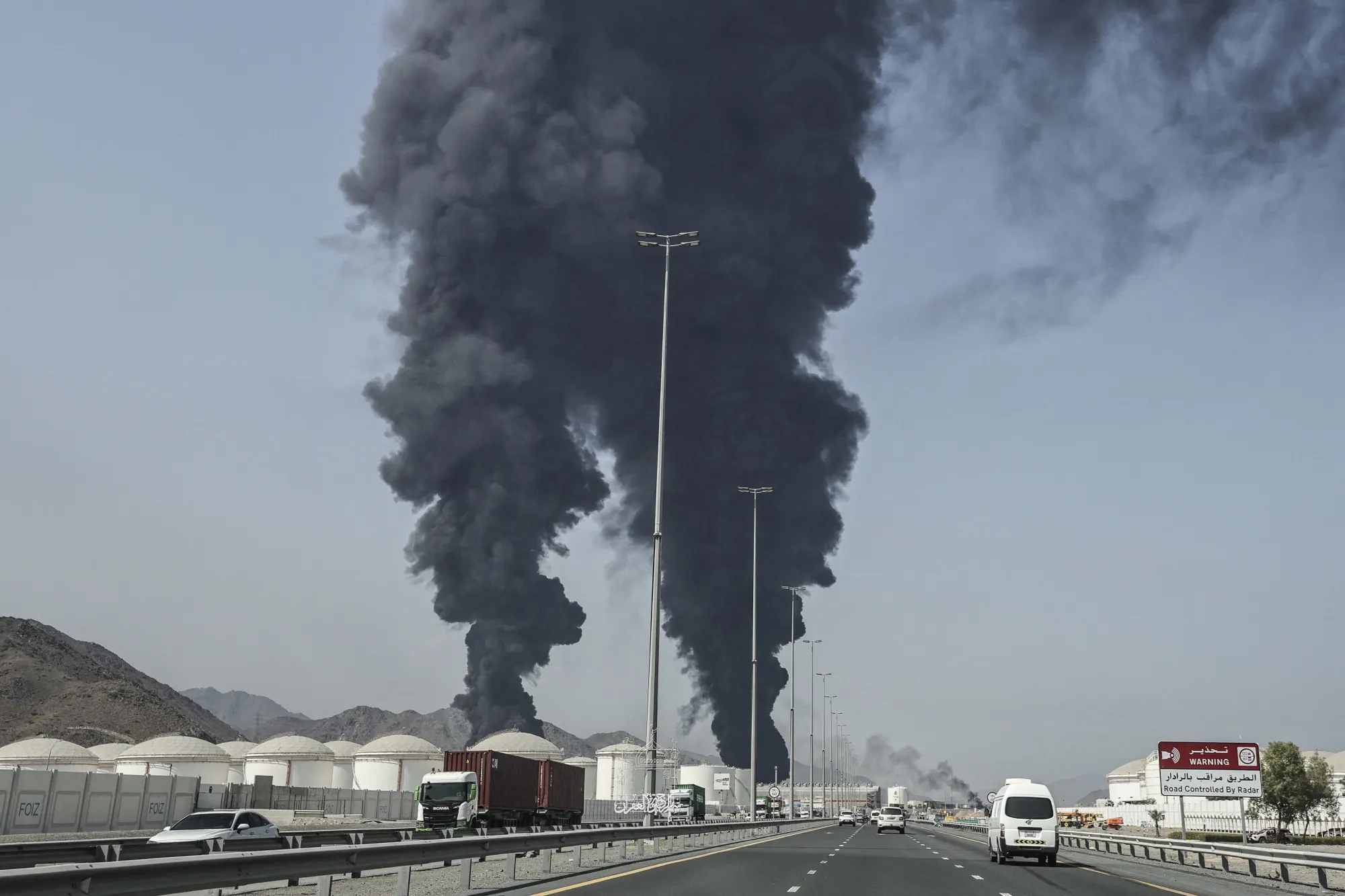
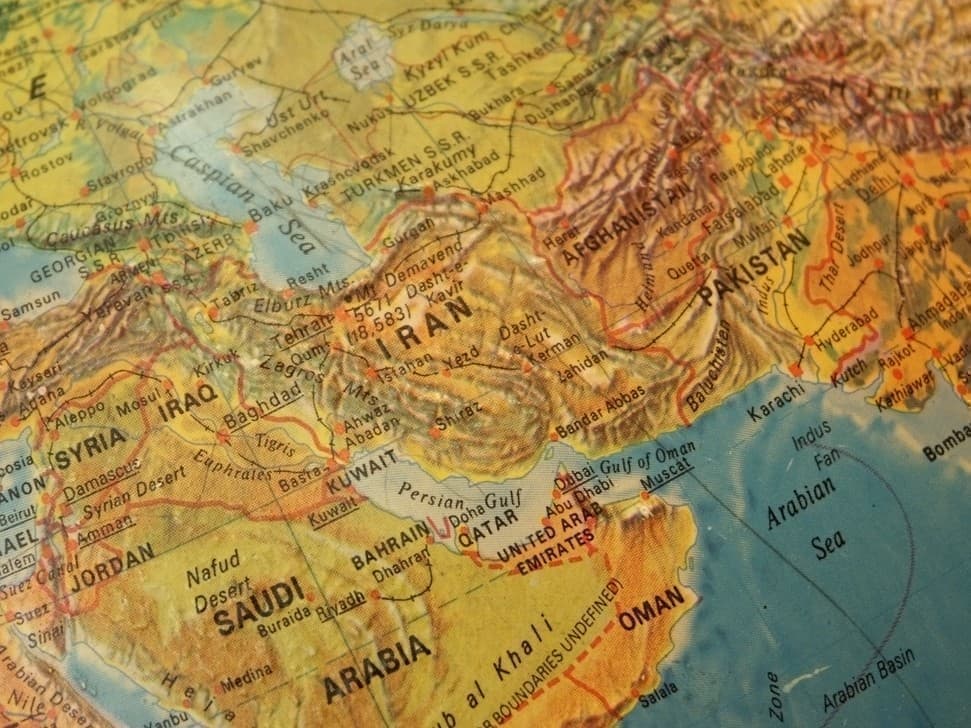
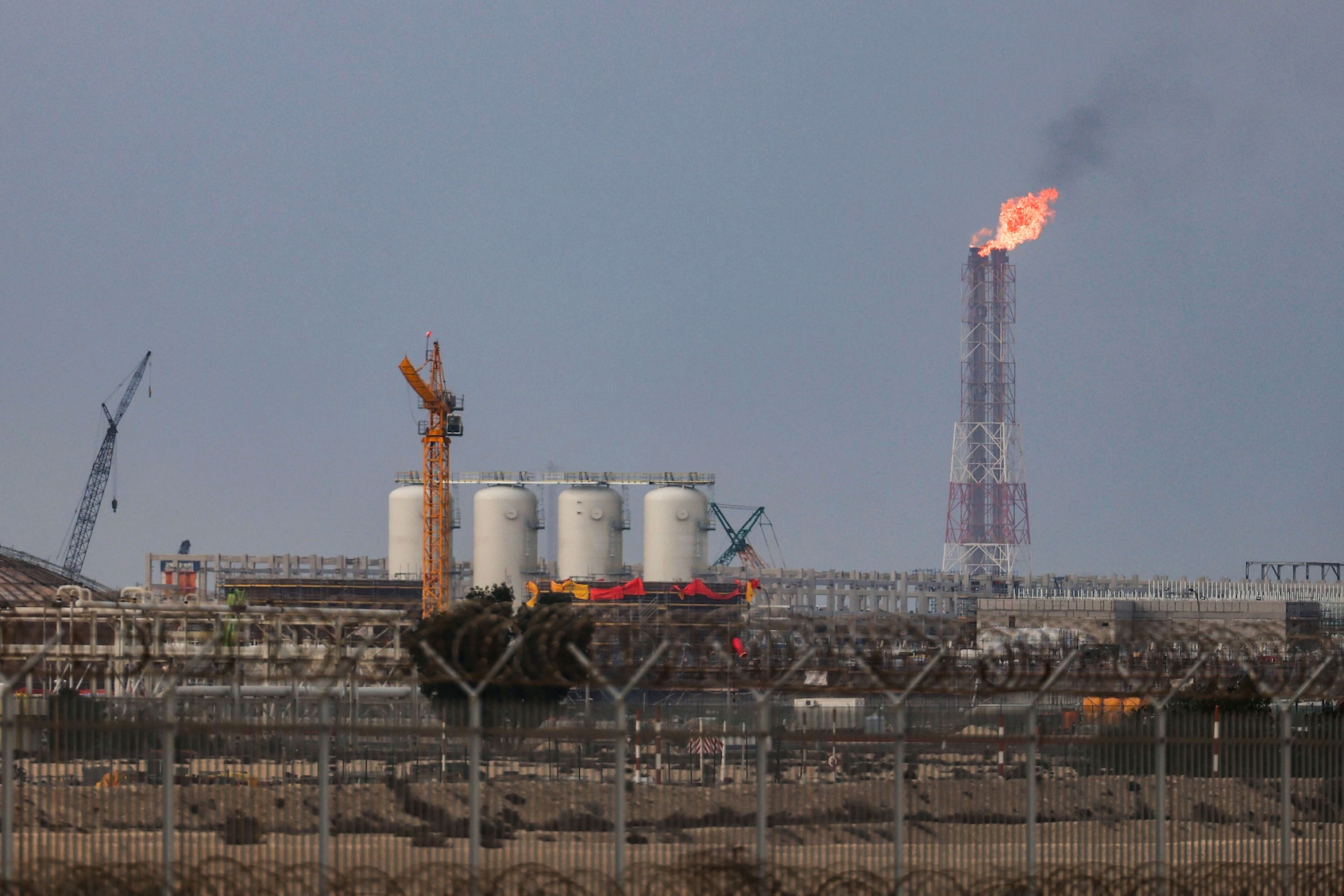
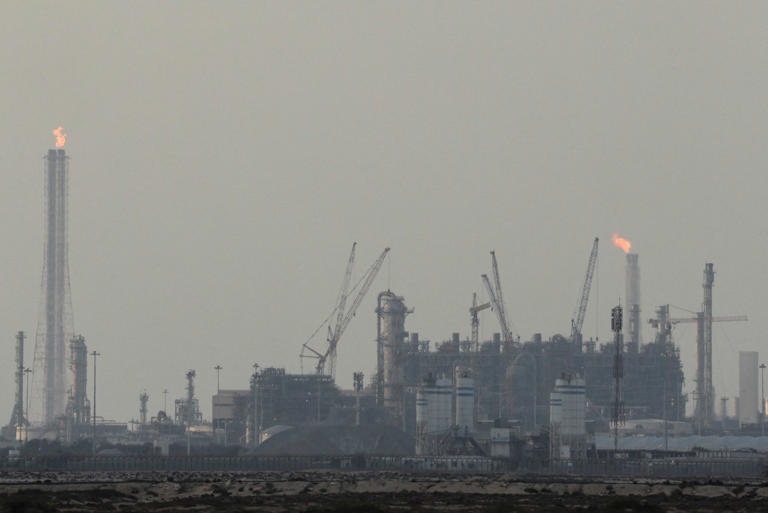
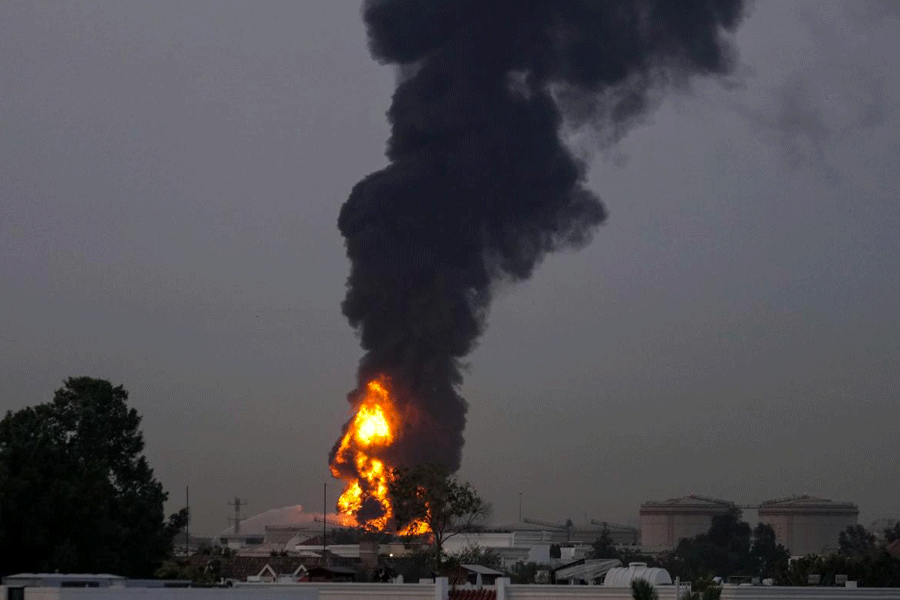
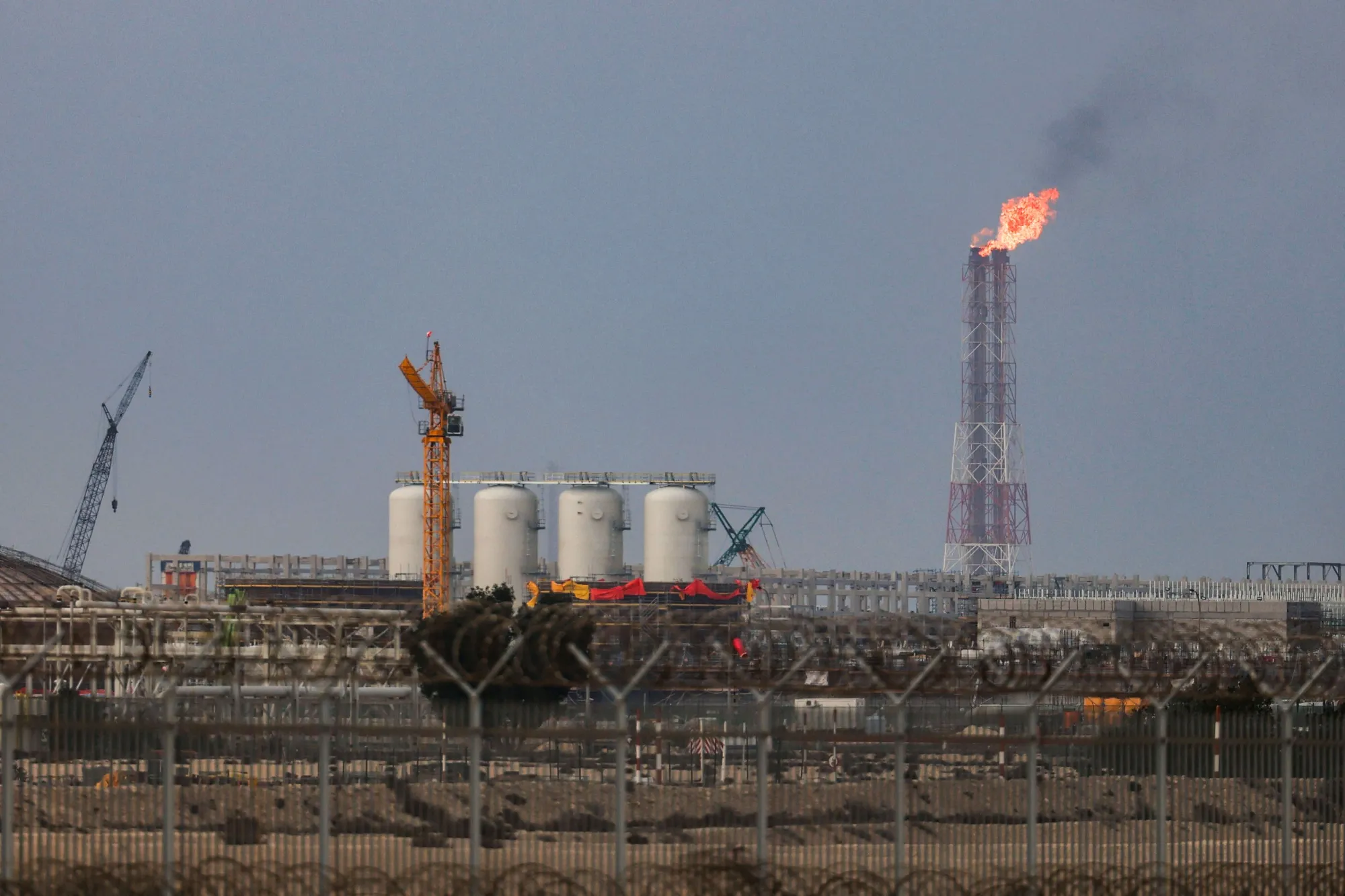
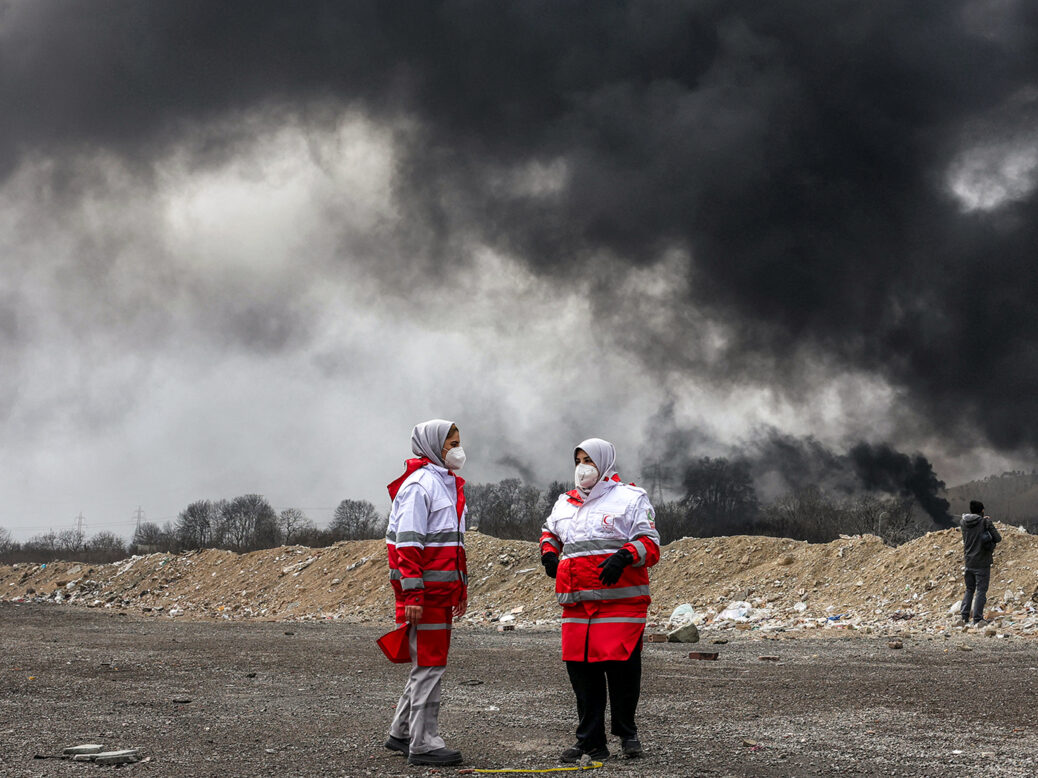
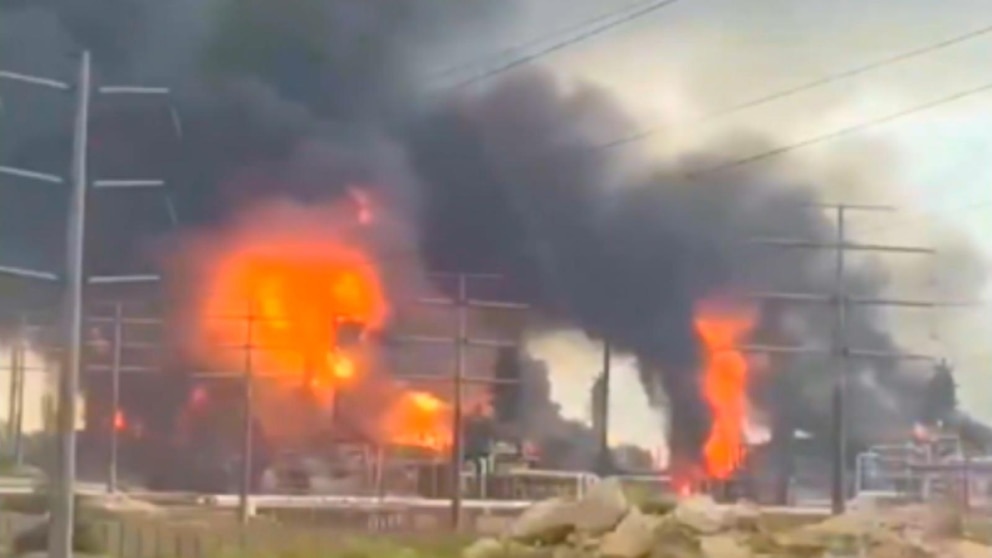
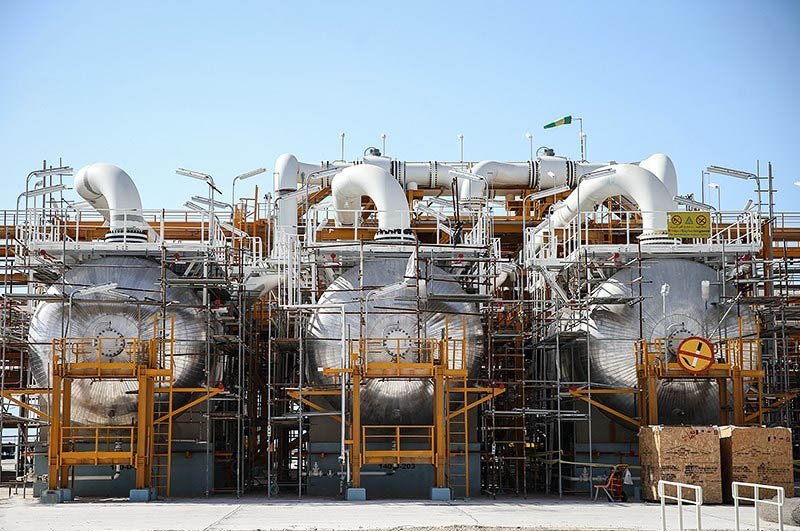
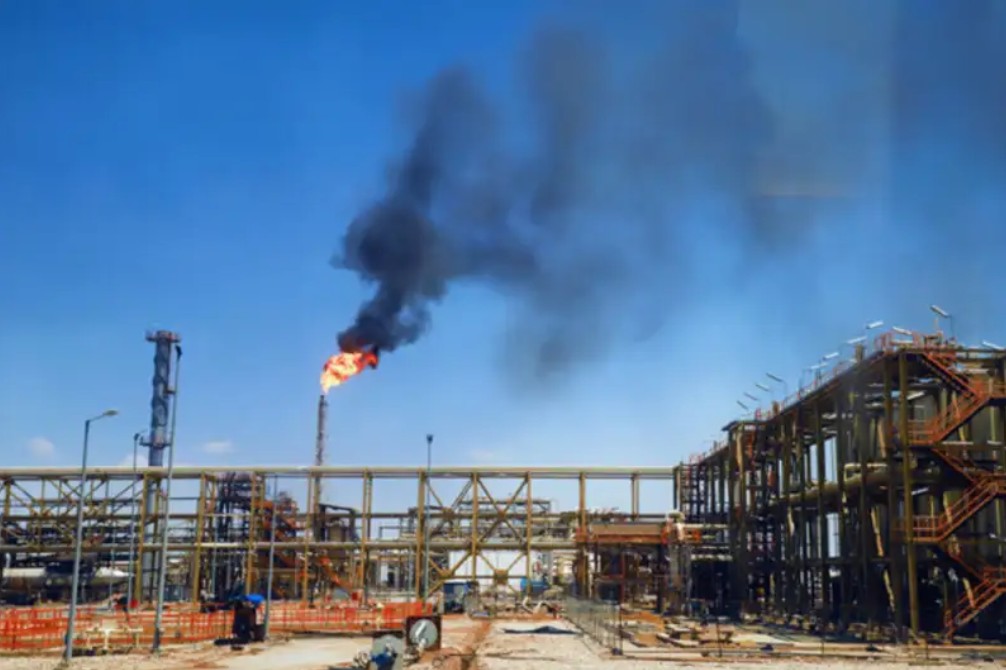
The escalating military conflict in the Persian Gulf has triggered a critical energy supply disruption with cascading implications for cross-border e-commerce sellers. Since February 28, 2025, at least 47 documented attacks have damaged 39 energy facilities across nine countries, with Qatar's Ras Laffan LNG terminal—the world's largest export facility—losing 17% of export capacity. The attacks on Iran's South Pars gas field have eliminated 3.5% of global LNG production for 3-5 years, representing actual production shutdowns rather than temporary price spikes. This infrastructure damage will sideline approximately 13 million tons of liquefied natural gas annually, with QatarEnergy estimating repairs could take up to five years.
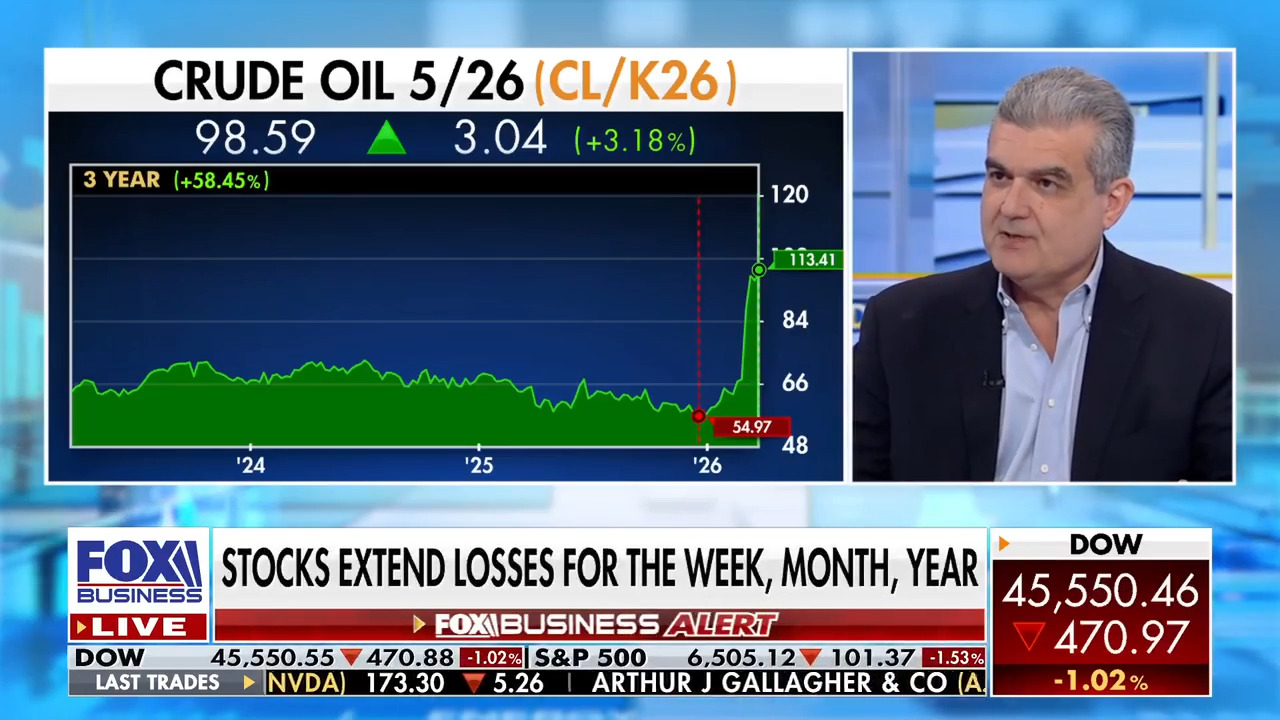
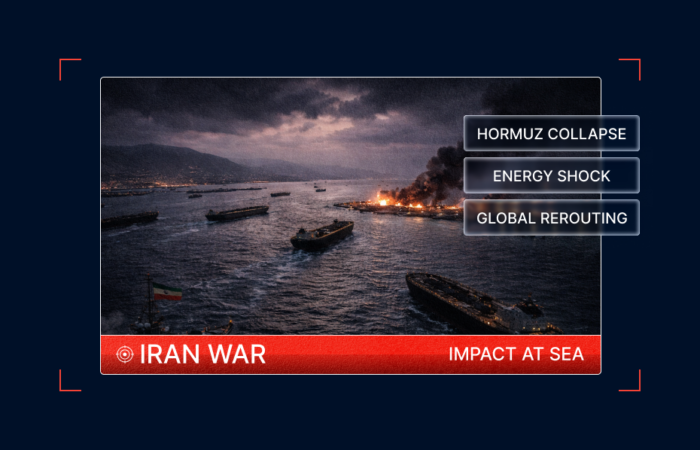
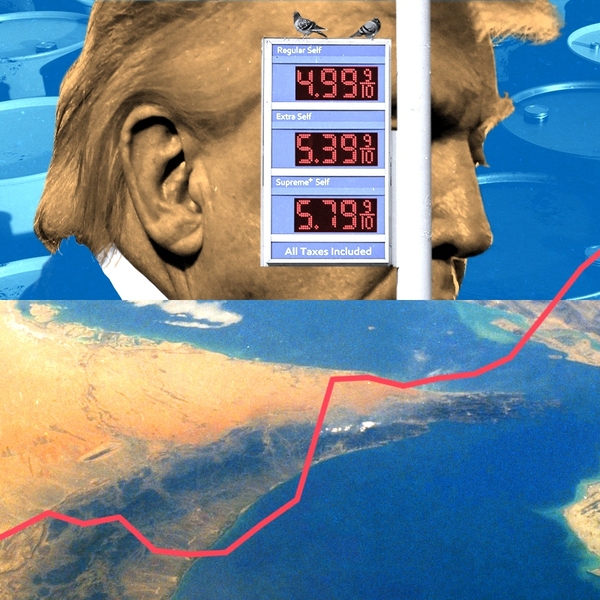
For e-commerce sellers, this creates a dual-pressure cost crisis. First, elevated input costs: natural gas is essential for fertilizer production, with roughly one-third of global seaborne fertilizer supply and nearly half of world urea transiting through the Strait of Hormuz. The American Farm Bureau warns U.S. farmers face pre-planting fertilizer shortages, which will increase agricultural product costs throughout 2025. Second, shipping cost inflation: Brent crude oil briefly exceeded $119 per barrel on March 6 (compared to $73 before conflict), directly impacting logistics expenses. The potential multi-month disruption to Strait of Hormuz shipping—through which 20% of global oil passes—could delay inventory shipments and raise freight rates by 40-60% for Asia-Pacific sourcing corridors.
Semiconductor and helium shortages compound these pressures. Qatar is the world's second-largest helium producer, and reduced helium supply will constrain semiconductor manufacturing critical for AI-related demand and electronics inventory. This affects product availability across automotive, appliances, and electronics categories. Simultaneously, developing markets face acute shortages: with EU per capita purchasing power 15 times higher than South Asia, affluent economies will monopolize remaining supplies, leaving Asian markets—critical for e-commerce sourcing—severely constrained. Oxford Economics projects American consumer spending growth at just 1.9% annually through 2025, the slowest rate in 13 years outside the pandemic period, reducing demand precisely when sellers face elevated input costs.
The competitive impact is asymmetrical. Small-scale producers already cannot afford doubled fuel costs, forcing business closures. Larger corporations maintain profit margins by passing costs to consumers through "sellers inflation," creating redistribution from labor to capital. This means mid-market sellers (100-1000 SKU operations) face the greatest margin compression, while mega-sellers can absorb costs. Supply chain delays will persist through 2025 regardless of conflict resolution timeline, requiring immediate inventory and pricing strategy adjustments.
Questions 8
Are there tariff arbitrage opportunities from this energy crisis for cross-border sellers?
Yes, significant tariff arbitrage exists for sellers shifting sourcing to Vietnam and India. These countries offer 5-8% cost advantages on electronics and textiles due to lower energy input costs compared to China. US tariffs on Vietnam electronics (0-5%) are lower than China tariffs (15-25%), creating 10-20% total cost advantages. India offers similar benefits for textiles and apparel (0-8% tariffs vs. China 15-20%). However, compliance complexity increases: sellers must verify country-of-origin documentation and manage longer lead times (6-8 weeks vs. 4-6 weeks from China). Tariff savings of $500-2,000 per container are achievable for mid-market sellers, but require 60-90 day sourcing planning windows.
What sourcing country shifts should sellers consider to avoid Strait of Hormuz disruptions?
Sellers should shift 20-30% of inventory sourcing from China to Vietnam, India, and Mexico to bypass Strait of Hormuz dependencies. Vietnam and India have lower energy costs and alternative shipping routes (via Indian Ocean ports) that avoid the Strait. Mexico provides North American sellers with nearshoring advantages and reduced fuel-dependent logistics. However, these countries face their own fertilizer and helium constraints, so diversification across 3-4 sourcing countries is essential. Tariff arbitrage opportunities exist: Vietnam and India offer 5-8% cost advantages on electronics and textiles due to lower energy input costs compared to China.