





Strait of Hormuz Crisis Escalates | 20% Global Oil Supply at Risk, Shipping Costs Surge for E-Commerce Sellers
- Fuel surcharges increase 8-15% for air/ocean freight; inventory delays 2-4 weeks; affects 40K+ cross-border sellers shipping via Middle East routes















Overview
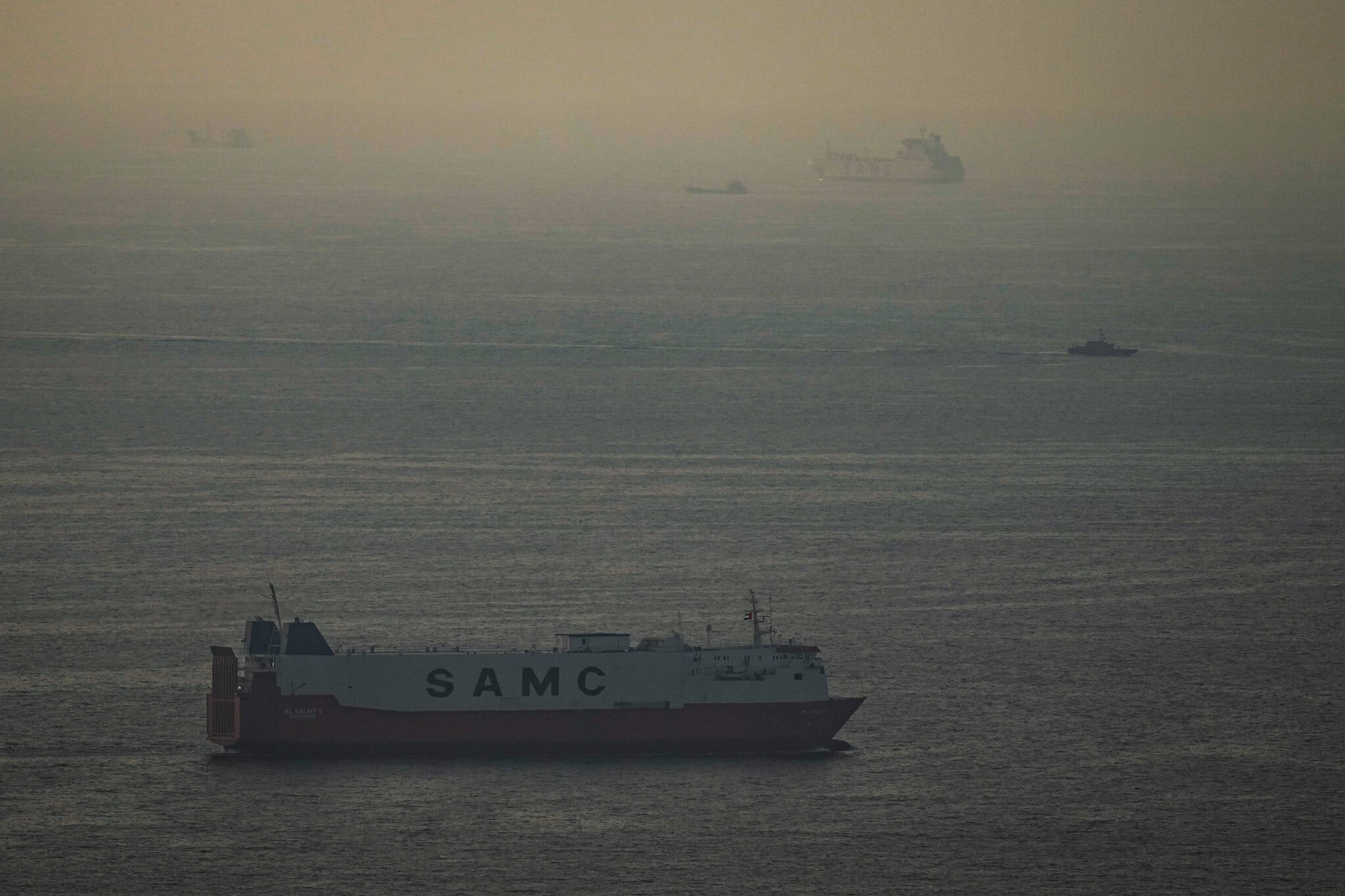
The escalating Iran-Israel military conflict has created a critical supply chain crisis for cross-border e-commerce sellers worldwide. President Trump's 48-hour ultimatum to Iran regarding the Strait of Hormuz—through which approximately 20% of global oil exports transit annually—represents an unprecedented threat to logistics infrastructure. Iran's closure of the strait through military action and attacks on commercial vessels has virtually halted traffic, triggering immediate energy price volatility and shipping cost increases that directly impact seller profitability.
Immediate Logistics Impact for E-Commerce Sellers: The Strait of Hormuz handles roughly one-fifth of the world's oil trade, making it essential for fuel-dependent shipping operations. Sellers relying on air freight, ocean freight, and ground transportation face dramatic fuel surcharges estimated at 8-15% increases on shipping costs. For a typical mid-sized seller shipping 500+ units monthly via FBA or 3PL networks, this translates to $200-400 additional monthly expenses. Ocean freight rates from Asia to North America/Europe—already elevated due to Red Sea disruptions—could spike another 12-20% if the Strait remains closed beyond 48 hours. Warehouse operations dependent on Gulf oil for power generation face increased operational costs, while last-mile delivery expenses surge due to fuel surcharges passed through by logistics providers.
Secondary Supply Chain Disruptions: The conflict creates cascading risks beyond fuel costs. Port closures in the Gulf region (UAE, Saudi Arabia) could delay inventory transits by 2-4 weeks, forcing sellers to absorb carrying costs and miss seasonal selling windows. Insurance premiums for maritime shipping are rising as underwriters price in geopolitical risk, adding 3-5% to total shipping costs. Manufacturing hubs in Asia dependent on Gulf oil face production slowdowns, affecting inventory replenishment timelines. Sellers with inventory currently in transit through Middle Eastern routes face potential rerouting costs and delays. The situation remains fluid with Trump's statements suggesting continued military escalation rather than de-escalation, indicating sustained supply chain pressure extending beyond the immediate 48-hour window into weeks or months of elevated costs.
Competitive Advantage Shifts: Large sellers with diversified logistics networks and pre-positioned inventory in North American/European warehouses gain competitive advantages over smaller sellers dependent on just-in-time Asian sourcing. Sellers in time-sensitive categories (electronics, fashion, seasonal goods) face margin compression as shipping costs consume 15-25% of product margins. Conversely, sellers of energy-efficient products, solar equipment, and fuel-saving technologies may see demand spikes as consumers and businesses seek cost-mitigation solutions. The crisis creates arbitrage opportunities for sellers who can secure inventory from alternative sourcing regions (Vietnam, India, Mexico) before competitors recognize the shift, potentially capturing 20-30% margin improvements through supply chain optimization.
Questions 8
How should sellers adjust their FBA strategy during this shipping crisis?
Consider **temporarily shifting 20-30% of inventory from FBA to Fulfillment by Merchant (FBM) or regional 3PL networks** to reduce exposure to Amazon's centralized fulfillment network, which relies heavily on air freight for replenishment. The news emphasizes that fuel surcharges directly impact warehouse operations and last-mile delivery costs, which Amazon passes through to sellers via increased FBA fees. Review your **Inventory Performance Index (IPI) score** and storage fee structure—if you're paying long-term storage fees, consider liquidating slow-moving inventory to free up capital for higher-velocity SKUs. Lock in FBA fee rates before Amazon adjusts pricing to reflect fuel surcharges (typically 30-45 days after shipping cost spikes). For sellers with 1000+ monthly units, negotiate volume discounts with 3PL providers as an alternative to FBA during this period.
Should sellers increase prices now to offset shipping cost increases?
**Implement selective price increases of 5-8% on high-margin categories** while maintaining competitive pricing on price-sensitive categories to preserve market share. The news indicates that fuel surcharges will increase 8-15% for air freight and 12-20% for ocean freight, justifying modest price adjustments. However, aggressive pricing (10%+) risks losing Buy Box eligibility and triggering competitor price wars. Use dynamic pricing tools to test elasticity by geography—sellers shipping to North America/Europe can absorb higher price increases than those selling to price-sensitive Asian markets. Monitor competitor pricing daily and adjust within 24 hours to maintain competitiveness. Consider bundling products to increase average order value rather than raising unit prices, which preserves perceived value while improving margins by 3-5%.