

Yemen's Fragile Power Landscape Unravels as Separatists Challenge National Unity
- Strategic territorial expansion threatens regional stability and reshapes geopolitical dynamics












Overview
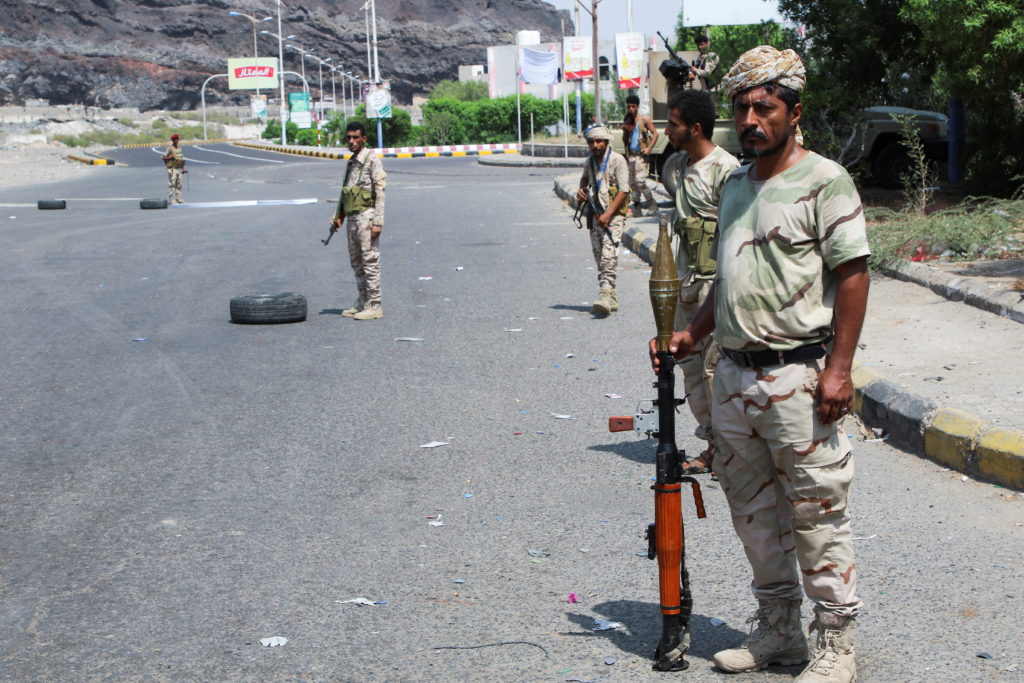
The Yemen conflict has entered a critical phase of fragmentation, with the Southern Transitional Council (S.T.C.) executing a calculated territorial expansion that fundamentally challenges the country's existing power structures. This development represents more than a localized conflict—it signals a profound reconfiguration of regional geopolitical dynamics that could destabilize the entire Gulf region.
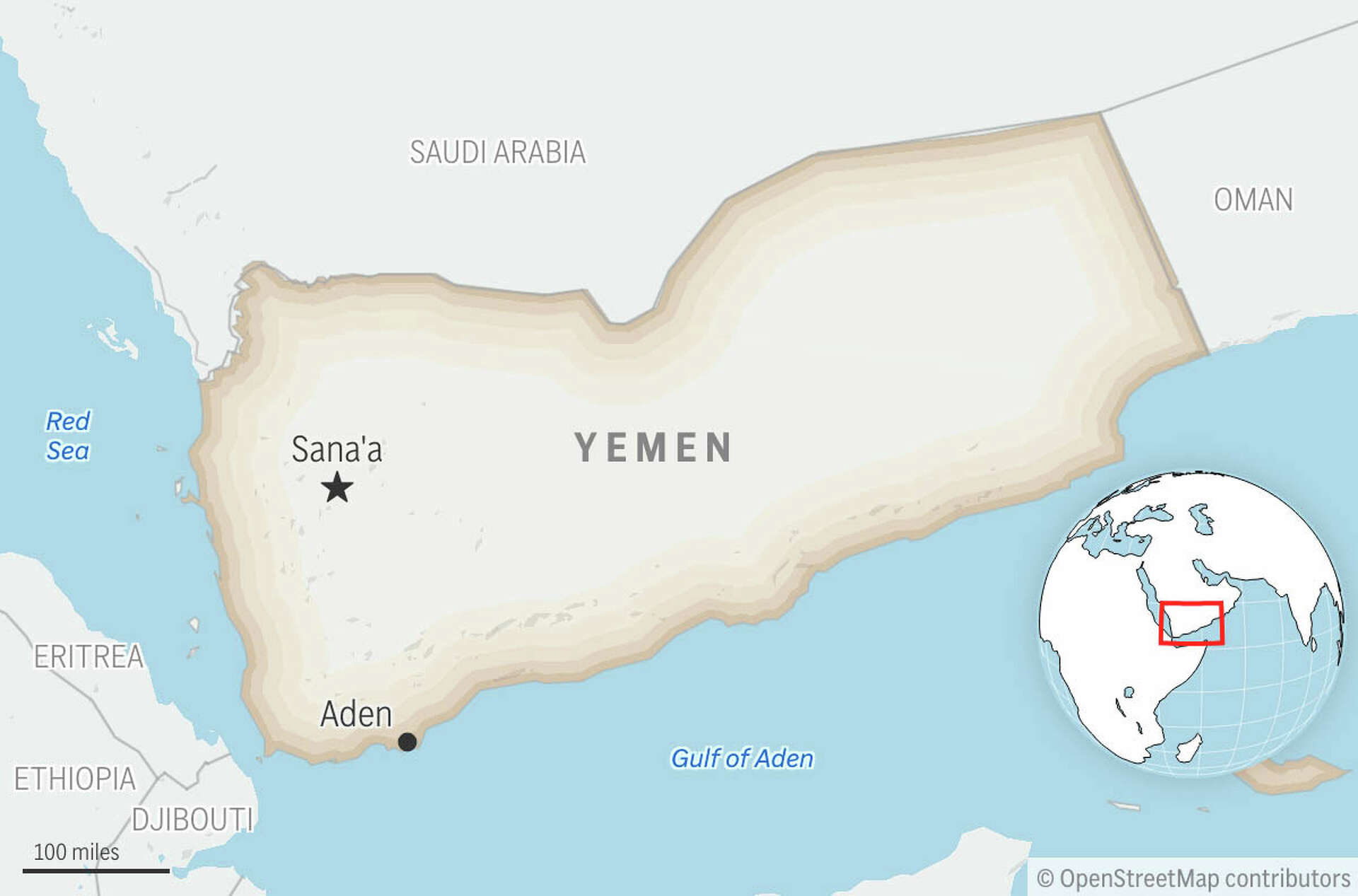
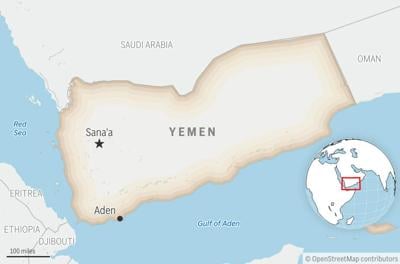
Strategic Territorial Positioning emerges as the core narrative. The S.T.C., an Emirati-backed separatist group, has strategically seized control of Hadramout and al-Mahra provinces, with explicit ambitions to capture Sanaa, the current Houthi-controlled capital. This isn't merely a military maneuver, but a deliberate infrastructure-building effort toward potential southern Yemeni statehood.
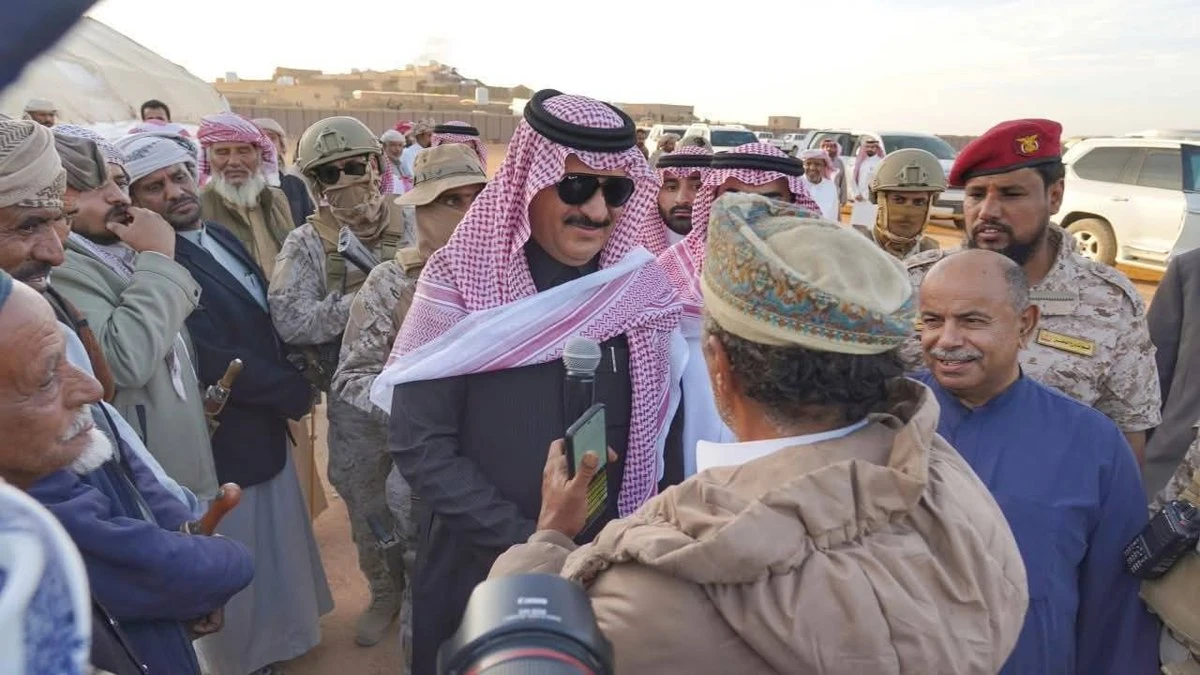
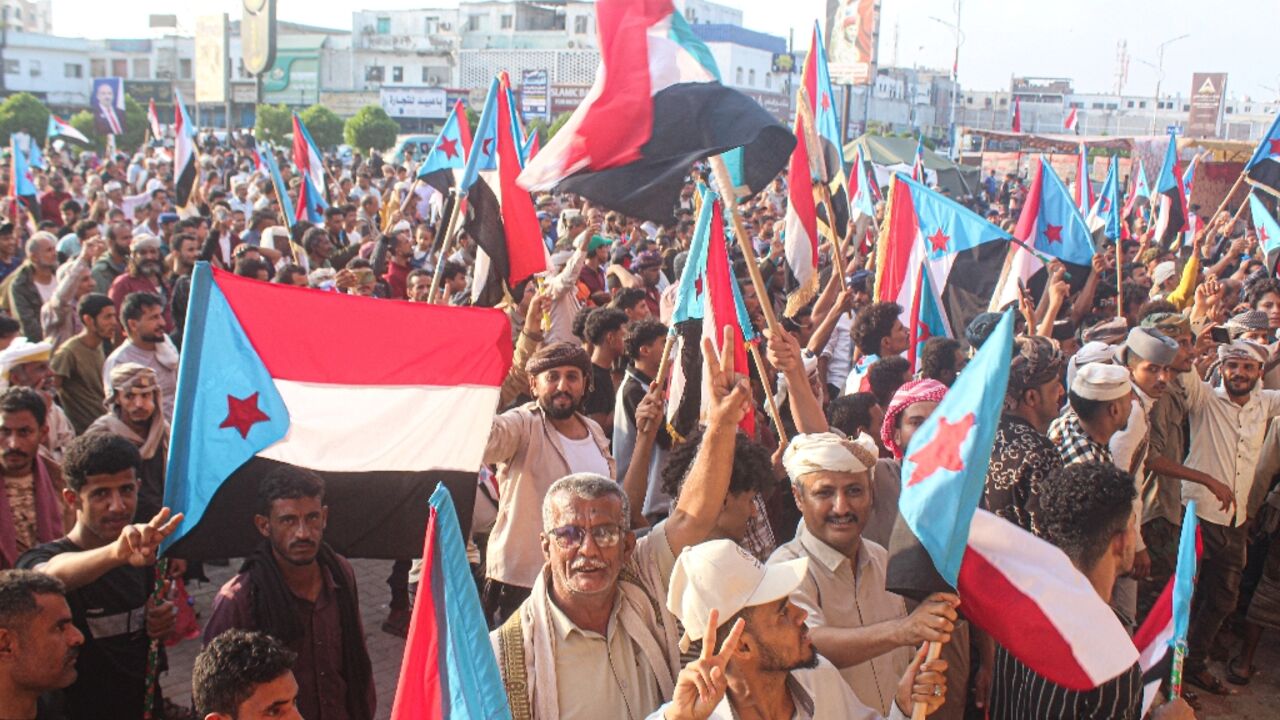
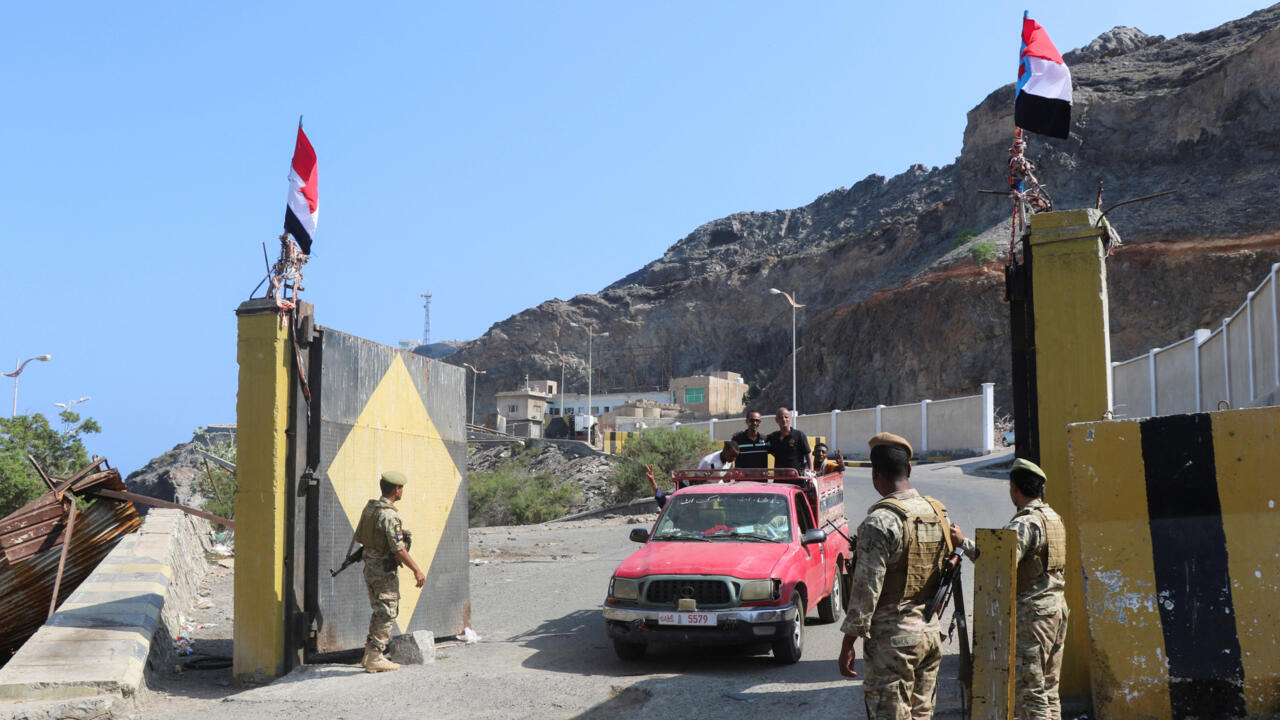
The escalation reveals multiple layers of complexity. While nominally part of the Presidential Leadership Council backed by Saudi Arabia, the S.T.C. is pursuing an increasingly independent agenda. Their actions symbolically challenge national unity—evidenced by removing the Yemeni national flag from official proceedings and convening high-level meetings at the Presidential Palace in Aden. International reactions remain cautious, with Saudi delegations attempting diplomatic interventions and leadership figures like Rashad al-Alimi condemning unilateral actions.
The broader implications are profound. This territorial expansion represents a pivotal moment in Yemen's fractured political landscape, potentially reshaping regional power dynamics. The conflict threatens the already fragile balance of power, with the risk of reigniting a more comprehensive civil war that could draw in multiple regional actors.
For strategic observers, this signals a critical inflection point: traditional state boundaries are becoming increasingly fluid, and non-state actors are gaining unprecedented strategic mobility. The S.T.C.'s calculated moves suggest a new paradigm of territorial reconfiguration driven by local political entrepreneurship rather than conventional national strategies.
Questions 3
What risks does this territorial expansion pose to broader regional stability?
The expansion increases the risk of a wider conflict by fragmenting Yemen's political landscape, potentially drawing in multiple regional actors. It threatens to reignite the civil war, disrupt humanitarian conditions, and create new zones of strategic uncertainty in the Gulf region.
How might regional powers like Saudi Arabia and the UAE respond to this development?
Saudi Arabia appears to be taking a cautious diplomatic approach, meeting tribal leaders and calling for S.T.C. withdrawal. The UAE, which backs the S.T.C., might continue supporting the group's strategic objectives, creating potential tension with Saudi diplomatic efforts and complicating regional stability.