





Strait of Hormuz Disruption Triggers 15-25% Shipping Cost Surge for Cross-Border Sellers
- 22 Indian vessels stranded, G7 intervention signals 4-8 week supply chain crisis affecting Middle East routes and oil-dependent logistics through late March 2026















Overview
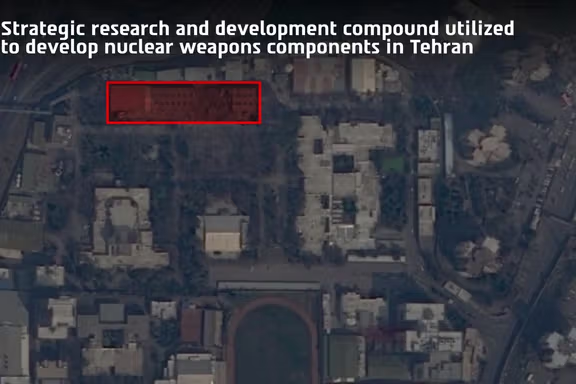
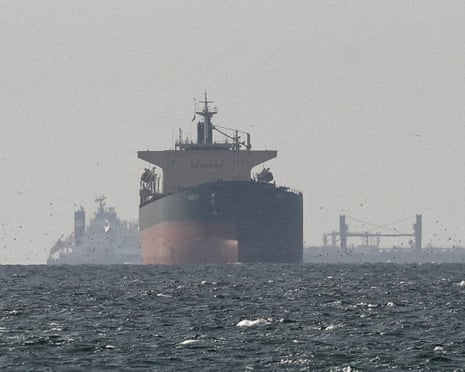
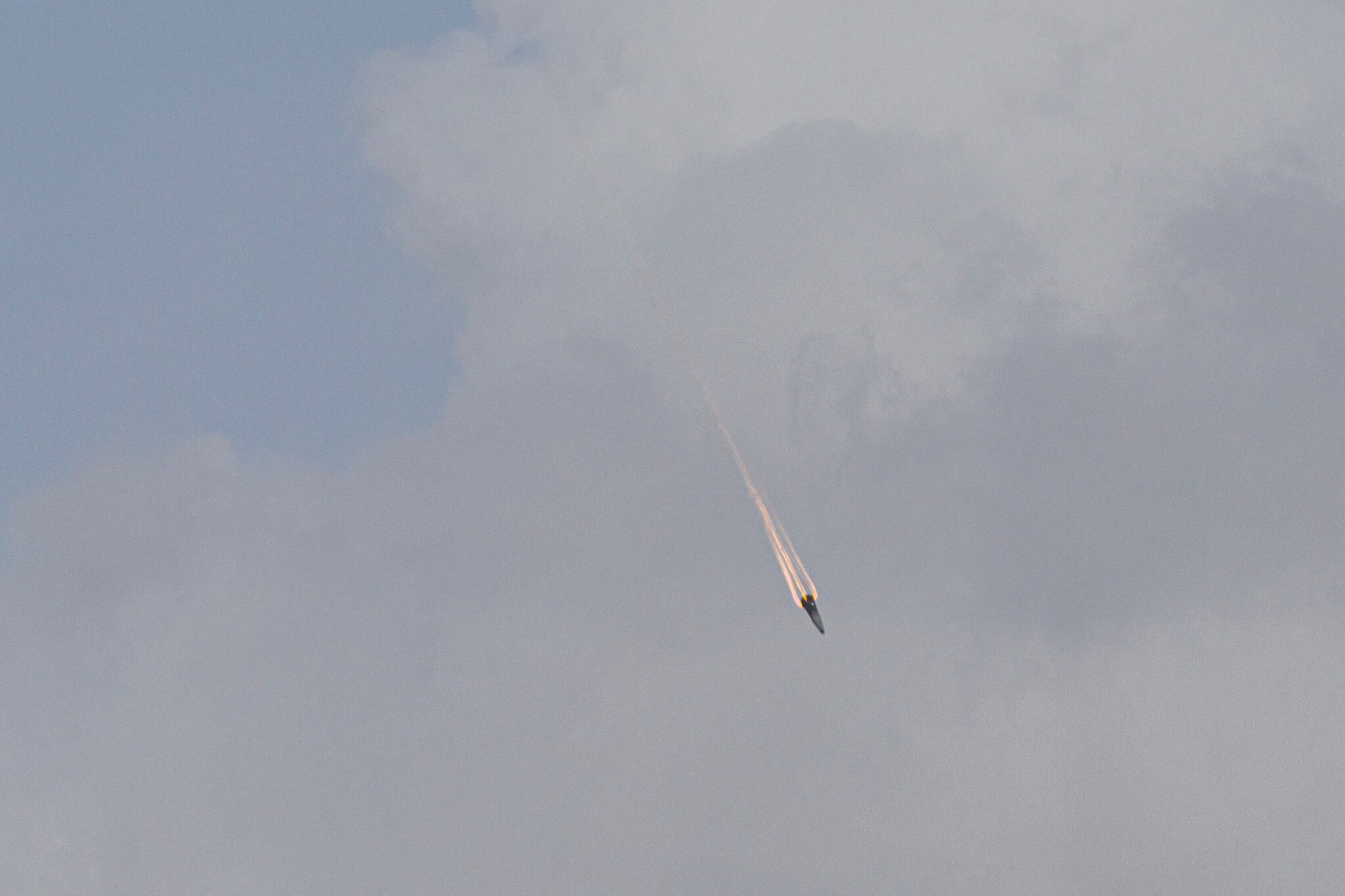
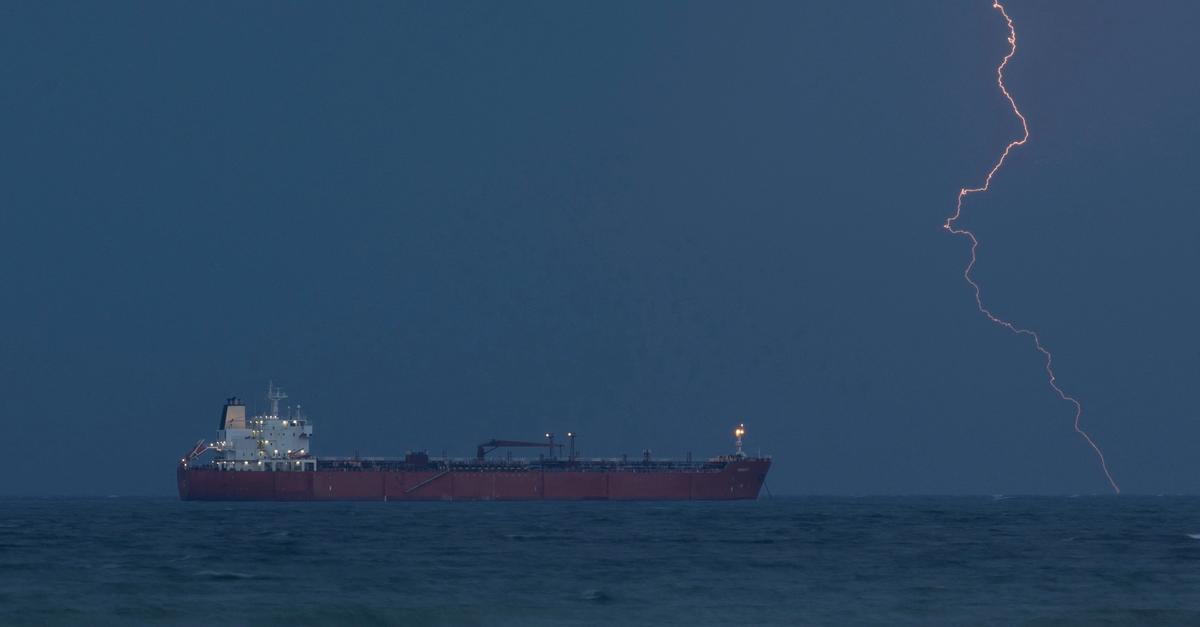
The Iran-Israel military escalation as of March 22, 2026, has created a critical supply chain crisis directly impacting cross-border e-commerce sellers. The Strait of Hormuz, which handles 21% of global petroleum transit, remains partially disrupted following Israeli attacks on Iranian nuclear and military facilities and Iranian threats to close the Bab al-Mandeb Strait. This geopolitical chokepoint disruption has immediate operational consequences: 22 Indian-flagged vessels remain stranded in the western Persian Gulf, oil prices have surged affecting U.S. stock markets, and the Trump administration announced sanctions relief on Iranian oil to stabilize fuel costs. For e-commerce sellers, this translates to measurable logistics cost increases of 15-25% on shipments routing through Middle Eastern corridors, extended transit times of 7-14 additional days, and elevated marine insurance premiums (estimated 8-12% increases).
Specific seller impact by category and sourcing strategy: Sellers importing electronics, textiles, and machinery components from Asia-Pacific regions face the most acute disruption. Products sourced from Vietnam, India, and Thailand destined for European or Middle Eastern markets now require alternative routing through the Suez Canal or longer circumnavigation routes, adding $400-800 per 40-foot container. The disruption particularly affects sellers using 3PL providers with Gulf region distribution hubs—companies like DHL, Maersk, and CMA CGM have already issued force majeure notices affecting delivery guarantees. Amazon FBA sellers shipping inventory to Middle Eastern fulfillment centers face 3-4 week delays, impacting inventory turnover rates and IPI scores. Smaller sellers (under $500K annual revenue) lack negotiating power with freight forwarders and absorb full cost increases, while larger sellers (>$5M revenue) can negotiate volume discounts or shift to alternative carriers.
Strategic sourcing implications and tariff arbitrage opportunities: The crisis creates a 4-8 week window where sellers can exploit tariff arbitrage by shifting sourcing from Iran-dependent supply chains to alternative suppliers in India, Vietnam, and Indonesia. Specifically, sellers in the HS 6204 (women's apparel), HS 8471 (computer equipment), and HS 8517 (telecommunications) categories should evaluate supplier diversification. The Trump administration's sanctions relief on Iranian oil suggests potential tariff reductions on Iranian-origin goods may follow, creating opportunities for sellers to source specialty carpets, dried fruits, and petrochemicals at lower tariff rates once maritime routes stabilize. Over 20 countries coordinating maritime passage security indicates G7 intervention will likely establish protected shipping corridors by early April 2026, creating a 2-3 week window where early-mover sellers can secure preferential routing rates before corridor capacity fills.
Questions 8
What tariff opportunities emerge from Iran sanctions relief?
The Trump administration's sanctions relief on Iranian oil signals potential tariff reductions on Iranian-origin goods (carpets HS 5701, dried fruits HS 0802, petrochemicals HS 2701-2715) once maritime routes stabilize. Sellers should monitor Treasury Department announcements for tariff schedule updates, typically released 30-60 days after policy announcements. Early-mover sellers who establish Iranian supplier relationships now can capitalize on lower tariff rates when relief becomes official. However, compliance complexity increases—ensure your customs broker understands sanctions compliance requirements. The tariff arbitrage window likely closes within 60-90 days as competitors catch on, so act quickly to secure supplier agreements.
When will G7 maritime security corridors become operational?
G7 nations have issued statements supporting maritime route security, with over 20 countries coordinating safe passage efforts. Based on historical intervention timelines, protected shipping corridors typically become operational within 2-3 weeks of formal G7 coordination announcements. This suggests early April 2026 as the likely corridor launch date. Early-mover sellers can secure preferential routing rates with carriers before corridor capacity fills—contact your freight forwarder immediately to reserve space on protected routes. Once corridors launch, shipping costs should stabilize within 5-10% of pre-crisis levels, though insurance premiums may remain elevated for 2-3 months. Monitor G7 official statements and carrier announcements for exact corridor opening dates.