




Strait of Hormuz Supply Chain Crisis | 20% Oil Trade Disruption Threatens Cross-Border Logistics
- Trump's 48-hour ultimatum triggers shipping cost surge; sellers face 8-15% fuel surcharge increases and 2-4 week transit delays on Asia-to-US routes



)



































Overview
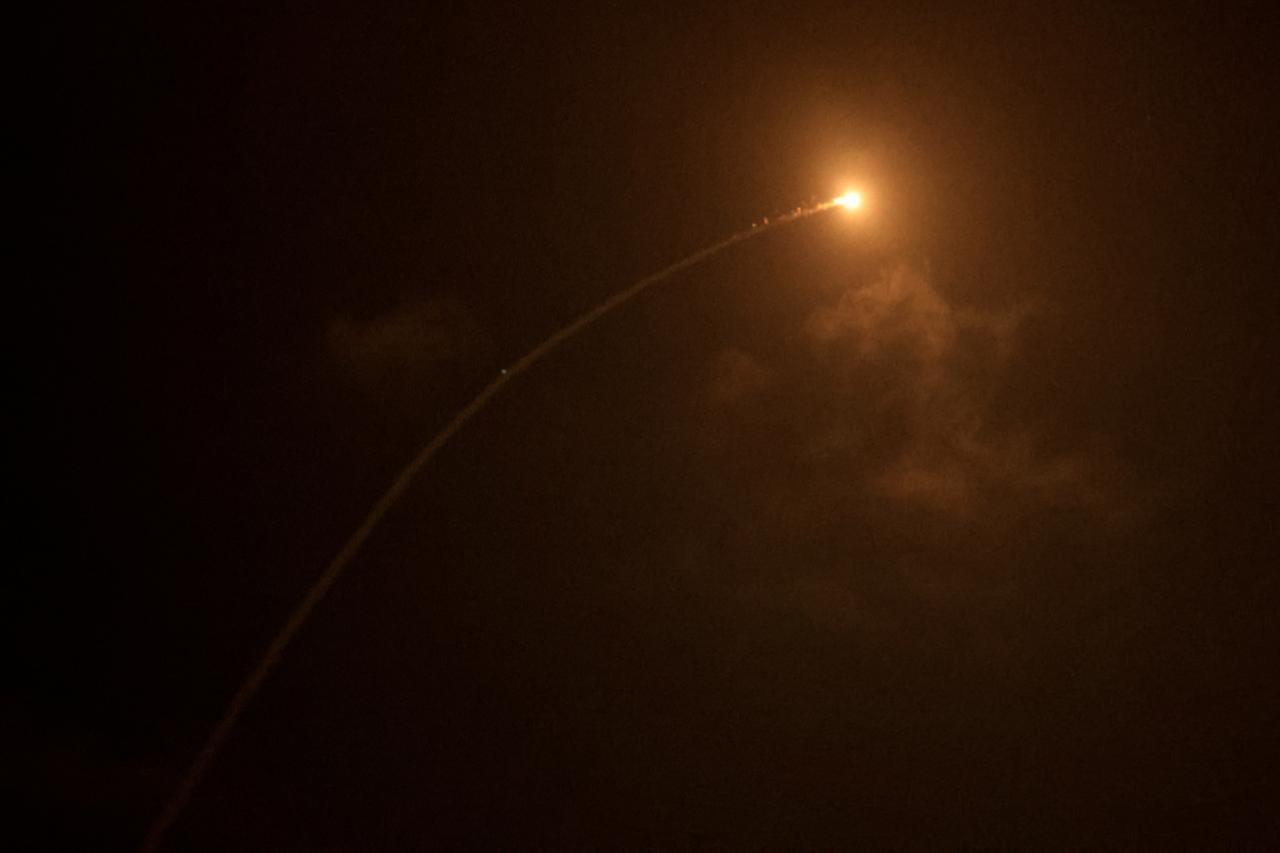
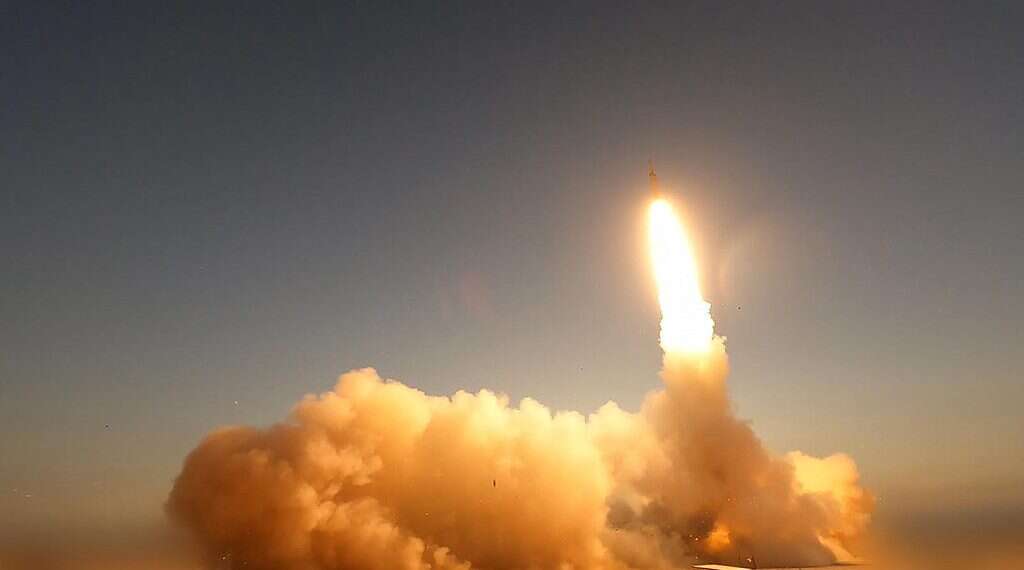
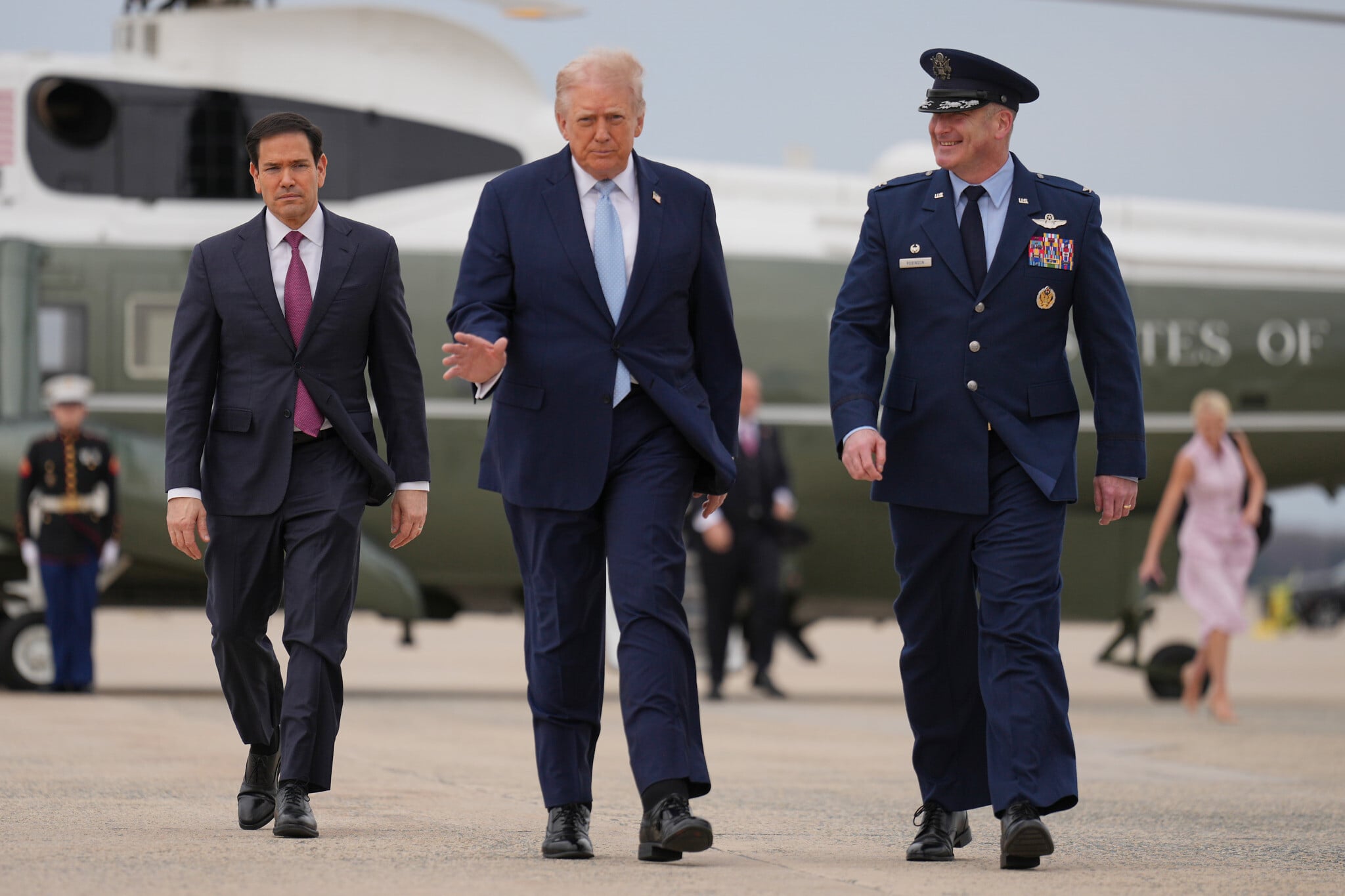
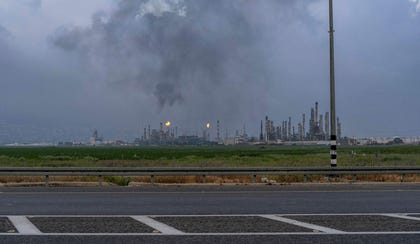
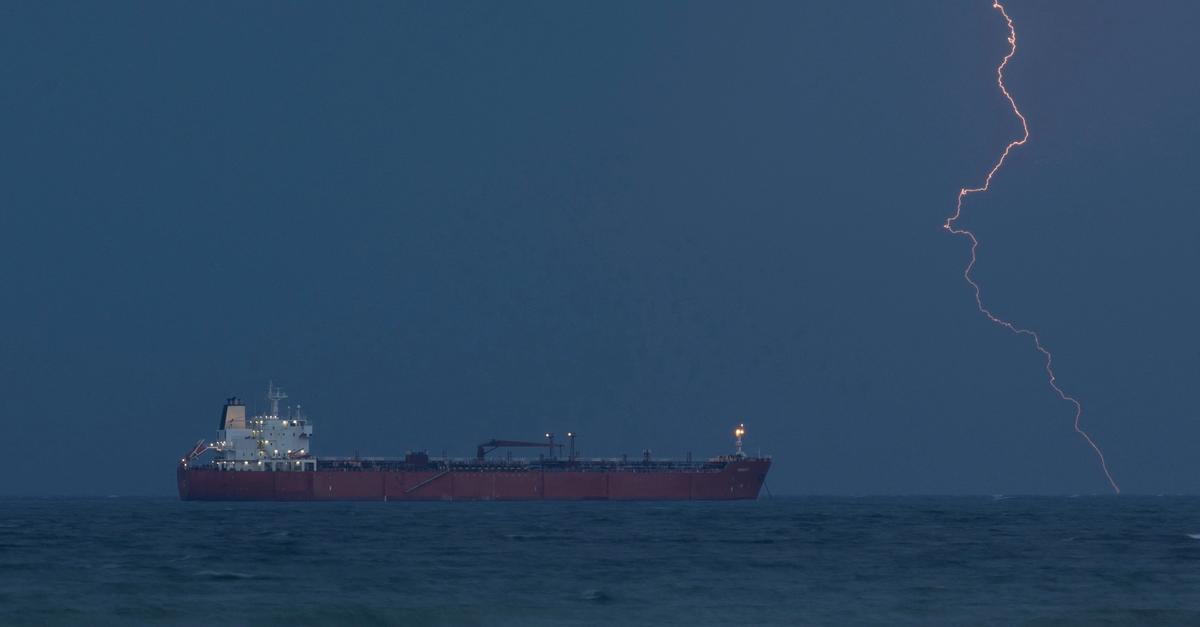
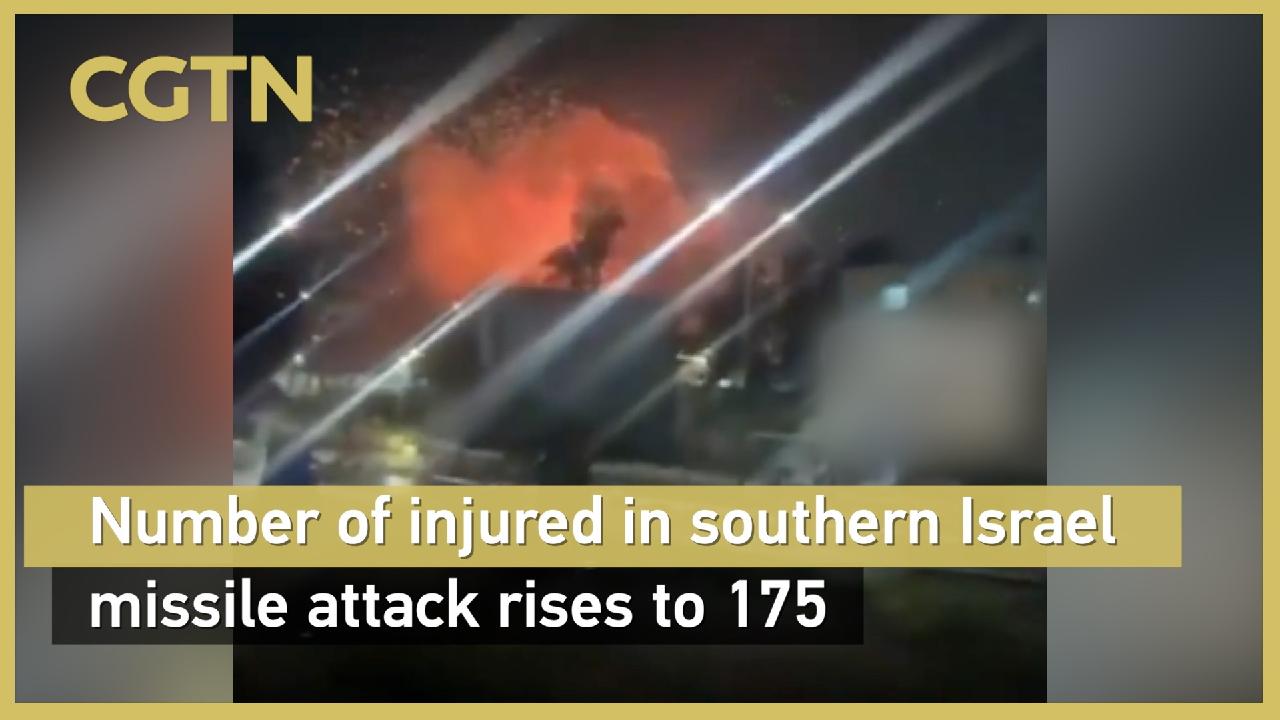
The March 22, 2026 escalation in Middle East tensions—triggered by President Trump's 48-hour ultimatum to Iran over the Strait of Hormuz and subsequent Iranian missile strikes on Israel—creates an immediate supply chain crisis for cross-border e-commerce sellers. The Strait of Hormuz handles approximately 20% of global oil exports; any prolonged closure or military disruption would dramatically increase fuel surcharges, shipping times, and overall logistics costs. This directly impacts sellers relying on air freight, ocean freight, and ground transportation for inventory movement and order fulfillment.
Immediate Logistics Impact: Sellers shipping via traditional Asia-to-US ocean freight routes face 8-15% fuel surcharge increases within 7-14 days as energy prices spike from geopolitical uncertainty. Air freight premiums are already rising 12-20% as carriers hedge against potential route closures. Warehouse operations costs increase due to energy price volatility affecting climate control, material handling, and last-mile delivery expenses. Sellers with inventory in transit through Middle Eastern routes or dependent on Gulf oil-based manufacturing hubs face potential 2-4 week delays and rerouting costs averaging $500-2,000 per container.
Secondary Risk Cascade: Port closures in the Gulf region (UAE, Saudi Arabia) would force rerouting through longer African routes (Cape of Good Hope), adding 10-14 days to transit times and $1,500-3,500 per container. Insurance premiums for maritime shipping are increasing 15-25% as underwriters price in conflict risk. Manufacturing hubs in Asia dependent on Gulf oil (petrochemical inputs for plastics, packaging, textiles) face production disruptions. The situation remains fluid with Trump's statements suggesting continued military escalation rather than de-escalation, indicating sustained supply chain pressure through at least April 2026.
Seller Segment Impact: Large sellers (10,000+ monthly units) with diversified sourcing can absorb 8-12% cost increases through margin compression or selective price increases. Mid-market sellers (1,000-10,000 units) face critical margin pressure—typical 15-20% margins compress to 5-8% with fuel surcharges. Small sellers (<1,000 units) relying on air freight for fast inventory turns face potential business model collapse if premiums sustain above 20%. Sellers in time-sensitive categories (fashion, electronics, perishables) experience the highest pressure as delayed inventory misses seasonal windows and demand peaks.
Questions 8
What compliance or documentation changes affect sellers shipping through Middle East routes?
Insurance requirements for maritime shipping through conflict zones are increasing, with additional documentation and higher premiums (15-25% increases) now standard. Sellers should verify their 3PL and freight forwarder insurance covers Middle East transit; many policies exclude active conflict zones. Customs documentation for rerouted shipments (Cape of Good Hope alternative) requires updated port-of-call declarations and may trigger additional inspections, adding 2-3 days to clearance. Sellers should work with customs brokers to pre-file alternative routing documentation now. Check Amazon Seller Central for any policy updates on shipping restrictions to conflict-affected regions; platform policies may restrict shipments to certain Middle East destinations temporarily.
How long will shipping cost increases persist after the crisis resolves?
Historical precedent from 2022 Suez Canal blockade shows fuel surcharges persist 4-6 weeks after crisis resolution as carriers rebuild inventory and insurance premiums normalize. The current Strait of Hormuz situation involves active military conflict rather than infrastructure blockage, potentially extending normalization to 8-12 weeks. Oil prices typically decline 10-15% within 2-3 weeks of geopolitical de-escalation, but shipping rates lag by 4-6 weeks as contracts reset. Sellers should budget for elevated costs through May 2026 and plan margin recovery strategies for June-July. Monitor Trump administration statements and Iranian responses daily; any de-escalation signals should trigger immediate rate-locking for June shipments.