



Strait of Hormuz Crisis Drives 5-15% Logistics Cost Surge for Asia-Pacific E-Commerce Sellers
- Military escalation cuts 20% of global oil/gas supply; shipping delays extend 2-3 weeks; insurance premiums spike; alternative routing via Iran corridor creates geopolitical compliance risks

)




Overview
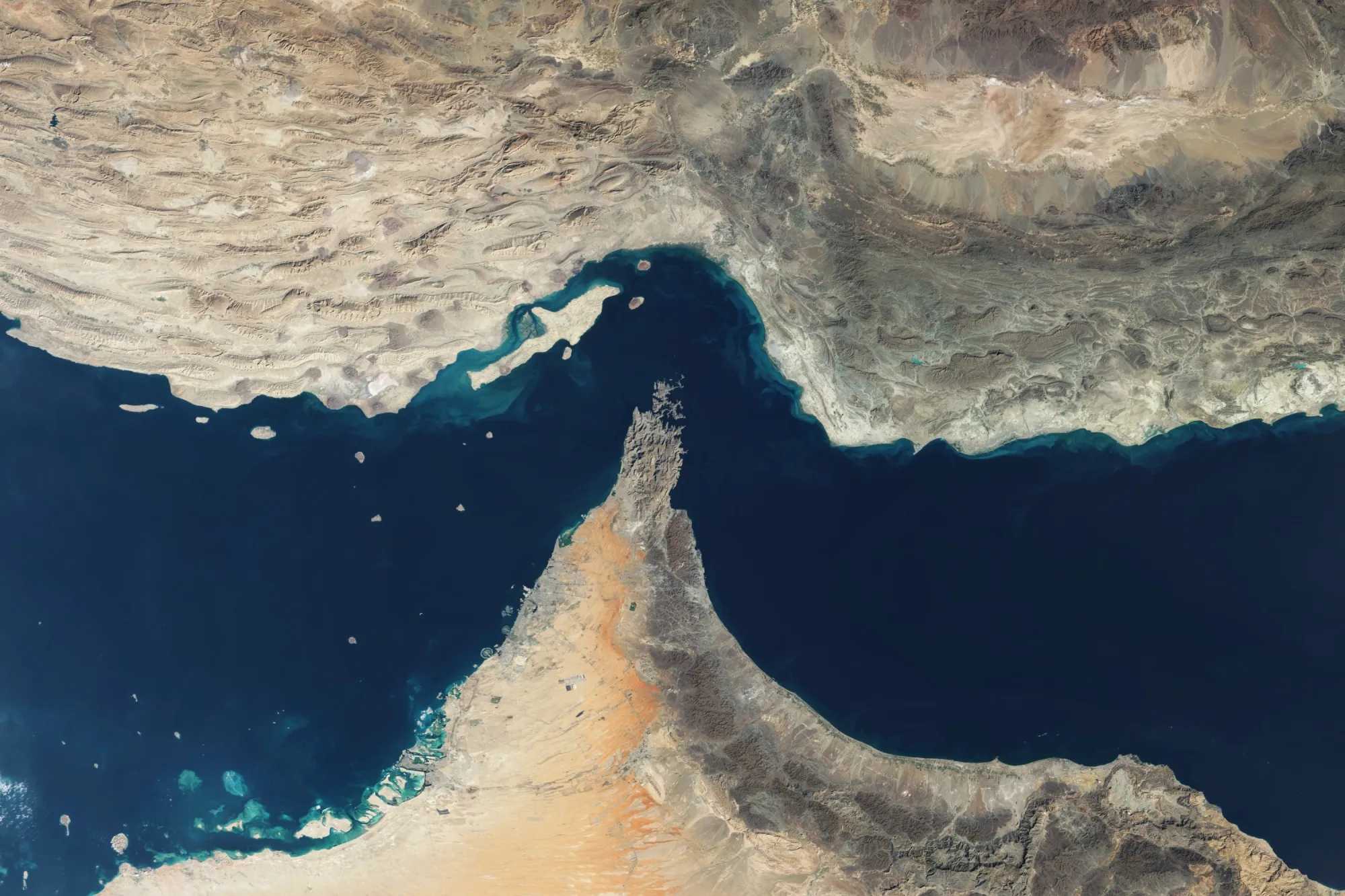
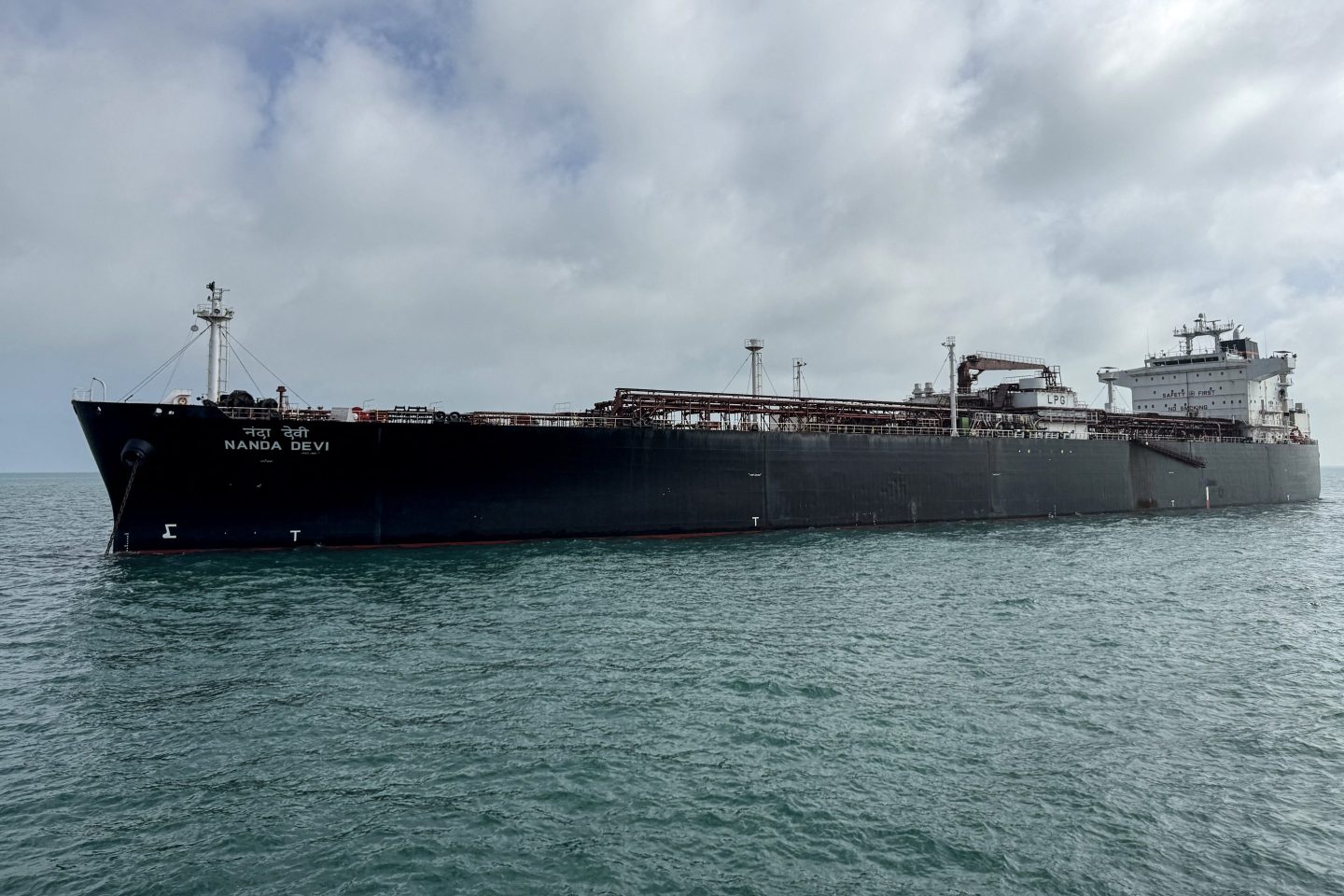
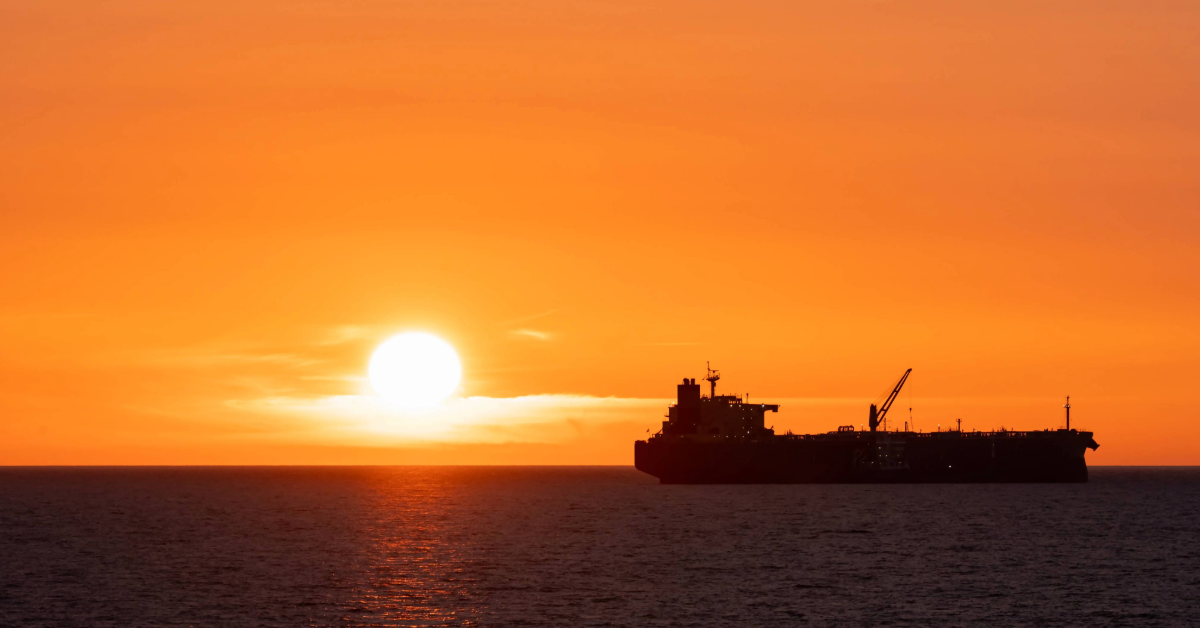
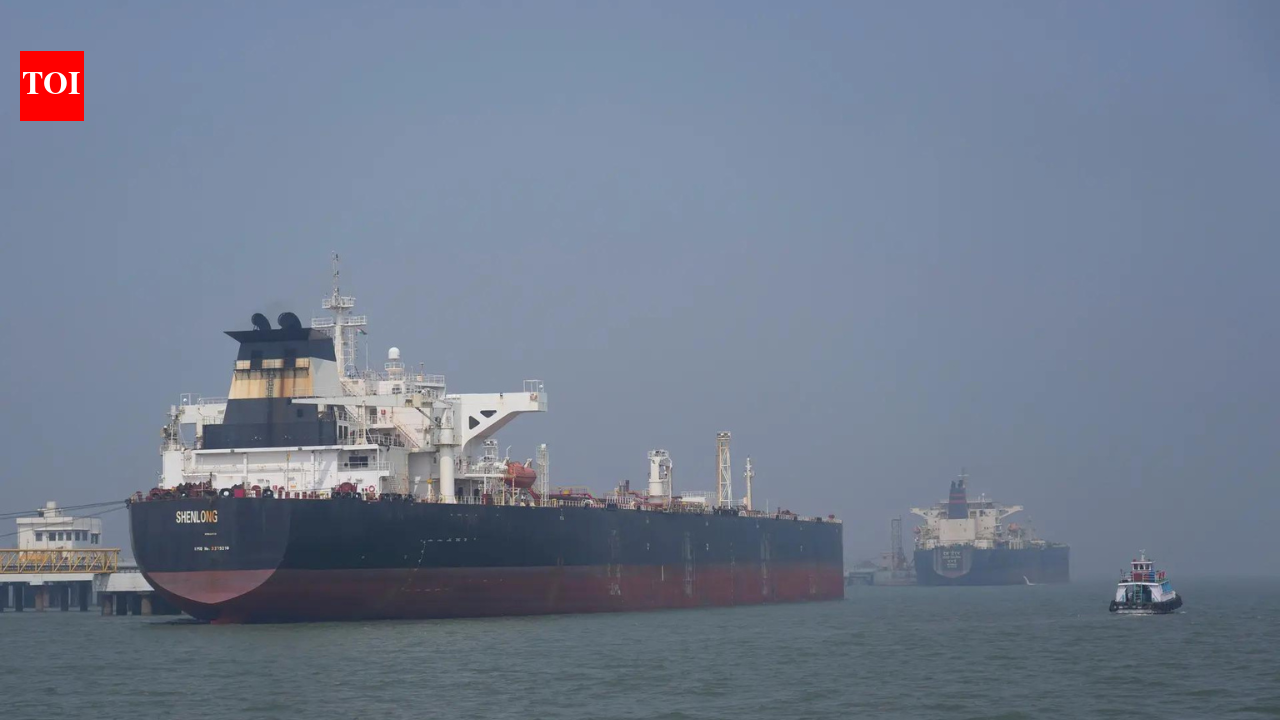
The March 2026 military escalation between the US, Israel, and Iran has created a critical supply chain crisis centered on the Strait of Hormuz, a 35-mile waterway handling approximately 20-21% of global petroleum and liquefied natural gas. Following tanker operator halts and Iranian attacks on commercial shipping (March 20, 2026), cross-border e-commerce sellers face immediate operational and financial pressures across multiple dimensions.
Direct Cost Impact for Sellers: Logistics expenses have increased 5-15% depending on cargo type and routing, driven by elevated fuel surcharges, higher 3PL provider fees, and expanded insurance premiums for vessels operating in the region. Sellers relying on air freight, ocean freight, and ground transportation face compounded challenges. Asia-Pacific sourcing regions are particularly affected, as fuel costs directly influence both manufacturing expenses and transportation pricing. A single shipment from Vietnam or India to US/EU markets now carries $2,000-5,000 additional logistics costs depending on product weight and urgency.
Shipping Timeline Disruptions: Vessels forced to take alternative routes around Africa (circumnavigating the Cape of Good Hope) extend delivery timelines by 2-3 weeks compared to standard Hormuz transit. This directly impacts inventory management, customer satisfaction metrics, and fulfillment timelines for sellers using sea freight. Time-sensitive product categories (electronics, perishables, seasonal goods) face the highest risk. For sellers operating on 30-45 day inventory cycles, a 2-3 week delay can trigger stockouts and lost sales.
Emerging Geopolitical Arbitrage: Iran has established a de facto safe shipping corridor via Larak Island, where the Islamic Revolutionary Guard Corps visually confirms vessels before transit. Governments including India, Pakistan, Iraq, Malaysia, and China have negotiated passage directly with Iranian authorities on a case-by-case basis, with documented transit approval costs of approximately $2 million per tanker. This creates a nascent compliance risk: sellers sourcing through intermediaries in these countries may inadvertently route shipments through Iran-controlled passages, exposing them to US sanctions violations and customs penalties. Nine ships have successfully transited this corridor, but it remains minimal compared to pre-conflict traffic exceeding 100 vessels daily.
Strategic Sourcing Shifts: The crisis accelerates sourcing diversification away from Asia-Pacific concentration. Sellers are evaluating nearshoring opportunities (Mexico for US sellers, Eastern Europe for EU sellers) and exploring alternative manufacturing regions less dependent on Hormuz transit. Companies with established supply chains in India, Pakistan, and Malaysia face heightened compliance scrutiny due to their governments' direct negotiations with Iran.
Market Opportunities: Sellers of energy-efficient products, alternative fuel technologies, and supply chain management software are positioned to capture demand from logistics providers seeking cost optimization. Shipping insurance products and supply chain diversification consulting represent emerging service categories.
Questions 8
What happens if my shipment gets routed through Iran's shipping corridor?
Iran has established a de facto safe passage via Larak Island where the Islamic Revolutionary Guard Corps approves vessels, with documented transit costs around $2 million per tanker. If your shipment is routed through this corridor without explicit authorization, you face serious compliance risks including US sanctions violations, customs penalties, and potential account suspension on Amazon, eBay, or Shopify. The corridor is primarily used by governments (China, India, Pakistan, Malaysia) negotiating directly with Iranian authorities. To mitigate risk, specify in shipping contracts that cargo must NOT transit through Iranian-controlled passages and verify your 3PL provider's routing protocols. Request written confirmation of routing before shipment departure.
How much will my shipping costs increase due to Strait of Hormuz disruptions?
Logistics expenses are rising 5-15% depending on cargo type and routing, driven by fuel surcharges, higher 3PL fees, and expanded insurance premiums. A typical 40-foot container from Vietnam to the US now costs $2,000-5,000 more than pre-crisis rates. Air freight premiums are even steeper, with some carriers charging 20-25% surcharges. The crisis began in late February 2026 with tanker operator halts and continues through March 2026, with no immediate resolution expected. Sellers should lock in rates with 3PL providers immediately and consider alternative routing through Indian or Malaysian ports, though these routes add 1-2 weeks to transit times.