
)





Strait of Hormuz Tensions Spike Shipping Costs 8-15% | Sellers Face Critical Supply Chain Risk
- Geopolitical escalation threatens 20% of global oil transit; freight rates surge for Asia-sourced inventory; Dubai transshipment hub at risk; sellers must diversify logistics routes immediately


























Overview
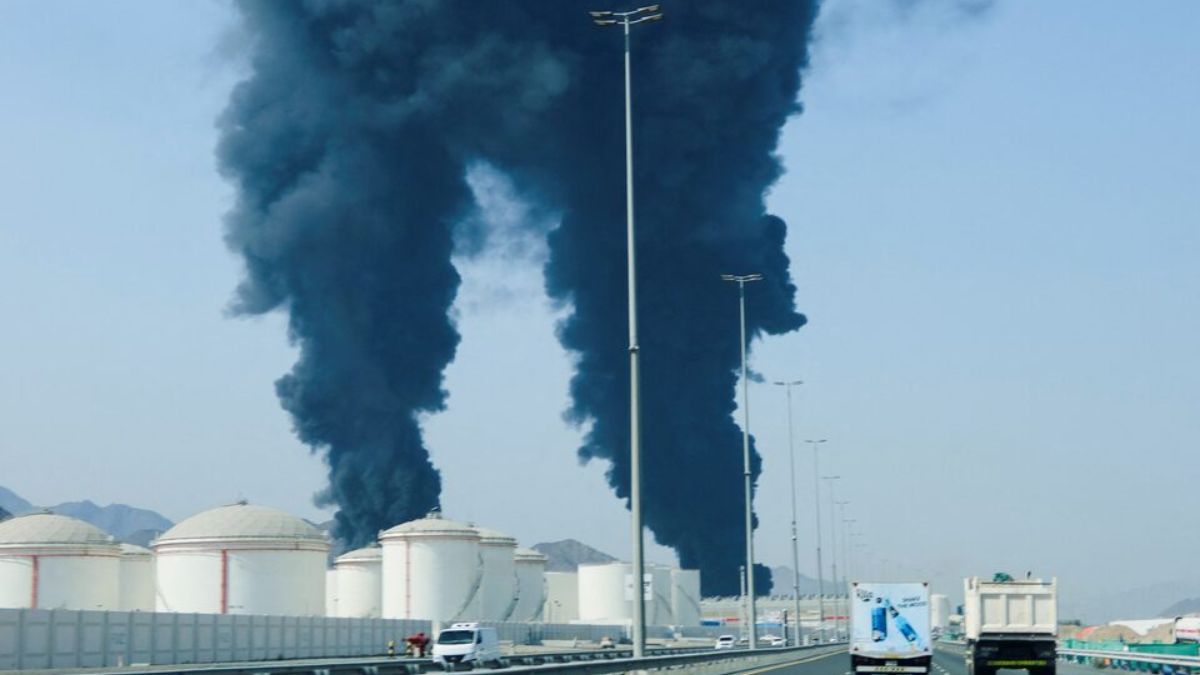
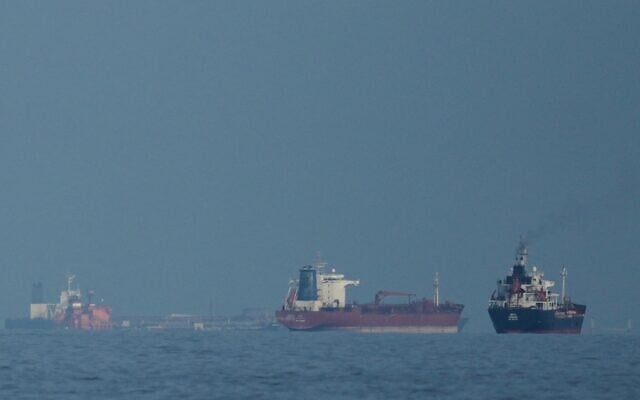
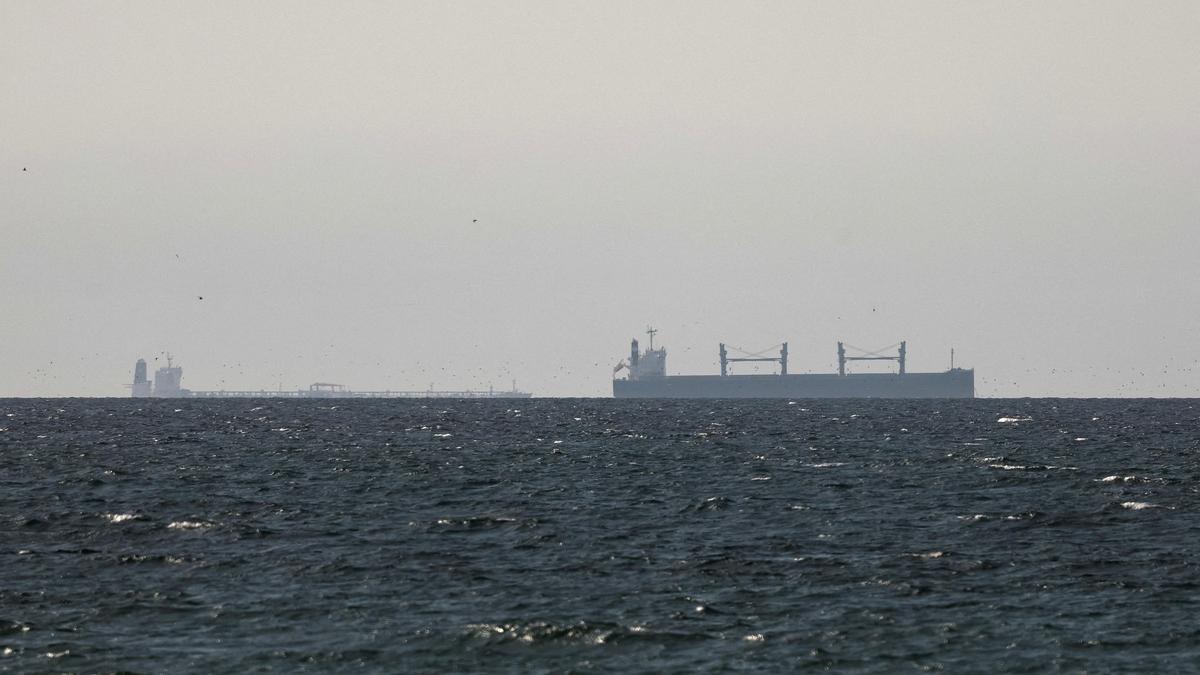
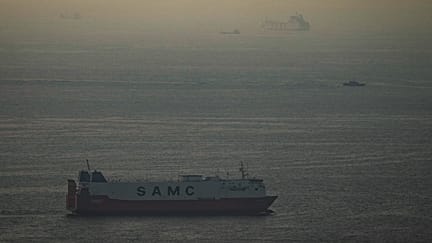
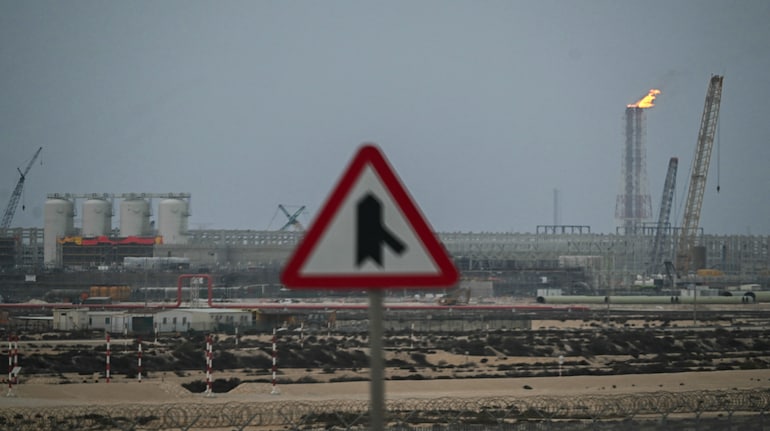
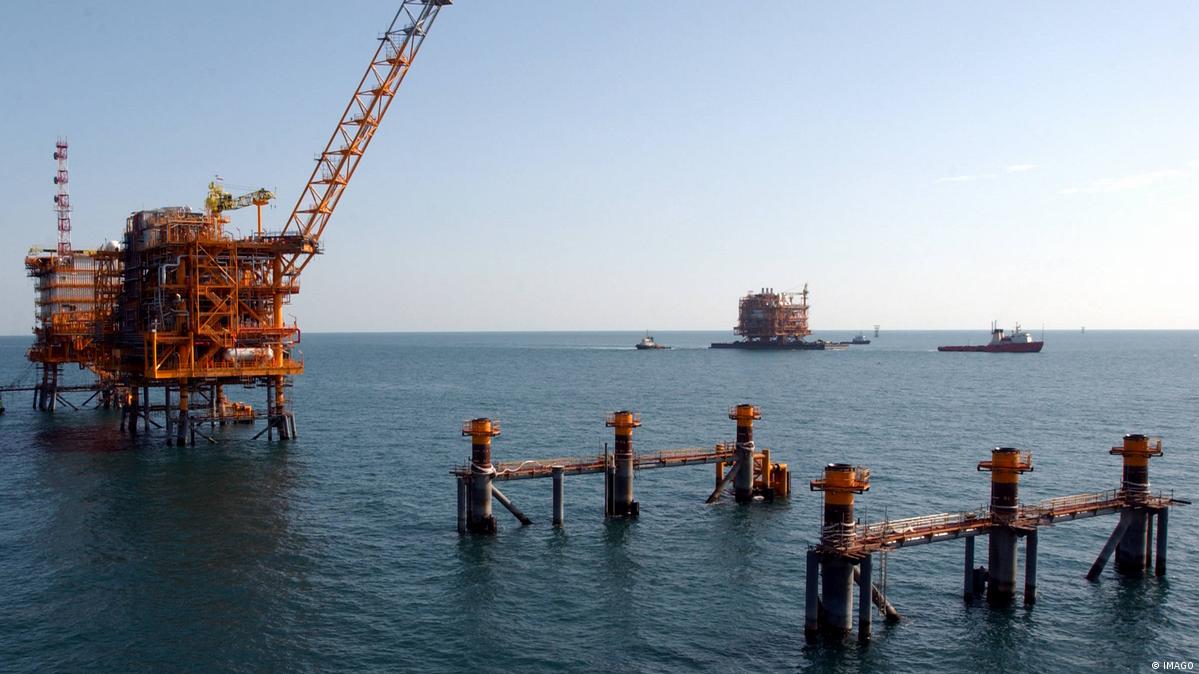
The Strait of Hormuz crisis represents a critical supply chain inflection point for cross-border e-commerce sellers. Escalating Iran-US tensions have created immediate operational risks affecting approximately 20% of global oil supplies transiting through this strategic chokepoint. President Trump's 48-hour ultimatum to reopen the Strait, coupled with Iran's explicit threats to target energy infrastructure, desalination plants (40% of Middle East capacity), and IT systems across the Persian Gulf region, has triggered measurable cost increases for sellers relying on Asian manufacturing and Middle Eastern transshipment hubs.
Immediate logistics impact: Freight rates are already rising 8-15% for shipments through the Strait. Sellers sourcing from Vietnam, India, and China who route inventory through Dubai's transshipment hub—critical for consolidation to North America and Europe—face compressed margins on high-volume categories (electronics, apparel, home goods). Energy infrastructure attacks could disrupt port operations at Jebel Ali (Dubai's primary container terminal), affecting 14+ million TEU annually. Information technology infrastructure damage threatens digital payment systems, order processing platforms, and supply chain visibility tools that sellers depend on for real-time inventory tracking. Rising oil prices directly correlate with increased freight rates and extended delivery timelines—a 10% oil price spike typically translates to 5-8% shipping cost increases within 2-3 weeks.
Strategic sourcing implications: Sellers must evaluate alternative logistics corridors immediately. The threat of Strait closure creates a 30-60 day window where sellers can shift inventory to alternative routes (Suez Canal via Red Sea, longer Asia-to-Europe routes, or air freight for high-margin categories) before competitors saturate capacity. Sellers with exposure to Middle Eastern markets face additional risks: potential regional blackouts would disrupt e-commerce operations in UAE, Saudi Arabia, Qatar, and Kuwait—markets representing $12-15B in annual cross-border sales. Insurance costs for shipments through the region are rising 20-30%, with some carriers implementing hazard surcharges. Buffer inventory becomes critical for sellers dependent on just-in-time delivery models; maintaining 30-45 days of safety stock in North American/European fulfillment centers protects against supply chain disruptions while competitors face stockouts.
Questions 8
How much will shipping costs increase if the Strait of Hormuz closes?
Shipping costs through the Strait are already rising 8-15% due to escalating tensions, with potential for 20-30% increases if the waterway closes completely. A full closure would force rerouting through longer Asia-to-Europe routes (adding 10-14 days transit time) or Suez Canal alternatives, increasing freight rates $400-800 per 40-foot container. For sellers shipping 500+ containers monthly from Vietnam or China, this translates to $200,000-400,000 in additional monthly costs. Immediate action: lock in freight rates with carriers for next 60-90 days before capacity constraints worsen.
Should I shift inventory to alternative fulfillment centers outside the Middle East?
Yes, immediately. Dubai's Jebel Ali port handles 14+ million TEU annually and serves as the primary transshipment hub for Asia-to-North America and Asia-to-Europe routes. A disruption would create 3-4 week delays for sellers relying on this hub. Recommended action: allocate 30-40% of inventory to US-based 3PL providers (East Coast ports like Savannah, Charleston) and European fulfillment centers (Rotterdam, Hamburg) within 30 days. This increases fulfillment costs by 8-12% but protects against supply chain disruption. For sellers with $2M+ annual revenue, the cost of diversification ($50-100K) is justified by avoiding potential stockouts.