


Precious Metals Collapse & Iran Conflict Reshape Currency Markets | Cross-Border Seller Impact
- Gold plummets 20% from January peak; USD strengthens 8-12%; Vietnam sourcing costs compress 9%; jewelry/luxury sellers face margin pressure through Q2 2026














Overview
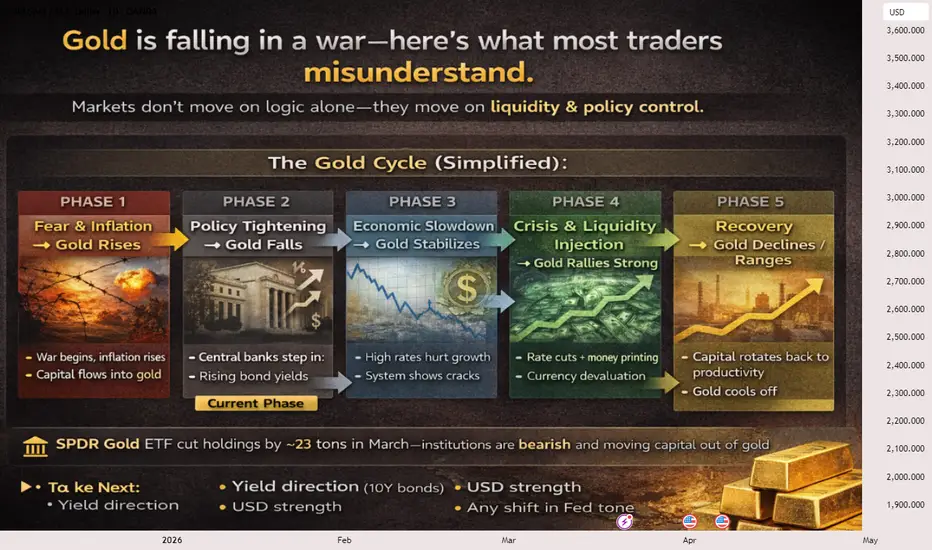
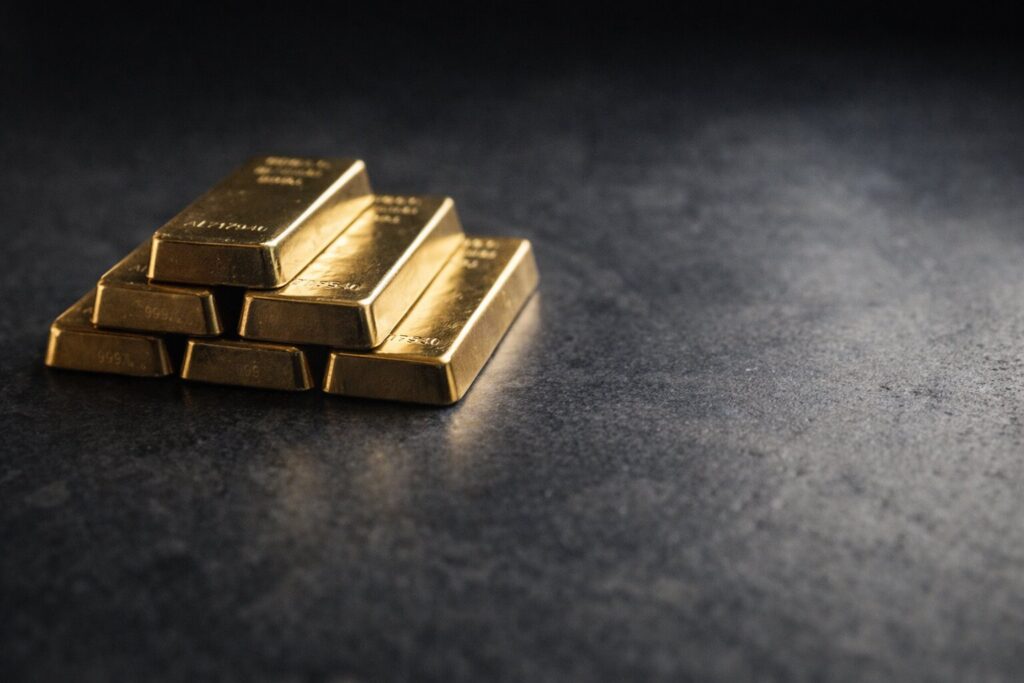
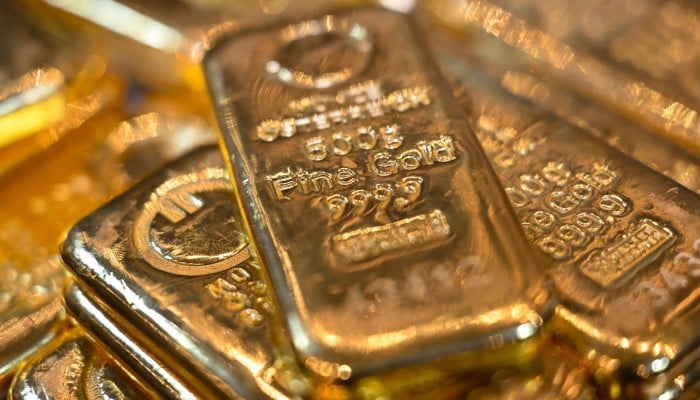
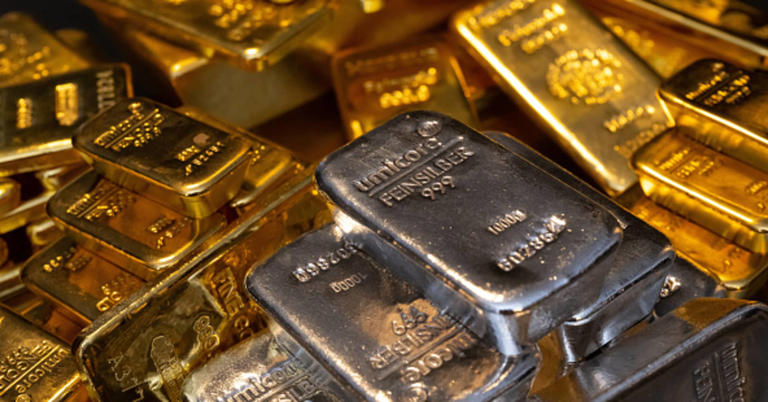
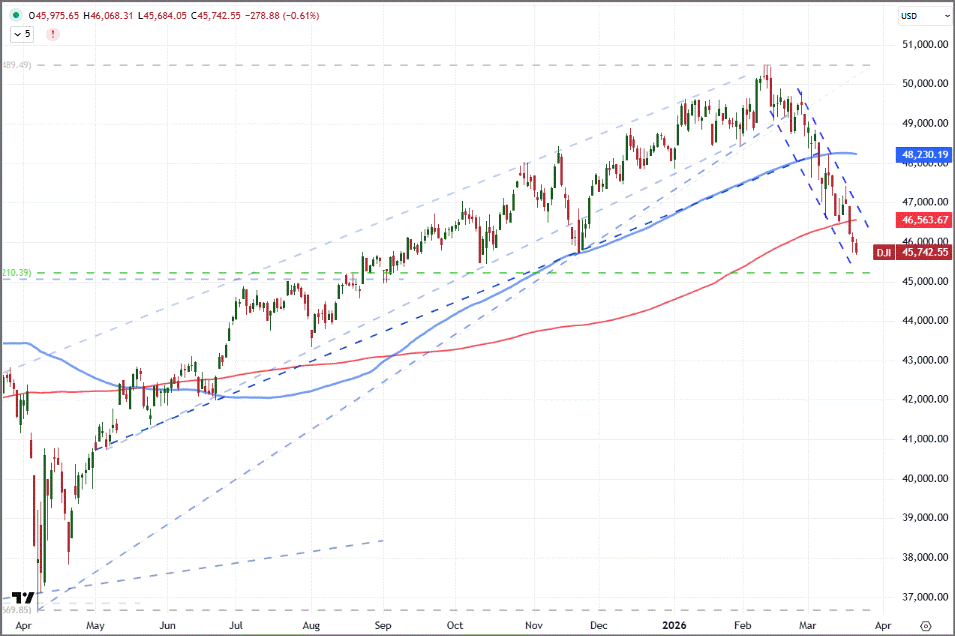
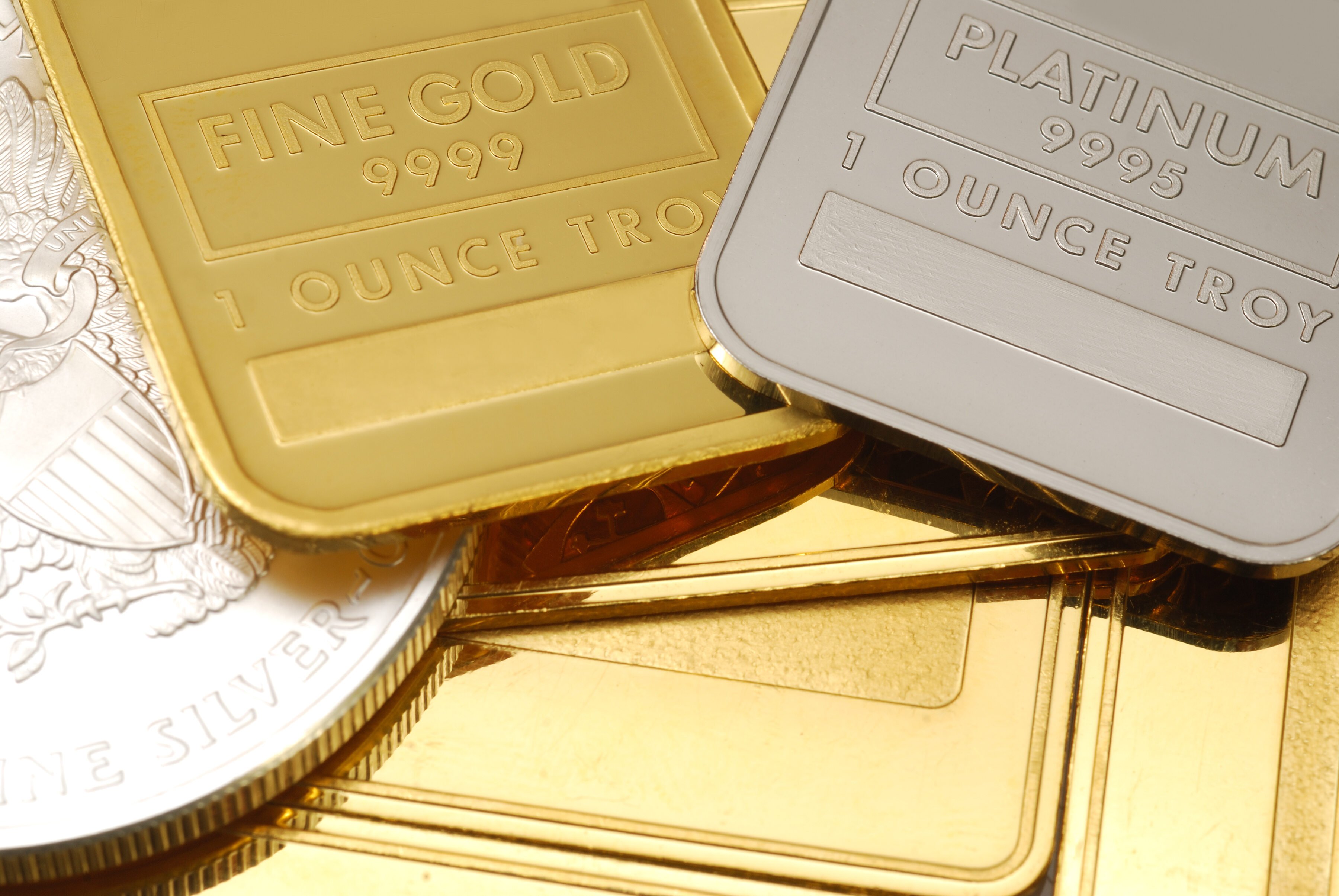
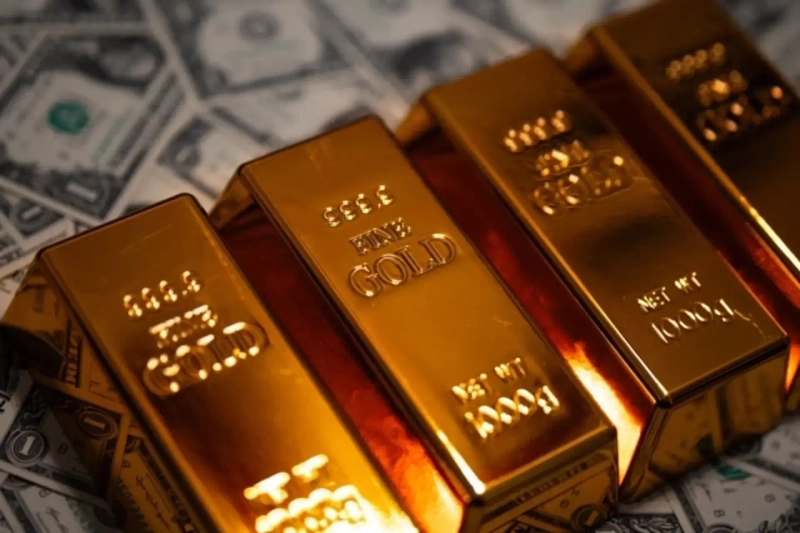
Global precious metals markets experienced their most severe correction in over 14 years, with gold collapsing from $5,608.35 (January peak) to $4,494.10 per ounce by late March 2026—a 20% decline—while silver dropped 44% and copper fell nearly 20%. The Iran conflict escalation (US-Israel military action on February 28, 2026) triggered cascading margin calls, forced liquidations, and a 50% probability of Federal Reserve rate hikes by October, reversing earlier rate-cut expectations. This macroeconomic shock creates both immediate challenges and strategic opportunities for cross-border e-commerce sellers, particularly those in jewelry, luxury goods, and precious metals categories.
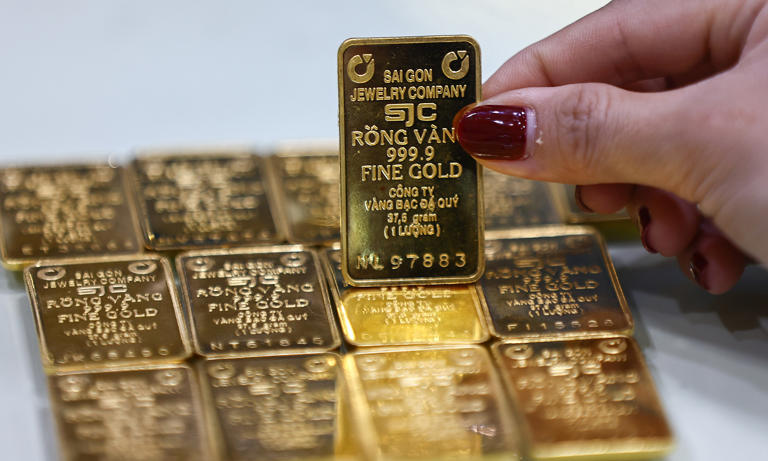
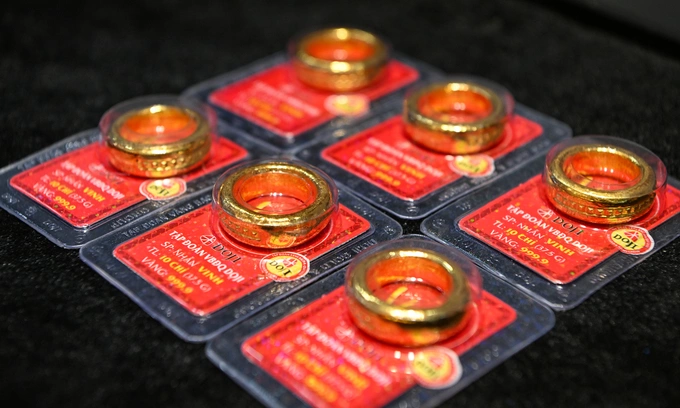
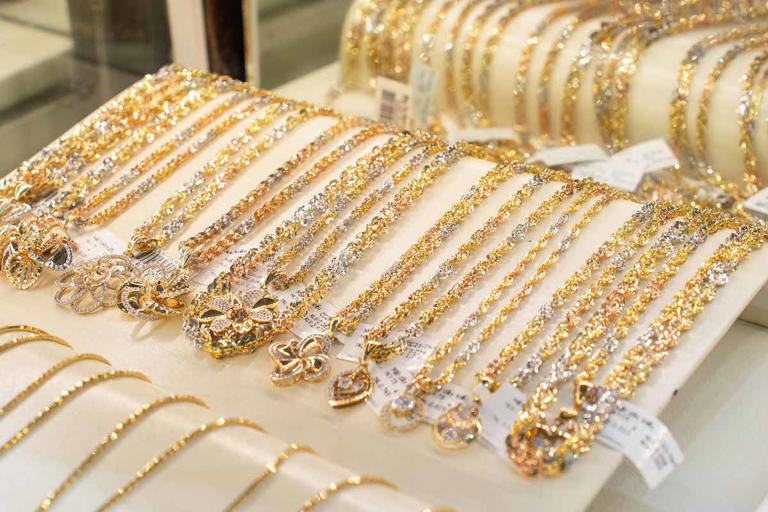
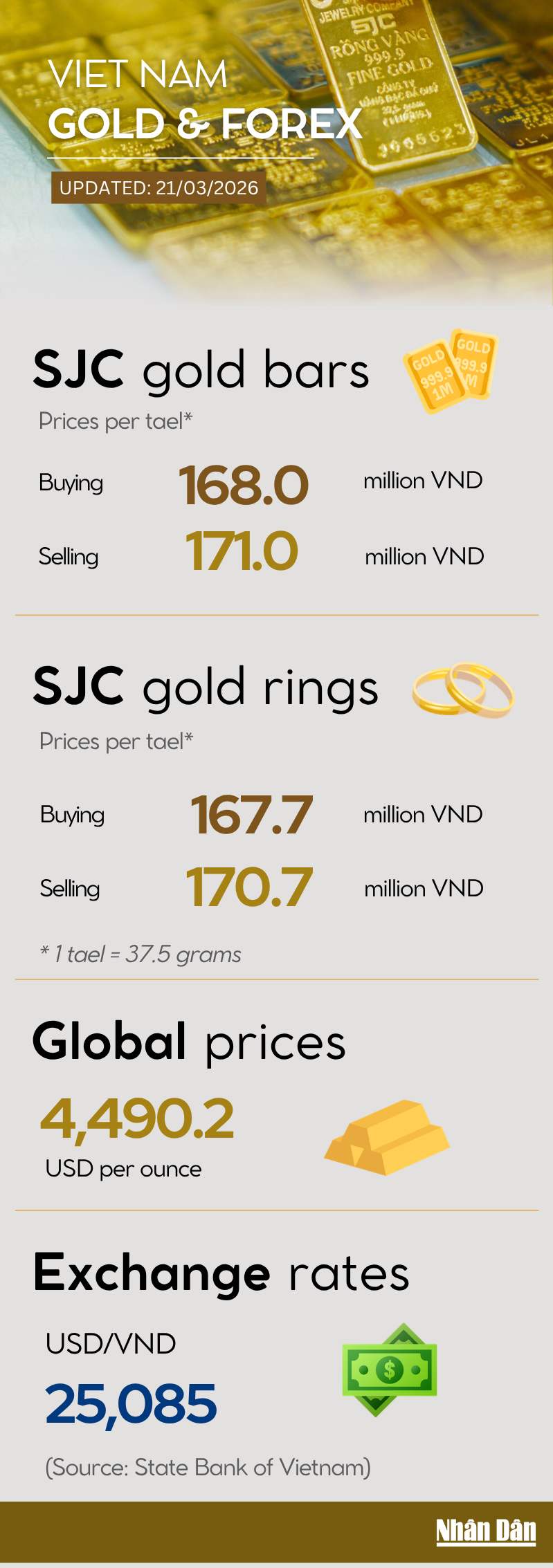
Currency and sourcing dynamics present the primary seller impact. The strengthening US dollar (driven by geopolitical uncertainty and higher Treasury yields) creates a two-tier effect: sellers sourcing from Vietnam face compressed wholesale margins as Vietnamese gold prices retreated 9% from January peaks (VND191.3M to VND174.9M per tael), while sellers in markets with stronger currencies relative to the Vietnamese dong gain improved sourcing economics. For jewelry sellers importing from Vietnam, wholesale cost reductions of 8-12% create temporary margin compression, requiring immediate inventory rebalancing. However, the news indicates this weakness is cyclical—Adrian Day (Adrian Day Asset Management) projects gold recovery within 6-12 months once Iran conflict settles and Strait of Hormuz shipping normalizes. JP Morgan forecasts gold reaching $6,300 by year-end, suggesting institutional confidence in longer-term valuations despite near-term volatility.
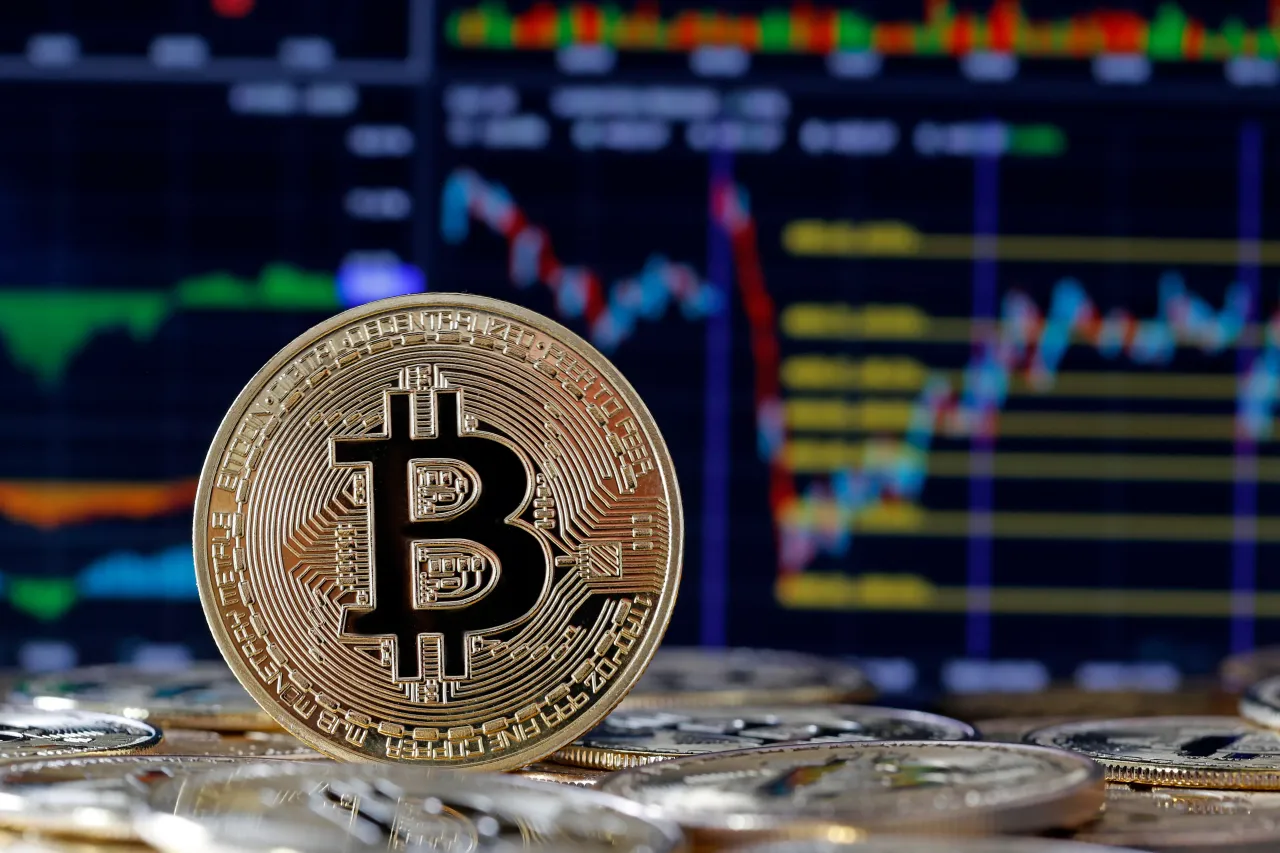
The broader macroeconomic context affects consumer purchasing power and luxury demand across all e-commerce categories. Rising inflation expectations (evidenced by higher-than-expected PPI data and Fed Chair Powell's hawkish signals) reduce discretionary spending on luxury goods, jewelry, and collectibles. Mining stock collapses (Newmont down 26.3%, Barrick Gold down 26.8%, AngloGold down 37.4%) signal reduced capital investment in commodity production, potentially constraining supply-side recovery. For sellers operating in multiple currencies, the dollar strength creates favorable export conditions to USD-denominated markets (US, Canada, UK) but headwinds in euro and emerging market currencies. Bitcoin's unusual positive correlation with gold (flipping from negative for the first time in weeks) suggests institutional investors are treating both as alternative assets during uncertainty, creating potential demand spikes for cryptocurrency-related merchandise and collectibles.
Questions 8
What currency exchange opportunities exist for cross-border sellers during this volatility?
The strengthening US dollar (driven by geopolitical uncertainty and higher Treasury yields) creates favorable conditions for sellers exporting to USD-denominated markets (US, Canada, UK) while creating headwinds in euro and emerging market currencies. Sellers with Vietnam sourcing should lock in favorable VND/USD rates immediately, as the Vietnamese dong weakens relative to the dollar. Conversely, sellers importing from the US face higher costs in non-dollar markets. Consider hedging currency exposure through forward contracts or multi-currency pricing strategies—sellers operating in 3+ currencies should review pricing by April 15, 2026, to capture dollar strength advantages.
How does the gold price collapse affect jewelry sellers sourcing from Vietnam?
Vietnamese gold wholesale prices fell 9% from January peaks (VND191.3M to VND174.9M per tael), compressing margins for jewelry sellers by 8-12% on imported products. However, this creates a temporary buying opportunity—sellers can reduce inventory costs immediately while positioning for recovery when gold rebounds to $6,000-6,300 (JP Morgan forecast by year-end). Sellers should audit current inventory valuations by March 31, 2026, and consider accelerating purchases of finished jewelry at depressed wholesale prices if cash flow permits, as Adrian Day projects recovery within 6-12 months once Iran conflict settles.