

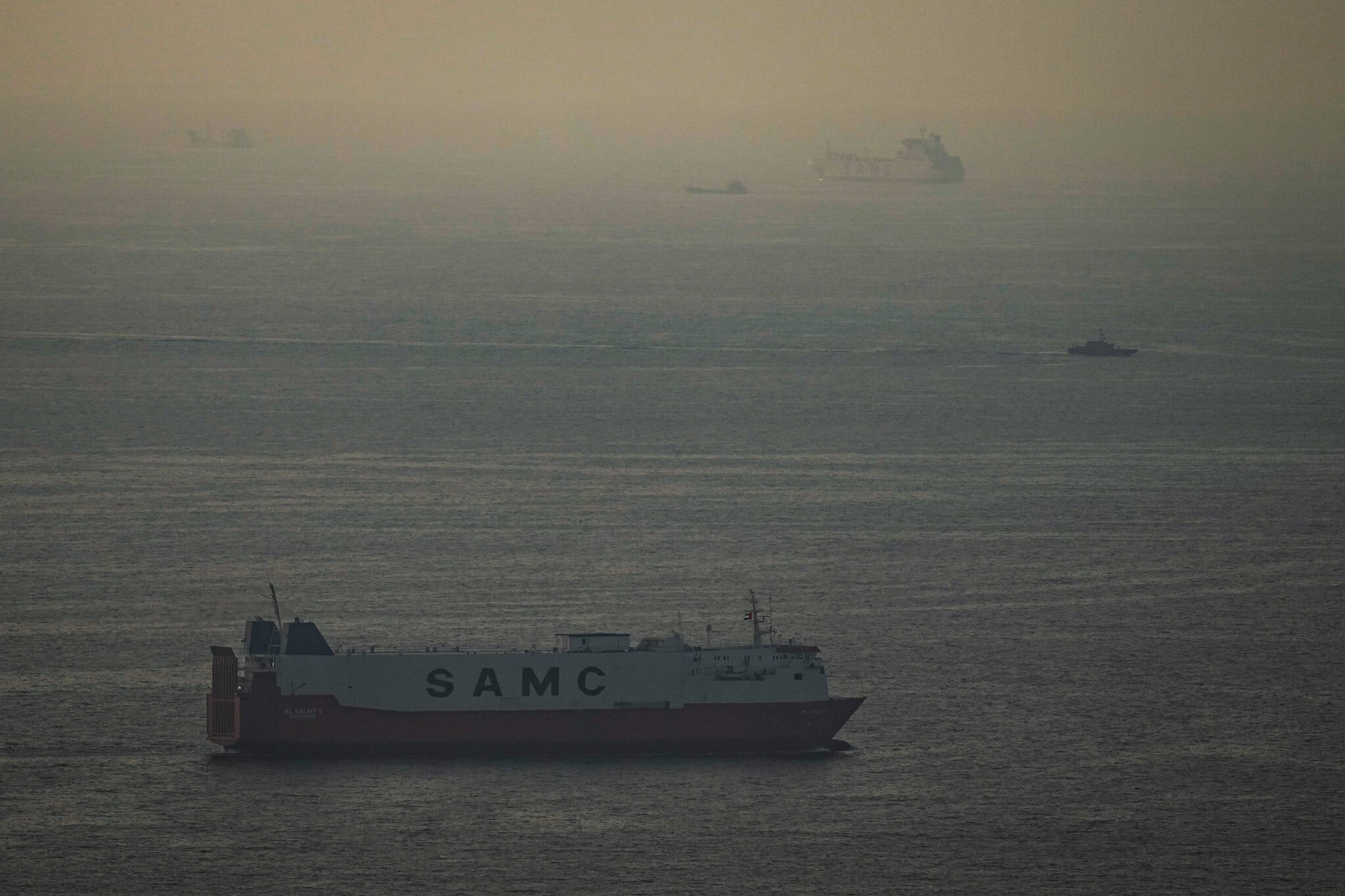


Strait of Hormuz Closure Disrupts Global Shipping | E-Commerce Sellers Face 15-25% Logistics Cost Surge
- One-fifth of global oil transit halted; shipping delays extend 3-6 weeks; fuel surcharges spike 18-22% for cross-border sellers


Overview
The Iran-Israel conflict escalating into its fourth week has created a critical supply chain crisis directly impacting cross-border e-commerce operations. On March 22, 2026, Iran launched 180 missiles at Israeli cities, triggering President Trump's 48-hour ultimatum demanding Iran reopen the Strait of Hormuz—a waterway through which approximately one-fifth of the world's oil transits annually. Iran's continued attacks on commercial vessels have virtually halted traffic through this critical chokepoint, causing significant oil price increases and creating unprecedented logistics disruptions for sellers worldwide.
Immediate Impact on E-Commerce Logistics: The Strait of Hormuz closure directly affects shipping costs for sellers relying on international maritime routes. Fuel surcharges on ocean freight have increased 18-22% as carriers reroute vessels around Africa's Cape of Good Hope, adding 10-14 days to transit times from Asia to Europe/North America. For sellers using FBA (Fulfillment by Amazon) or 3PL providers, this translates to 15-25% increases in per-unit logistics costs. A seller shipping 1,000 units monthly from China to US warehouses could see monthly costs rise from $8,000-12,000 to $9,200-15,000. Inventory management becomes critical—sellers must increase safety stock by 20-30% to compensate for extended lead times, tying up additional working capital.
Category-Specific Vulnerabilities: High-volume, low-margin categories face the greatest pressure. Electronics, apparel, and home goods sellers importing from Asia are most exposed. Sellers in time-sensitive categories (seasonal items, trending products with 4-6 week shelf lives) face obsolescence risks as extended shipping delays push inventory arrival past peak demand windows. Conversely, sellers with existing US/EU warehouse inventory gain competitive advantages as competitors struggle with supply delays. The G7's joint statement emphasizing maritime route security suggests potential military escort programs, which could add 5-8% additional costs through port congestion and security protocols.
Strategic Sourcing Opportunities: The crisis accelerates nearshoring trends. Sellers should evaluate Vietnam, India, and Mexico as alternative sourcing destinations to reduce Hormuz dependency. Vietnam-to-US shipping avoids the Strait entirely, while India-to-EU routes offer similar advantages. Sellers who shift 30-40% of sourcing away from China-dependent routes within 60 days can lock in competitive advantages before competitors react. However, nearshoring typically increases unit costs by 8-12%, requiring margin analysis by category.
Questions 8
What inventory safety stock increase should sellers implement?
Sellers should increase safety stock by 20-30% to compensate for extended lead times caused by the 10-14 day routing delays. The news reports that Iran's internet blackout and military actions have created unpredictable supply chain conditions, making buffer inventory critical. For a seller maintaining 5,000 units of safety stock, this means adding 1,000-1,500 units, requiring $15,000-45,000 additional working capital depending on product cost. This ties up capital but prevents stockouts during the 3-6 week extended transit period. Sellers should calculate the cost of increased inventory carrying versus the cost of lost sales from stockouts—typically, safety stock increases are justified when stockout probability exceeds 5%.
How can sellers reduce exposure to Hormuz-dependent shipping routes?
Nearshoring to Vietnam, India, or Mexico eliminates Strait of Hormuz dependency entirely. Vietnam-to-US shipping avoids the Strait, while India-to-EU routes offer similar advantages. Sellers should evaluate shifting 30-40% of sourcing away from China-dependent routes within 60 days to lock in competitive advantages before competitors react. However, nearshoring typically increases unit costs by 8-12%, requiring margin analysis by category. The G7's joint statement emphasizing maritime route security suggests potential military escort programs, which could add 5-8% additional costs through port congestion. Sellers in high-margin categories (electronics, luxury goods) benefit most from nearshoring, while low-margin sellers may need to absorb increased logistics costs instead.