


Maritime Shadows: The Dangerous Evolution of US Interdiction Tactics
- Escalating maritime enforcement reveals systemic legal and humanitarian challenges in international waters


















Overview
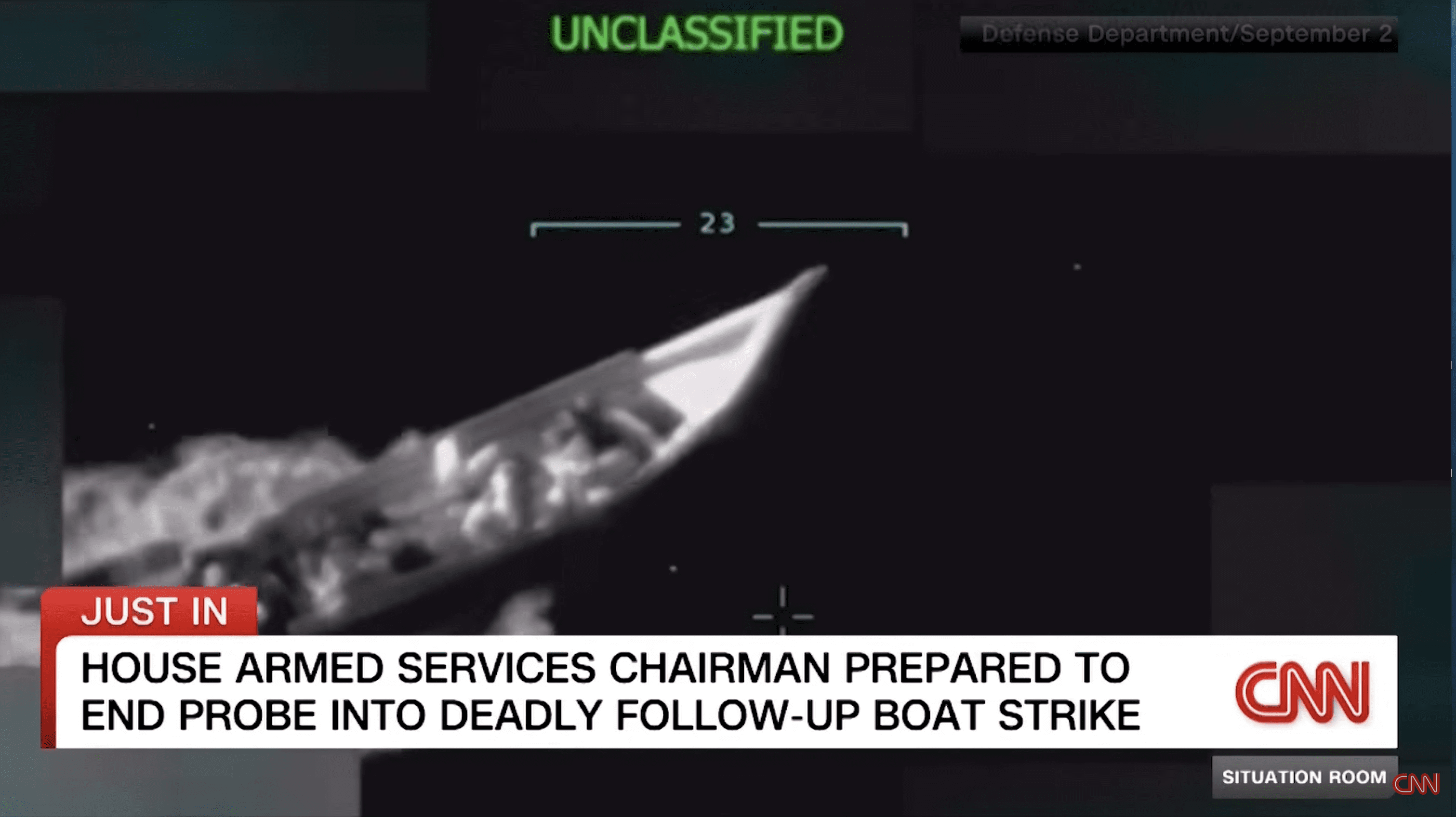
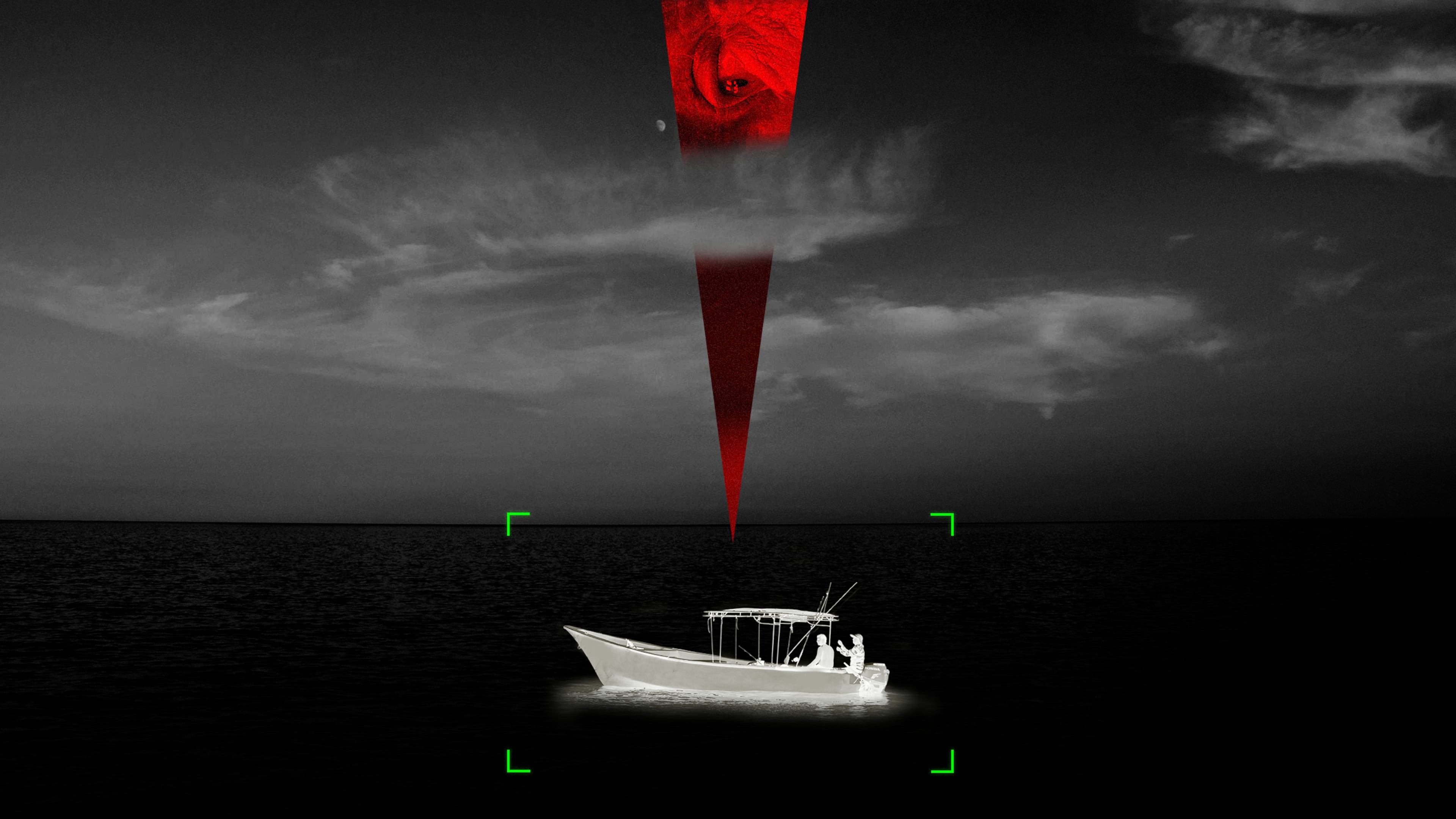
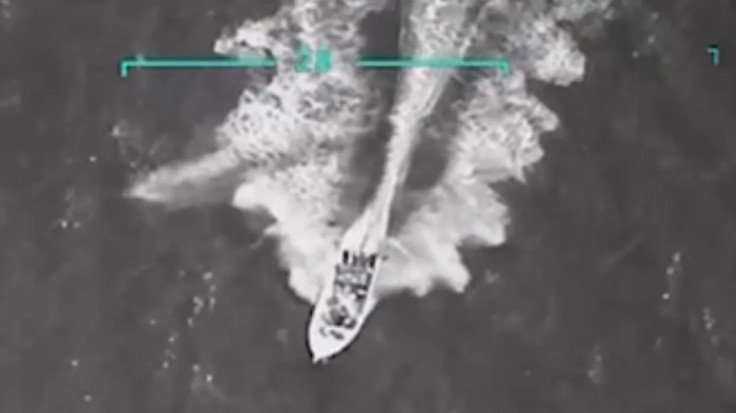
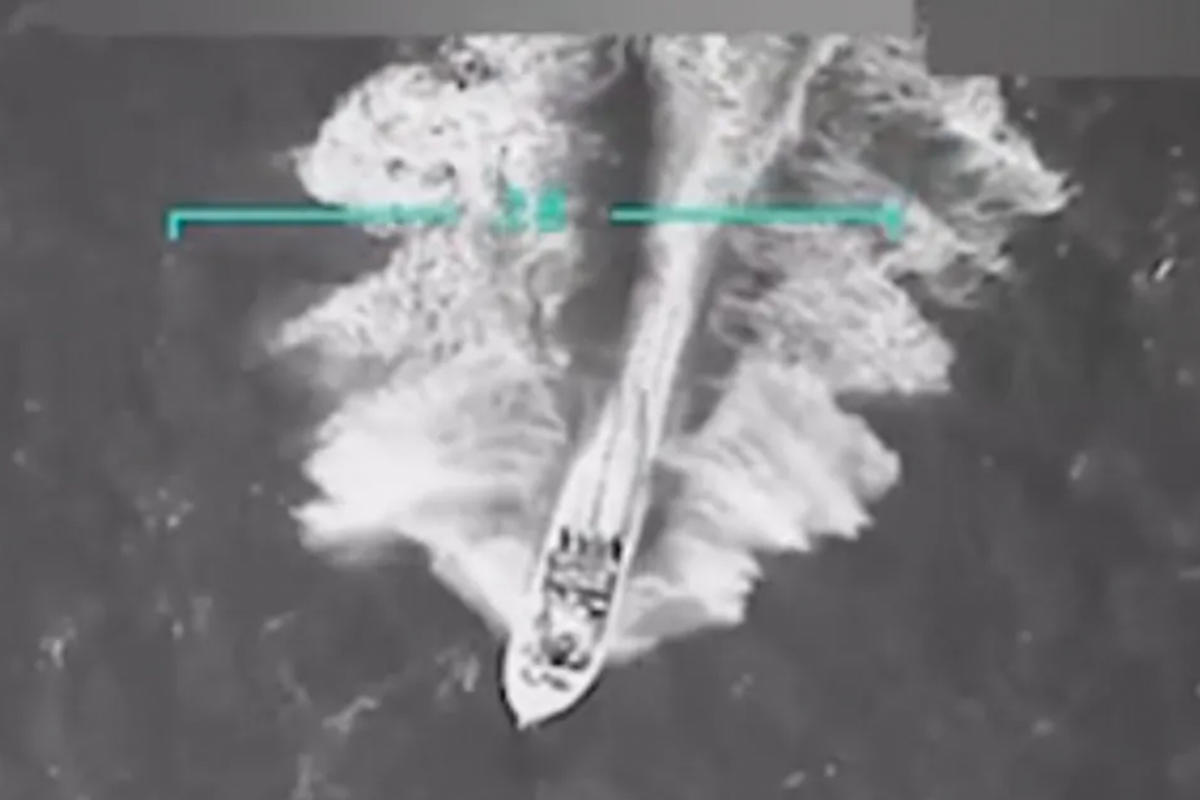
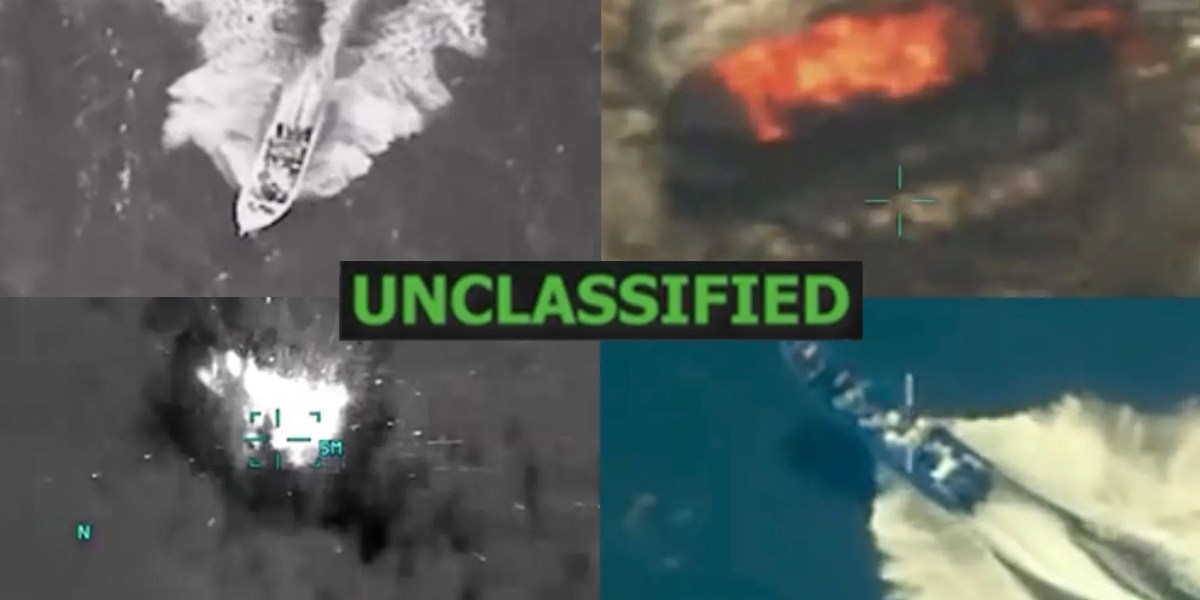
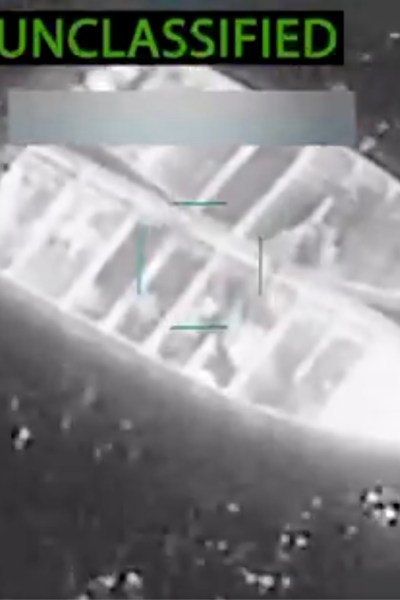
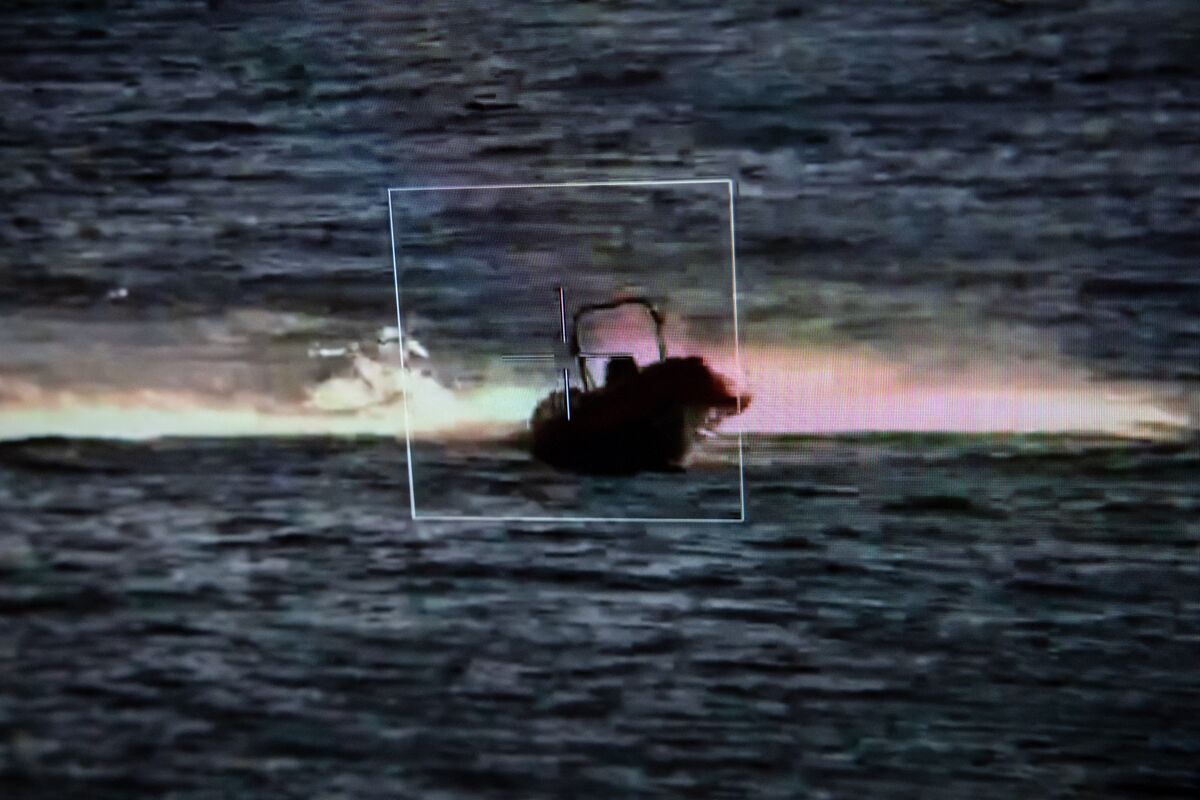
The U.S. maritime interdiction campaign in the Caribbean and Pacific represents a troubling escalation of military engagement that fundamentally challenges international legal norms. Since September, the U.S. has conducted 23 strikes against alleged drug vessels, resulting in 87 fatalities and revealing a systematic approach that goes far beyond traditional maritime law enforcement.
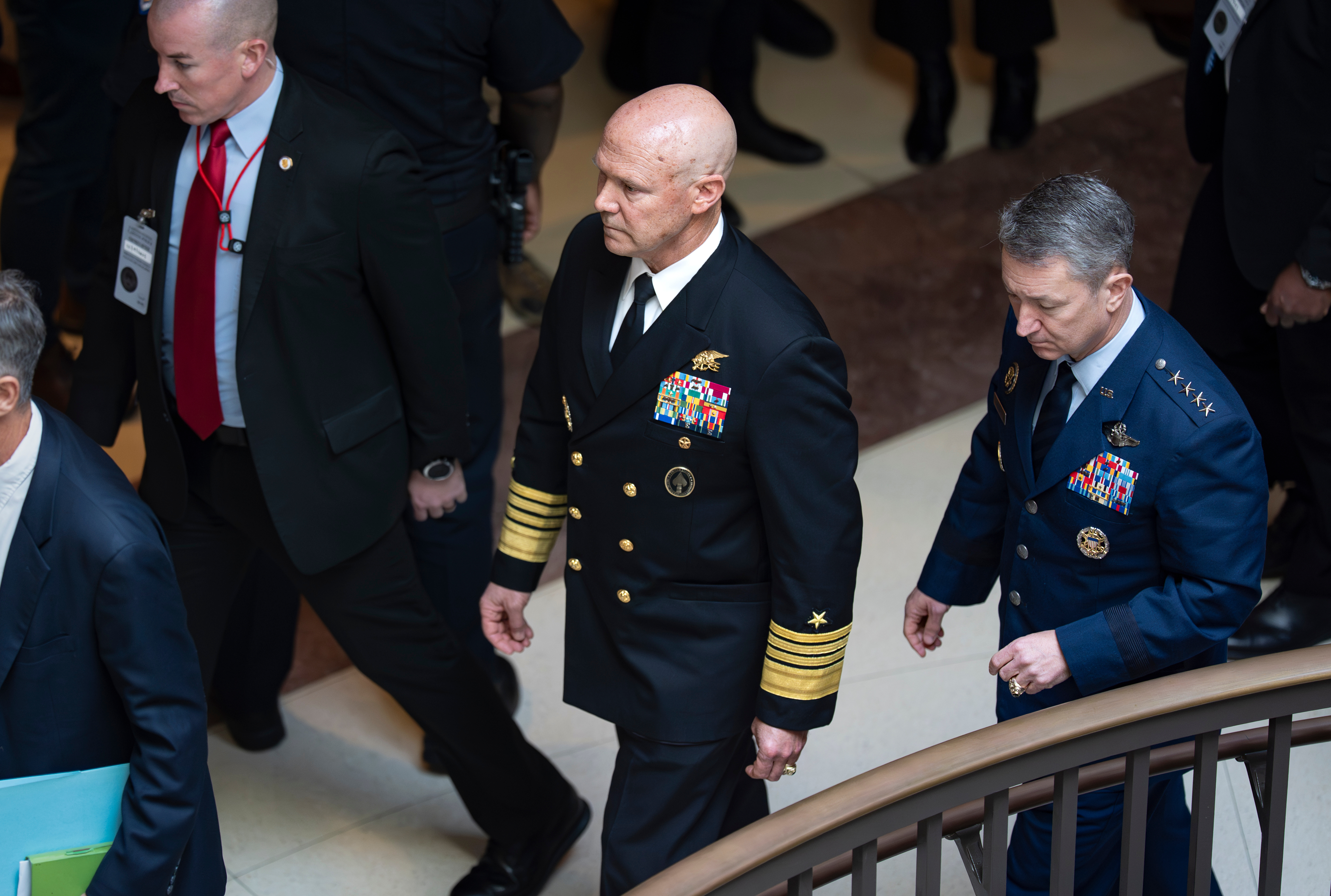
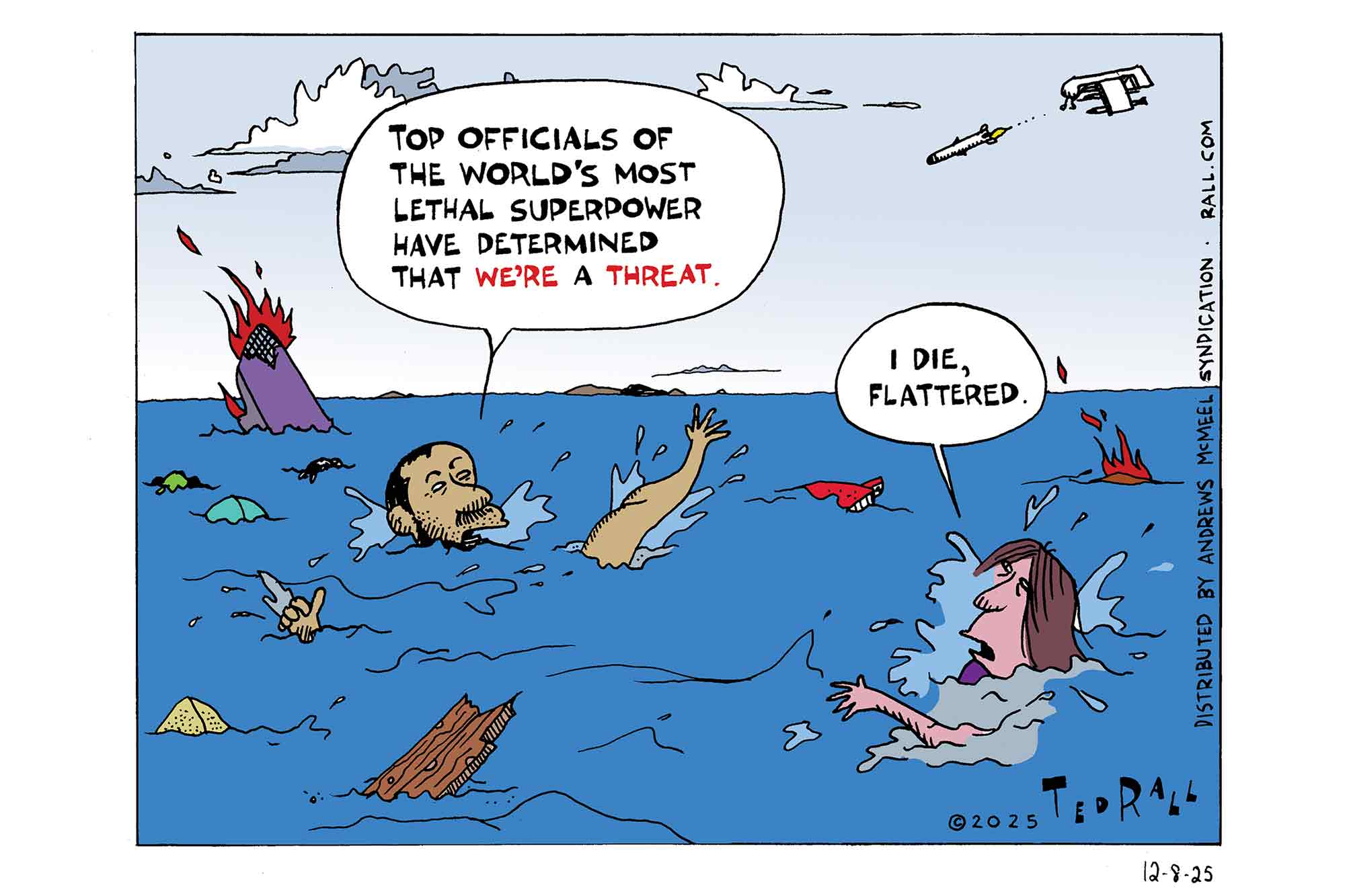
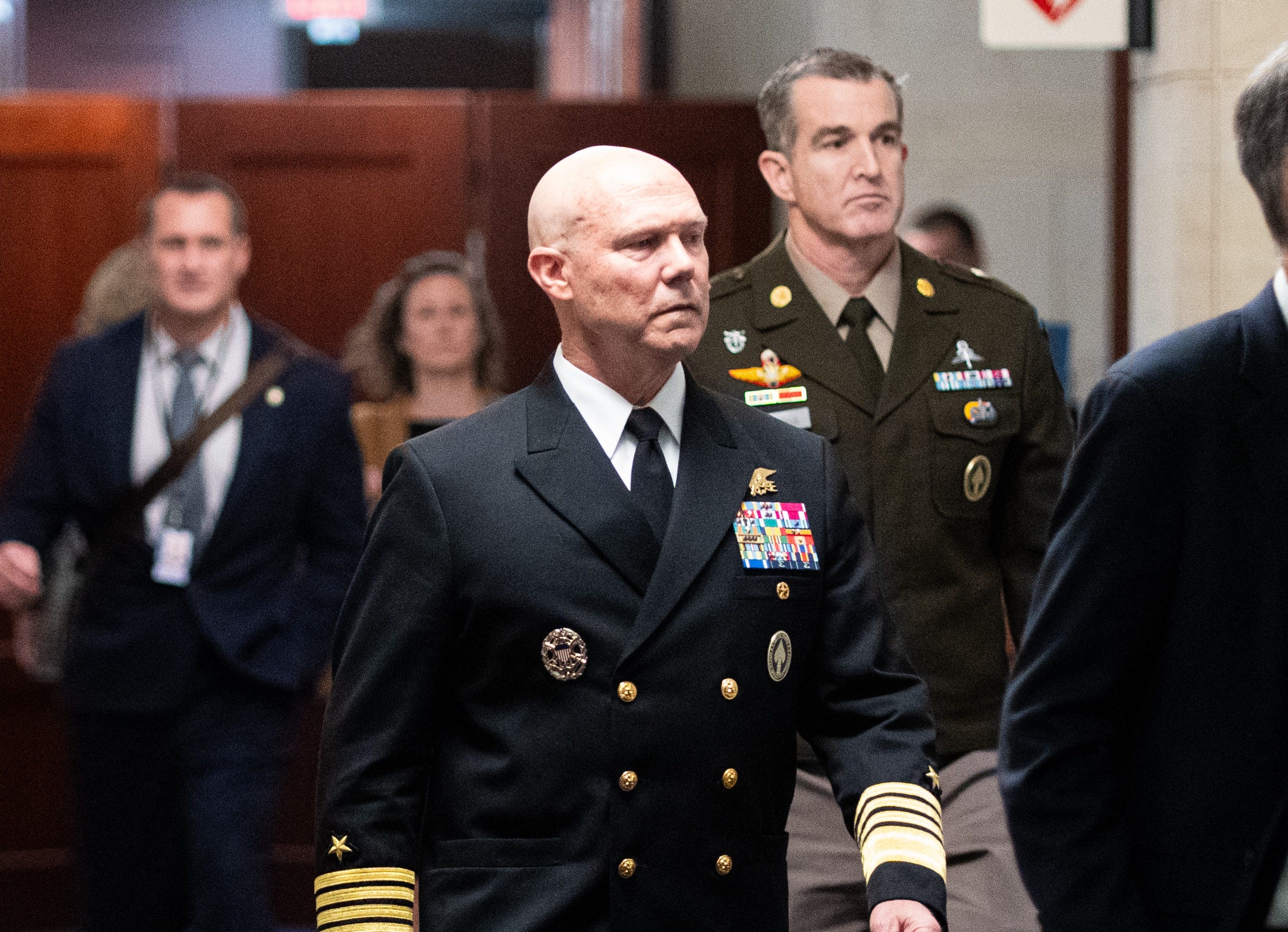
The most alarming pattern is the deliberate targeting of survivors, exemplified by a September 2nd incident where Admiral Frank Mitch Bradley ordered a follow-up strike killing two survivors clinging to wreckage. This "double-tap" strategy suggests a calculated approach that transforms maritime interdiction from law enforcement into what legal experts describe as potential extrajudicial execution.
The campaign's handling of survivors exposes a complex legal and ethical landscape. In one instance, survivors were quickly repatriated to Ecuador and Colombia. In another, a sole survivor was left to presumably drown. Defense Department lawyers even explored sending survivors to El Salvador's maximum-security prison to prevent potential legal challenges—a strategy reminiscent of controversial War on Terror tactics.
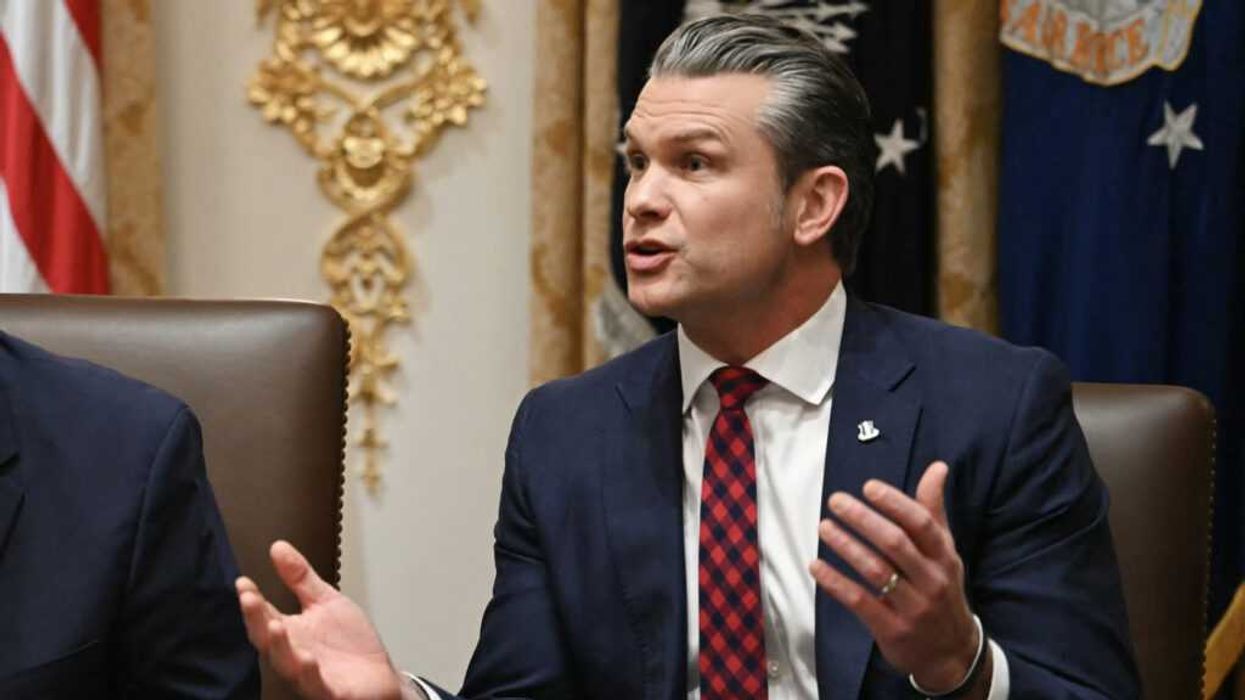
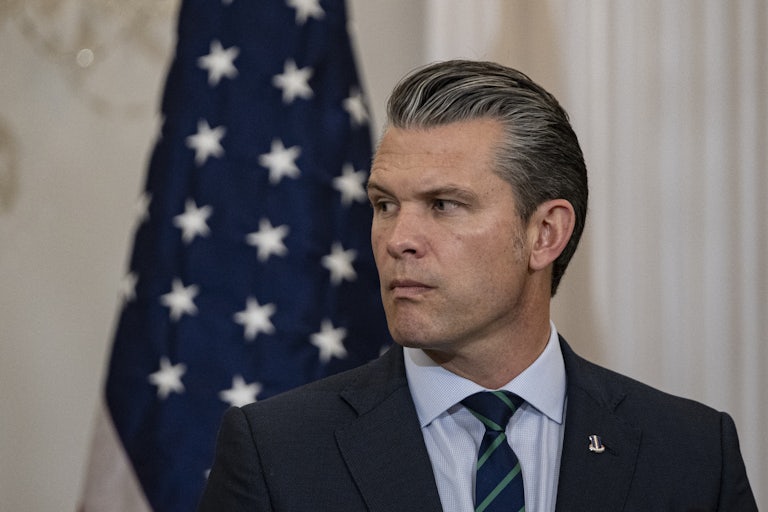
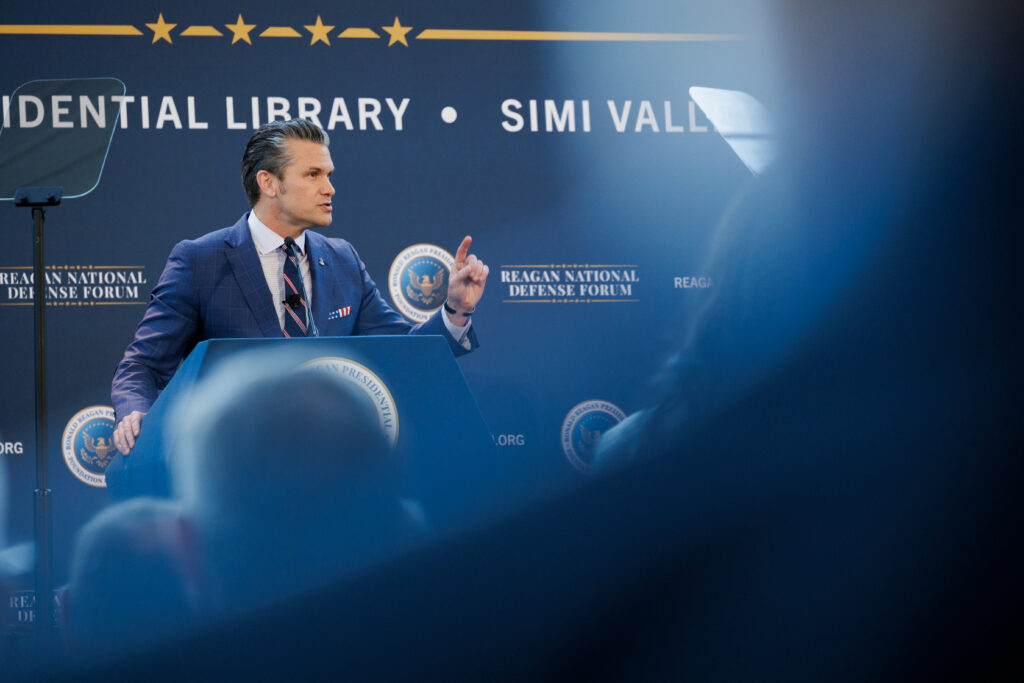
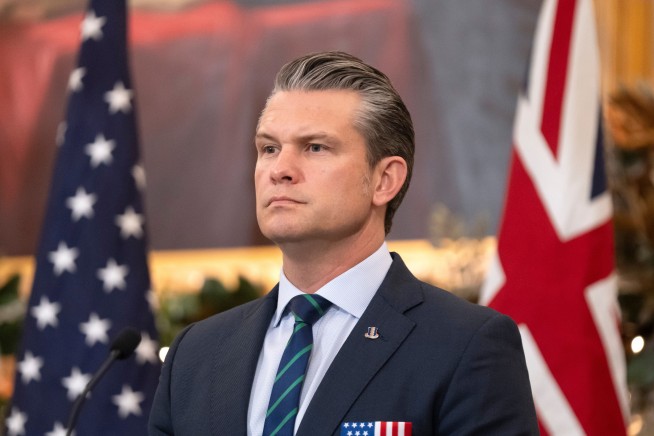
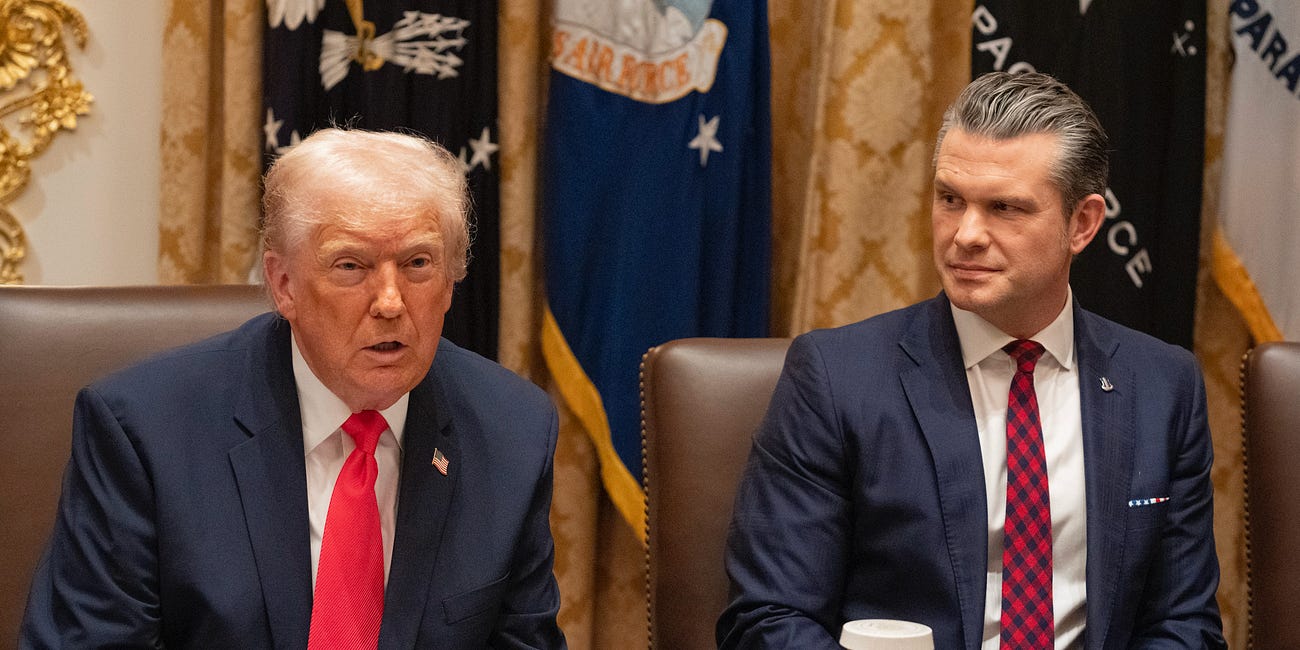
Defense Secretary Pete Hegseth's defense that they have "only just begun striking narco boats" is particularly chilling. It implies these operations are not isolated incidents but part of a broader, systematic approach to maritime enforcement that prioritizes maximum lethality over international humanitarian protocols.
The broader implications are profound. These actions represent a dangerous expansion of executive power, incrementally eroding legal protections under the guise of national security. By labeling potential victims as "narco terrorists" or "distressed mariners" instead of recognizing their fundamental human rights, the U.S. is establishing a precedent that could fundamentally reshape international maritime engagement.
Questions 3
How are international legal experts responding to these maritime operations?
Legal experts are raising significant concerns about potential violations of international armed conflict laws, arguing that the strikes potentially constitute extrajudicial killings and represent a dangerous expansion of military engagement beyond established humanitarian protocols.
What makes these maritime strikes different from traditional maritime law enforcement?
Unlike traditional maritime interdiction, these strikes demonstrate a 'shoot-to-kill' approach that includes targeting survivors, bypassing standard rescue protocols, and treating potential drug trafficking as an immediate capital offense without due process.