






Strait of Hormuz Crisis Disrupts India Trade Routes | Sellers Face 15-25% Shipping Cost Surge
- Shipping delays through critical chokepoint affecting 21+ Indian vessels; energy inflation threatens 40% of India's remittance-driven consumer base; Gulf export hub disruptions force route diversions costing $200-500 per shipment























Overview
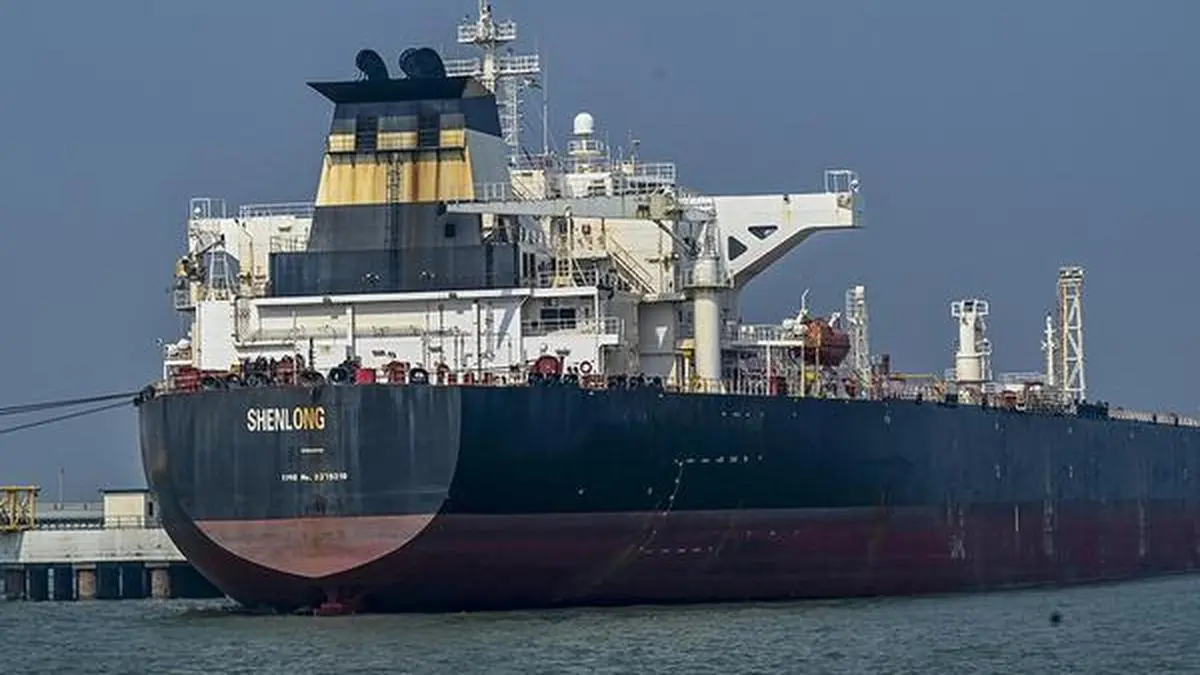
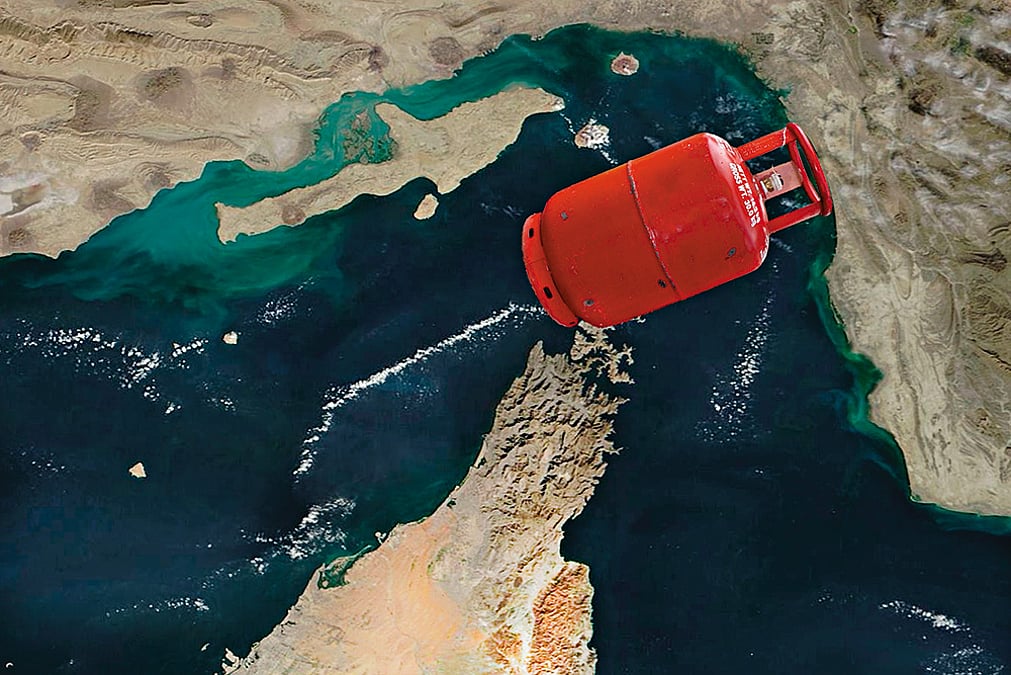
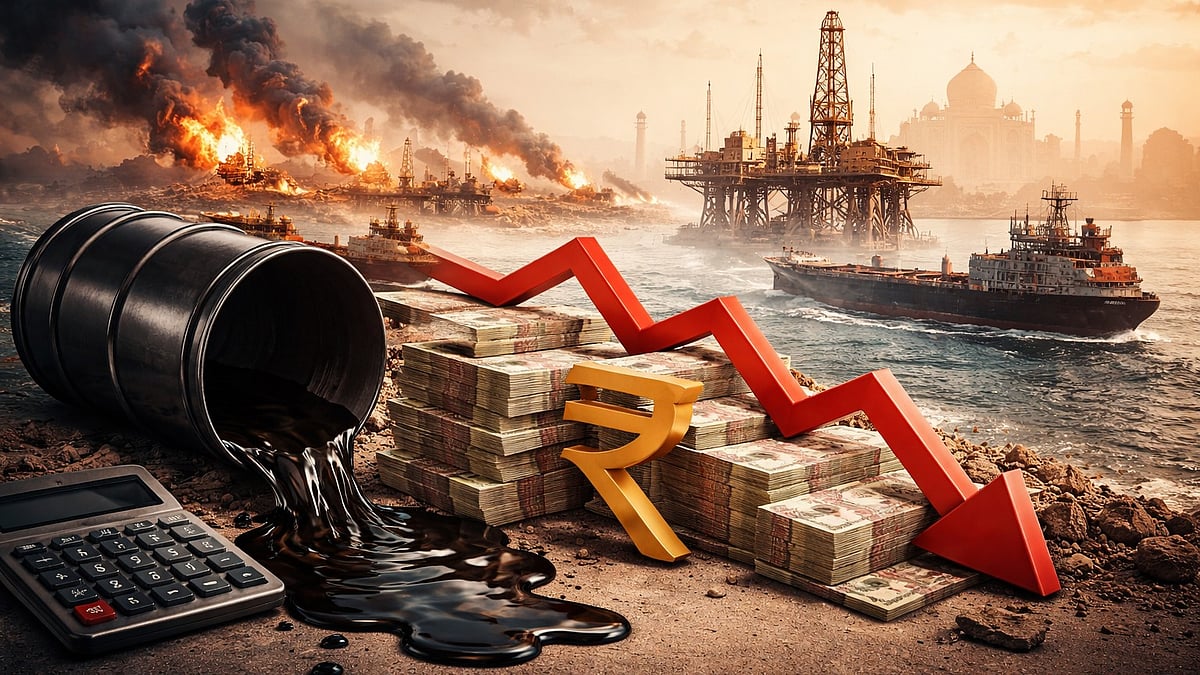
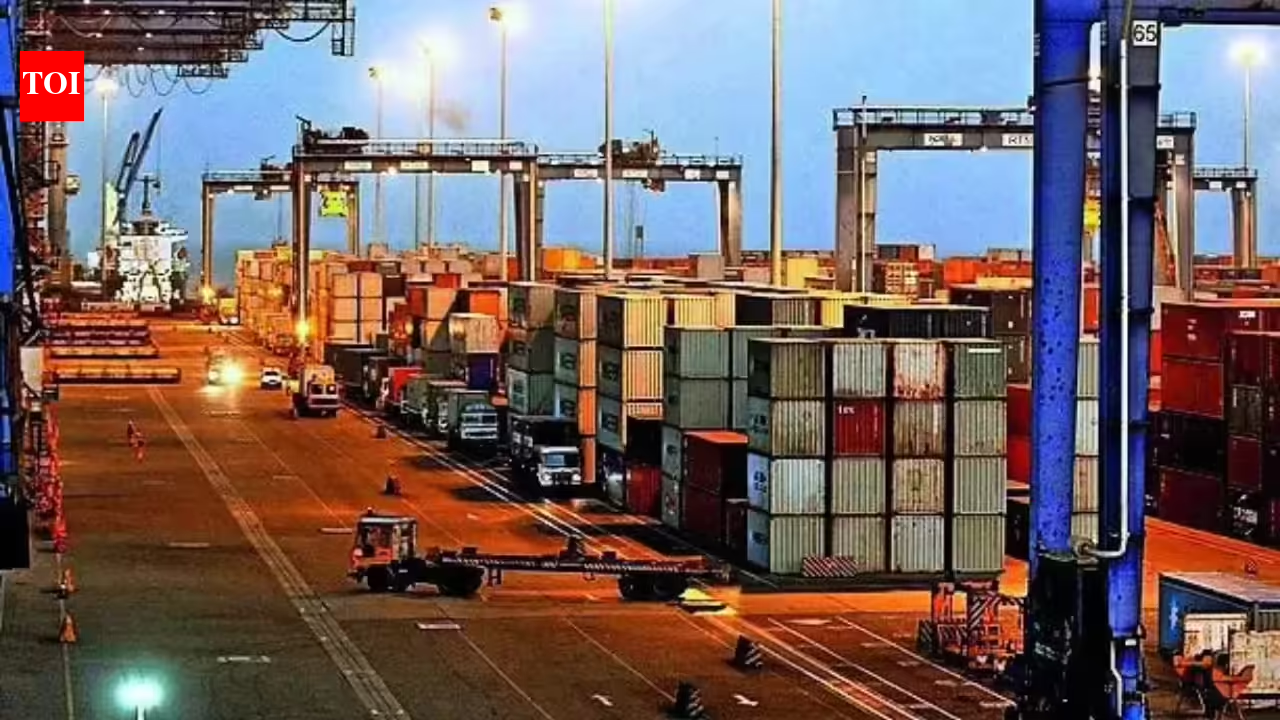
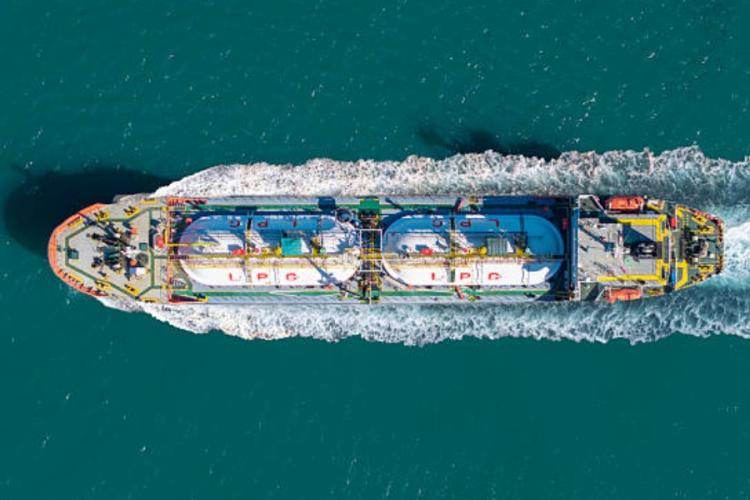
The Strait of Hormuz shipping crisis triggered by US-Israel-Iran conflict has created a perfect storm for cross-border sellers dependent on India's trade ecosystem. The conflict, which began February 28, has halted vessel movements through this critical chokepoint handling one-fifth of global oil and gas trade and 50% of India's LNG imports plus most LPG shipments. Approximately 21 Indian-flagged vessels remain stalled, with only three reaching Gujarat recently, creating acute supply constraints that ripple across e-commerce logistics networks.
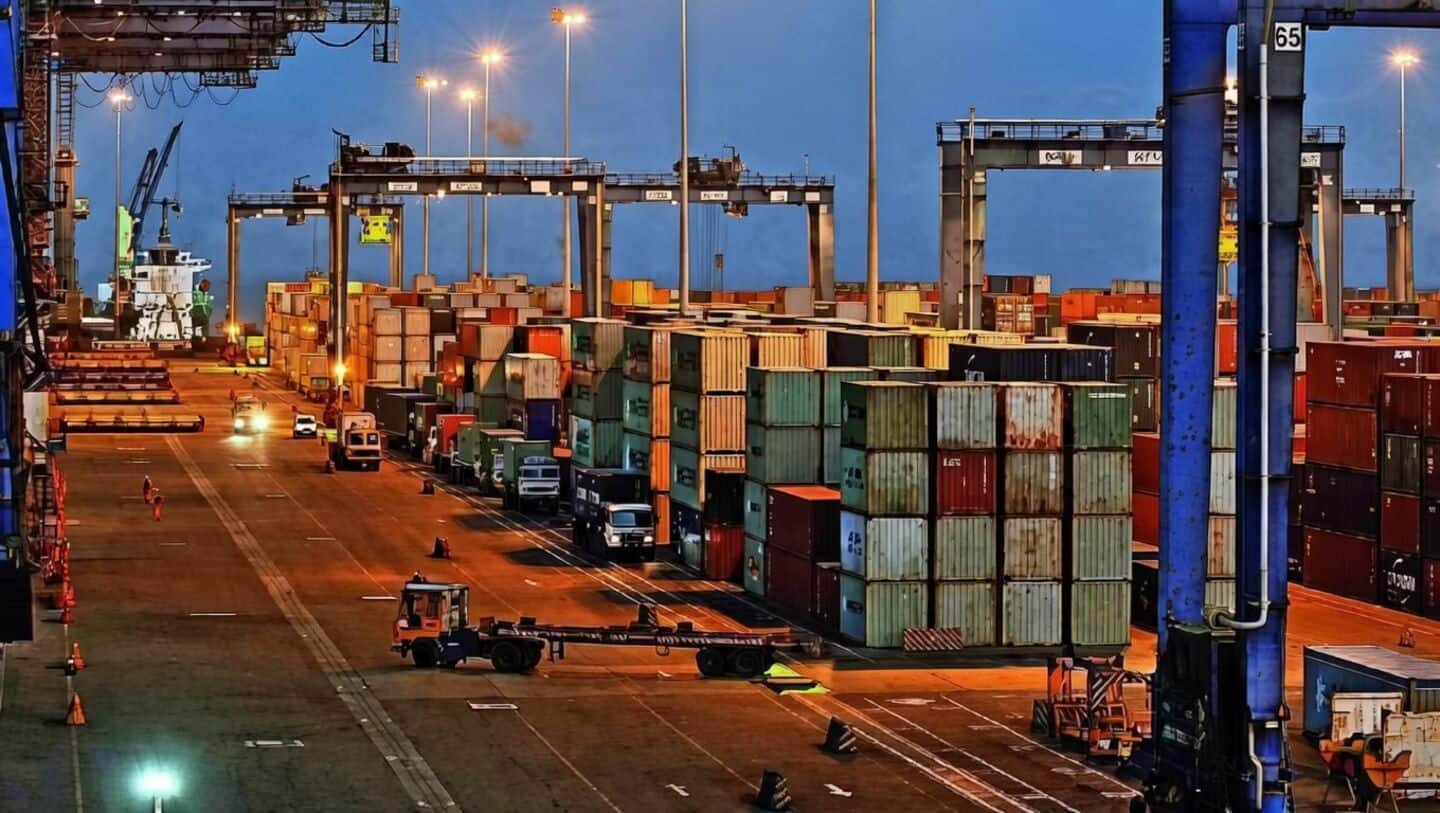
For sellers exporting from India or importing into India, the operational impact is immediate and severe. Indian exporters using Dubai and UAE emirates as distribution hubs now face increased logistics costs of 15-25%, shipping delays of 2-4 weeks, and forced route diversions adding $200-500 per shipment. The Gulf region functions as a critical export hub for Indian goods and serves as the primary distribution center for global commerce—disruptions here directly impact inventory management and delivery timelines for goods transiting through Middle Eastern fulfillment centers. Sellers relying on air freight through Gulf airports face additional capacity constraints and premium pricing.
Energy inflation compounds the challenge for India's consumer market. With the Middle East supplying 40% of India's oil imports and 80% of natural gas, energy prices surge and inflationary pressures threaten India's previously stable economic growth. More critically, India receives 40% of its remittances from Middle Eastern workers—approximately $40-50 billion annually—a vital income source for millions of families that strengthens the domestic currency and consumer spending. Goldman Sachs warns of slower growth projections, elevated inflation, currency weakness from reduced remittances, and declining exports to UAE markets. This directly reduces purchasing power for India's 400+ million middle-class consumers who drive e-commerce demand.
Inventory and sourcing strategies must shift immediately. Sellers should liquidate slow-moving inventory in India-bound shipments before further delays accumulate, while simultaneously repositioning stock to alternative Southeast Asian hubs (Singapore, Malaysia, Thailand) offering 10-15% lower shipping costs via unaffected routes. For sellers sourcing from India, consider shifting 20-30% of procurement to Vietnam, Indonesia, or Bangladesh suppliers with direct Southeast Asia-to-US/EU routes avoiding Hormuz entirely. Energy-dependent manufacturing categories (electronics, appliances, textiles) face 8-12% cost increases; prioritize these for immediate repricing. Warehouse positioning should favor Southeast Asian 3PLs over Dubai-based hubs for the next 6-12 months until diplomatic resolution occurs.
Questions 8
When should sellers expect shipping normalization and route recovery?
Industry experts and Foreign Minister S Jaishankar indicate diplomatic talks with Iran may ease disruptions within 3-6 months, with full normalization expected by Q3-Q4 2025. However, plan conservatively for 6-12 month disruption period. Vessel backlogs and port congestion typically require 4-8 weeks to clear even after route reopening. Monitor daily updates from shipping associations (BIMCO, ICS) and carrier announcements for corridor reopening signals. Implement contingency planning assuming extended disruption: maintain 3-4 month inventory buffers, diversify carrier relationships, and lock in long-term contracts with Southeast Asian 3PLs at current rates before capacity constraints tighten further. Reassess strategy quarterly based on geopolitical developments.
What is the total landed cost impact for sellers importing into India?
Total landed cost for India imports increases 12-18% across all categories. Breakdown: ocean freight +15-25% ($200-500/container), air freight +20-30%, customs clearance delays +3-5 days (additional storage $50-150/container), energy-driven manufacturing costs +8-12%, and currency weakness (INR depreciation) +2-4%. For a $10,000 shipment, expect $1,200-1,800 in additional costs. Energy-dependent categories (electronics, appliances, textiles) face steeper increases (15-20% total). Sellers should implement dynamic pricing, negotiate volume discounts with carriers, and consider consolidation strategies to spread fixed costs. Evaluate alternative sourcing regions (Vietnam, Indonesia) where total landed cost may be 5-8% lower despite longer lead times.