



Federal Reserve's Delicate Dance: Navigating Economic Uncertainty with Precision Rate Cuts
- A strategic monetary pivot revealing complex economic recalibration for global markets and investors
























Overview
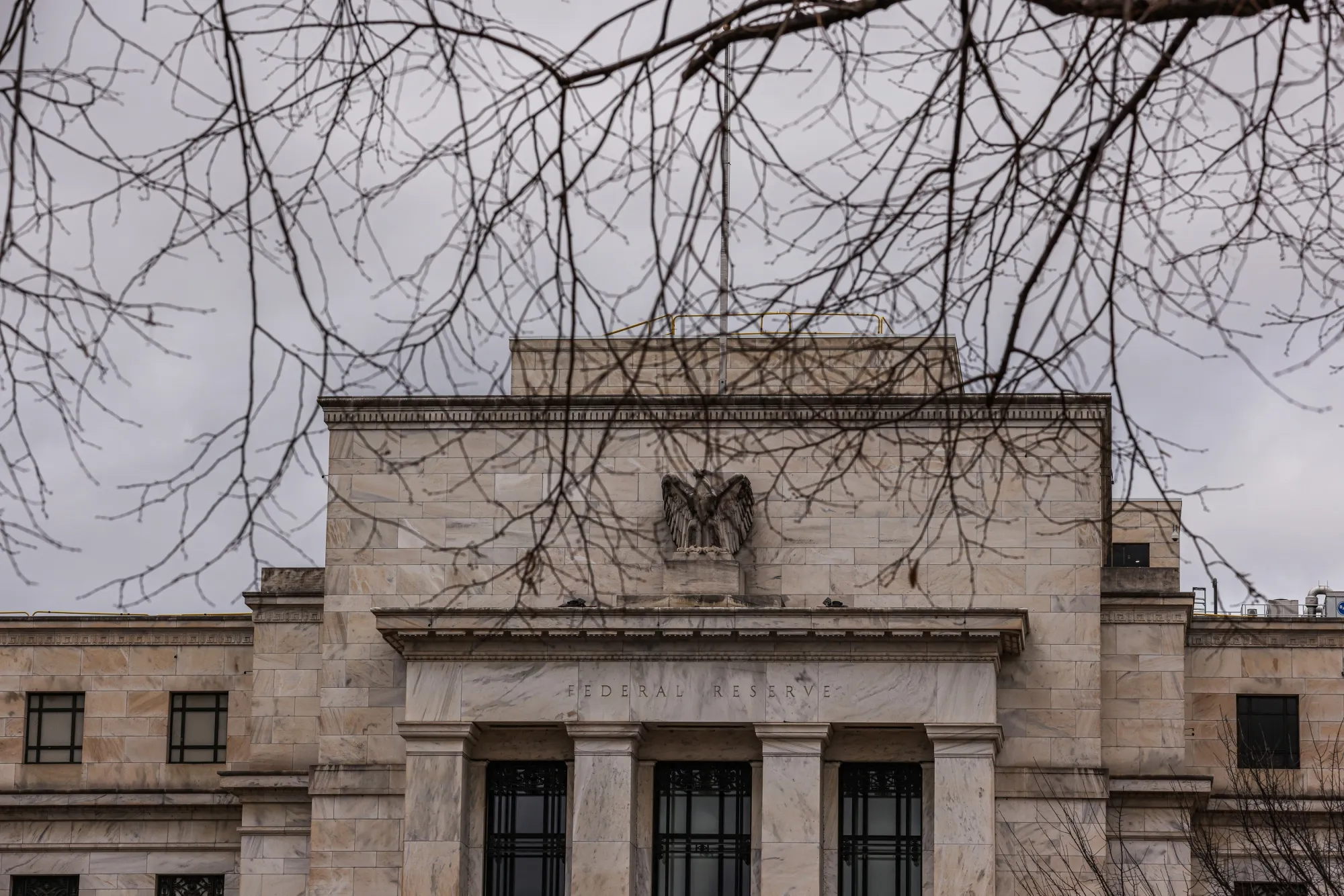
The Federal Reserve's latest monetary policy decision represents a nuanced balancing act that goes far beyond simple interest rate adjustments. With an 88% probability of a quarter-point rate cut, the central bank is signaling a sophisticated approach to economic management that reflects deep underlying complexities.
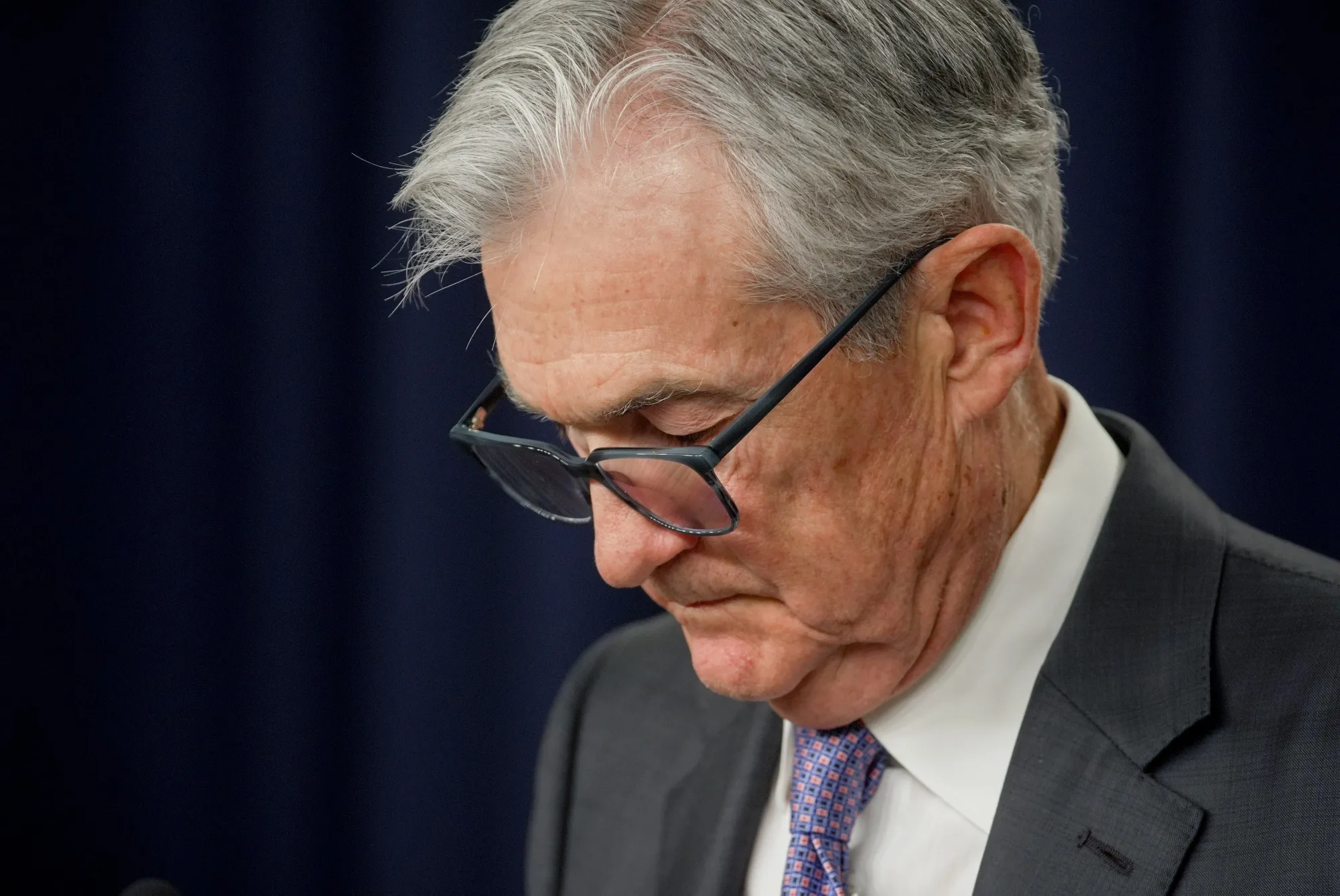
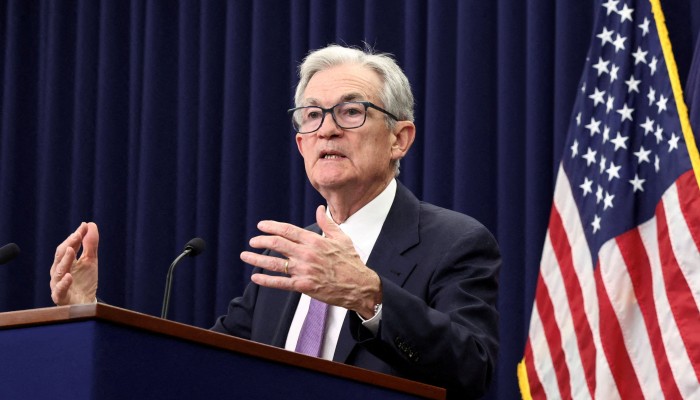
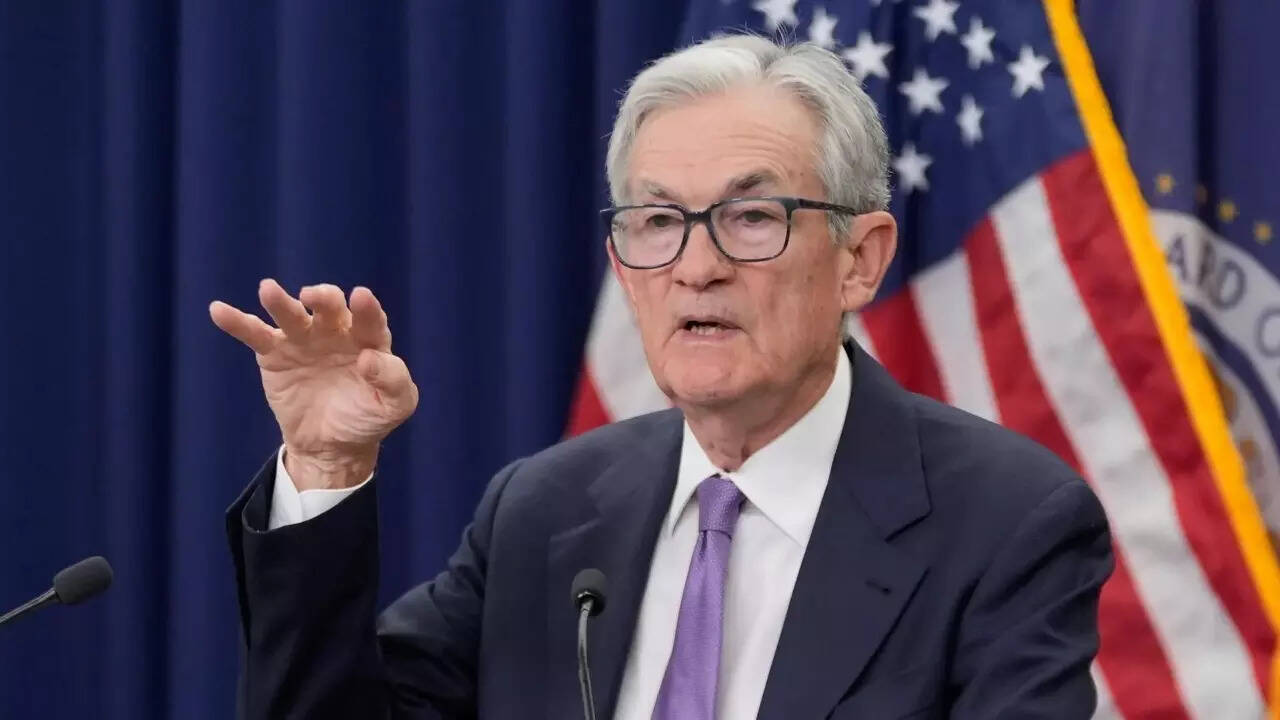
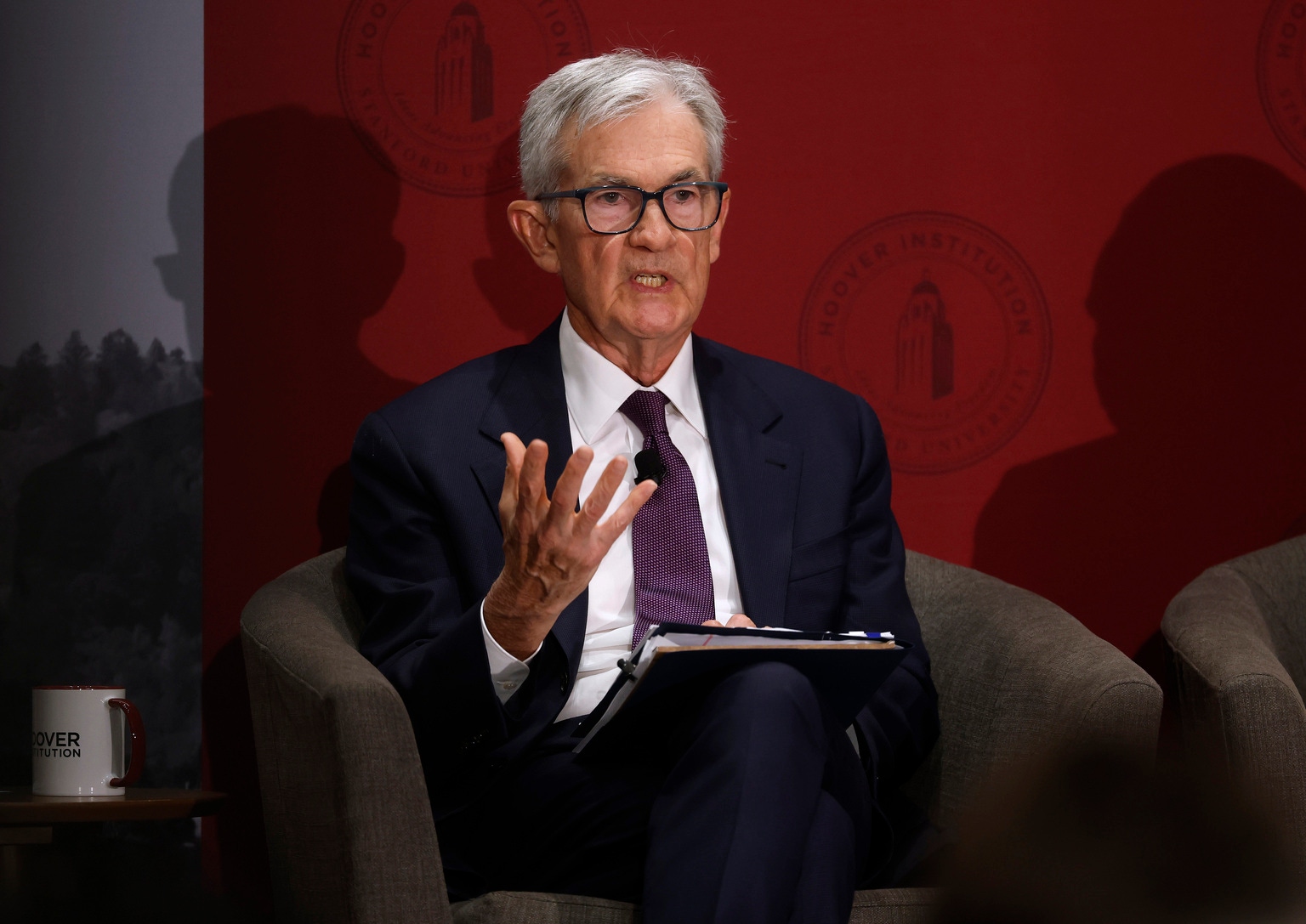
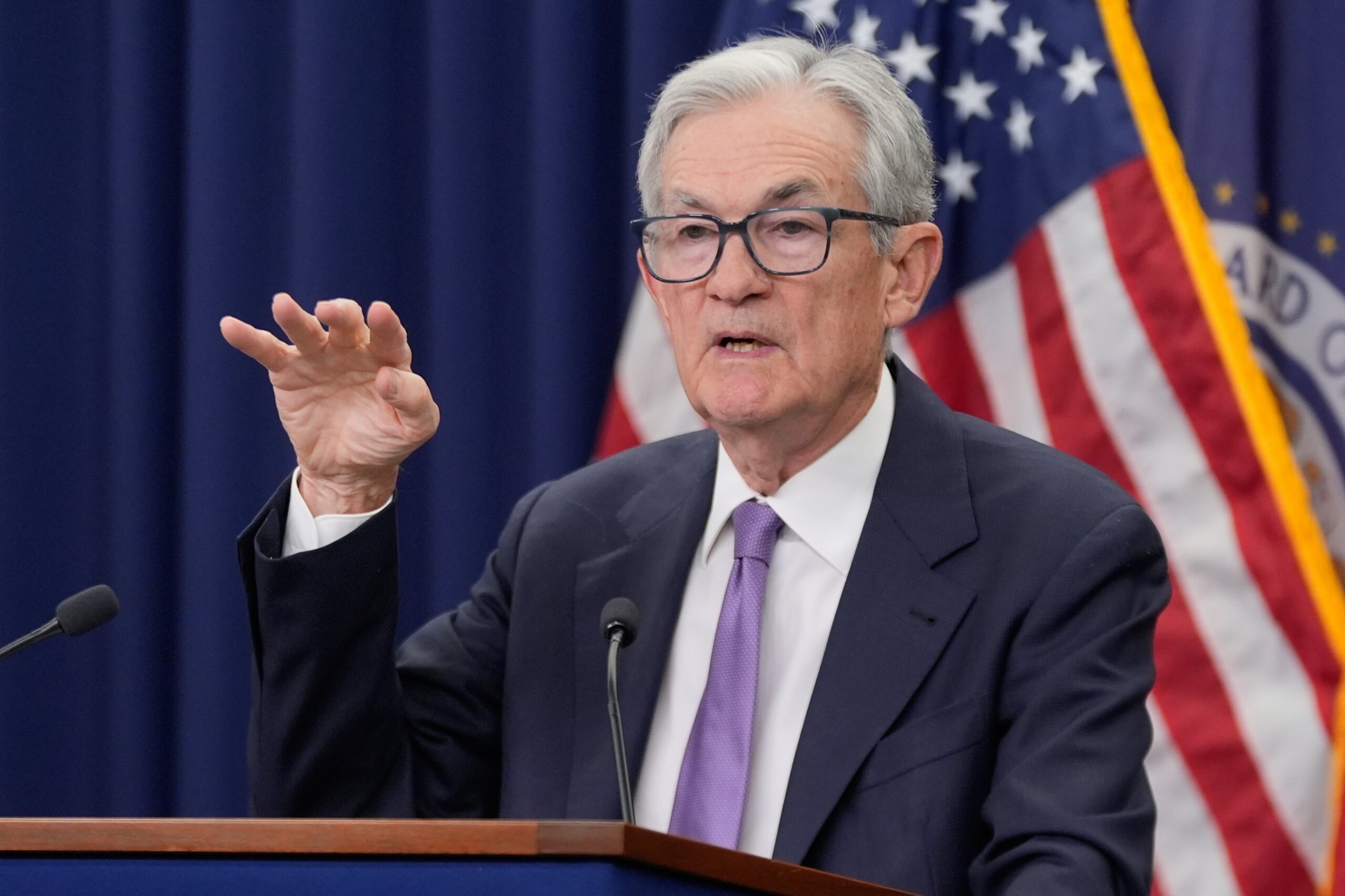
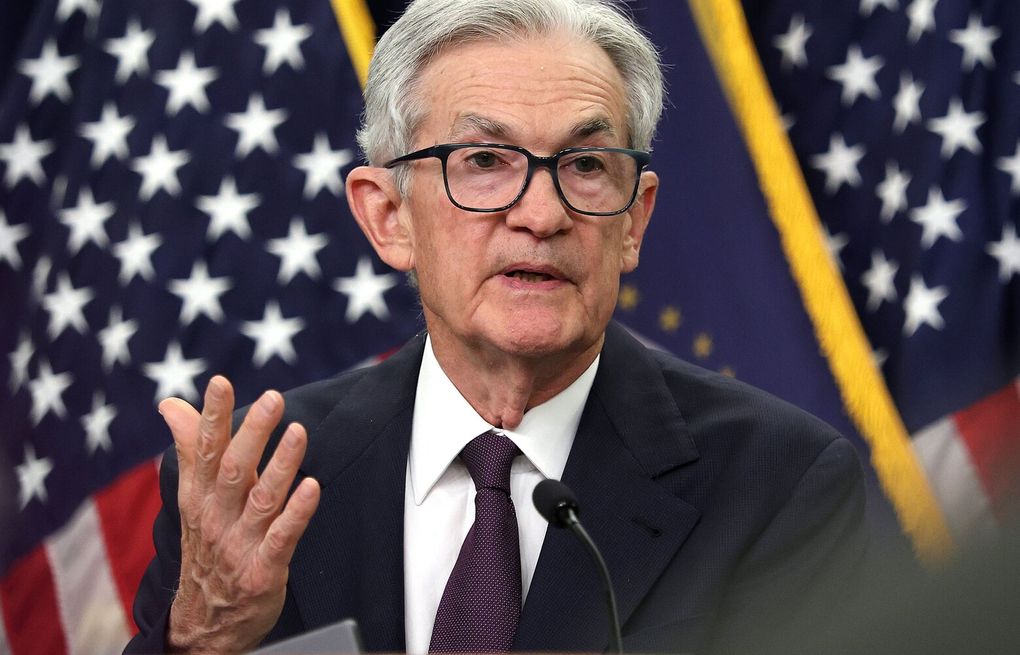
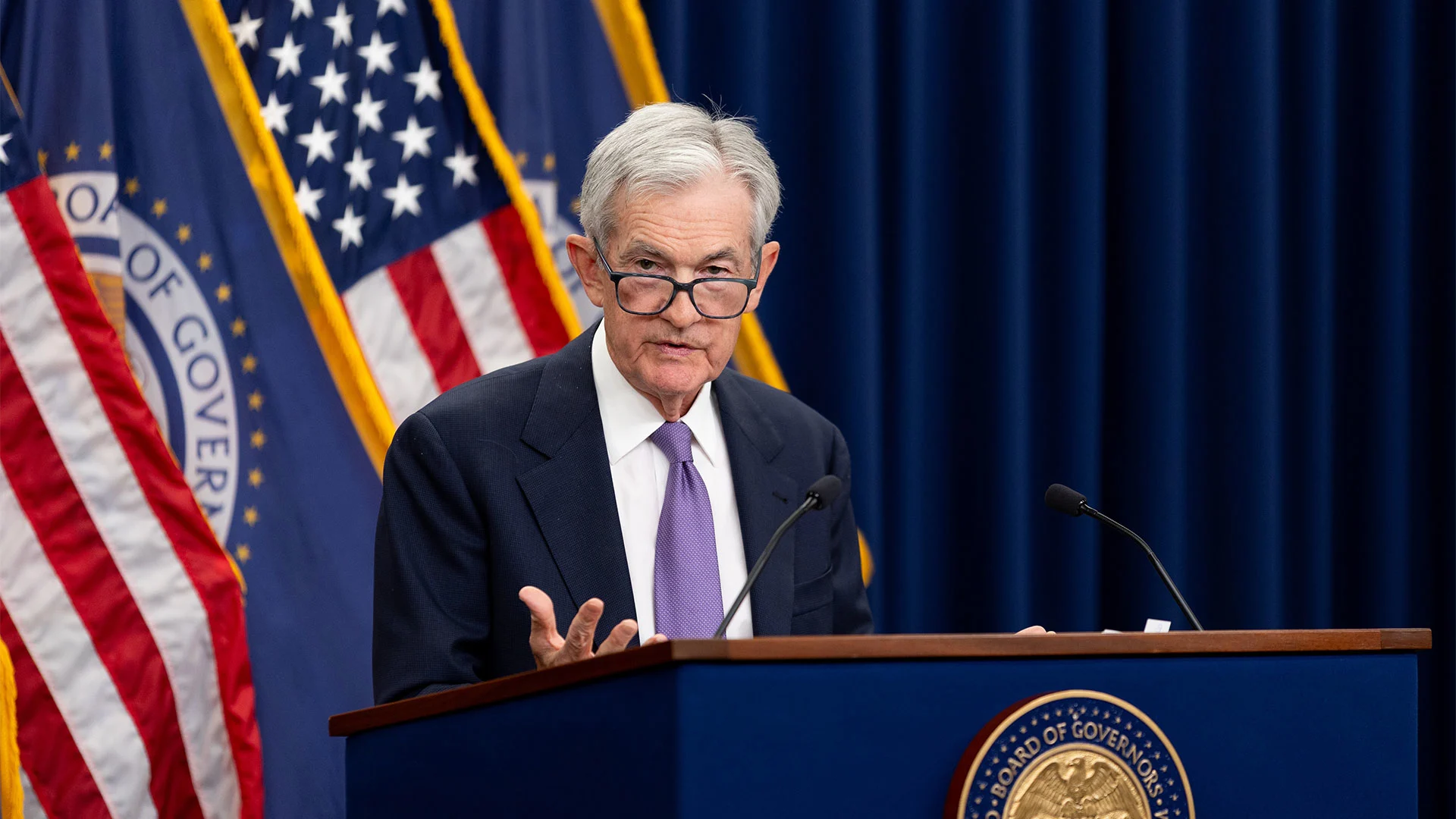
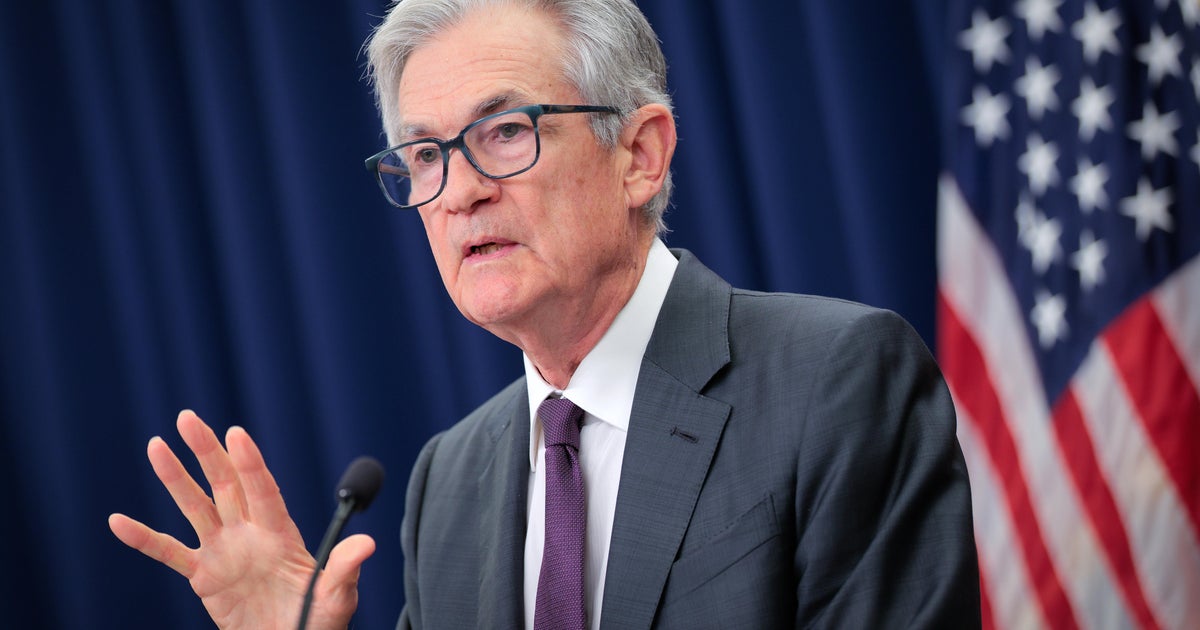
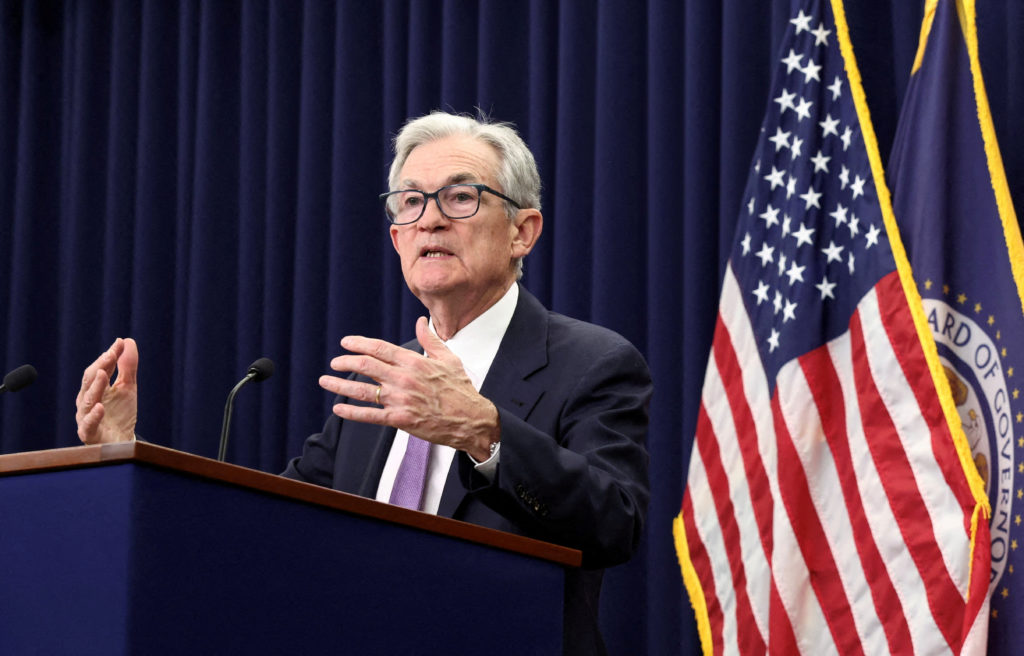
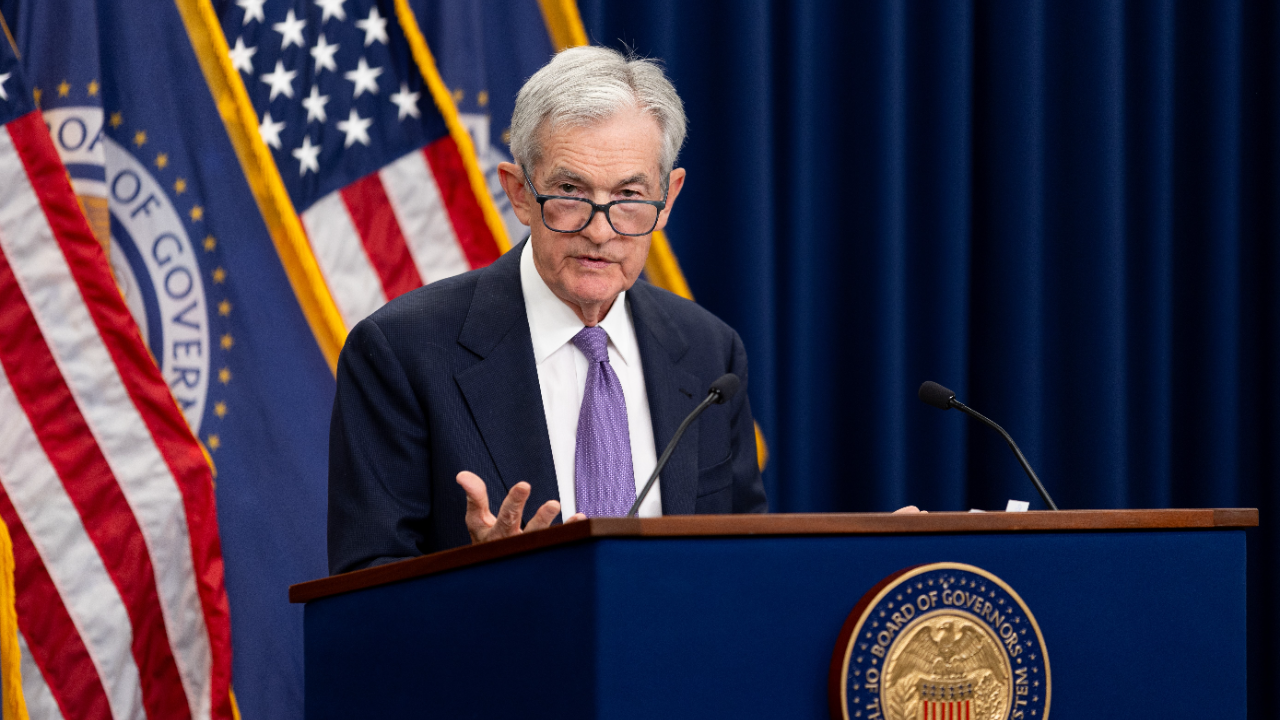
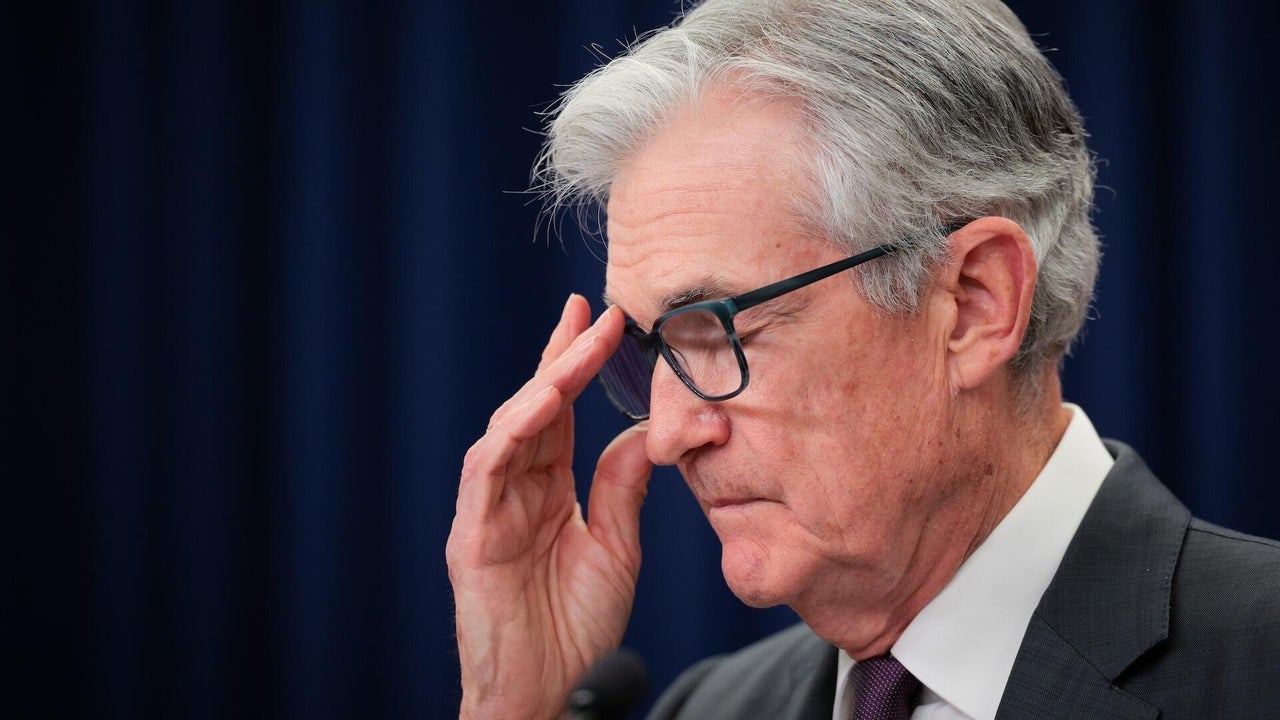
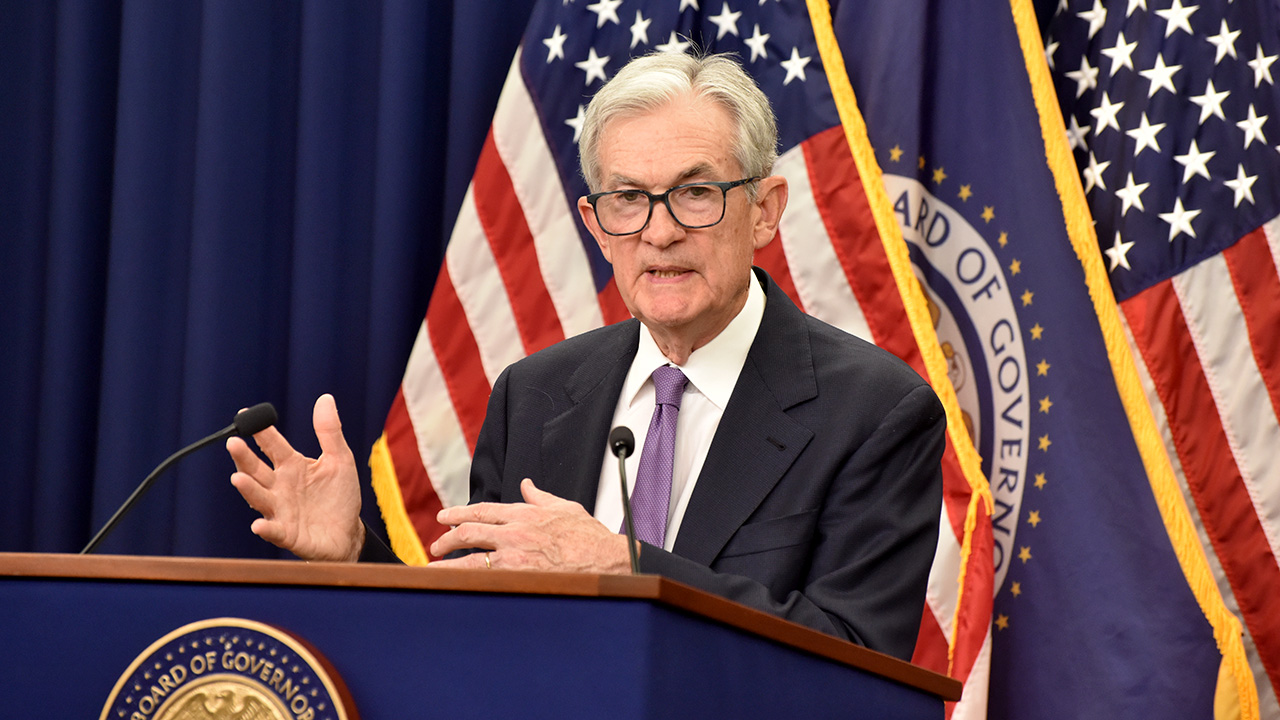
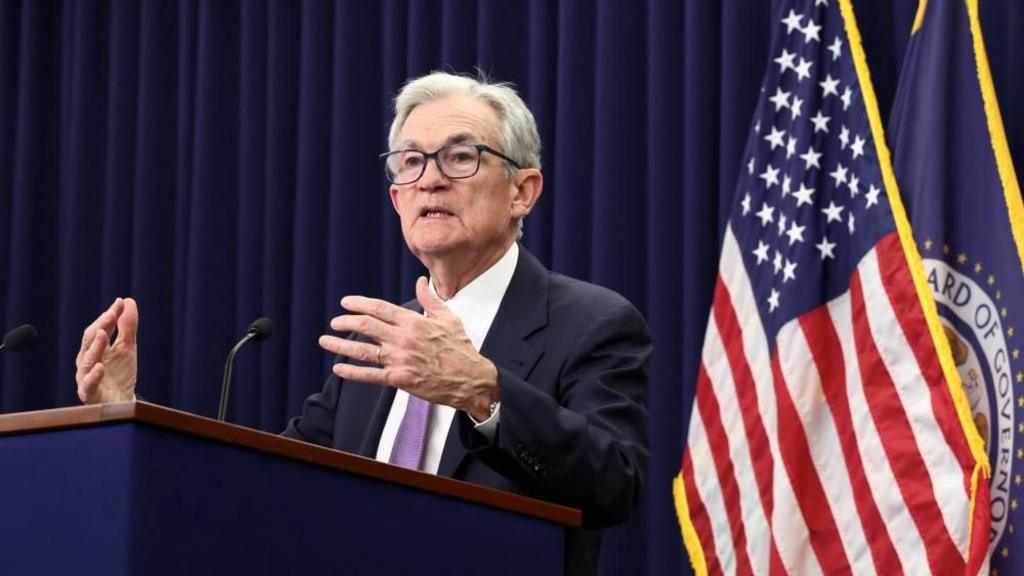
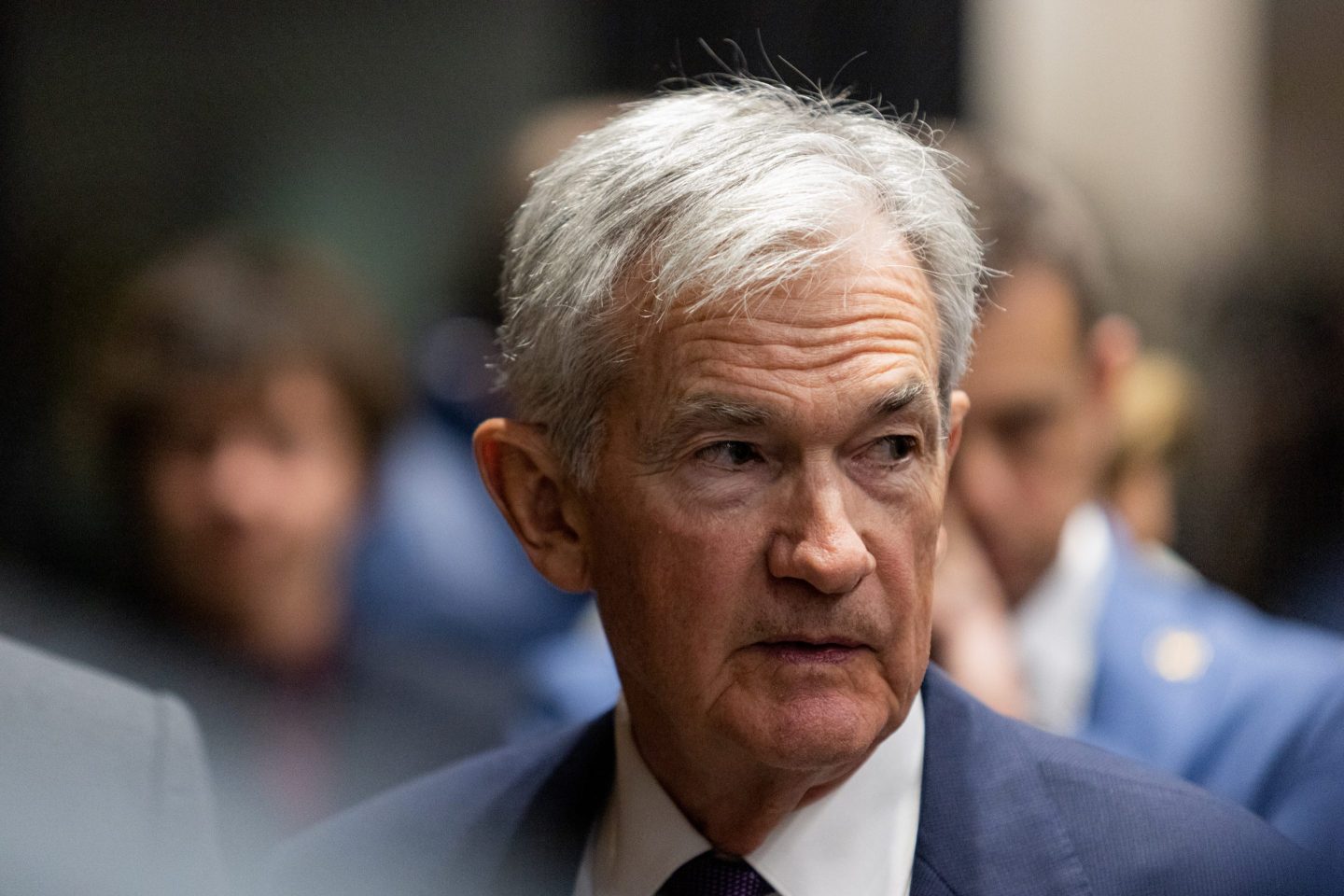
Monetary Policy Precision emerges as the core narrative. The Fed's decision to lower rates to a 3.5-3.75% range is not a blanket stimulus, but a carefully calibrated intervention. Jerome Powell's messaging reveals a strategic restraint: while cutting rates, he simultaneously dampened expectations of continued aggressive easing. This approach suggests the Fed is threading an extraordinarily narrow needle between stimulating economic growth and preventing potential inflationary pressures.
The decision's complexity is underscored by its internal divisions. With a 9-3 vote and multiple committee members expressing reservations, the monetary policy landscape is anything but monolithic. Some members advocated for more aggressive half-point cuts, while others preferred maintaining current rates. This internal tension reflects the nuanced economic signals the Fed is interpreting—from slowing job growth to persistent inflation concerns.
Tariff Impact and Inflation Dynamics add another layer of complexity. Powell explicitly highlighted Trump's tariffs as a significant inflation driver, noting that without these trade barriers, inflation would hover in the low two-percent range. This candid acknowledgment reveals how geopolitical decisions directly influence monetary policy, creating a more interconnected economic ecosystem.
The market's response further validates the Fed's measured approach. While the Dow Jones Industrial Average jumped approximately 497 points, market analysts like Chris Zaccarelli warn that near-term optimism might be tempered by the realization that rate reductions could take longer than anticipated. This suggests a sophisticated investor base that understands the Fed's strategic long-game.
Looking forward, the Fed's projection of just one potential rate cut in 2026 and another in 2027 indicates a commitment to data-driven, incremental adjustments. This measured strategy reflects an understanding that monetary policy is less about dramatic moves and more about precise, calculated interventions.
Questions 3
Why is the Fed taking such a cautious approach to rate cuts?
The Fed is balancing multiple economic signals: slowing job growth, persistent inflation concerns, and the potential disruptive impact of tariffs. By moving incrementally, they aim to avoid overcorrection while maintaining economic stability and flexibility.
What are the key risks in the Fed's current monetary strategy?
Primary risks include potential underestimation of economic weakness and the challenge of managing inflation without stifling growth. The divided Fed vote indicates significant uncertainty about the optimal path forward.