


Viral Trends Disrupt Business: How Social Media Challenges Force Operational Pivots
- Emerging digital behaviors create unexpected challenges for businesses across industries
























Overview
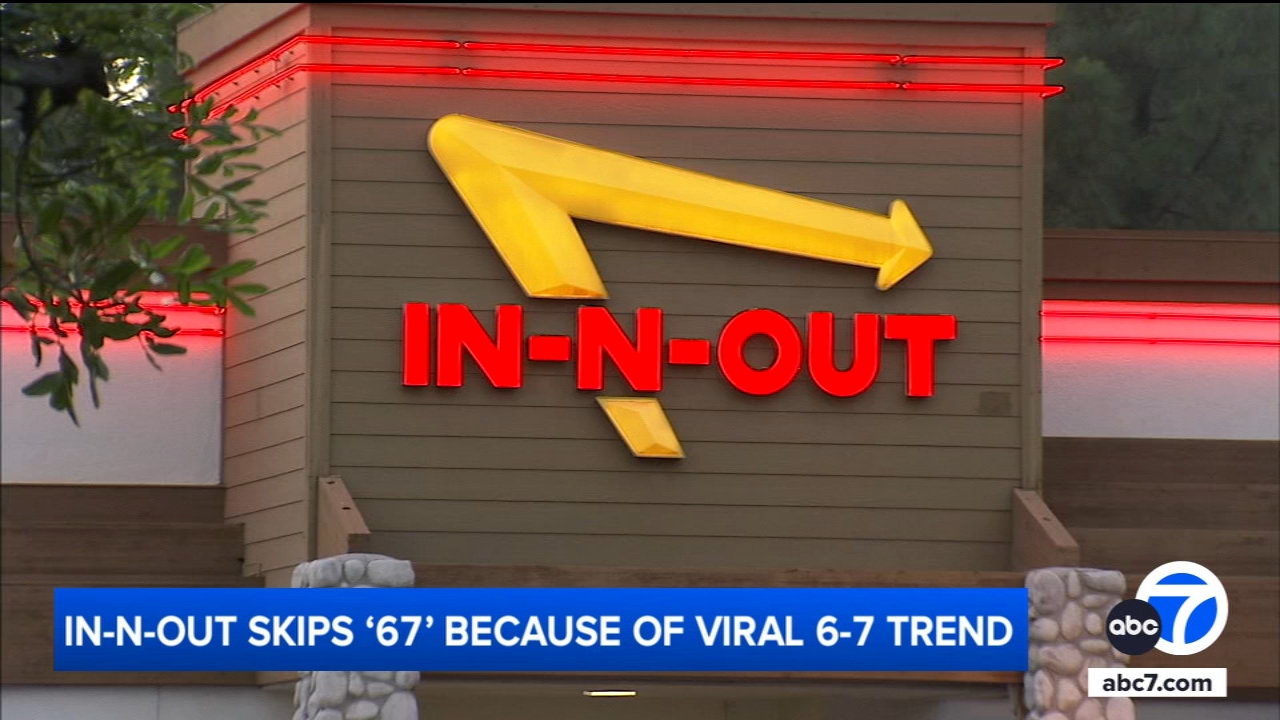
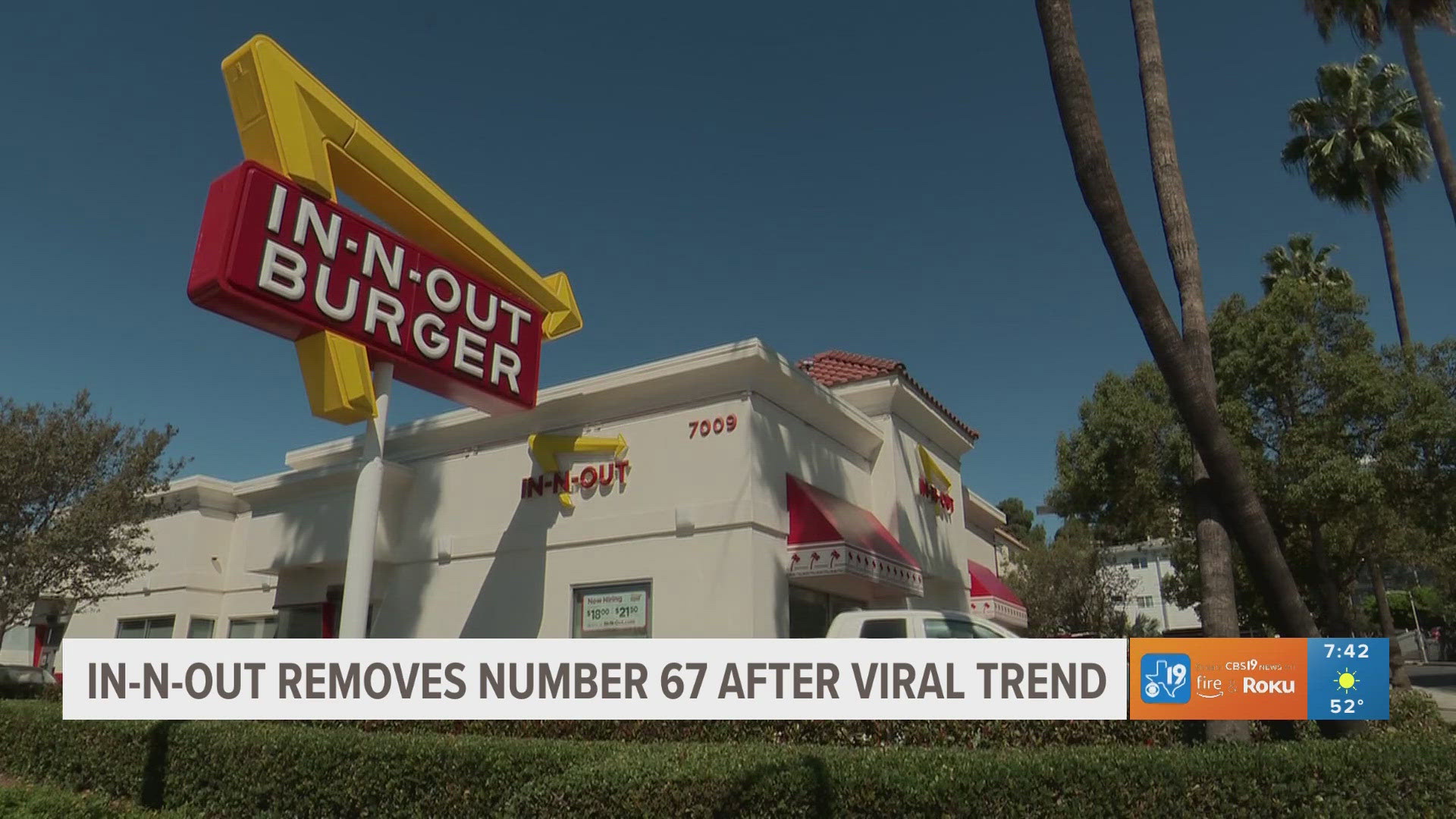
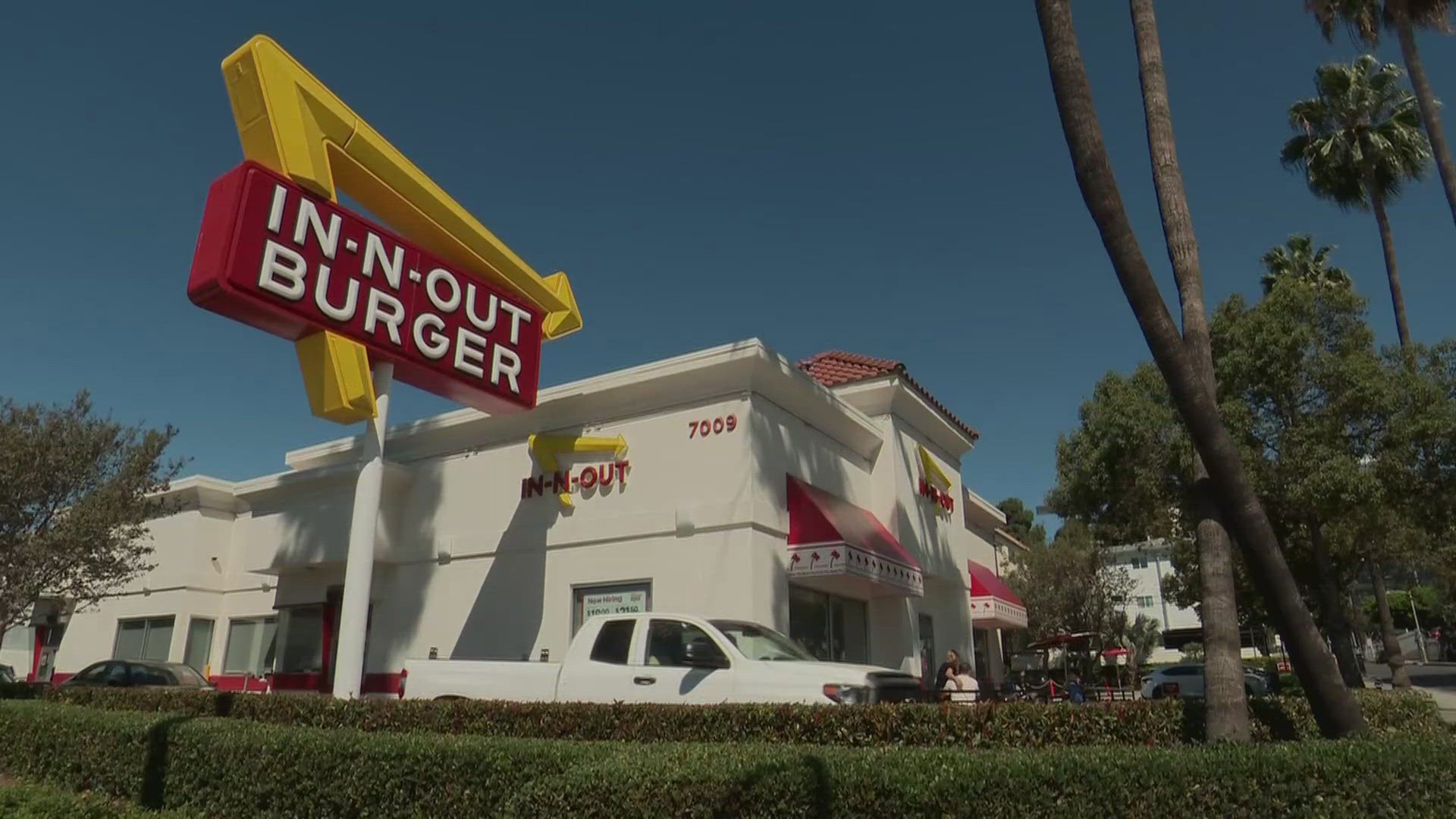
The viral social media phenomenon surrounding the number 67 at In-N-Out reveals a critical emerging trend in how digital-native generations can instantaneously reshape business operations. What began as a seemingly innocuous teenage trend has transformed into a sophisticated case study of rapid organizational adaptation in the age of viral content.
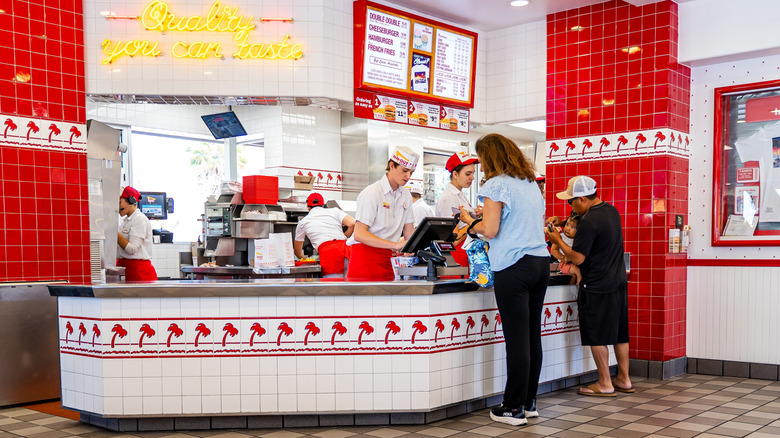
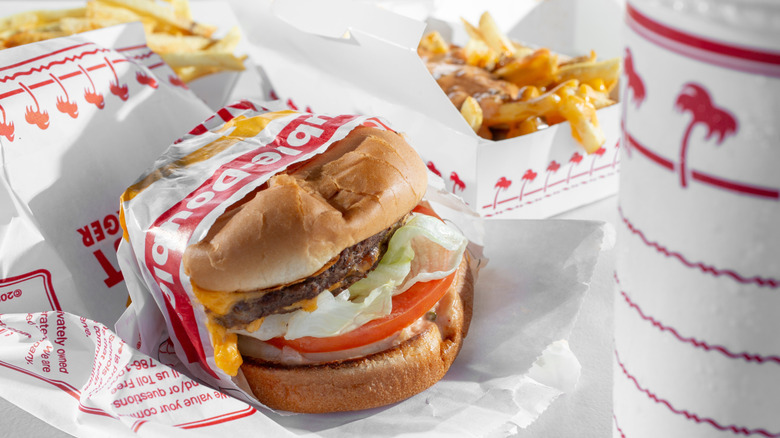
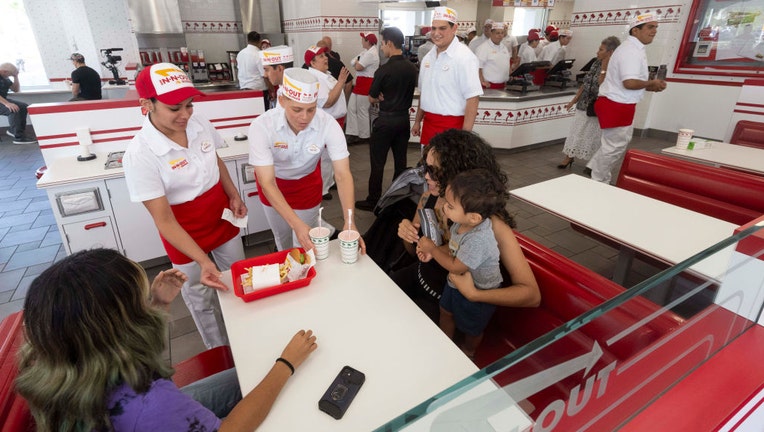
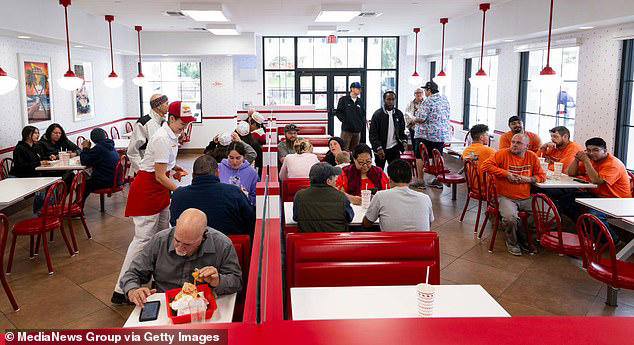
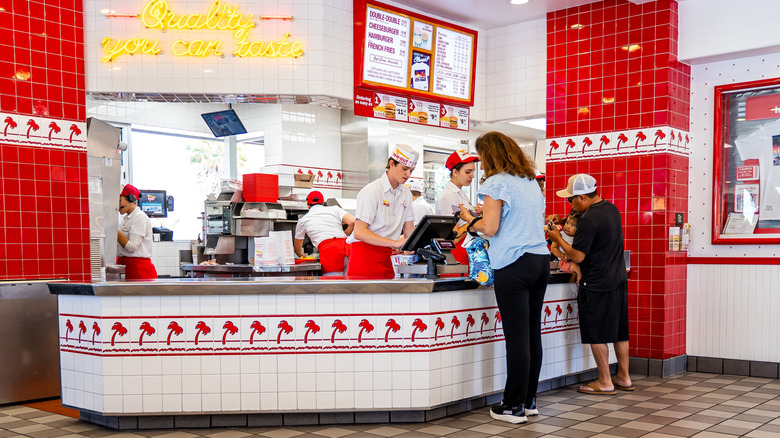
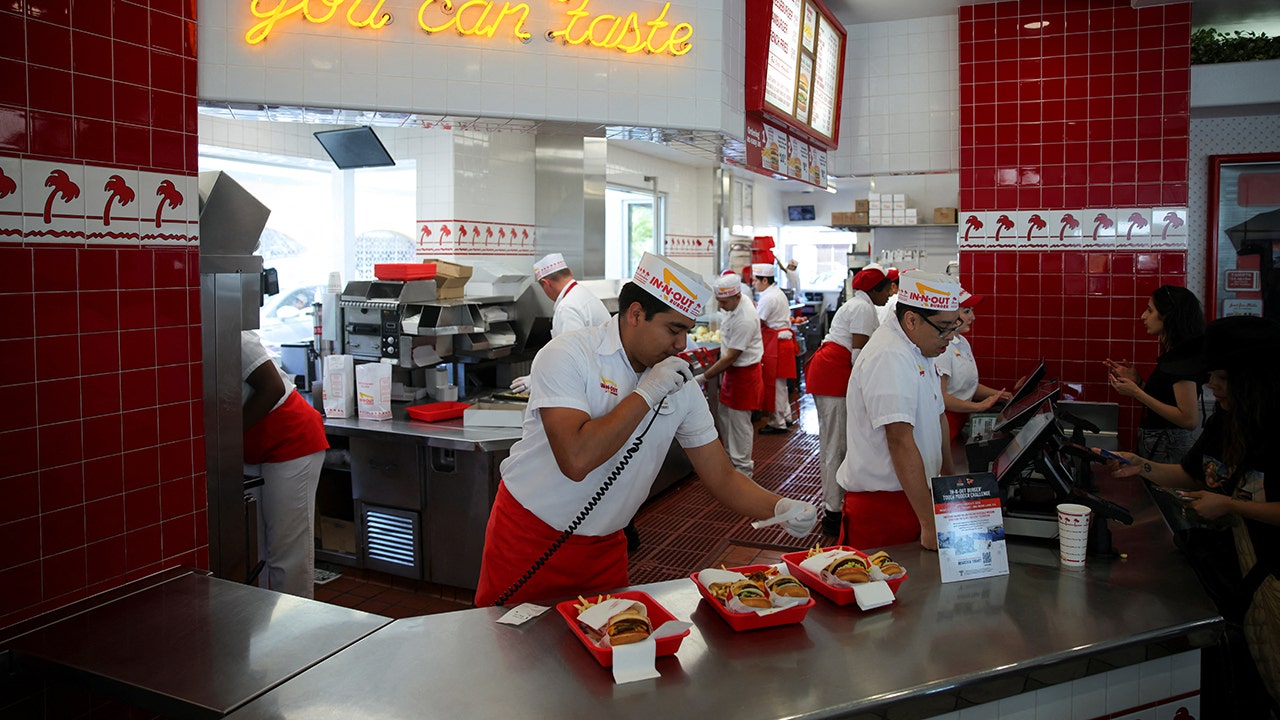
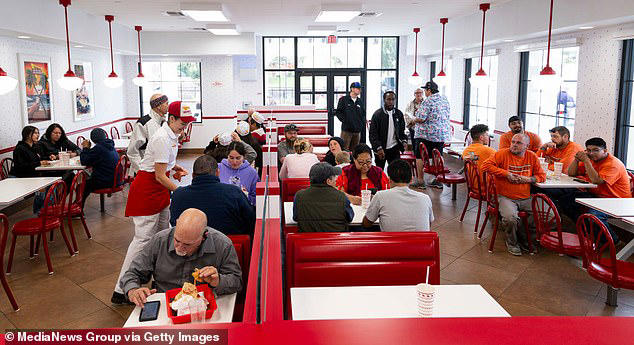
Viral Trend Mechanics demonstrate an unprecedented speed of cultural transmission. In this instance, young customers deliberately created disruption by waiting for number 67 to be called, triggering unruly celebrations that fundamentally challenged In-N-Out's standard order system. The restaurant's response—simply removing the number from their system—represents a pragmatic yet remarkable example of how businesses must now be prepared to modify core operational processes in real-time.
Digital Behavior Transformation is the underlying narrative here. Traditional business models assume predictable customer interactions, but social media has introduced a new layer of spontaneous, collective behavior that can emerge and spread with lightning speed. The In-N-Out case illuminates how viral challenges can create tangible operational friction, forcing companies to develop more flexible, responsive systems.
The strategic implications extend far beyond a single fast-food chain. This trend signals a broader shift where businesses must develop real-time monitoring and rapid response capabilities to manage unexpected digital disruptions. Companies are no longer just competing on product or service quality, but on their ability to quickly interpret and neutralize potential viral challenges that could compromise operational efficiency.
Critically, this phenomenon represents more than a mere curiosity—it's a structural change in customer-business interactions. Social media has transformed customers from passive consumers into active, potentially disruptive agents capable of instantaneously creating systemic challenges. For businesses, the key survival skill is no longer just customer satisfaction, but adaptive resilience in the face of unpredictable collective behaviors.
Questions 4
How should businesses prepare for viral digital challenges?
Companies need to develop real-time monitoring capabilities, create flexible operational protocols, and be prepared to make rapid adjustments in response to emerging viral trends that could disrupt their standard processes.
What does this trend reveal about modern customer interactions?
It demonstrates that customers, especially younger generations, are no longer passive consumers but active agents who can collectively create systemic challenges through social media-driven behaviors.