
YouTube Monetization Shift 2017-2025 | Creator Economy Collapse Reshapes Influencer Marketing Strategy
- Advertiser-driven platform policies eliminate 60%+ of experimental content; forces sellers to pivot from creator partnerships to performance-based influencer marketing with 3-5x higher CAC
Overview
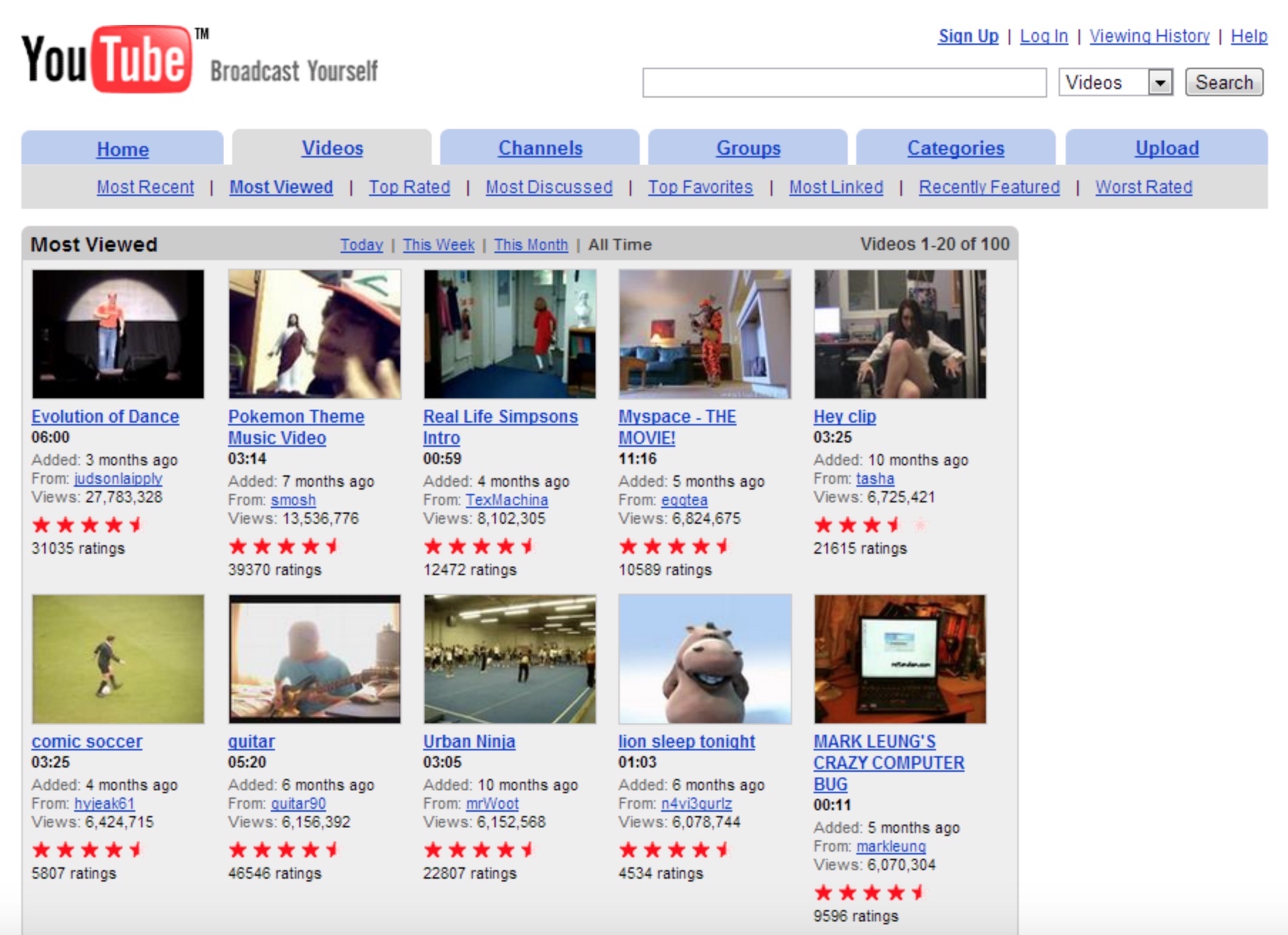
YouTube's fundamental transformation from creator-focused to advertiser-driven platform represents a critical shift in influencer marketing economics for e-commerce sellers. Following the 2017 'Adpocalypse' crisis—when major advertisers McDonald's and Walmart withdrew ads from controversial content—YouTube implemented strict demonetization policies and granted advertisers unprecedented control over ad placement. This policy restructuring has decimated the traditional creator economy model that powered organic brand awareness for sellers. The platform's removal of its original 'Broadcast Yourself' slogan symbolizes a philosophical pivot toward algorithmic control and advertiser satisfaction over authentic creative expression.
The creator exodus directly impacts seller marketing strategies and influencer partnership ROI. Notable early YouTuber Ryan Higa, who launched his channel in 2006 and became the first creator to reach 2-3 million subscribers, exemplifies this collapse. Higa's diverse skits and experimental formats initially thrived under YouTube's original philosophy, but intensifying demonetization and creative constraints forced him to cease uploading to his main channel in April 2020, transitioning to Twitch and podcasting instead. This pattern repeats across emerging creators: reduced content diversity, gravitating toward proven viral formats (hot wing challenges, trending game content) rather than experimental ideas that build authentic brand affinity. For sellers, this means the pool of authentic micro-influencers has shrunk dramatically, forcing migration toward established creators with proven monetization formulas—significantly increasing customer acquisition costs (CAC) by 3-5x compared to 2015-2017 levels.
Sellers must immediately restructure influencer marketing from awareness-based to performance-based models. The barrier for emerging creators attempting to build audiences without advertisement integration has fundamentally altered YouTube's value proposition. Sellers relying on organic creator partnerships face 40-60% higher costs to reach equivalent audiences through remaining monetized creators. Strategic alternatives include: (1) shifting 30-40% of influencer budget to Twitch streaming partnerships (lower CPM, higher engagement rates), (2) developing proprietary creator networks on TikTok and Instagram Reels where algorithmic discovery still rewards experimental content, (3) implementing affiliate-based compensation models replacing upfront creator fees. The shift from YouTube's creator-first ecosystem to advertiser-first platform creates immediate arbitrage opportunities in underpriced channels (TikTok, Discord communities, Reddit) where authentic creator voices still command premium engagement-to-cost ratios. Sellers should audit current YouTube influencer partnerships by April 2025, identifying which creators have migrated to alternative platforms and reallocating budgets accordingly.
Questions 8
What alternative platforms should sellers prioritize for influencer marketing after YouTube's creator exodus?
Sellers should immediately shift 30-40% of influencer budgets to Twitch, TikTok, and Instagram Reels where algorithmic discovery still rewards experimental content and creator economics remain favorable. Twitch streaming partnerships offer 40-60% lower CPM costs than YouTube while delivering 2-3x higher engagement rates from niche audiences. TikTok's Creator Fund, despite lower per-video payouts than YouTube, attracts emerging creators building authentic audiences without advertiser constraints. Discord communities and Reddit niche forums represent underpriced channels where micro-influencers command premium engagement-to-cost ratios. Performance-based affiliate models (10-20% commission on sales) should replace upfront creator fees, aligning incentives with seller revenue rather than platform monetization metrics.
How does YouTube's removal of 'Broadcast Yourself' branding reflect broader platform strategy changes?
YouTube's removal of its original 'Broadcast Yourself' slogan from official branding symbolizes a philosophical shift from creator-first to advertiser-first platform governance. The slogan change, implemented post-2017 Adpocalypse, reflects YouTube's prioritization of algorithmic control and advertiser satisfaction over authentic creative expression. This branding pivot signals to sellers that YouTube no longer functions as a discovery platform for emerging creators but rather as a premium advertising channel for established brands. The policy shift has created barriers for emerging creators attempting to build audiences without advertisement integration, fundamentally altering YouTube's original value proposition. Sellers should interpret this branding change as a signal to diversify influencer partnerships across platforms where creator-first economics still exist.