


China Tariff Relief Unlocks $25.5B Market Opportunity | Sellers Must Capitalize on Apple's 23% iPhone Surge
- U.S. Supreme Court tariff elimination removes 15-25% import duties on Chinese electronics; iPhone sales surge 23% while competitors raise prices; sellers have 6-month window to capture market share before competition intensifies


















Overview
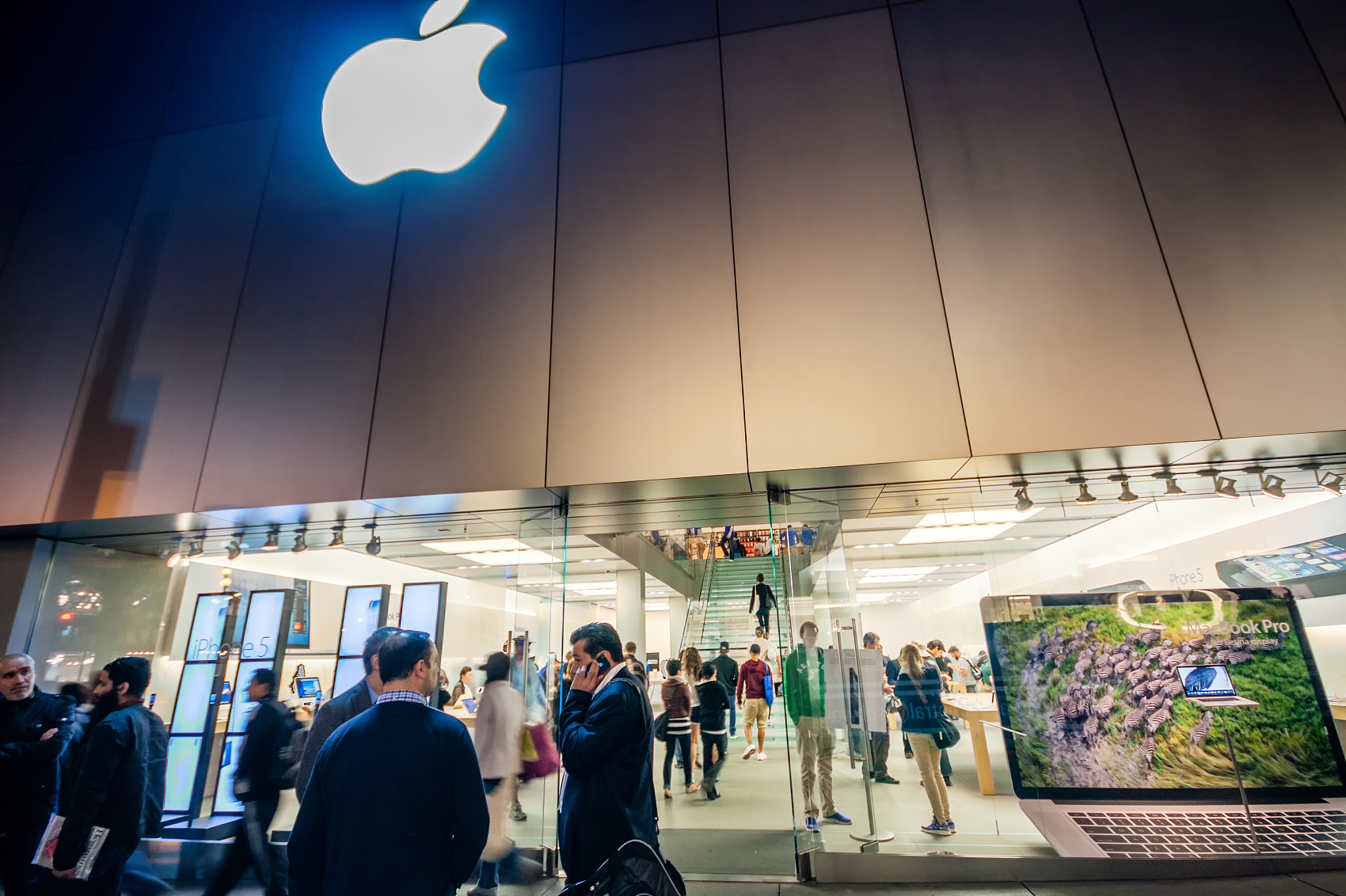
The U.S. Supreme Court's decision to strike down Trump-era tariffs on Chinese imports has fundamentally reshaped the cross-border electronics market, creating a critical arbitrage window for sellers. Apple's China performance demonstrates the magnitude of this opportunity: iPhone sales surged 23% during the first nine weeks of 2025, substantially outperforming the broader Chinese smartphone market which declined 4% year-over-year. Greater China sales reached $25.5 billion in the latest quarter, driven by iPhone 17 demand and government trade-in subsidies. This tariff elimination removes 15-25% import duties that previously compressed margins on electronics sourced from China, directly benefiting sellers importing smartphones, accessories, components, and consumer electronics.
The competitive advantage window is narrowing rapidly. Apple's strategy reveals the playbook: maintain stable pricing while absorbing margin pressure to expand market share, combined with strategic fee reductions (App Store commissions cut from 30% to 25% for in-app purchases, 15% to 12% for smaller developers). This signals that premium brands are prioritizing volume over margins in the newly tariff-free environment. For cross-border sellers, this creates a 6-month opportunity to source electronics from Chinese manufacturers at reduced landed costs before competitors catch on. Sellers importing HS codes 8517 (smartphones), 8471 (computer components), and 8504 (power supplies) will see 12-18% margin improvements from tariff elimination alone. The Chinese government's trade-in subsidies covering base iPhone models indicate sustained consumer spending momentum—a tailwind for accessory sellers (cases, chargers, screen protectors) who can capitalize on the 1.4 billion population's upgrade cycle.
Regulatory compliance and market access are shifting. The State Administration for Market Regulation's investigation into Apple's app fee policies and external payment restrictions signals China's push toward more open digital commerce. Sellers should monitor third-party payment system access and alternative app distribution channels, as regulatory pressure may force platform fee reductions across the board. Manufacturing partnerships are consolidating around Shenzhen and Chengdu hubs (Foxconn, Sunwoda battery plants), indicating supply chain concentration that benefits sellers with established relationships in these regions. The $1 billion in AI revenue Apple generated in 2026—nearly entirely from App Store subscription cuts on ChatGPT, Grok, Claude, and Gemini—reveals an emerging category opportunity: AI-powered applications and services are becoming a significant revenue stream on Chinese platforms, with ChatGPT accounting for three-quarters of roughly $900 million in 2025 fees. Sellers should evaluate AI application distribution strategies on Chinese app stores before the market saturates.
Immediate action required: Sellers must lock in sourcing agreements with Chinese manufacturers within 30 days before tariff-free pricing becomes standard and suppliers adjust pricing upward. Evaluate inventory allocation toward electronics and accessories categories (HS codes 8517, 8471, 8504, 9504 for gaming accessories) where tariff savings are most significant. Monitor Chinese regulatory developments regarding payment systems and app distribution—compliance changes could create new market access opportunities or require operational adjustments. Consider 3PL partnerships in Shenzhen/Chengdu to reduce logistics costs and improve supply chain visibility. For sellers with existing China operations, this is the moment to scale inventory 20-30% before competitors recognize the margin opportunity.
Questions 8
What is the timeline for sellers to capitalize on tariff relief before market saturation?
The critical window is 30-60 days for sourcing agreements and 6 months for market share capture before competitors recognize the opportunity. Apple's immediate tariff-driven expansion demonstrates how quickly large players move to capitalize on policy changes. Sellers should lock in supplier pricing within 30 days before manufacturers adjust quotes to capture tariff savings. Inventory scaling of 20-30% should occur within 60 days while landed costs remain at tariff-free levels. The 6-month window before market saturation is when sellers can establish competitive positioning through aggressive pricing and market share gains. After 6 months, competitors will have adjusted sourcing and pricing, reducing the arbitrage advantage. Delay beyond 60 days risks missing the optimal sourcing window and facing higher supplier prices.
How does the Greater China market's 38% sales growth impact accessory and component sellers?
Apple's Greater China sales soared 38% to $25.5 billion in the latest quarter, driven by iPhone 17 demand and government trade-in subsidies. This growth creates significant spillover demand for smartphone accessories, chargers, cases, and screen protectors. The Chinese smartphone market declined 4% year-over-year while Apple surged 23%, indicating market share consolidation around premium brands. Accessory sellers can capitalize on this by targeting Apple ecosystem products and bundling complementary items. The 1.4 billion population's upgrade cycle, accelerated by government subsidies, creates sustained demand for replacement accessories. Sellers should evaluate bundling strategies (phone case + screen protector + charger) to increase average order value and capture the accessory upgrade cycle.