


South Korea's New Central Bank Chief Signals Hawkish Monetary Policy | Cross-Border Seller Impact on Won Exchange Rates & Payment Costs
- Shin Hyun-song's April 2026 appointment brings "hawk" monetary policy stance, affecting Korean won stability and payment processing costs for 50,000+ cross-border sellers operating in South Korea's $150B+ e-commerce market
















Overview
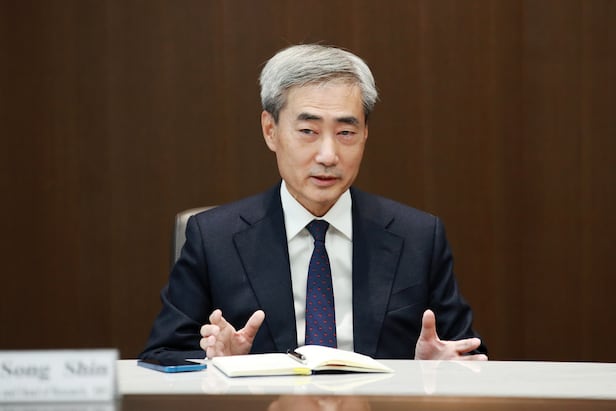
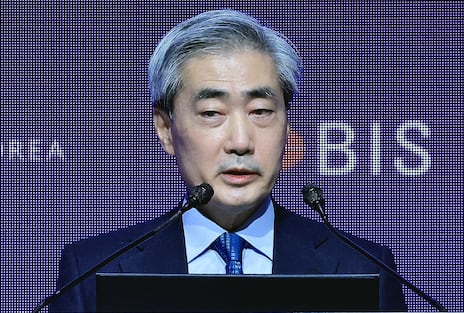
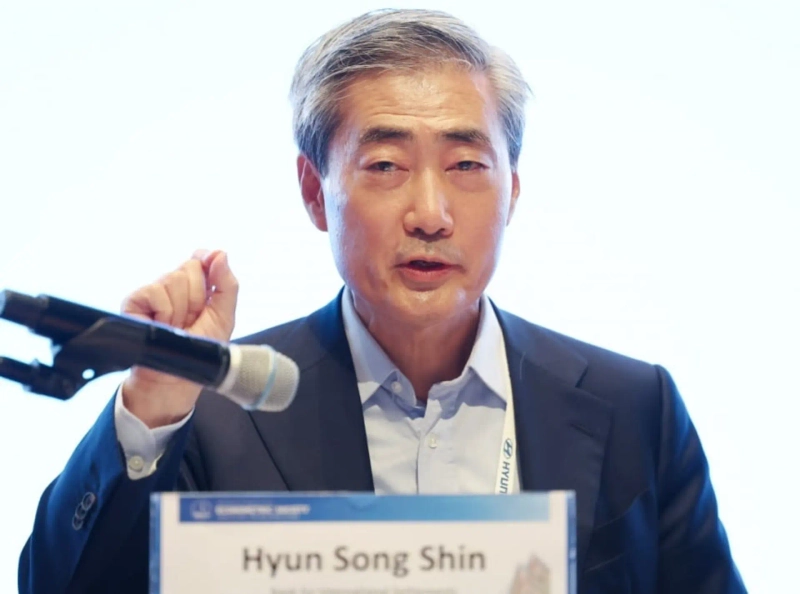
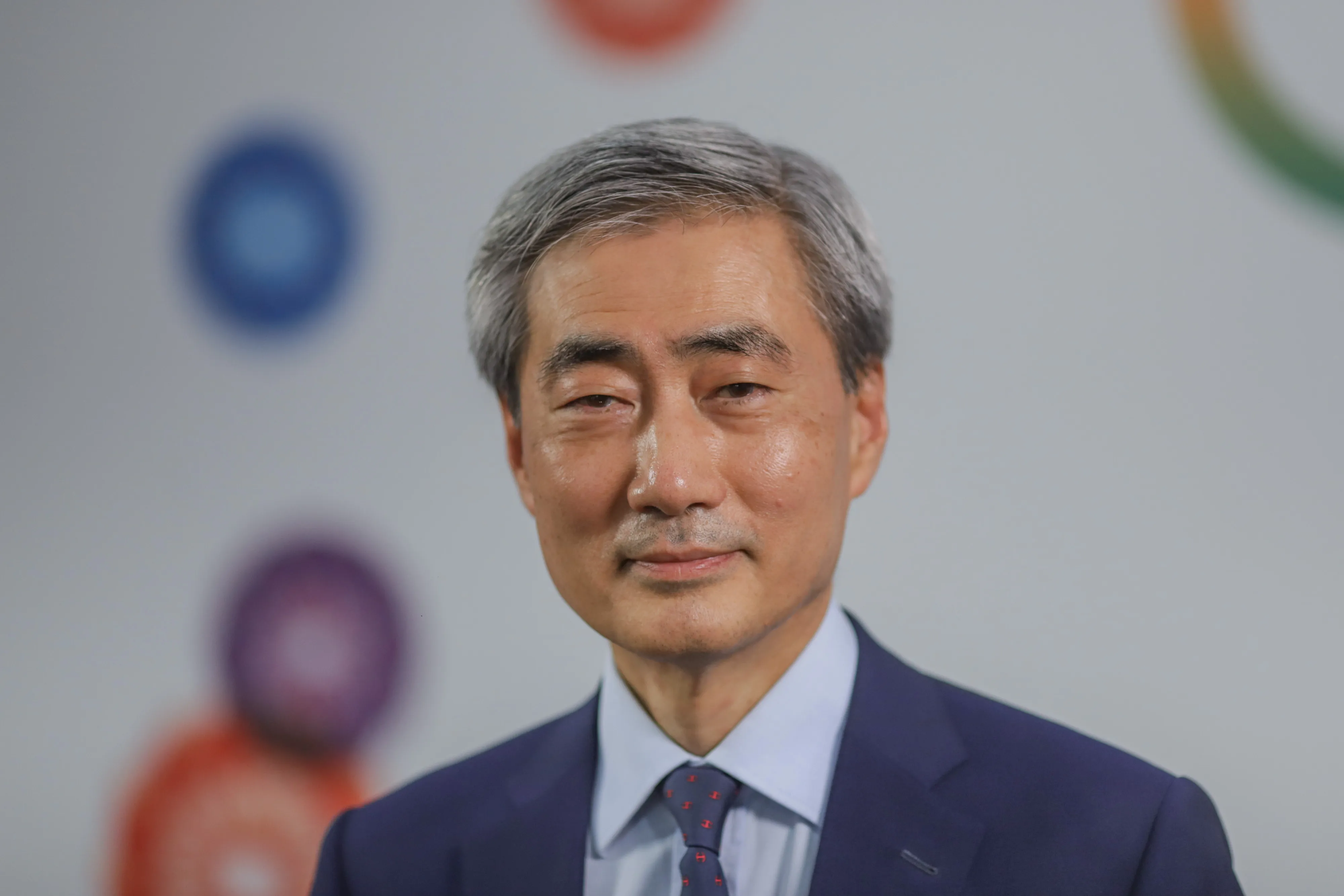
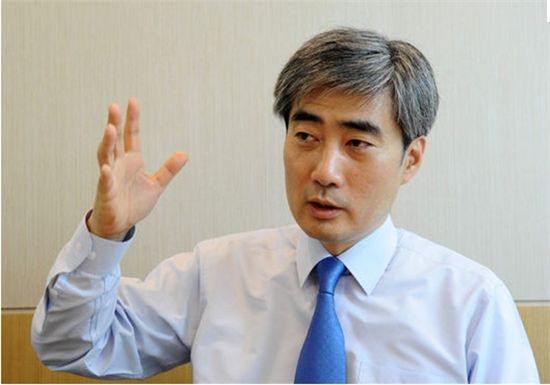
South Korea's Bank of Korea (BOK) has appointed Shin Hyun-song as its next governor effective April 20, 2026, replacing Rhee Chang-yong in a significant monetary policy transition. Shin, a senior Bank for International Settlements (BIS) economic adviser and first non-American/non-European scholar to hold the BIS research position, brings extensive international financial expertise and a reputation as a "hawk" on monetary policy—emphasizing financial stability, deleverage policies, and careful inflation management over aggressive growth stimulus.
This leadership transition carries direct implications for cross-border e-commerce sellers operating in South Korea or conducting transactions in Korean won. The BOK's monetary policy decisions directly influence the Korean won's exchange rate against major currencies (US dollar, euro, Chinese yuan), which affects pricing strategies, payment processing costs, and profit margins for sellers managing international transactions. Shin's appointment signals a continuation of measured monetary policy—the BOK maintained its benchmark interest rate at 2.5% as of February 2026—with potential for rate adjustments based on inflation and geopolitical pressures. His academic background includes warnings against excessive household debt and over-leveraging, suggesting he may prioritize financial stability over consumer credit expansion, potentially impacting domestic Korean e-commerce demand.
For sellers with significant exposure to South Korea's e-commerce ecosystem, Shin's policy approach creates both opportunities and risks. His international background and BIS experience indicate alignment with global financial standards and cross-border regulatory frameworks, potentially facilitating smoother payment system adoption and fintech integration for international sellers. However, his "hawk" stance on inflation and financial stability may result in higher interest rates if Middle East geopolitical tensions continue affecting oil prices and supply chains—a scenario he explicitly flagged as requiring "careful monetary policy consideration rather than immediate reaction." Higher rates could reduce Korean consumer purchasing power and credit availability, potentially dampening e-commerce transaction volumes in the domestic market. Sellers should monitor the parliamentary confirmation process (expected before April 2026) and track BOK policy statements regarding currency management, inflation targets, and financial sector regulation that could affect cross-border transaction facilitation and payment processing costs.
Key economic context: South Korea faces stagflation concerns (high inflation with stagnant growth), currency weakness, housing market instability, and Middle East-driven energy price volatility. Shin's expertise in analyzing "interconnected domestic and global economic conditions" positions him to address these pressures while supporting sustainable growth. His proven track record predicting the 2008 financial crisis establishes credibility in macroprudential policy, suggesting proactive measures to prevent financial instability that could disrupt payment systems or cross-border trade financing.
Questions 7
What is the timeline for Shin's appointment confirmation and when will policy changes take effect?
Shin's appointment is effective April 20, 2026, replacing outgoing Governor Rhee Chang-yong. The appointment requires a confirmation hearing in South Korea's National Assembly, though lawmakers lack veto authority over presidential nominations. Shin can serve one four-year term with potential reappointment. Sellers should expect policy continuity through early 2026, with potential shifts in monetary policy direction after April 2026. Key dates to monitor: confirmation hearing (expected Q1 2026), official appointment (April 20, 2026), and first BOK policy meetings under Shin's leadership (May-June 2026). Sellers with significant Korean market exposure should prepare contingency plans for potential interest rate adjustments and currency fluctuations in Q2-Q3 2026.
How does Shin's international BIS experience influence cross-border e-commerce regulation in South Korea?
Shin's 12+ years at the BIS (since 2014) and current leadership of the BIS monetary and economic department position him as an expert in cross-border financial regulation and international banking standards. His appointment signals South Korea's commitment to aligning with global financial frameworks, potentially facilitating smoother adoption of international payment standards, fintech integration, and cross-border transaction protocols. Sellers can expect more coordinated monetary policy approaches with other central banks, reducing currency volatility and improving payment system interoperability. However, this also means stricter compliance with international financial standards, potentially requiring sellers to update payment processing systems and documentation to meet enhanced regulatory requirements.