


Federal Reserve's Delicate Dance: Trump's Rate Cut Demands vs Economic Reality
- Monetary Policy Crossroads: How Presidential Pressure Challenges Central Bank Independence
























Overview
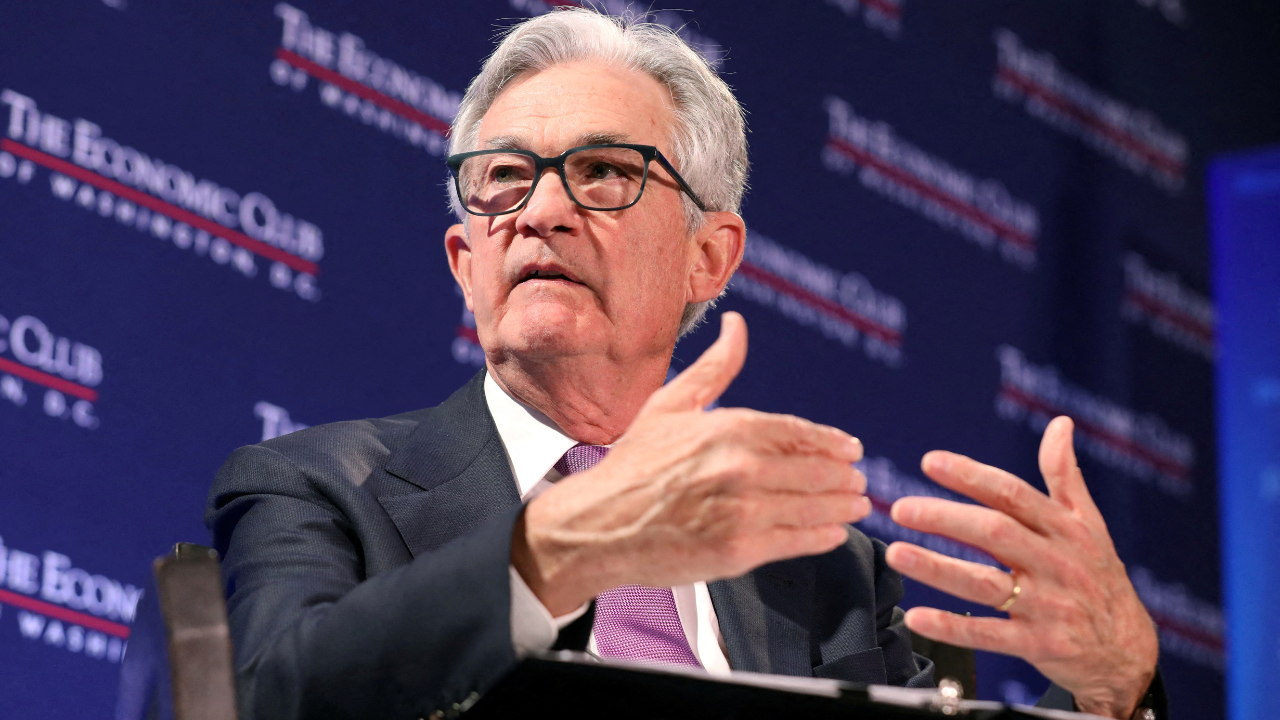
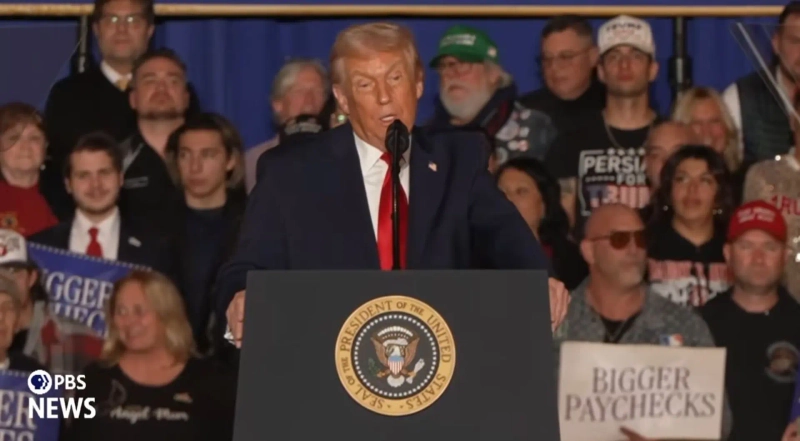
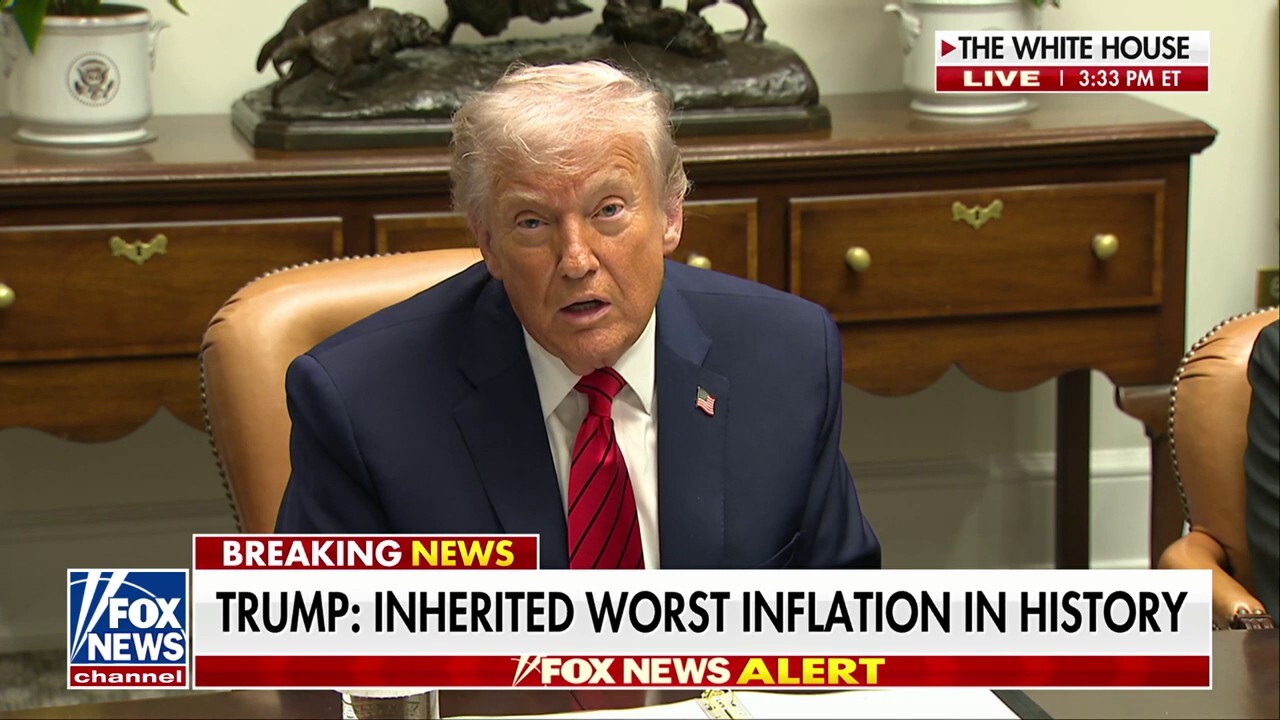
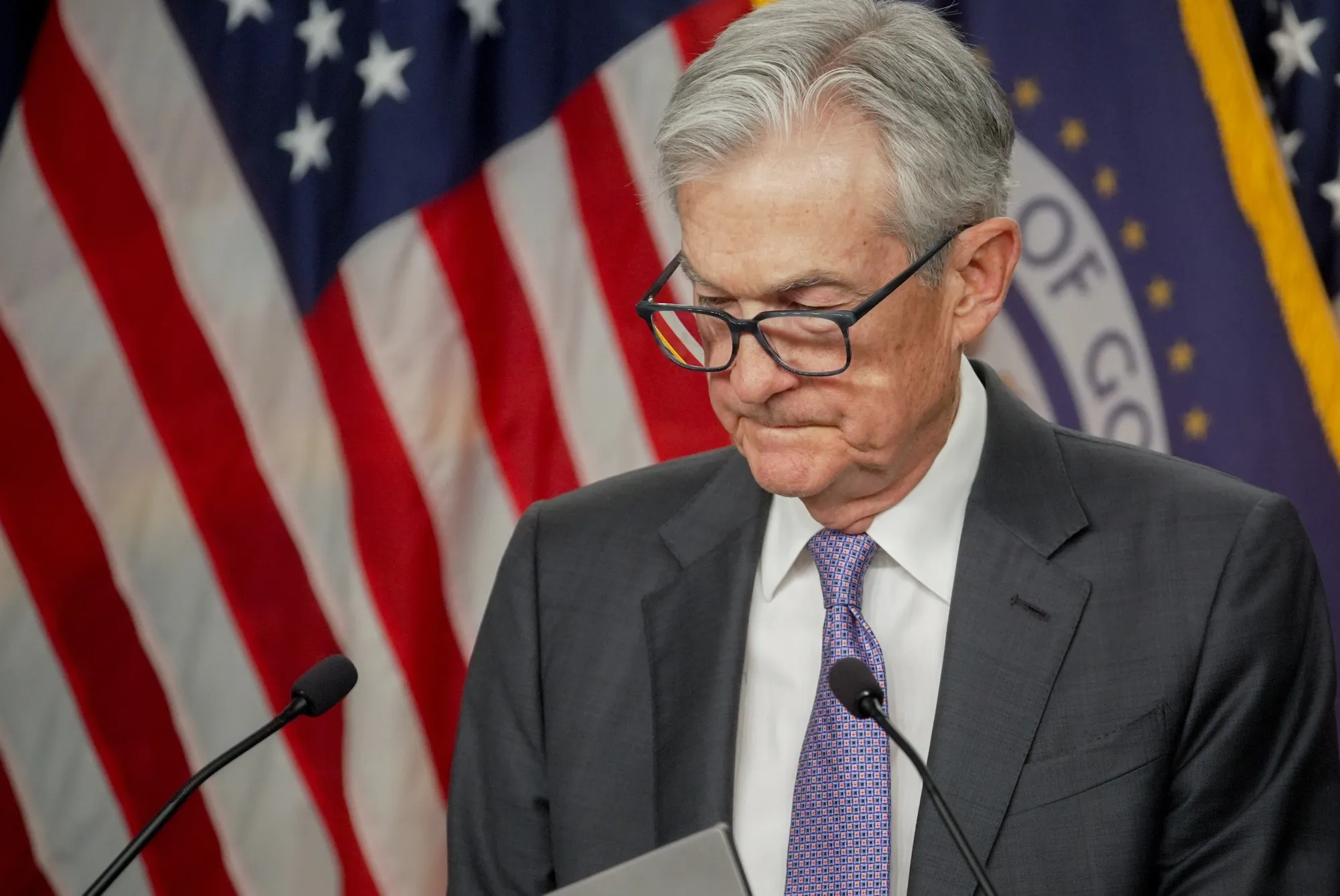
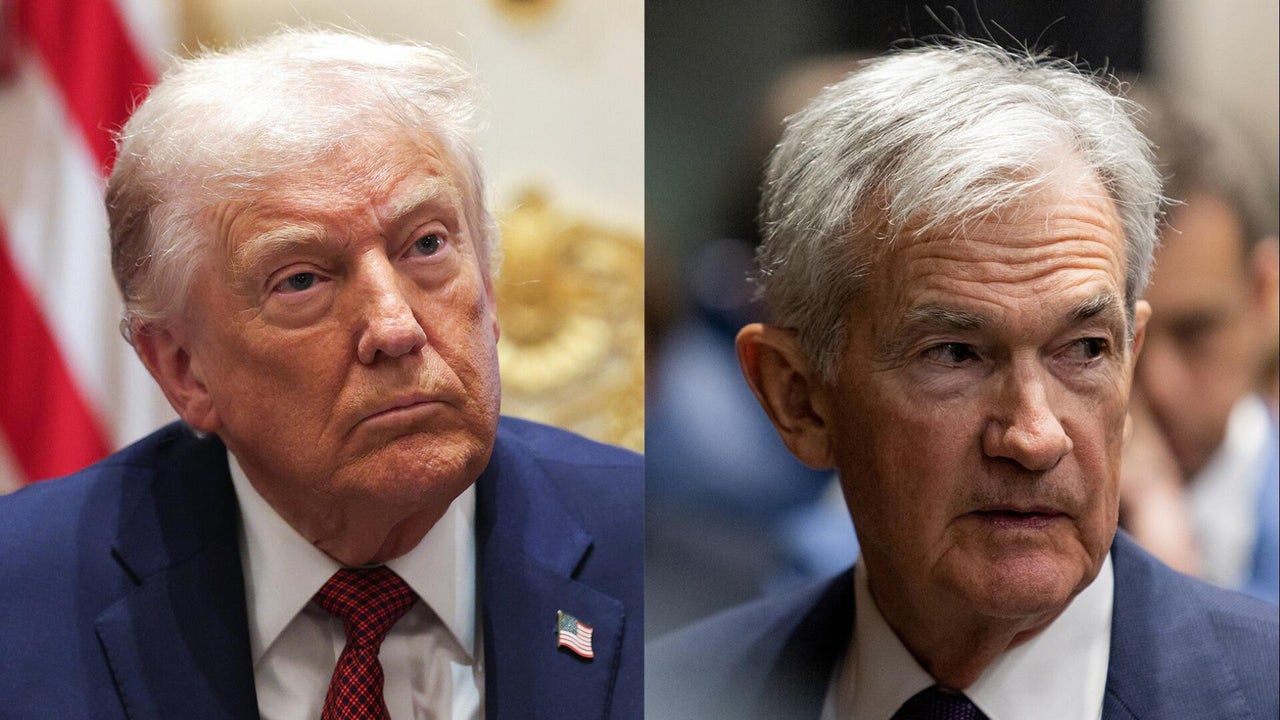
The emerging narrative of Federal Reserve leadership reveals a complex strategic battleground where presidential ambitions collide with economic fundamentals. President Trump's explicit demand for immediate rate cuts represents more than a typical executive intervention—it signals a profound challenge to the traditional independence of monetary policymaking.
Economic signals are increasingly nuanced and contradictory. The Dallas Fed's research dramatically illustrates this complexity, noting that monthly job creation requirements have plummeted from 250,000 to just 30,000 new jobs—a stunning indicator of labor market transformation. This data point underscores why blanket rate cuts are not a simple solution, despite political pressure.
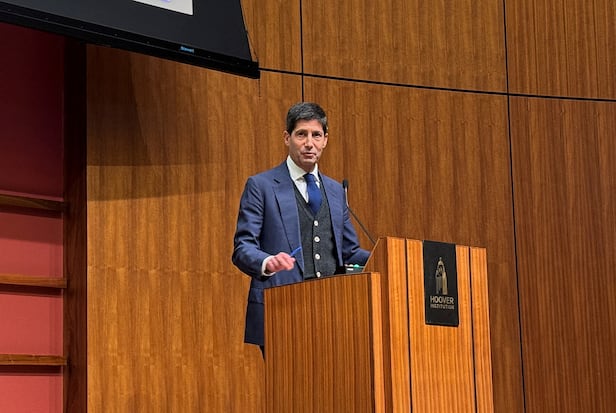
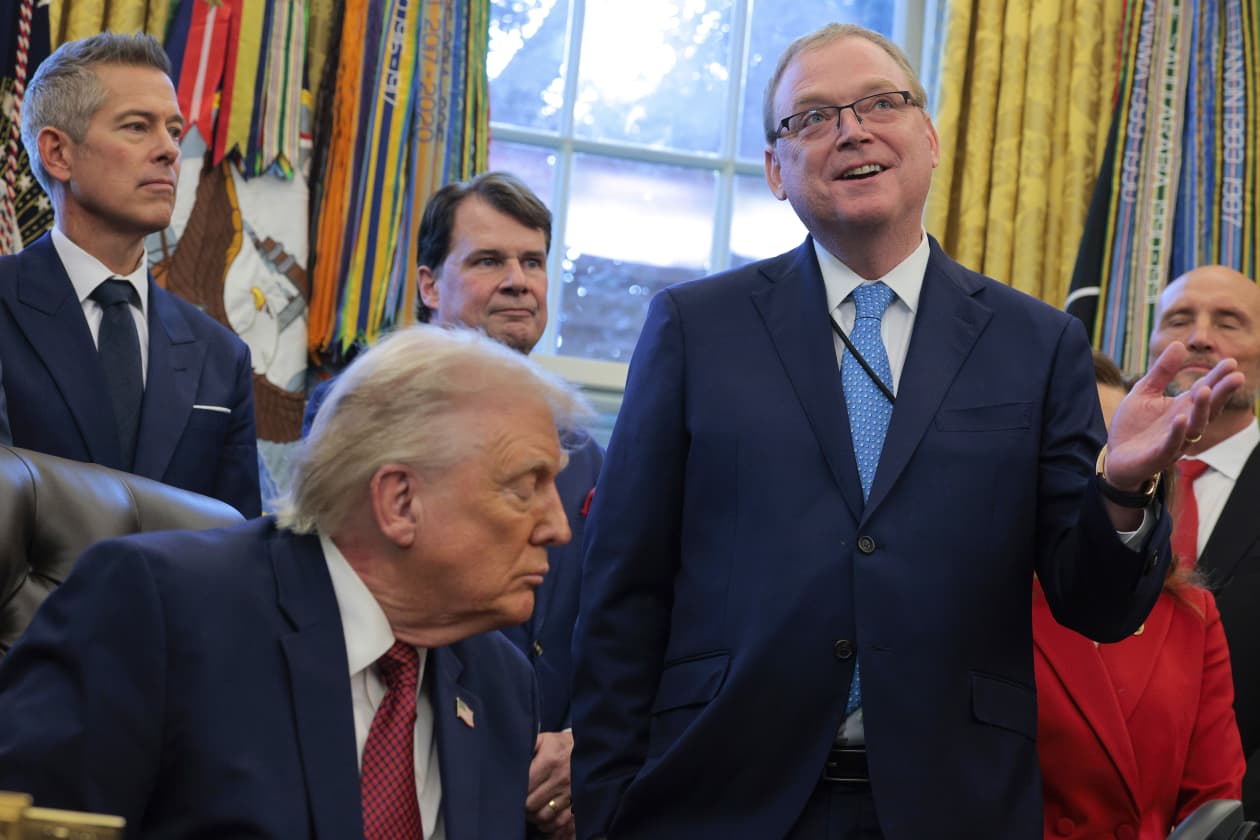
The potential nomination of Kevin Hassett as Fed chair introduces another layer of strategic uncertainty. While Hassett emphasizes commitment to data-driven decisions, the surrounding political context suggests significant tension. Economic experts like Matthew Luzzetti from Deutsche Bank caution that convincing the entire Fed committee to support substantial rate cuts will be extraordinarily challenging. The labor market presents a mosaic of mixed signals: slowing hiring, reduced worker supply due to immigration policies, and fluctuating job market dynamics.
Structural implications are profound. Trump's approach represents an unprecedented attempt to weaponize monetary policy as a direct economic lever, potentially undermining the Federal Reserve's long-standing institutional credibility. By explicitly stating he would only select a nominee committed to immediate rate reductions, the president is attempting to transform the Fed from an independent institution to a quasi-executive policy instrument.
The broader economic ecosystem must now navigate this heightened uncertainty. Financial strategists, investors, and policymakers face a scenario where traditional monetary policy guardrails are being systematically challenged. The next Fed chair will need extraordinary diplomatic and analytical skills to maintain institutional integrity while responding to complex economic signals.
Questions 3
How do the current labor market dynamics complicate potential interest rate cuts?
The labor market presents complex, contradictory signals that make straightforward rate cuts challenging. With job creation requirements dropping from 250,000 to just 30,000 monthly, traditional economic indicators are less reliable. Factors like reduced worker supply, slowing hiring, and immigration policy impacts create a nuanced environment where blanket rate reductions might not provide the desired economic stimulus.
What are the risks of presidential interference in Federal Reserve decisions?
Presidential interference threatens the Fed's credibility and could destabilize long-term economic planning. By attempting to directly influence rate cuts, there's a risk of compromising the central bank's ability to make objective, data-driven monetary policy decisions. This could lead to reduced market confidence and potential long-term economic volatility.