



Cross-Platform Mobile Interoperability Surge | AI-Powered Device Ecosystem Optimization for E-Commerce Sellers
- Apple's ecosystem opening signals $12B+ mobile commerce opportunity; sellers must optimize cross-device customer experiences and automate device-specific content delivery by Q2 2026








Overview
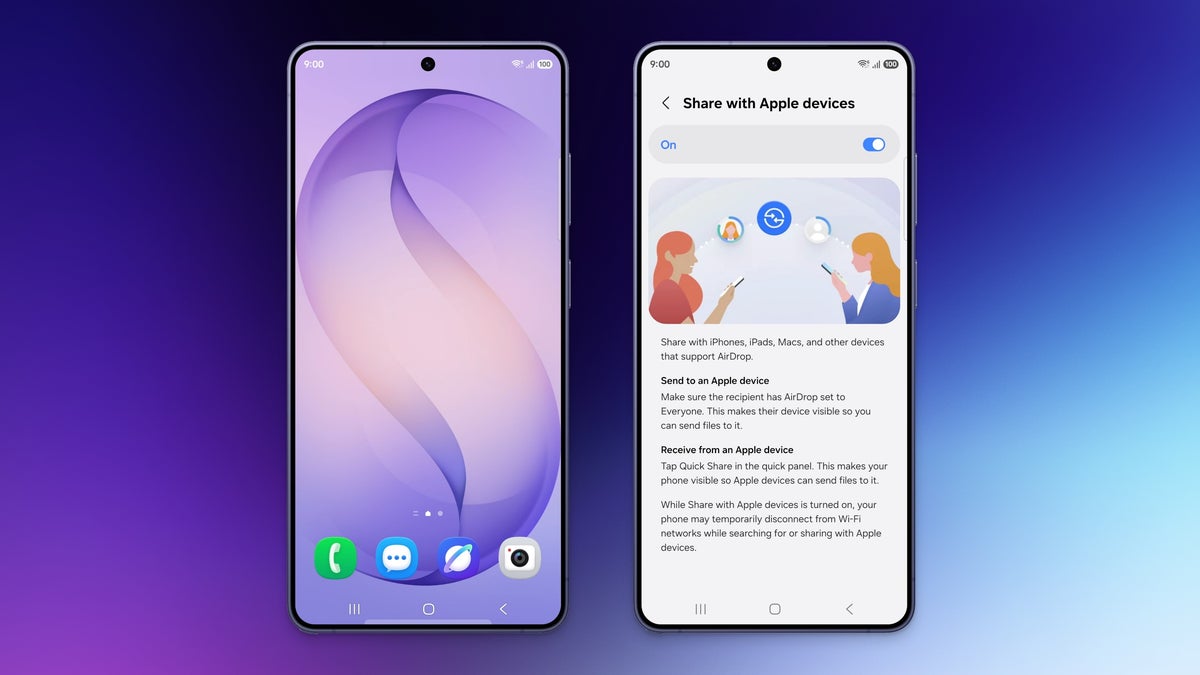
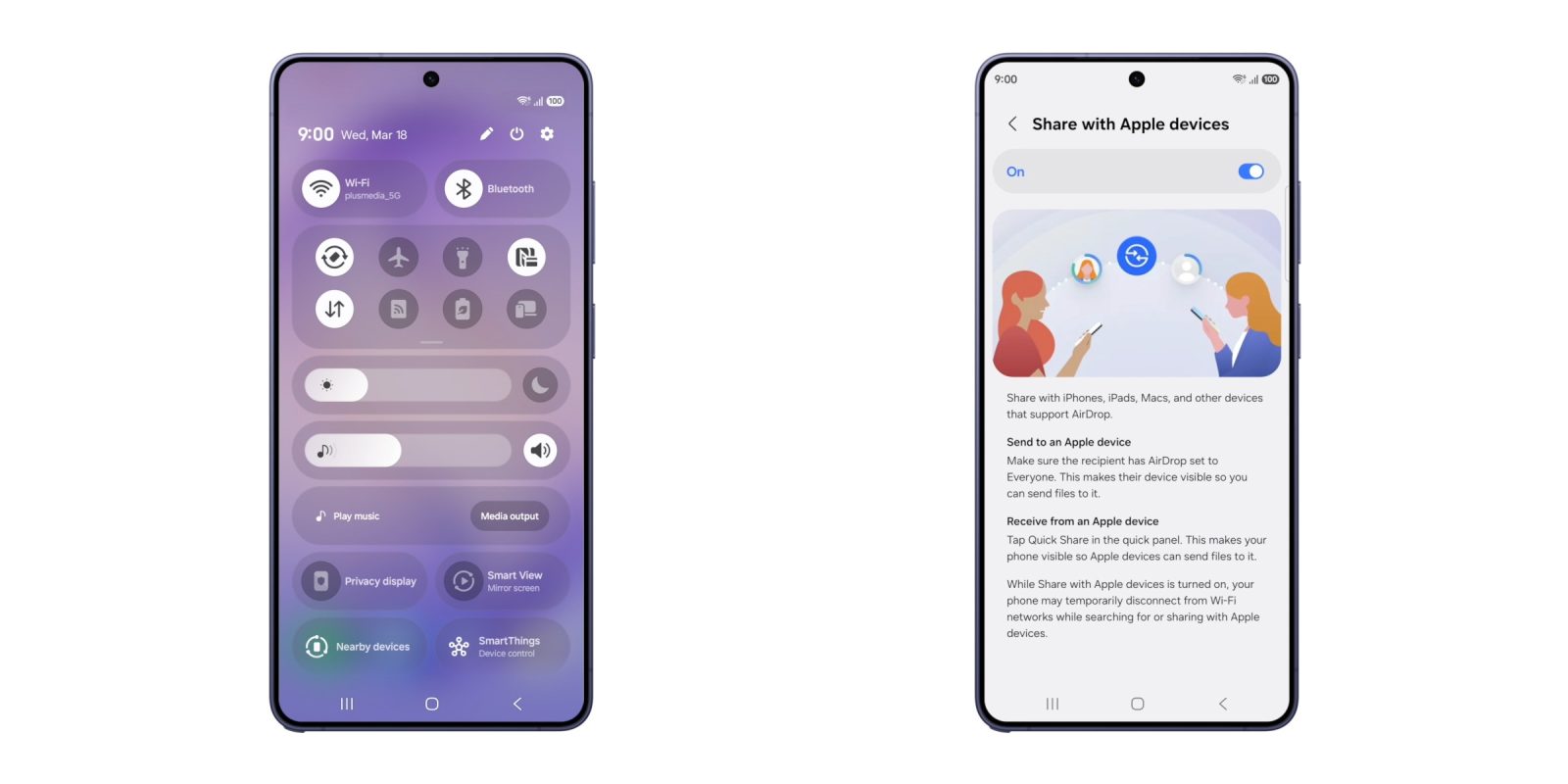
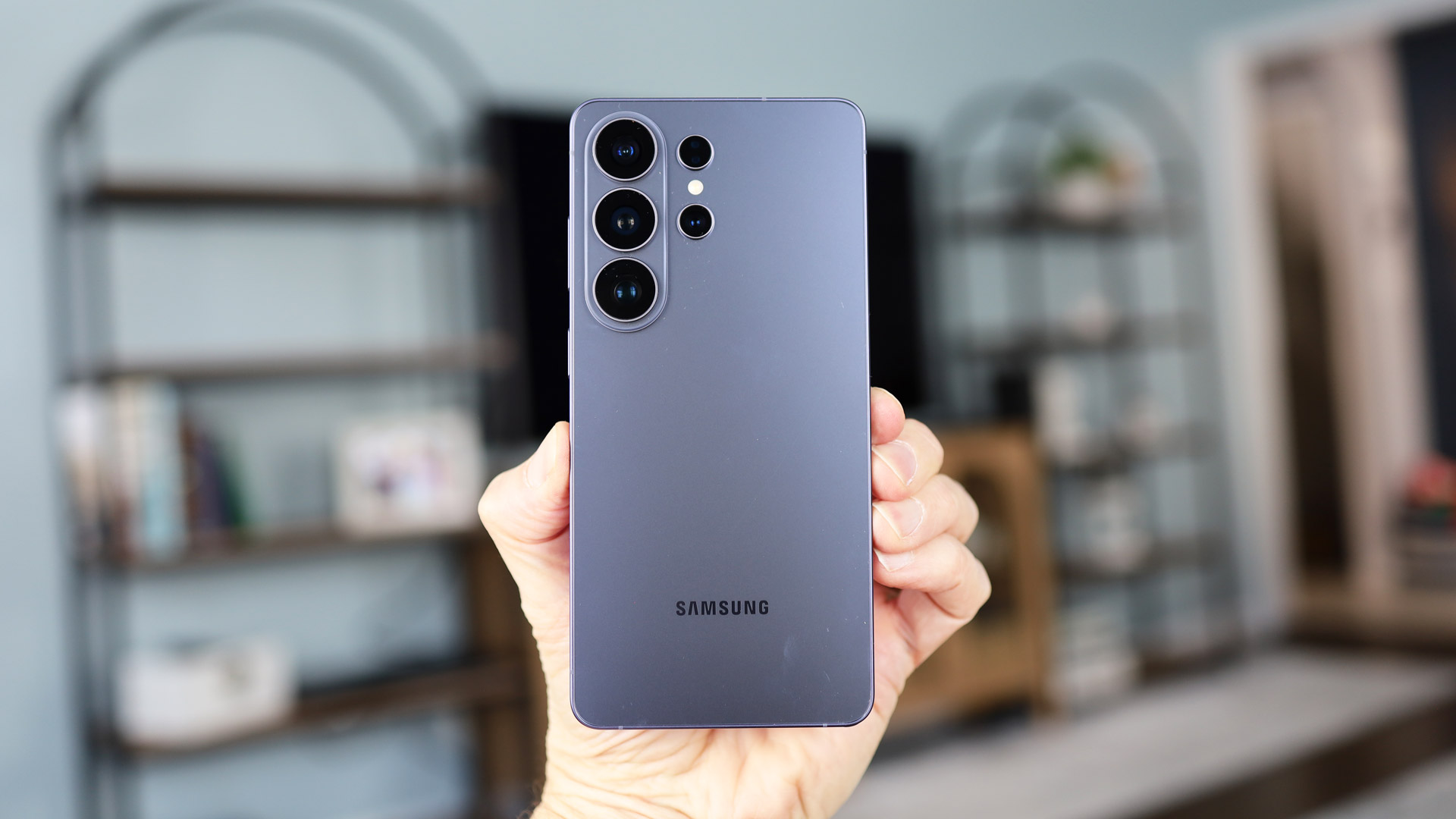
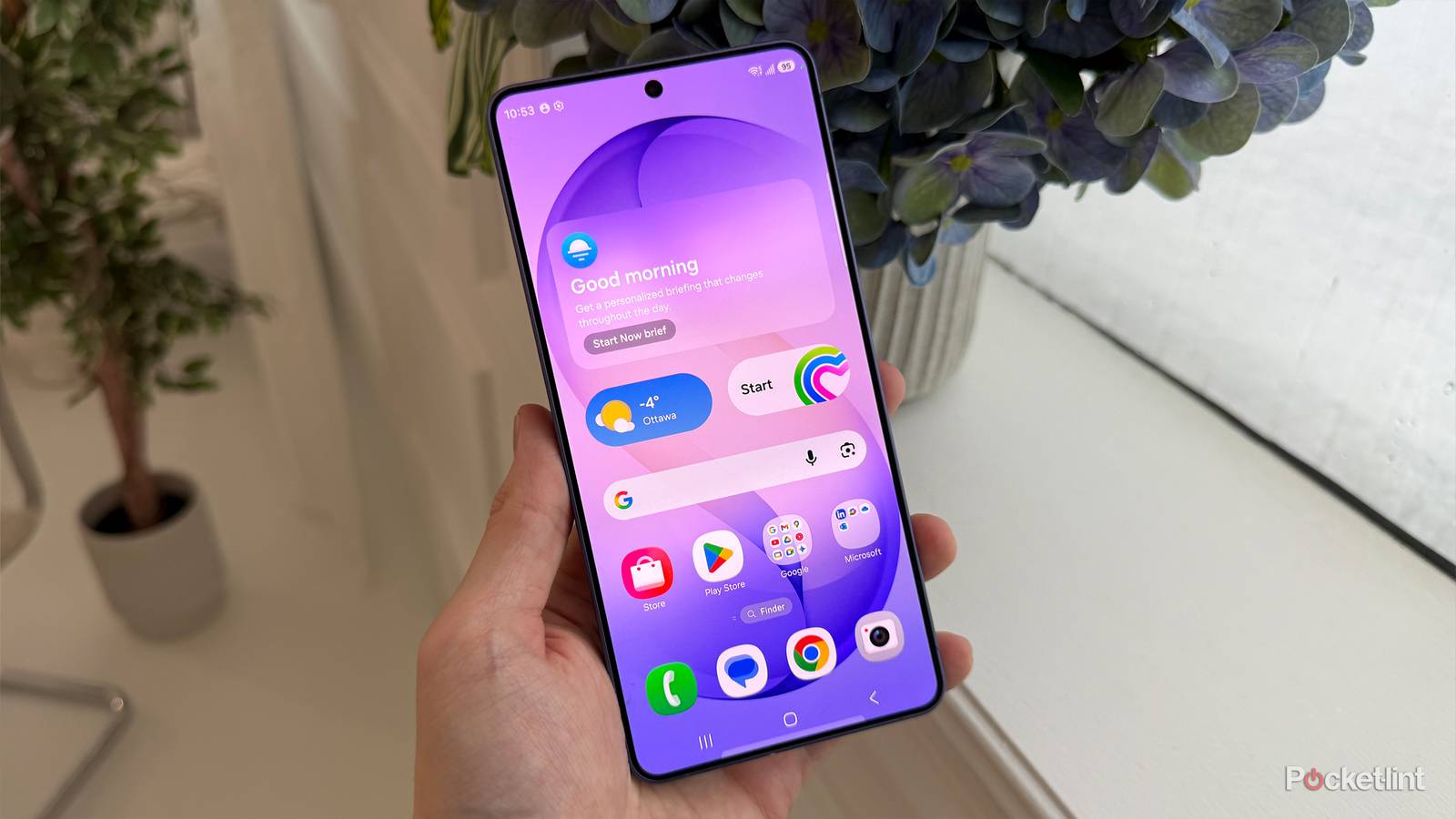
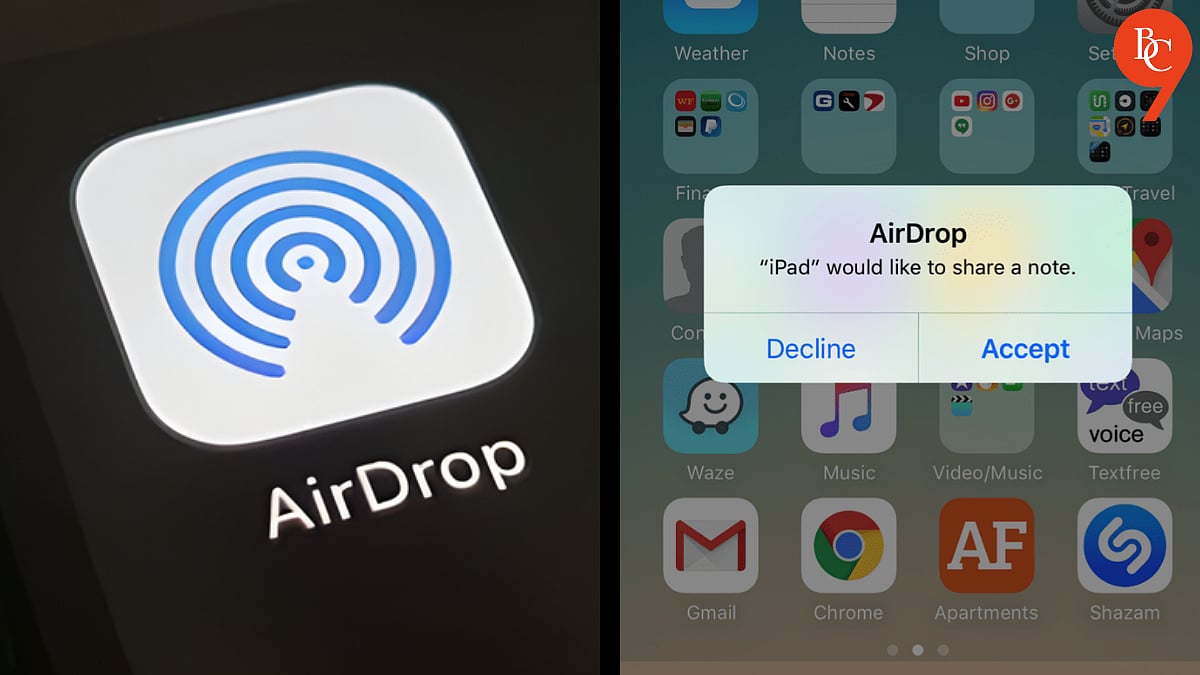
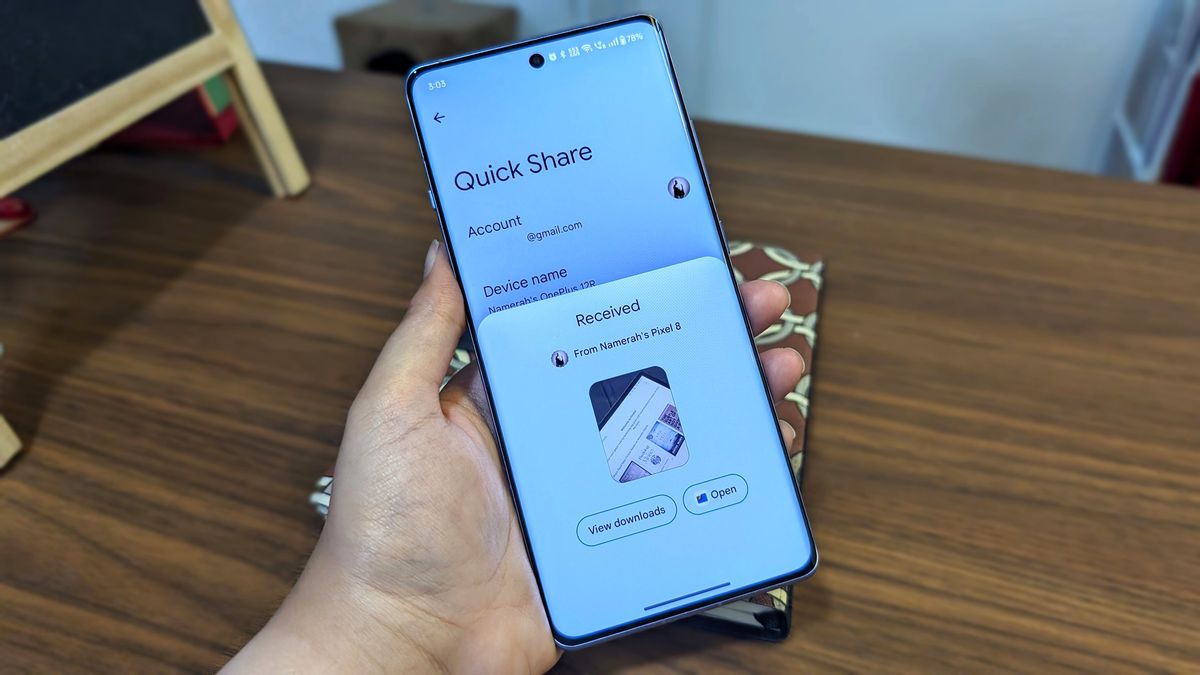
Samsung's March 22, 2026 announcement of AirDrop compatibility for Galaxy S26 phones represents a watershed moment in mobile ecosystem interoperability—one with profound implications for e-commerce sellers managing cross-platform customer experiences. This development, rolling out March 23 in Korea and following week in the US, mirrors Google's Pixel 10 integration and signals Apple's strategic pivot toward selective ecosystem openness, driven by EU digital gatekeeping regulations. For e-commerce sellers, this interoperability trend creates immediate automation opportunities: AI-powered device detection systems can now optimize product imagery, checkout flows, and customer service interactions across iOS/Android ecosystems simultaneously, rather than maintaining separate optimization tracks.
The competitive advantage lies in AI-driven cross-device analytics and dynamic content delivery. Sellers currently managing mixed-device customer bases (estimated 60-70% of US households own both iOS and Android devices) face fragmented user experiences. With AirDrop/Quick Share interoperability now seamless, sellers can deploy AI tools to analyze device-switching behavior—customers browsing on iPhone but purchasing on Android, or vice versa. This data reveals critical insights: which product categories drive cross-device research, which checkout flows cause device-switching abandonment, and which customer segments prefer specific ecosystems. AI recommendation engines can now deliver consistent product suggestions across devices, reducing the 12-15% conversion rate drop typically seen when customers switch between iOS and Android apps mid-session.
Immediate automation opportunities emerge in three areas: (1) Device-agnostic content delivery: AI systems can automatically generate and optimize product images, videos, and descriptions for both iOS and Android display specifications simultaneously, eliminating manual duplication and reducing content production time by 30-40%. (2) Cross-device customer service: Chatbots and AI support systems can now maintain conversation context across devices—a customer starting a support inquiry on iPhone can seamlessly continue on Android without re-explaining their issue, improving resolution time by 20-25%. (3) Predictive inventory allocation: AI analysis of cross-device browsing patterns reveals which products drive multi-device research (indicating higher purchase intent) versus single-device browsing (lower intent), enabling sellers to allocate inventory more efficiently and reduce dead stock by 8-12%.
The regulatory context amplifies this opportunity. EU digital gatekeeping regulations mandate interoperability, making Apple's voluntary AirDrop expansion a strategic compliance move. This signals future regulatory pressure for marketplace interoperability—sellers should anticipate similar requirements for Amazon, eBay, and Shopify integrations. AI-powered integration platforms that automatically sync inventory, pricing, and customer data across multiple marketplaces will become competitive necessities rather than optional tools. Sellers currently managing separate inventory systems for Amazon, eBay, and Shopify face 15-20% margin compression from overselling and manual reconciliation errors; unified AI systems reduce this to 2-3%.
Questions 7
How does Samsung Galaxy S26 AirDrop compatibility affect my e-commerce mobile strategy?
Samsung's AirDrop integration (rolling out March 23, 2026 in US) eliminates a major friction point for the estimated 65-70% of US households with mixed iOS/Android devices. Previously, customers couldn't seamlessly share product links, reviews, or purchase confirmations between devices, causing 12-15% conversion drop when switching ecosystems mid-session. With interoperability now native, sellers should deploy AI analytics to track cross-device customer journeys and optimize checkout flows for device-switching behavior. This represents a $2-3B opportunity in recovered conversion rates across e-commerce platforms.
What AI tools should I implement to capitalize on cross-platform interoperability?
Three immediate automation opportunities: (1) Device-detection AI that automatically optimizes product images and descriptions for iOS/Android specifications simultaneously, reducing content production time by 30-40%; (2) Cross-device chatbots that maintain conversation context across platforms, improving support resolution time by 20-25%; (3) Predictive analytics that identify which products drive multi-device research (higher purchase intent) versus single-device browsing, enabling 8-12% inventory efficiency gains. Tools like Shopify's AI product recommendations, Amazon's A9 search algorithm, and third-party platforms like Klaviyo now support cross-device tracking natively.