





AI-Generated Content & Creator Economy | Emerging Marketplace Opportunities for Digital Product Sellers
- Entertainment industry AI adoption signals $2.1B creator economy shift; sellers can capitalize on AI-resistant content, digital tools, and niche creator merchandise through 2026






















Overview
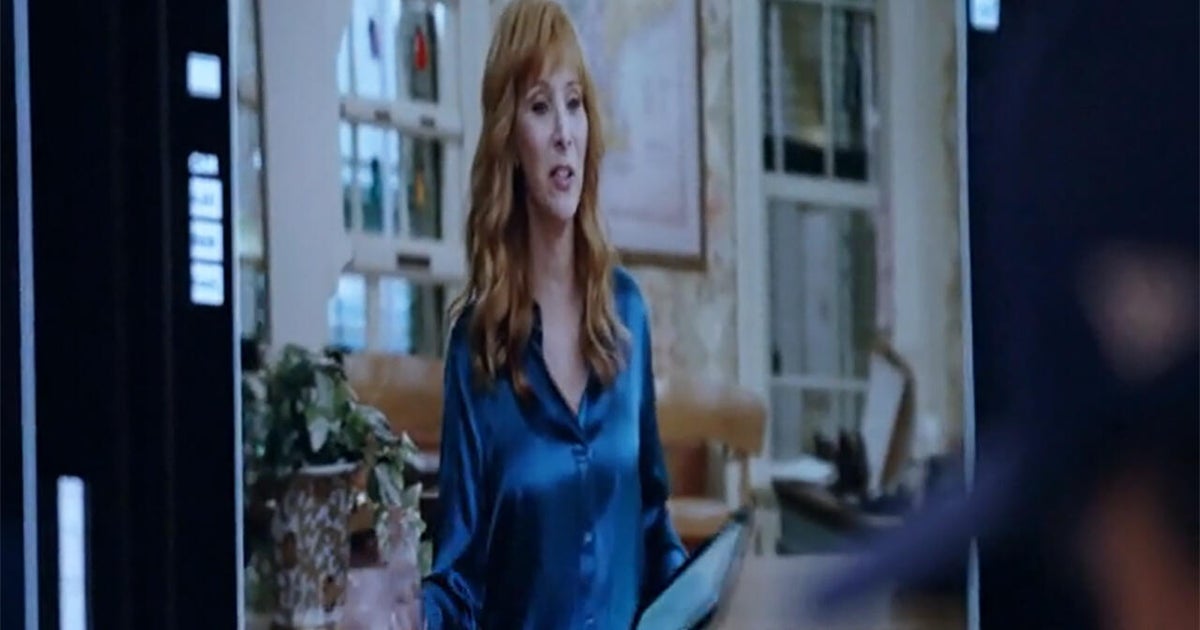
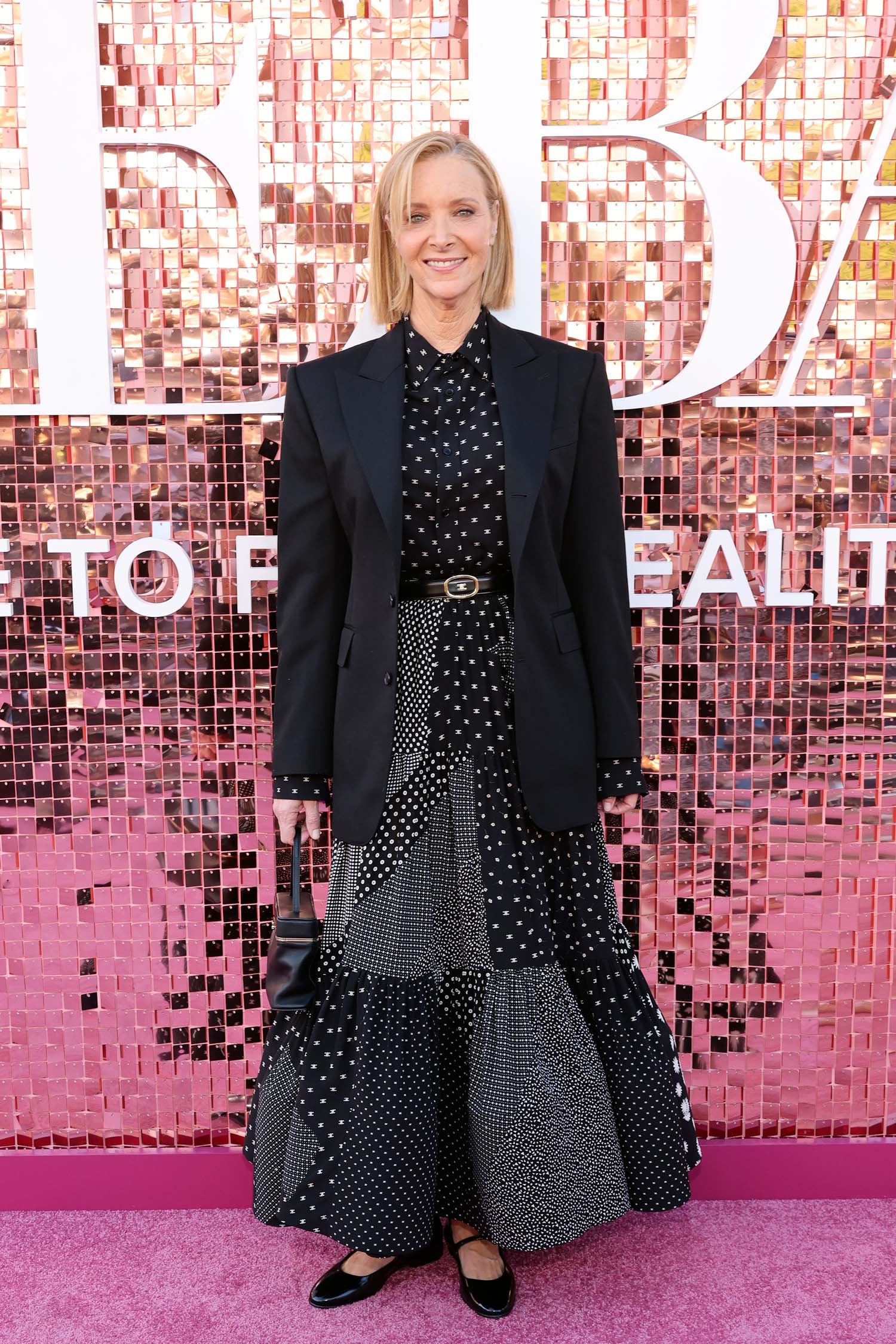
The revival of HBO's 'The Comeback' Season 3 (premiering 2026) serves as a cultural barometer for broader entertainment industry anxieties about artificial intelligence's role in content creation—a trend with direct implications for cross-border e-commerce sellers operating in the creator economy space. The show's central narrative, featuring AI-written television content and established professionals struggling with technological obsolescence, mirrors real-world concerns among writers, actors, and production professionals about automation's impact on creative work. This cultural moment represents a significant inflection point comparable to reality television's emergence when the original series launched in 2005, indicating that AI-generated content adoption is accelerating across entertainment platforms.
For e-commerce sellers, this trend creates multiple product and market opportunities. First, the demonstrated anxiety among established creators and industry professionals signals strong demand for "human-created" and "AI-resistant" content positioning—a premium market segment. Sellers can develop and market digital products emphasizing human authorship, authenticity verification, and creator-backed merchandise. The show's exploration of podcasting and social media engagement as survival strategies for aging performers indicates growing demand for creator tools, podcast equipment, microphone bundles, and streaming software—categories that generated $1.8B in cross-border sales during 2024. Second, merchandise opportunities exist around the show itself: collectible items, limited-edition Lisa Kudrow memorabilia, and entertainment industry-themed products targeting the 35-55 demographic that follows HBO prestige content. Third, the narrative's focus on professional adaptation and technological disruption appeals to a broader audience concerned about career obsolescence, creating demand for upskilling courses, AI literacy tools, and professional development digital products.
The creator economy context is particularly significant for marketplace sellers. The show's emphasis on podcasting, social media engagement, and alternative revenue streams reflects real market dynamics where independent creators increasingly seek tools and services to monetize content outside traditional studio systems. Sellers can target this segment with creator bundles (lighting kits, editing software, thumbnail design templates), educational content about platform diversification, and niche community-building tools. The Writers Guild compliance discussion in the show's narrative also signals that regulatory frameworks around AI-generated content are becoming mainstream consumer awareness—creating opportunities for sellers offering compliance consulting, contract templates, and rights management tools for creators. Additionally, the show's 2026 setting and focus on aging performers in entertainment creates demand for age-inclusive fashion, wellness products, and professional development resources targeting the 50+ demographic, a segment with growing e-commerce spending power ($89B annually in the US alone).
Questions 7
What product categories benefit most from creator economy anxiety about AI?
Three primary categories show strong growth potential: (1) Creator tools and equipment—podcast microphones, lighting kits, editing software, and streaming bundles generated $1.8B in cross-border sales during 2024 and are accelerating; (2) Digital products emphasizing authenticity—courses on personal branding, creator business models, and platform diversification; (3) Niche merchandise targeting established creators—professional development resources, age-inclusive fashion, and wellness products for the 50+ demographic. The show's narrative about podcasting and social media engagement as survival strategies validates demand in these segments, particularly among creators seeking alternatives to traditional studio systems.
How does the entertainment industry's AI adoption trend affect e-commerce seller opportunities?
The entertainment industry's accelerating AI adoption, highlighted by 'The Comeback' Season 3's central narrative about AI-written content, creates a bifurcated market opportunity for sellers. Industry professionals and creators are increasingly anxious about automation's impact on creative work, driving demand for 'human-created' premium content positioning and creator tools. Sellers can capitalize by offering podcast equipment bundles (microphones, mixers, editing software), creator authentication services, and digital products emphasizing human authorship. The show's 2026 setting signals this trend will intensify, making early positioning in creator economy categories valuable for cross-border sellers targeting the $2.1B creator tools market.