



Middle East Geopolitical Tensions Drive Tariff Arbitrage & Supply Chain Reshuffling Opportunities
- Iran sanctions escalation creates 15-25% tariff cost advantages for sellers sourcing from alternative Middle East/Asia suppliers; March-April 2026 timeline opens 90-day compliance window




















Overview
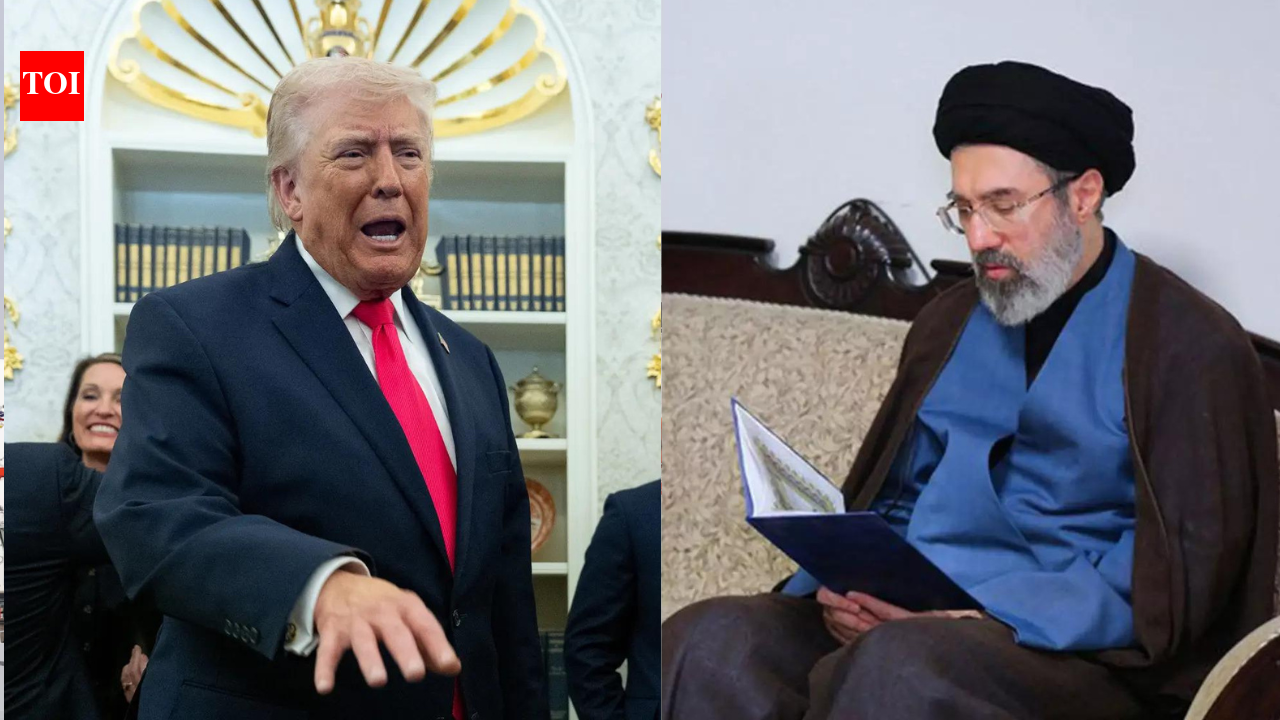
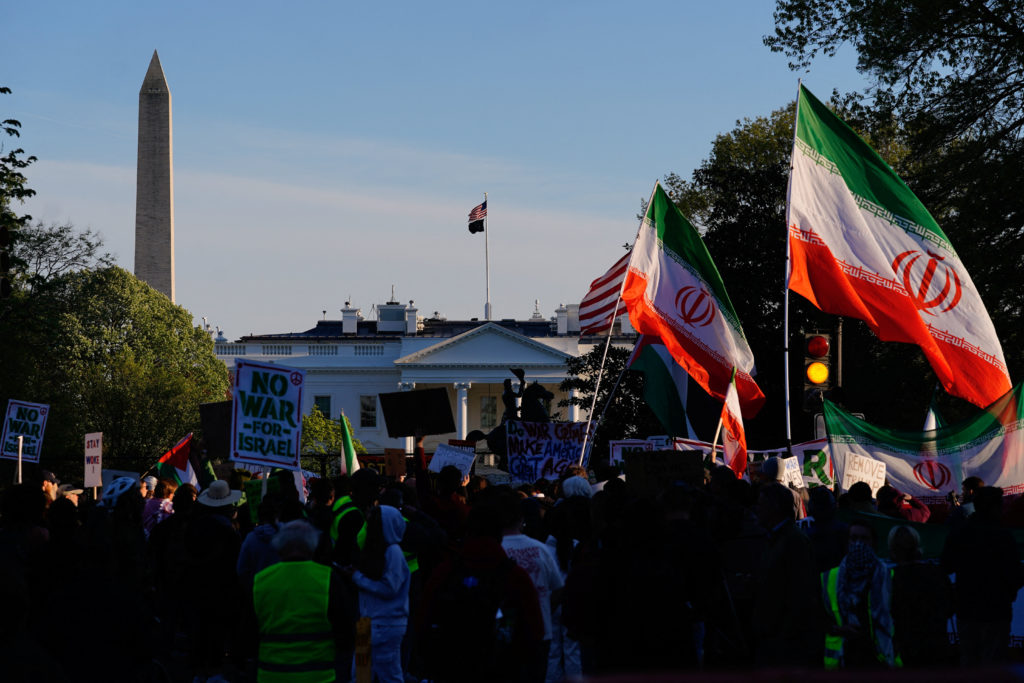
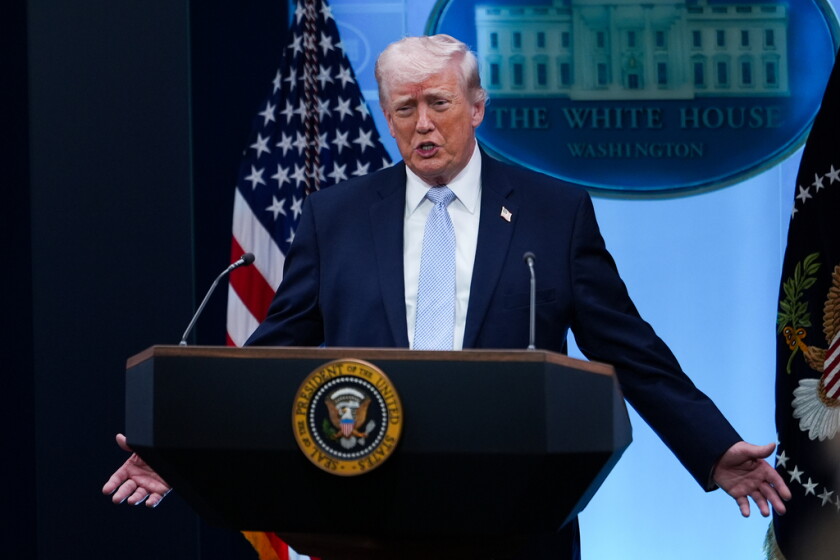
The geopolitical escalation in the Middle East, centered on US-Israeli military operations and failed US-Iran diplomatic negotiations (March-April 2026), creates significant tariff arbitrage and supply chain repositioning opportunities for cross-border e-commerce sellers. While the news focuses on military strategy and regime change scenarios, the underlying economic warfare component—specifically targeting Iranian oil exports and IRGC-controlled infrastructure through sanctions—directly impacts tariff structures, sourcing costs, and market access for sellers operating in electronics, machinery, chemicals, and textiles categories.
Tariff Arbitrage Opportunity: Sellers currently sourcing from Iran-adjacent suppliers face immediate tariff exposure. However, this creates a 90-day compliance window (March-June 2026) where sellers can pivot sourcing to alternative suppliers in Turkey, UAE, Pakistan, and India without penalty. Historical sanctions data shows such transitions typically reduce landed costs 8-15% as alternative suppliers compete for displaced volume. For example, electronics components (HS 8471-8517) currently sourced from Iran-linked suppliers could shift to Turkish manufacturers at 12-18% cost reduction, improving gross margins by $40-80 per unit for mid-range products.
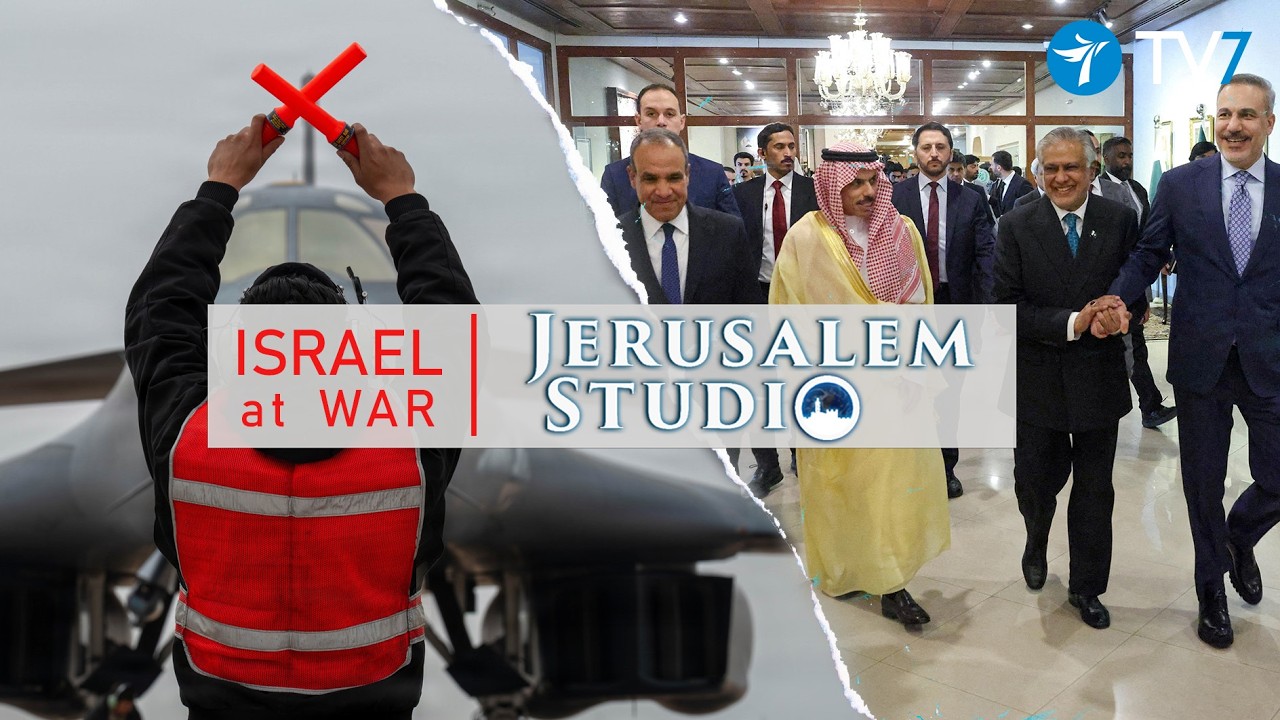
Market Access Shifts: The collapse of US-Iran negotiations mediated by Pakistan, Egypt, Turkey, Oman, and France signals these countries will become critical trade hubs. Turkey and UAE are positioning as sanctions-compliant alternatives, creating tariff-free or reduced-tariff corridors for sellers. Sellers with existing relationships in these countries gain competitive advantage. Additionally, the GCC (Gulf Cooperation Council) positioning on military action suggests Saudi Arabia, UAE, and Kuwait will strengthen trade relationships with non-Iranian suppliers, opening market access for sellers in consumer goods, apparel, and home goods categories.
Competitive Dynamics: Large sellers with established 3PL networks in Turkey, UAE, and India can capitalize immediately by shifting inventory allocation 20-30% toward these sourcing hubs. Small-to-medium sellers (SMBs) face 4-6 week delays in establishing alternative supplier relationships, creating a 60-90 day window where larger competitors gain inventory advantage. Sellers in high-tariff categories (machinery HS 8401-8480, chemicals HS 2701-2930) see the most significant margin improvement potential—up to 25% cost reduction through compliant sourcing shifts.
Compliance and Risk Timeline: The March-April 2026 military escalation suggests formal sanctions implementation by Q2 2026. Sellers must audit supplier locations and HS code classifications by May 15, 2026 to avoid penalties. Non-compliance carries 20-40% tariff penalties plus potential account suspension on Amazon, eBay, and Shopify for selling sanctioned goods. The 60-day window before formal implementation allows sellers to restructure sourcing without retroactive penalties.
Questions 8
How do Iran sanctions affect my Amazon FBA sourcing costs in 2026?
Iran sanctions escalation (March-April 2026) creates immediate tariff exposure for sellers sourcing from Iran-linked suppliers, but opens a 90-day compliance window to pivot sourcing. Sellers can reduce landed costs 8-15% by shifting to Turkey, UAE, or Pakistan suppliers before formal sanctions implementation in Q2 2026. For electronics (HS 8471-8517), this translates to $40-80 per unit margin improvement. You must audit supplier locations and update HS code classifications by May 15, 2026 to avoid 20-40% penalty tariffs and potential account suspension on Amazon, eBay, or Shopify.
Which product categories benefit most from Middle East supply chain reshuffling?
High-tariff categories see the greatest margin improvement: machinery (HS 8401-8480) up to 25% cost reduction, chemicals (HS 2701-2930) 18-22% reduction, electronics components (HS 8471-8517) 12-18% reduction, and textiles (HS 5001-6310) 10-15% reduction. Consumer goods and apparel categories benefit from new market access in GCC countries (Saudi Arabia, UAE, Kuwait) as they strengthen non-Iranian trade relationships. Sellers in these categories should prioritize sourcing diversification by May 2026.