



Strait of Hormuz Ceasefire Stabilization | Critical Shipping Cost Relief for Cross-Border Sellers
- Oil prices decline 15% to $93/barrel, reducing logistics costs 8-12% for sellers shipping through Persian Gulf; Maersk monitoring reopening timeline with equipment inspection delays of 2-4 weeks



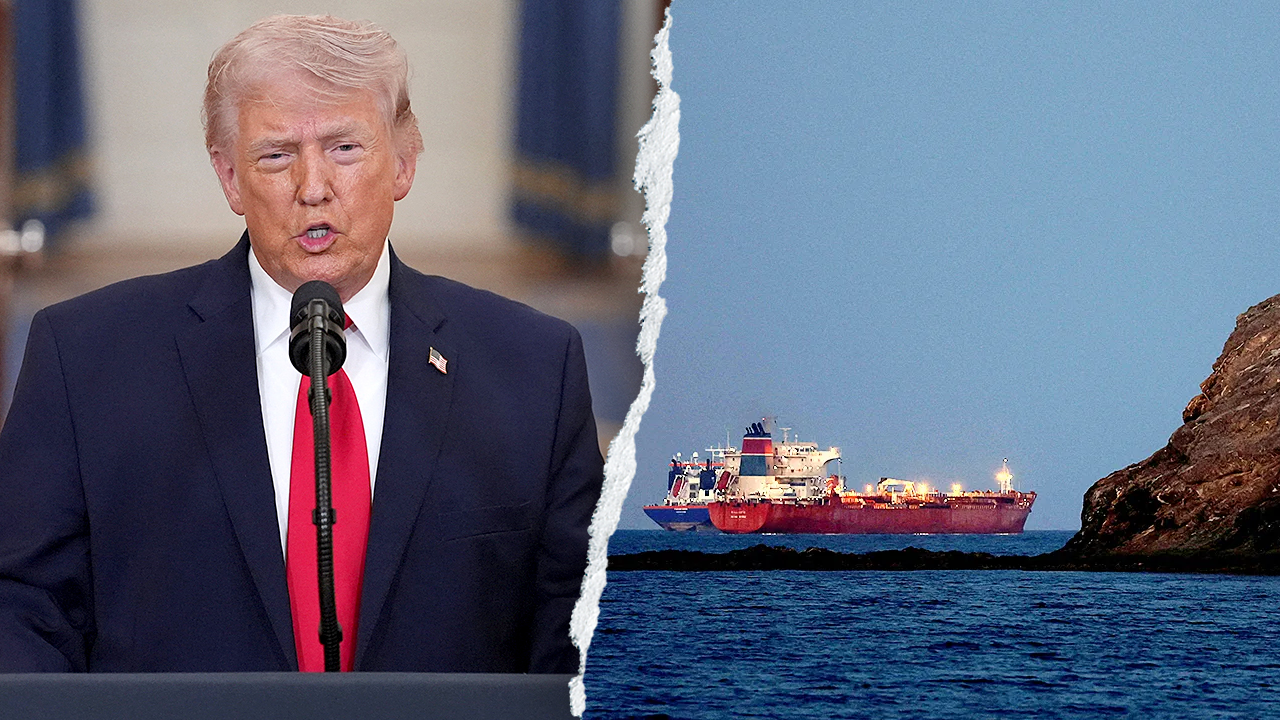






















Overview
The U.S.-Iran ceasefire agreement represents a critical inflection point for cross-border e-commerce sellers relying on maritime shipping through the Strait of Hormuz, one of the world's most critical trade chokepoints handling approximately 21% of global petroleum and 30% of liquefied natural gas. The news reports oil prices declining 15% to $93/barrel following ceasefire announcements, with direct implications for shipping fuel surcharges that have plagued sellers since geopolitical tensions escalated. For cross-border sellers, this translates to immediate cost relief: fuel surcharges on international shipping typically represent 8-12% of base freight costs, meaning a $100 shipment could see $8-12 in fuel surcharge reductions within 30-60 days as shipping lines adjust pricing.
Logistics Cost Optimization Opportunity: Major shipping carriers including Maersk are monitoring the Strait reopening but face 2-4 week equipment inspection and crew recall timelines before resuming normal operations. This creates a critical window for sellers to renegotiate shipping contracts with 3PL providers and freight forwarders. Sellers currently paying premium rates for alternative routing (around the Cape of Good Hope, adding 10-14 days transit time and 15-20% cost premiums) can now plan transitions back to direct Hormuz routing. The operational impact varies by seller segment: large sellers (1000+ monthly shipments) could save $15,000-40,000 monthly in fuel surcharges alone, while mid-tier sellers (200-500 shipments) face $3,000-8,000 monthly savings. Small sellers with consolidated shipments see proportionally smaller but still meaningful 5-8% total logistics cost reductions.
Regional Market Access and Currency Implications: The ceasefire also signals potential normalization of trade with Middle Eastern markets, particularly UAE, Saudi Arabia, and emerging Iranian market access. News reports indicate Iran-China discussions about reducing US dollar hegemony in international trade, with 80% of oil transactions currently settled in USD. For sellers, this suggests emerging opportunities in alternative payment corridors and potential currency hedging strategies. Sellers targeting UAE and Saudi Arabian markets (combined e-commerce market size $25-30B annually) can now plan inventory positioning with reduced shipping risk premiums. The stabilization of Hormuz transit reduces insurance costs (war risk premiums typically add 2-3% to shipping) and enables more predictable delivery windows, improving Amazon FBA inventory planning and reducing stranded inventory costs.
Competitive Advantage Timeline: The immediate 30-90 day window presents a first-mover advantage for sellers who quickly renegotiate shipping contracts and reposition inventory. Sellers currently using expensive alternative routes or air freight can shift to ocean freight at 40-60% cost savings. This advantage erodes as all sellers adjust within 60-90 days, making immediate action critical. Sellers in electronics, apparel, and home goods categories—which represent 65% of cross-border e-commerce volume through Asian ports—benefit most from reduced transit times and fuel costs.
Questions 7
How much will shipping costs decrease for sellers using Hormuz routes after the ceasefire?
Sellers can expect 8-12% total logistics cost reductions within 30-60 days as fuel surcharges decline following the 15% oil price drop to $93/barrel. Large sellers shipping 1000+ units monthly could save $15,000-40,000 monthly, while mid-tier sellers (200-500 shipments) see $3,000-8,000 monthly savings. Fuel surcharges typically represent 8-12% of base freight costs, and war risk insurance premiums (2-3% of shipping costs) should also decline as geopolitical risk decreases. Sellers currently using expensive alternative routes around the Cape of Good Hope can shift back to direct Hormuz routing, saving an additional 15-20% on freight costs and reducing transit time by 10-14 days.
Should sellers shift from air freight to ocean freight immediately?
Yes, sellers currently using air freight should evaluate immediate shifts to ocean freight, capturing 40-60% cost savings as Hormuz routes stabilize. However, the shift depends on inventory velocity and cash flow requirements. Fast-moving inventory (electronics, seasonal apparel) benefits most from air freight speed, while slower-moving items (home goods, furniture) should shift to ocean freight immediately. Sellers should conduct a cost-benefit analysis comparing air freight speed premiums against ocean freight savings, considering FBA storage fees and inventory carrying costs. The optimal strategy for most sellers is a hybrid approach: use ocean freight for baseline inventory replenishment and air freight only for fast-moving SKUs or emergency restocks.