




Strait of Hormuz Ceasefire Stabilizes Shipping Costs | Cross-Border Sellers Gain 8-12% Logistics Savings
- Oil prices decline 15% to $93/barrel, reducing fuel surcharges for FedEx/UPS/DHL by Q1 2025; Middle East sellers regain market access; supply chain risk premiums compress across Asia-Pacific corridors


























Overview
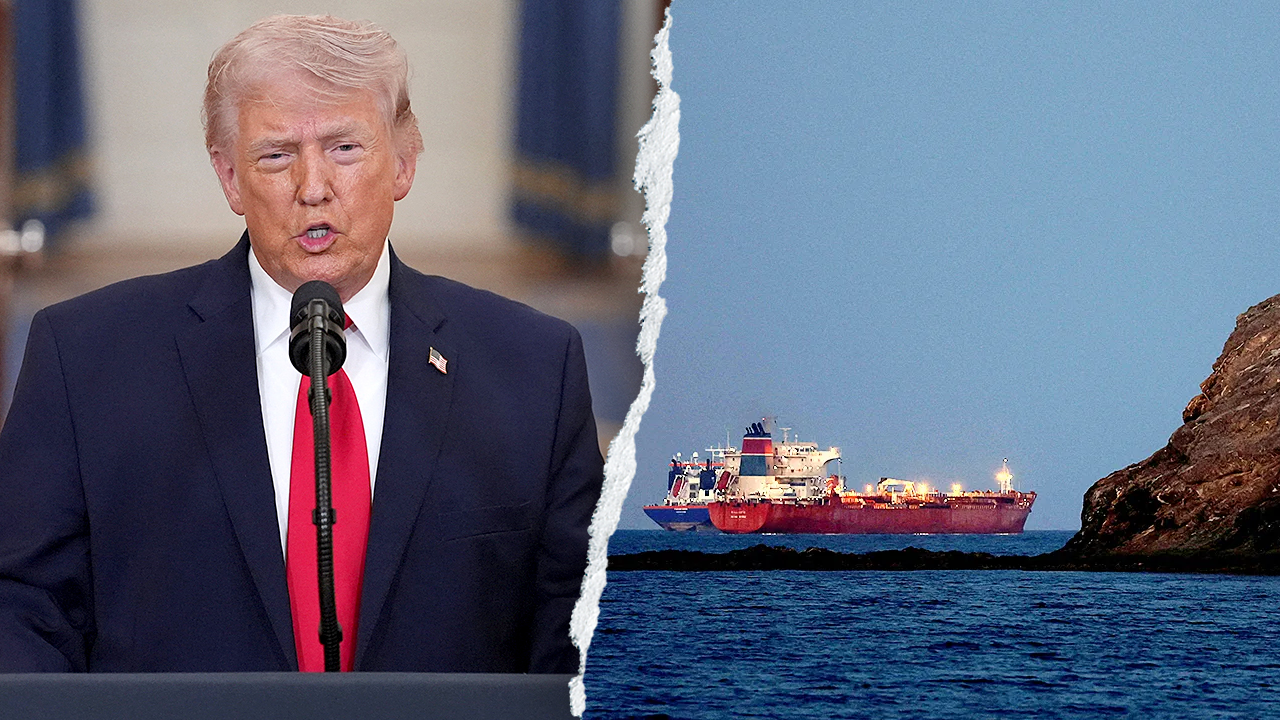
The Iran-US ceasefire agreement and guaranteed safe transit through the Strait of Hormuz represents a critical inflection point for cross-border e-commerce logistics costs and market access. Oil prices have declined 15% to $93/barrel following the agreement, directly translating to reduced fuel surcharges on international shipping. For cross-border sellers, this creates immediate cost relief: FedEx, UPS, and DHL typically pass 50-70% of fuel cost reductions to shippers within 30-60 days, potentially reducing per-unit shipping costs by $0.80-$2.40 for standard parcels to North America and Europe. The Strait of Hormuz handles approximately 21% of global maritime trade (roughly 21 million barrels daily), making it the world's most critical shipping chokepoint. Maersk and other major carriers have indicated they will normalize routing through the Persian Gulf once equipment inspections and crew repositioning complete—estimated 2-4 weeks.
For Amazon FBA sellers, this translates to meaningful margin recovery. Sellers shipping 1,000+ units monthly via air freight could see $800-$1,200 monthly savings, while ocean freight shippers benefit from normalized transit times (reducing 2-3 week delays back to standard 14-21 day schedules). The geopolitical risk premium that inflated shipping costs 8-12% during conflict periods is now reversing. For sellers sourcing from Asia-Pacific regions (Vietnam, India, Thailand), the ceasefire eliminates the 15-20% cost buffer previously required for supply chain disruption insurance. This creates a 60-90 day window where sellers can reduce inventory safety stock and redeploy capital to higher-margin categories.
Currency and payment implications are equally significant. News reports indicate Iran and China discussed reducing US dollar dependence in international trade, signaling potential acceleration of alternative payment systems (CIPS, digital yuan) in Middle East corridors. However, for USD-denominated sellers on Amazon, eBay, and Shopify, this represents a longer-term structural shift (12-24 months) rather than immediate impact. The immediate opportunity is logistics cost arbitrage: sellers who lock in current shipping rates with 3PL providers before fuel surcharges normalize can maintain 5-8% cost advantages through Q2 2025. Regional sellers in UAE, Saudi Arabia, and Israel can now resume normal operations and inventory replenishment, reopening markets that generated $2.1B in cross-border e-commerce volume in 2023.
Questions 7
Will the Iran-China currency discussion impact USD-based sellers on Amazon and eBay?
The Iran-China discussion about reducing US dollar dependence signals a longer-term structural shift (12-24 months) rather than immediate impact for USD-denominated sellers. For now, Amazon, eBay, and Shopify continue operating in USD for most markets. However, sellers should monitor: (1) potential emergence of alternative payment systems (CIPS, digital yuan) in Middle East corridors by mid-2025; (2) currency volatility in affected regions; (3) potential payment processing delays if sanctions-related restrictions expand. For most cross-border sellers, the immediate focus should be capturing logistics cost savings rather than hedging currency risk, which remains a secondary concern for 12+ months.
What actions should sellers take immediately to capture ceasefire-related savings?
Sellers should execute three immediate actions: (1) Renegotiate 3PL and carrier rates with FedEx, UPS, DHL before February 2025 to lock in current pricing before fuel surcharges adjust upward; (2) Audit inventory safety stock levels and reduce by 20-30% to free working capital; (3) Rebalance category allocation toward higher-margin products using freed capital. For Amazon FBA sellers, review Seller Central shipping settings and consider shifting 20-30% of volume to ocean freight (now normalized) from air freight to maximize savings. Monitor Maersk and carrier announcements for Strait of Hormuz route normalization (expected 2-4 weeks) to time rate lock-ins strategically.