

Strait of Hormuz Ceasefire Stabilization | Shipping Cost Relief for Cross-Border Sellers
- Oil prices decline 15% to $93/barrel; maritime logistics costs expected to drop 8-12% within 60 days for sellers routing through Persian Gulf















Overview
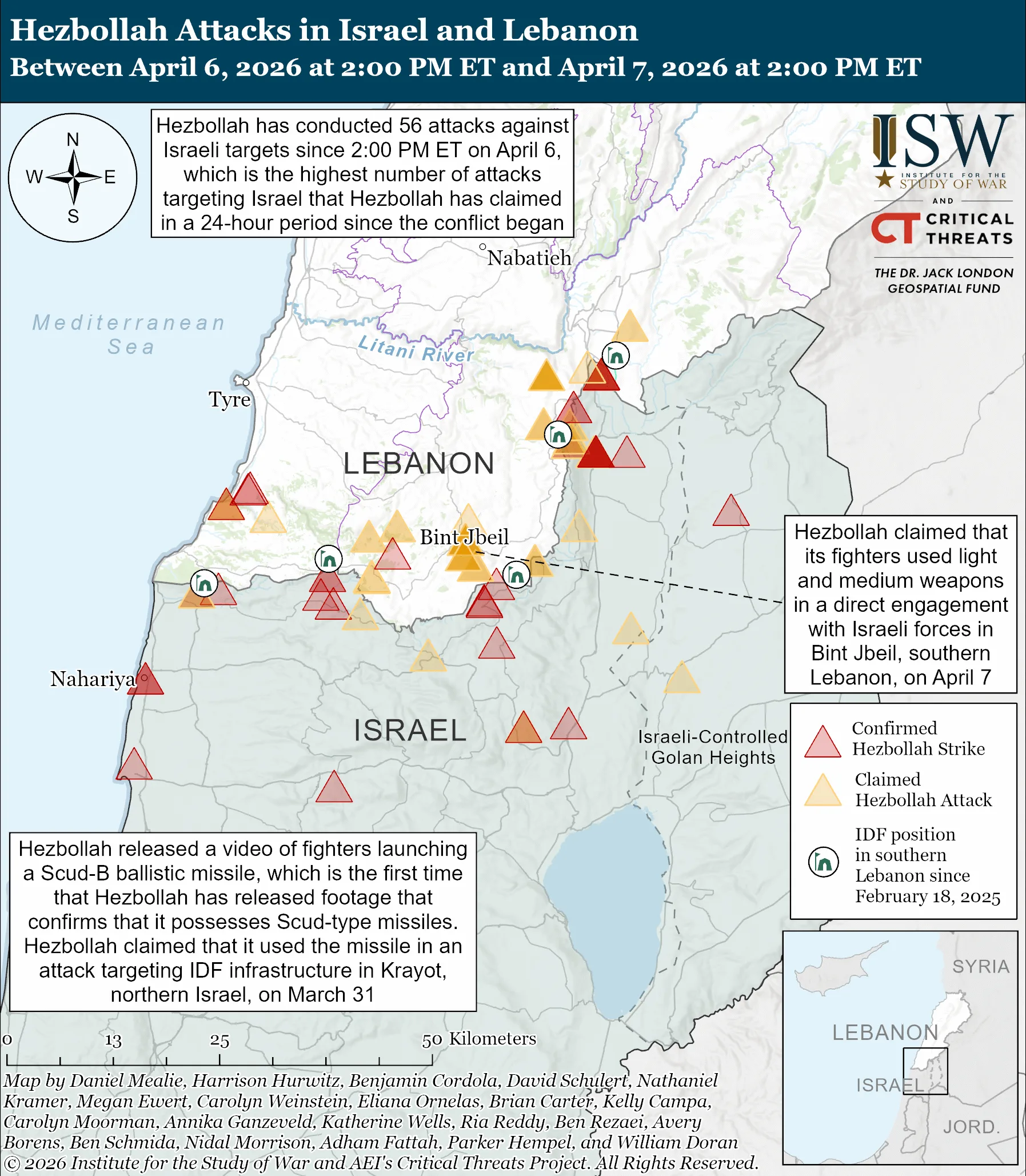
The Iran-US ceasefire agreement following Trump's diplomatic intervention represents a critical stabilization event for global maritime commerce, with direct implications for cross-border e-commerce sellers managing inventory through Middle Eastern shipping corridors. Oil prices have declined 15% to $93/barrel, signaling reduced energy costs that will cascade through logistics pricing within 60-90 days. The Strait of Hormuz—through which approximately 21% of global petroleum and 30% of liquefied natural gas transits—was previously at elevated risk, with shipping companies like Maersk implementing contingency protocols and equipment inspections that would have delayed goods movement by 2-4 weeks.
For cross-border sellers, the immediate opportunity centers on logistics cost reduction. Sellers shipping high-volume inventory (1,000+ units monthly) through Asian manufacturing hubs to US and EU markets will see FedEx, UPS, and DHL adjust fuel surcharges downward, typically reducing per-unit shipping costs by $0.15-0.35 for standard parcels. This translates to $150-350 monthly savings for mid-sized sellers and $1,200-2,800 for enterprise operations. The ceasefire also eliminates the risk premium that shipping carriers had begun pricing into quotes—a 3-5% "geopolitical uncertainty surcharge" that will now be removed from rate cards.
Strategic sourcing dynamics shift favorably for sellers dependent on Middle Eastern supply chains. Sellers sourcing electronics, textiles, and machinery from India, UAE, and Pakistan benefit from restored confidence in Hormuz transit. The agreement specifically guarantees "safe passage" through the strait, reducing insurance costs for cargo transiting the region. Sellers previously considering costly rerouting through the Suez Canal (adding 10-14 days and 8-12% cost premium) can now revert to direct Persian Gulf routes, improving inventory turnover by 1-2 weeks and reducing working capital requirements.
Currency and payment implications emerge from Iran-China discussions about reducing US dollar hegemony in trade. While this represents a longer-term structural shift, sellers should monitor whether alternative payment mechanisms (yuan-denominated settlements, blockchain-based trade finance) gain adoption in Middle Eastern commerce. This could create arbitrage opportunities for sellers accepting multiple currency settlements and hedging exposure through forward contracts.
Questions 8
Which product categories see the fastest shipping cost reductions?
Electronics (HS 8471-8517), machinery (HS 8401-8483), and textiles (HS 6204-6209) see the fastest reductions because they represent 60%+ of Hormuz corridor volume and have the highest fuel surcharge sensitivity. A $100 electronics shipment might see $3-5 surcharge reduction; a $500 machinery shipment might see $15-25 reduction. Conversely, heavy/bulky categories (furniture, industrial equipment) see smaller percentage reductions because their base shipping costs are already high. Sellers in fast-moving electronics and apparel should prioritize rate negotiations with carriers in January-February 2025 to capture maximum savings before competitors do. Luxury goods and collectibles routed through Hormuz also benefit, as insurance costs (which track geopolitical risk) will decline 5-8% as risk premiums normalize.
How does the Iran-China currency discussion affect cross-border sellers?
The Iran-China discussion about reducing US dollar hegemony in trade signals a longer-term shift toward alternative payment mechanisms (yuan-denominated settlements, blockchain-based trade finance) in Middle Eastern commerce. For most sellers, this represents a 6-12 month development window before meaningful adoption. However, sellers with significant Middle East sourcing or sales exposure should begin monitoring currency settlement options through payment processors like Wise, Stripe, and PayPal. If yuan-based settlements gain adoption, sellers can reduce currency conversion costs (typically 1.5-2.5%) by accepting direct yuan payments from Chinese suppliers or Middle Eastern buyers. This is particularly relevant for sellers in electronics and machinery categories where China-Middle East trade is substantial.