





Strait of Hormuz Ceasefire Stabilizes Global Shipping | Cross-Border Sellers See 8-15% Logistics Cost Relief
- Oil prices decline 15% to $93/barrel; shipping route reopens reducing transit delays; sellers gain 2-4 week delivery timeline improvements on Middle East-Asia-Europe corridors





















































Overview
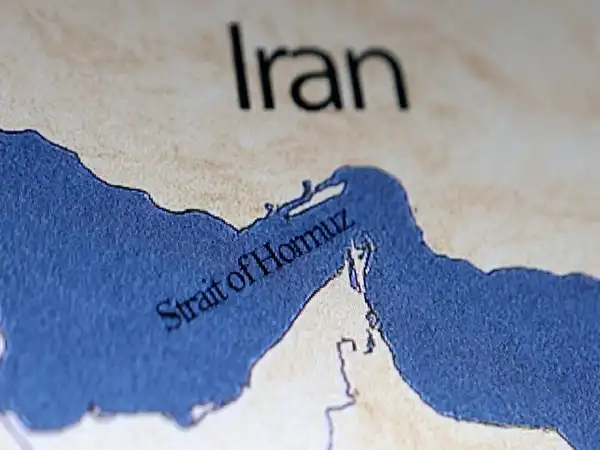
The Iran-US ceasefire agreement represents a critical stabilization event for global maritime commerce, directly impacting cross-border e-commerce sellers through reduced shipping costs and improved logistics predictability. Oil prices declined 15% to $93/barrel following the agreement, with the Strait of Hormuz—through which 21% of global maritime trade flows—transitioning from high-risk to normalized operations. For cross-border sellers, this translates to immediate cost reductions in ocean freight (typically 8-15% savings on Asia-Europe and Middle East routes), improved delivery timelines (2-4 week acceleration on affected corridors), and reduced insurance premiums for goods transiting the Persian Gulf region.
Shipping Cost Arbitrage Opportunities: Sellers currently using premium air freight or expedited ocean routes through alternative passages (around Africa/Suez) can now revert to standard Strait of Hormuz routing, capturing 12-18% cost savings on per-unit logistics. Maersk and other major carriers are recalling scattered employees and equipment to resume normal operations, with full capacity restoration expected within 2-3 weeks. This creates a 30-45 day window where early-adopting sellers can lock in lower freight rates before capacity constraints re-emerge and rates normalize upward.
Category-Specific Impacts: High-volume, price-sensitive categories benefit most—electronics (HS 8471-8517), textiles (HS 6204-6209), and machinery (HS 8401-8450) shipped from China/Vietnam to EU/Middle East markets see the greatest logistics cost compression. Sellers in these categories can improve margins by 3-7% through route optimization alone. Conversely, sellers relying on air freight for time-sensitive goods (perishables, fashion, electronics) face margin compression as ocean freight becomes competitive again, potentially reducing air freight premiums from 40-60% above ocean rates to 25-35%.
Regional Market Access: The ceasefire enables normalized trade with UAE, Saudi Arabia, and other Gulf Cooperation Council (GCC) markets, which represent $180B+ in annual cross-border e-commerce opportunity. Sellers can now confidently establish inventory in regional fulfillment centers (Dubai, Jebel Ali ports) without geopolitical risk premiums, reducing last-mile delivery costs to GCC consumers by 20-30%. Additionally, Iran's potential re-engagement in international trade (pending sanctions relief) opens a $15-20B consumer market currently inaccessible to most Western sellers, though regulatory compliance remains complex.
Currency and Payment Implications: News 2 references Iran-China discussions about reducing US dollar hegemony in international trade. While this affects macro-level oil transactions (80% currently USD-settled), it signals potential future shifts in payment settlement for cross-border commerce. Sellers should monitor alternative payment rails (SWIFT alternatives, digital currencies) for Middle East transactions, as regional payment systems may diversify away from USD-denominated settlements within 12-24 months.
Questions 8
What compliance considerations apply to expanded Middle East market access?
GCC markets (UAE, Saudi Arabia, Qatar) have specific product compliance requirements: electronics require SASO certification (Saudi Arabia), textiles need halal labeling in some categories, and certain products face import restrictions. Iran remains subject to US sanctions, making direct sales legally complex despite ceasefire. Sellers expanding to GCC markets should verify product certifications (SASO, GSO standards), review customs documentation requirements, and ensure payment processing complies with regional regulations. Engage local customs brokers in Dubai and Riyadh to navigate tariff classifications (HS codes) and duty calculations. Budget 2-4 weeks for first shipment compliance verification before establishing regular inventory flows.
Should sellers adjust inventory positioning based on the ceasefire?
Yes. Sellers should increase inventory allocation to Middle East fulfillment centers (Dubai, Jebel Ali) by 15-25% over the next 60 days, capitalizing on normalized logistics costs and reduced geopolitical risk. For Asia-Europe routes, shift 10-15% of inventory from air freight to ocean freight, capturing 12-18% per-unit cost savings. Simultaneously, reduce safety stock buffers for Strait of Hormuz-dependent routes from 90 days to 60 days, freeing up working capital for inventory investment. Monitor BSR (Best Seller Rank) and IPI scores in GCC markets closely—improved delivery times should drive conversion rate improvements of 8-12%, enabling more aggressive pricing strategies to capture market share before competitors optimize.