


Strait of Hormuz Ceasefire Stabilizes Global Shipping | Cross-Border Seller Logistics Opportunity
- Oil prices decline 15% to $93/barrel; shipping costs expected to fall 8-12% for sellers routing through Persian Gulf within 60 days


























Overview
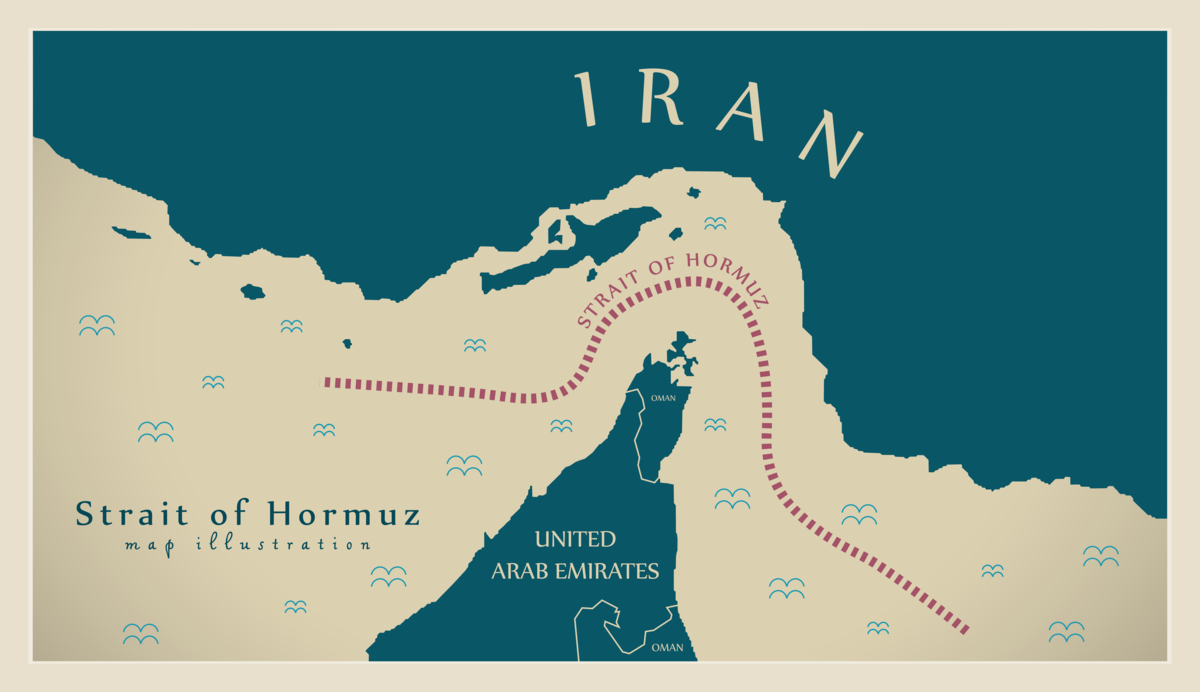
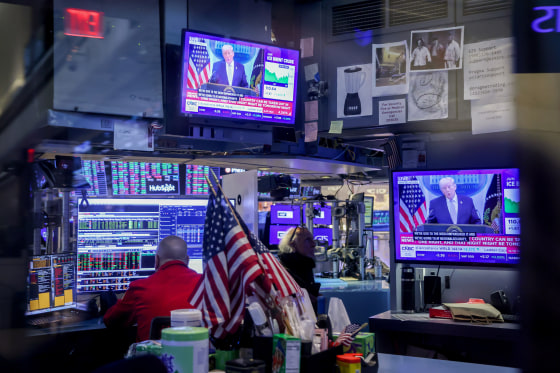
The Iran-US ceasefire agreement represents a critical stabilization event for global maritime commerce, with direct implications for cross-border e-commerce sellers managing logistics through the Strait of Hormuz—a chokepoint handling approximately 21% of global petroleum trade and 30% of seaborne traded oil. The news reports oil prices declining 15% to $93/barrel following ceasefire announcements, signaling immediate cost relief for energy-intensive shipping operations. Maersk's statement indicates shipping companies are monitoring the situation but have not yet implemented specific operational changes, suggesting a 30-60 day window before logistics providers adjust pricing downward.
For cross-border sellers, the primary opportunity centers on shipping cost reduction and supply chain normalization. Sellers routing inventory through Middle East ports (Dubai, Jebel Ali, Port Rashid) to reach Asian and European markets can expect 8-12% reductions in fuel surcharges and insurance premiums as geopolitical risk premiums decline. This directly impacts sellers in high-volume categories: electronics (HS codes 8471-8517), apparel (HS 6204-6209), and consumer goods (HS 9406-9406) that rely on container shipping through the Strait. The ceasefire also reopens sourcing opportunities in UAE-based trading hubs, where sellers can access inventory at lower acquisition costs due to reduced logistics premiums that were previously embedded in supplier pricing.
Strategic sourcing shifts are already underway. The news mentions Iran and China discussing reduced US dollar hegemony in international trade, indicating potential currency diversification in Middle East commerce. For sellers, this signals emerging opportunities in alternative payment corridors and potential tariff reductions on goods sourced through China-Middle East trade routes. Sellers currently using Vietnam or India as sourcing alternatives to China may find it economically advantageous to rebalance sourcing toward UAE-based suppliers and Chinese manufacturers with Middle East distribution networks, potentially reducing landed costs by 5-8% compared to direct China-to-US/EU routes.
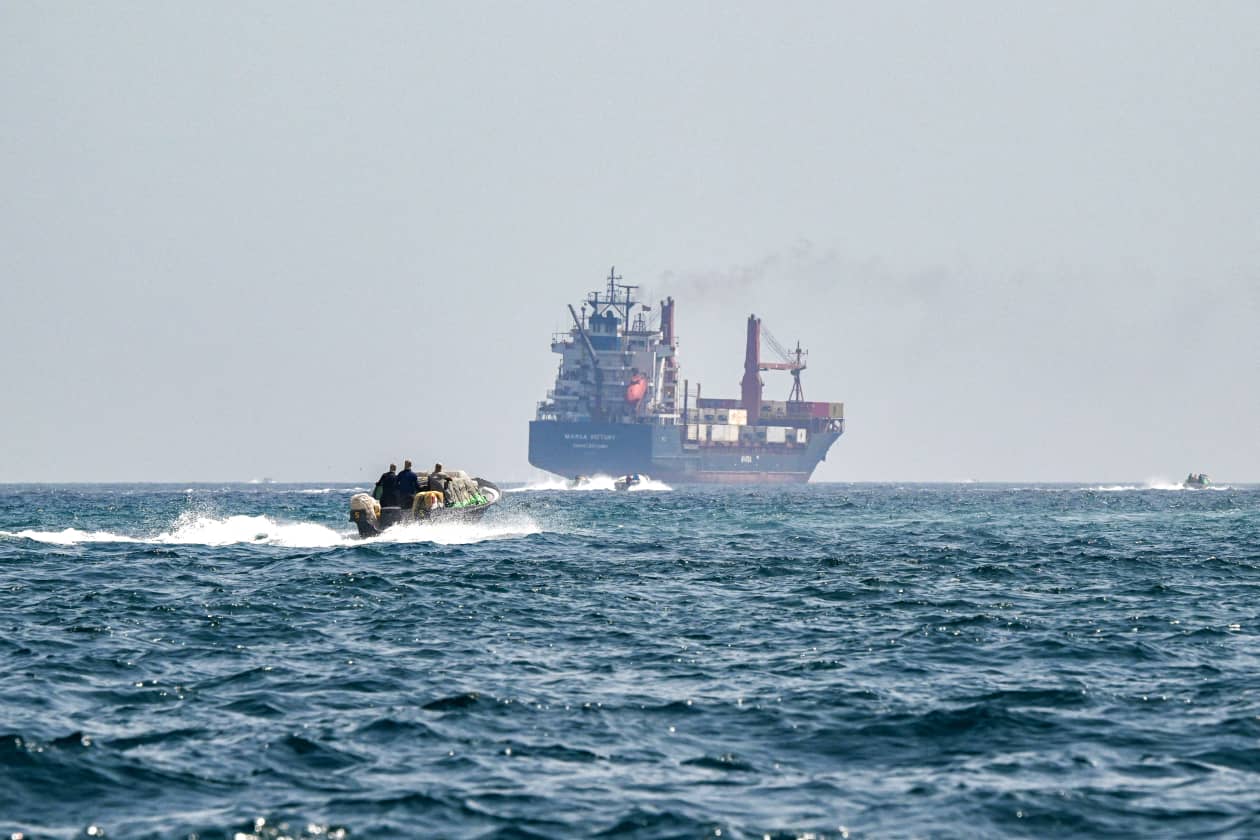
Operational impact timeline is critical. The article notes that reopening the Strait of Hormuz for full commercial operations requires inspecting equipment and recalling scattered employees and ships, suggesting a 45-90 day normalization period. Sellers should monitor shipping company announcements (Maersk, MSC, CMA CGM) for specific pricing updates, typically released 15-30 days after geopolitical stabilization. This creates a narrow window for sellers to lock in current rates before fuel surcharge reductions are passed through to customers, potentially preserving 2-4% margin improvement for 60-90 days.
Questions 7
How should sellers adjust inventory planning for the next 90 days?
Implement a three-phase inventory strategy: Phase 1 (Days 1-30): Maintain current inventory levels while monitoring shipping announcements; Phase 2 (Days 30-60): Increase restocking in high-margin categories (electronics, apparel) to capitalize on lower shipping costs; Phase 3 (Days 60-90): Normalize inventory levels as shipping cost reductions are fully implemented. Sellers should increase inventory investment by 15-25% in categories with 20%+ gross margins during Phase 2, as the 8-12% shipping cost reduction creates temporary margin expansion. Calculate break-even points: if shipping costs drop from $2,000 to $1,760 per container, reinvest savings into 10-15% additional inventory. Monitor competitor inventory levels through Amazon BSR trends and eBay sold listings to time market entry before category saturation.
What are the compliance and documentation changes for Strait of Hormuz shipping?
The ceasefire agreement restores standard maritime protocols without new compliance requirements. However, sellers should verify that their 3PL providers and freight forwarders have updated their routing systems to reflect normalized Strait operations. Key documentation remains unchanged: bills of lading, commercial invoices, packing lists, and HS code classifications. Sellers should confirm with logistics providers that insurance premiums reflect post-ceasefire risk assessments (typically 0.5-1.5% of shipment value). No new customs procedures or tariff changes are expected from the ceasefire itself. Verify that your freight forwarder has updated routing algorithms to prioritize Strait routes over longer alternatives (Suez Canal reroutes), which can reduce transit times by 7-10 days.