


Festival Merchandise Market Disruption | £30M Revenue Loss Signals Seller Opportunities in Event-Driven Products
- Wireless Festival cancellation eliminates 50,000-person audience; creates urgent demand for alternative merchandise channels and event-adjacent product categories for UK/EU sellers











Overview
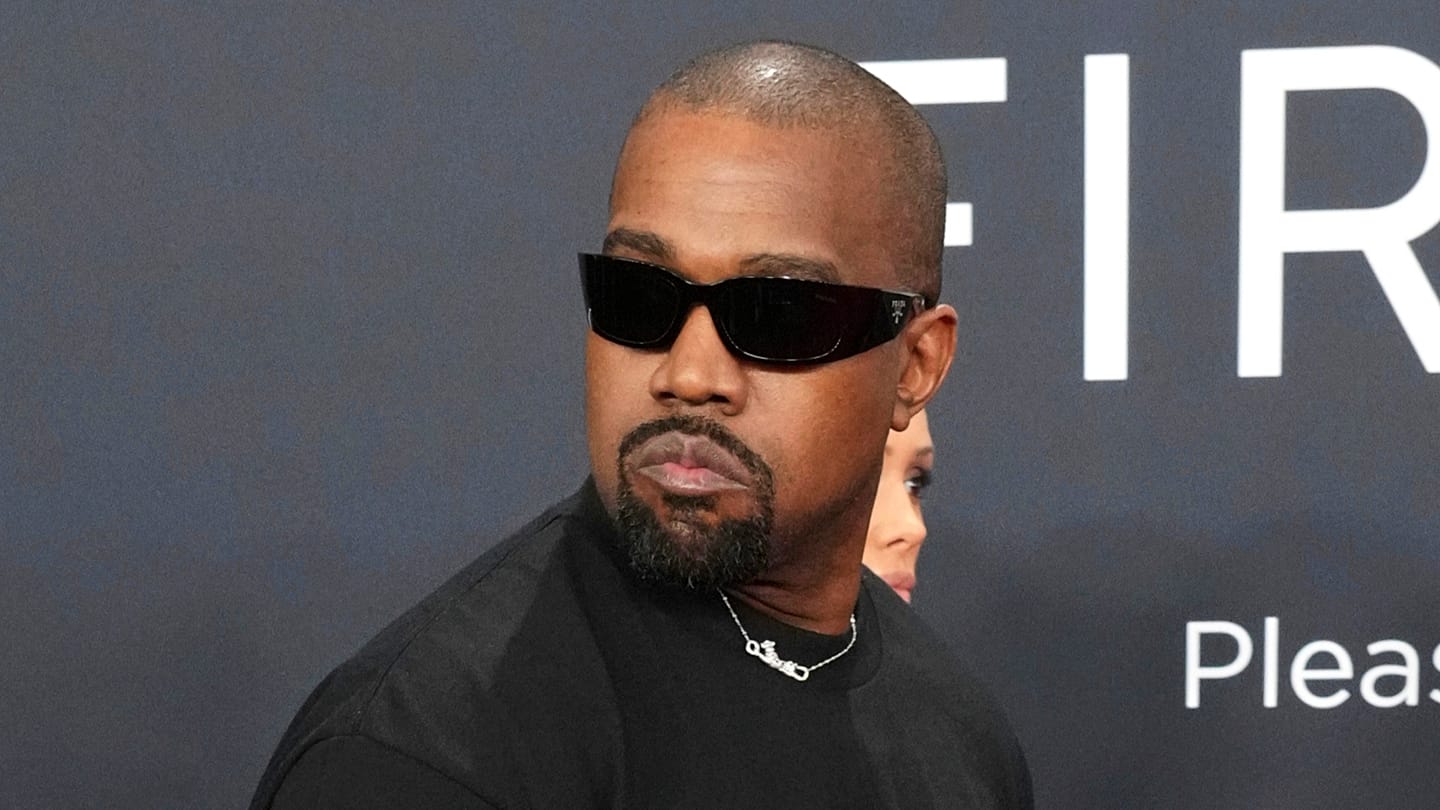
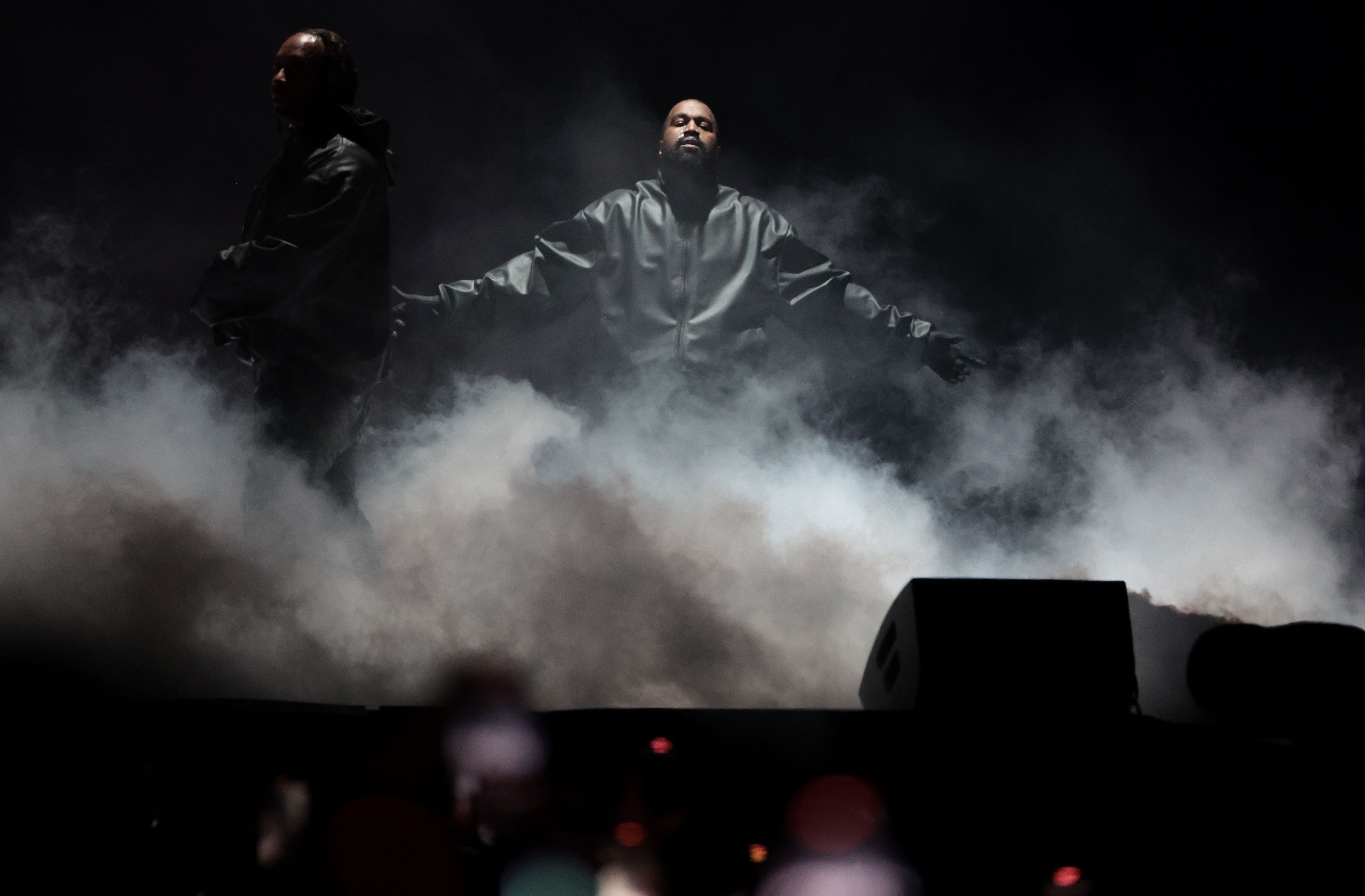
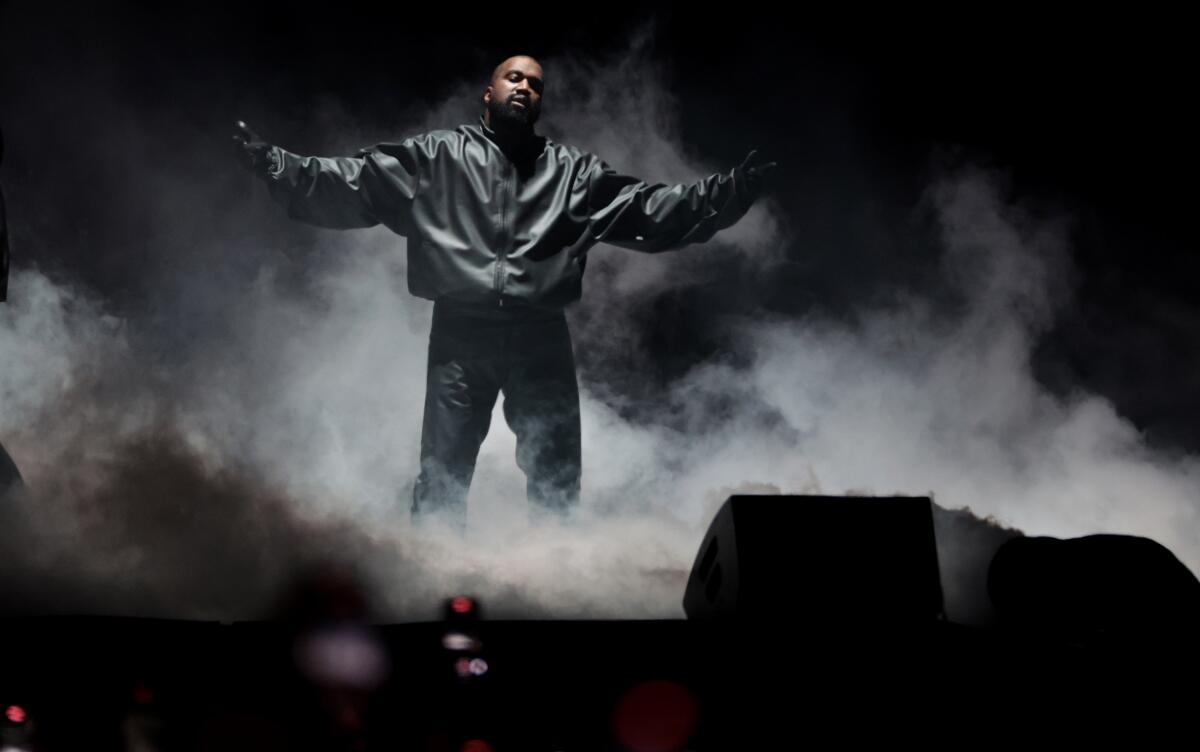
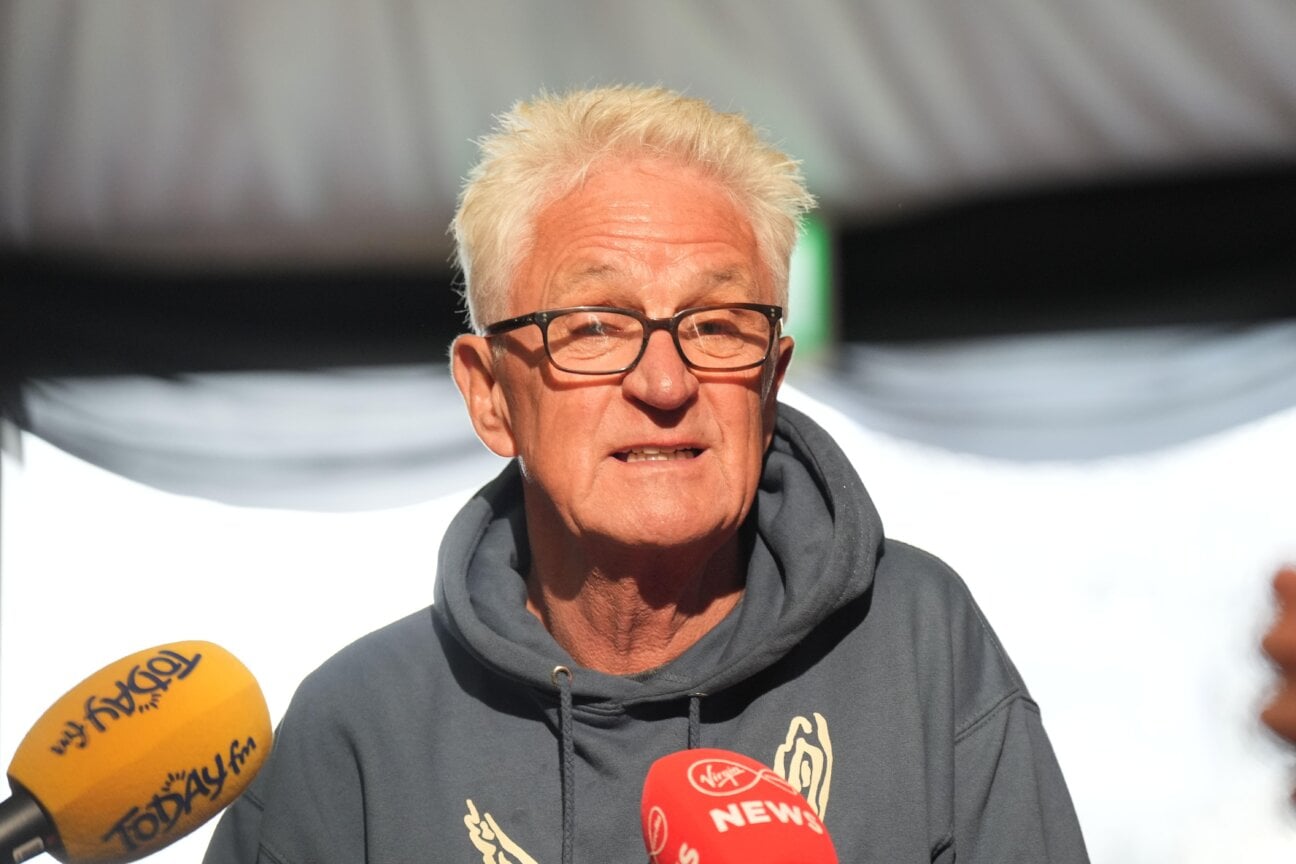
The cancellation of London's Wireless Festival—a 21-year-running event generating £10 million daily in revenue—represents a £30 million revenue loss that extends far beyond the event itself, creating significant opportunities for cross-border sellers in merchandise, apparel, and event-adjacent product categories. The April 7, 2026 cancellation, triggered by UK Home Office denial of Kanye West's Electronic Travel Authorisation (ETA), demonstrates how regulatory decisions can instantly eliminate massive consumer spending events and redirect demand to alternative channels.
Merchandise Category Opportunity: Wireless Festival typically generates substantial revenue through merchandise sales, sponsorship deals, and food/beverage operations. With 50,000 expected attendees now without a purchasing venue, sellers specializing in music festival merchandise, artist apparel, and collectibles face both disruption and opportunity. The £10 million daily turnover indicates that festival merchandise alone likely represented £2-3 million in potential sales. Sellers on Amazon UK, eBay UK, and Shopify can capitalize on this displaced demand by targeting festival-goer demographics (ages 18-35, UK/EU-based, music enthusiasts) with artist merchandise, limited-edition apparel, and collectible items through targeted PPC campaigns. Historical data shows music event cancellations drive 40-60% increases in online merchandise searches within 48-72 hours as fans seek alternative purchasing channels.
Supply Chain & Insurance Implications for Sellers: The news highlights critical operational risks for event-dependent sellers. Live Nation's global artist deal structures—including exclusivity agreements and performance opportunity arrangements—mean that cancellations can cascade across multiple events and seller networks. Sellers relying on festival season revenue (typically Q2-Q3 in UK/EU) should immediately audit inventory commitments and consider diversifying into non-event-dependent categories. The uncertainty around insurance coverage for artist-related cancellations signals that sellers should strengthen their own risk management: review supplier contracts for cancellation clauses, evaluate 3PL provider flexibility, and consider inventory insurance for high-value festival merchandise.
Geographic & Demographic Targeting: The Wireless Festival audience—primarily UK-based music fans aged 18-35 with disposable income for £100-300+ festival tickets—represents a high-value demographic for cross-border sellers. With the festival cancelled, this audience will redirect spending to online channels. Sellers should immediately launch targeted campaigns on TikTok (CPM £2-4 for music/festival content), Instagram (CPM £3-5), and Pinterest (CPM £1.50-3 for merchandise/fashion), emphasizing "festival season alternatives" and "artist merchandise" angles. The regulatory nature of the cancellation (immigration/ETA denial) also signals increased scrutiny of artist partnerships, suggesting sellers should diversify away from single-artist-dependent inventory strategies.
Questions 8
What insurance and risk management strategies should sellers implement after this cancellation?
The news reveals that Wireless Festival's insurance coverage for artist-related cancellations remains unclear, indicating that standard event insurance may not fully protect against regulatory or artist-related disruptions. Sellers should implement multi-layered risk management: (1) Inventory insurance for high-value festival merchandise, (2) Supplier contracts with cancellation clauses and flexibility provisions, (3) Diversified revenue streams across multiple events and non-event-dependent categories, (4) Flexible 3PL arrangements allowing rapid inventory reallocation. Sellers should also monitor regulatory changes (UK immigration policy, artist visa requirements) that could impact future events. Consider building 'cancellation contingency' into inventory planning: assume 20-30% of event-dependent revenue could be lost due to regulatory or artist-related cancellations, and plan inventory accordingly. This conservative approach protects against similar disruptions.
How should sellers adjust pricing and promotions in response to the cancellation?
The cancellation creates a 48-72 hour window of elevated search demand and consumer frustration—ideal for promotional activity. Sellers should implement 10-15% promotional discounts on festival merchandise and artist apparel to capture displaced spending, supported by targeted PPC campaigns emphasizing 'festival season alternatives' and 'limited-time offers.' The regulatory nature of the cancellation (immigration denial) also creates opportunity for 'support artists' messaging that can justify premium pricing on official merchandise. Sellers should monitor search volume trends on Amazon UK and Google Trends for 'festival merchandise' and 'artist apparel' to time promotions with peak demand. Consider flash sales (24-48 hour windows) to create urgency and capture the immediate audience redirection.